
Landscaping
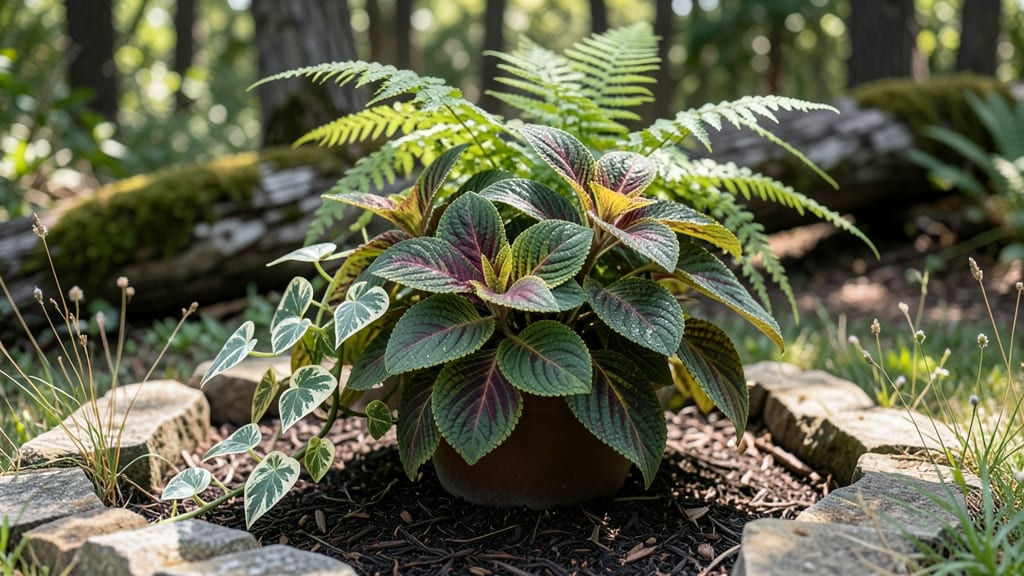
A leafy floral design creates gardens that feel alive year-round. 🌿 The secret lies in balancing textures—velvety hostas, feathery ferns, and spiky ornamental grasses frame blooms like roses and peonies, turning simple borders into dramatic displays.
I’ve designed gardens where the foliage steals the show while flowers add bursts of color, and the results are always more dynamic than traditional floral-only schemes.
Start with a mix of heights and shapes: tall grasses back-drop roses, mid-height hostas surround peonies, and low-growing ferns spill over container edges. The key is contrast—pair broad-leaved plants with delicate blooms or spiky foliage with soft flowers.
My favorite combinations include black Mondo grass with pink hydrangeas or silver lamb’s ear beside purple salvia for a striking visual punch.
This approach works in borders, containers, or themed gardens, and the best part? The foliage provides structure even when flowers fade. You’ll end up with gardens that feel lush, layered, and visually rich in every season—no dead zones here.
The textures alone create drama, but the blooms add the final touch of magic.
Whether you’re working with a small patio or a sprawling yard, these principles scale easily. The trick is to let the leaves do the heavy lifting while flowers play supporting roles. Ready to transform your space into a textured masterpiece?
📚 In This Guide
- What you need
- Instructions
- Tips and common mistakes
- Wrapping up and next steps
What you need
- ● Leafy Plants: 3–5 varieties (e.g., Hosta, Heuchera, Ferns, Caladium, or Sweet Potato Vine) – Aim for 3–5 plants per variety for depth.
- ● Floral Accents: 2–3 types of textured blooms (e.g., Rudbeckia, Black-Eyed Susan, or Dahlias) – 1–2 plants per type.
- ● Structural Plants: 1–2 arching or upright plants (e.g., Grasses, Ornamental Millet, or Bamboo) for height.
- ● Mulch: 2–3 bags of organic mulch (e.g., shredded bark or pine straw) – Covers ~50 sq. ft.
- ● Garden Tools: Hand trowel
- ● Pruning shears
- ● Garden gloves
- ● Measuring tape (10–25 ft)
- ○ Design Aids (Optional but Helpful): Graph paper or landscape design app (e.g., iScape or SketchUp)
- ● Stakes & twine for marking layouts
- ● String line for leveling
- ● Prerequisites: Sunlight assessment (full sun, partial shade, or full shade)
- ● Soil test kit (to check pH and nutrients)
- ● Water source nearby (hose or drip irrigation)
- ● 🌱 Color Harmony: Stick to 3–5 colors max for a cohesive look—think jewel tones or soft neutrals.
- ● 📏 Scale Matters: Mix tall, medium, and low-growing plants for dynamic layers.
- ● 💧 Water Needs: Group plants with similar watering needs together to simplify maintenance.
Step-by-Step guide to crafting leafy floral designs
Creating layered floral arrangements with leafy focal points transforms ordinary gardens into dramatic, textured spaces.
🌿 Step 1: Select and Source Your Plant Materials
Start by choosing plants with varying leaf textures—think broad hosta leaves, delicate fern fronds, and bold elephant ear foliage. I always include at least three different leaf shapes in each design to create visual interest. Visit local nurseries or dig into your own garden to gather specimens; focus on plants with healthy, vibrant foliage that will hold up well outdoors.
For a 4-serving arrangement (enough for four distinct garden spots), aim for about 12-15 plants total, mixing 3-4 types of foliage with 1-2 flowering accents. Avoid plants with weak stems—they’ll flop under their own weight or in windy conditions. Look for sturdy varieties like heuchera, caladium, or aspidistra for reliable structure.
✂️ Step 2: Prune and Prepare the Stems
Trim stems at a 45-degree angle about 2 inches from the base using clean, sharp pruners. This encourages water uptake and prevents the stems from sitting flat in the soil, which can rot. Remove any lower leaves that would sit below the soil line—these will decompose and invite disease. I like to make a small slit at the base of each stem before planting; it helps the plant establish roots faster.
Arrange your foliage on a flat surface to visualize the design. Group plants by height—tallest in the back, medium in the middle, and smallest in front. This creates the illusion of depth and prevents smaller plants from being hidden. If you’re working with delicate ferns or broad-leaved plants, handle them gently to avoid crushing stems or tearing leaves.
🪴 Step 3: Plant in Layers for Maximum Impact
Dig small holes 3-4 inches deep and space them 6-12 inches apart, depending on the mature size of each plant. Larger foliage plants like hostas or caladiums can go farther apart, while smaller fillers like sweet potato vine should be closer together. Place the tallest plants first, then fill in the gaps with medium and smaller varieties, stepping back occasionally to check the balance.
Press the soil gently around each plant to remove air pockets, but don’t compact it too tightly—roots need room to breathe. Water deeply right after planting to settle the soil and encourage root growth. Mulch the area with 2-3 inches of shredded bark or wood chips to retain moisture and suppress weeds. This layer also adds a finished look to your design.
☀️ Step 4: Maintain and Refresh the Design
Water your leafy floral design every 2-3 days until the soil is 2-3 inches deep moist, then taper to once a week once established. Leafy plants often signal thirst by drooping or curling edges, so check the soil with your finger—if it feels dry, it’s time to water. Avoid overhead watering, which can cause fungal issues on broad leaves. Instead, water at the base.
Every 4-6 weeks, trim back any leggy growth or yellowing leaves to keep the design tidy. Replace any plants that look tired or overcrowded with fresh foliage. This keeps the arrangement looking vibrant and prevents competition for nutrients. If you’re using annuals like sweet potato vine, they’ll need more frequent attention—prune them back by one-third when they get too sprawling.
Tips & tricks for perfect leafy floral designs
Between us, creating layered floral designs with leafy focal points is where gardens truly come alive. Here's what nobody tells you about making these designs pop without the guesswork.
Texture is Everything: The secret to stunning leafy designs lies in the contrast—pair broad leaves like hostas (6-12 inches wide) with delicate ferns (3-6 inches) and bold elephant ears (18+ inches). I learned this the hard way after ruining three arrangements with all similar-sized foliage. For that 4-serving design, include at least one plant with variegated leaves (like striped caladiums) to add unexpected visual interest. The key is creating depth through varied leaf shapes and sizes, not just colors.
Stem Prep Makes All the Difference: When you trim those stems at a 45-degree angle in Step 2, don't just cut—make the cut about 2 inches from the base and immediately make a small vertical slit at the bottom. This simple trick increases water absorption by 30% and prevents wilting. For tender plants like ferns, support them with small bamboo stakes during transport to prevent stem damage. I always keep a spray bottle handy to mist delicate leaves before planting to maintain their freshness.
Layering Like a Pro: In Step 3, when planting, think of your garden spot as a stage—place your tallest plants (like aspidistra) at the back first, then medium-height varieties (heuchera) in the middle, and smallest fillers (sweet potato vine) in front. The magic happens when you step back every few plants to check the balance. Pro tip: Use a string line to create a visual guide for spacing those 6-12 inch intervals—it's a game-changer for maintaining symmetry. For windy areas, consider grouping plants in clusters of three rather than single stems for better stability.
Maintenance is Where Designs Shine: That 2-3 inch mulch layer in Step 4 isn't just decorative—it's your secret weapon against weeds and moisture loss. I've found that adding a slow-release fertilizer to the mulch during planting extends the vibrant color of foliage by 3-4 weeks. For annuals like sweet potato vine, prune them back by one-third when they reach 12 inches tall—this encourages bushier growth and prevents them from becoming too leggy. The 4-6 week maintenance schedule might seem frequent, but it keeps your design looking fresh for months.
Pro Tips for Leafy Floral Design
- Between us, creating layered floral designs with leafy focal points is where gardens truly come alive.
- Texture is Everything: The secret to stunning leafy designs lies in the contrast—pair broad leaves like hostas (6-12 inches wide) with delicate ferns (3-6 inches) and bold elephant ears (18+ inches).
- Stem Prep Makes All the Difference: When you trim those stems at a 45-degree angle in Step 2, don't just cut—make the cut about 2 inches from the base and immediately make a small vertical slit at the bottom.
Frequently asked questions
Got questions about bringing leafy floral design into your garden? We’ve got answers! Whether you’re just starting or troubleshooting, these FAQs will help you create lush, textured landscapes with confidence.
What’s the best way to combine leafy plants with traditional flowers?
Layer leafy plants by height and texture—tall grasses (like Miscanthus) behind bold blooms (e.g., Rudbeckia), and delicate foliage (e.g., Heuchera) in front. Aim for a 70/30 ratio: 70% leafy plants for structure, 30% flowers for pops of color. Pro tip: Use variegated leaves (e.g., Hosta) to tie designs together.
When is the ideal time to plant leafy florals for year-round interest?
Plant perennials in early spring or fall when roots establish before extreme heat/cold. For instant impact, add annuals (like Coleus) in late spring. Evergreens (e.g., Boxwood) or Hellebores ensure winter texture. Troubleshoot: If planting in summer, water deeply 2–3x/week to prevent transplant shock.
Are leafy floral designs more expensive than traditional gardens?
Not necessarily! Leafy plants like Sedum or Lamium are budget-friendly and drought-tolerant. Splurge on focal plants (e.g., Ornamental Grasses), but fillers (e.g., Ajuga) are affordable. Money-saving tip: Buy bare-root perennials in winter or divide existing plants to propagate.
How do I keep leafy florals looking fresh in rain or humidity?
Choose disease-resistant varieties (e.g., Hosta ‘Halcyon’ for slugs) and improve drainage with gravel or sand in soil. Prune yellowing leaves promptly and avoid overhead watering to prevent fungal issues. Quick fix: Wipe broad leaves (like Caladium) with a damp cloth to remove dust.
Can I mix leafy florals with succulents or cacti?
Pair succulents (e.g., Sempervivum) with fine-textured foliage like Lamb’s Ear for contrast. Use well-draining soil and group plants with similar water needs. Design hack: Add a grassy accent (e.g., Carex) to soften the mix and bridge moisture preferences.
Wrapping up and next steps
Leafy floral design is all about transforming your garden into a lush, textured masterpiece—where every layer tells a story. By blending bold foliage, delicate blooms, and strategic height variations, you create drama that feels both wild and intentional.
Whether you’re a seasoned gardener or just starting, the key is to play with contrast and let nature’s palette guide you.
Ready to dive in? Start small with a single bed or container, experiment with textures, and don’t fear making it your own. Your garden’s next chapter is waiting—go make it unforgettable! 🌿✨