
Shrubs
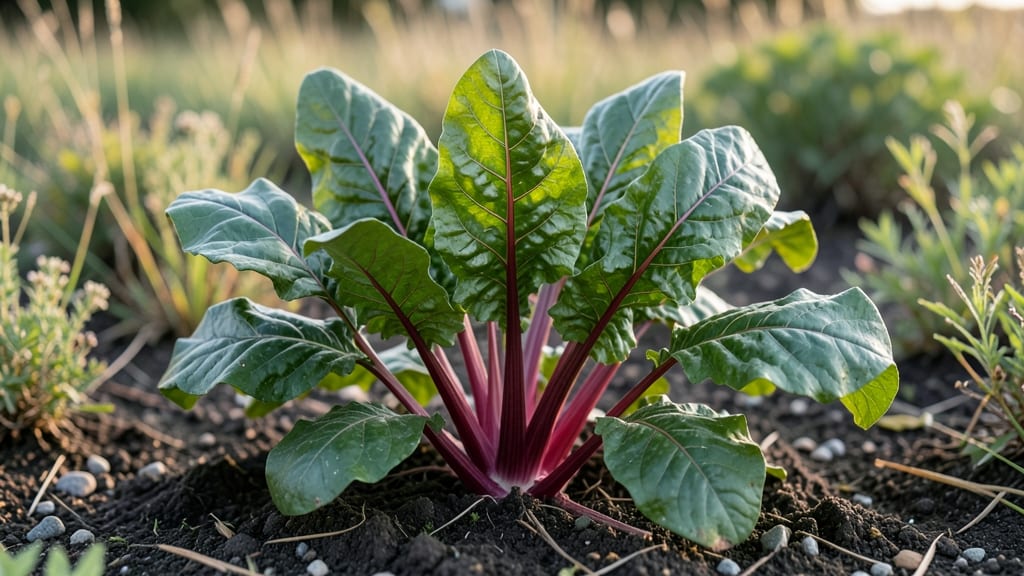
Growing leafy greens with those striking red stems feels like having a living art piece in your garden. 🌿 I fell for Red Malabar Spinach after seeing its vibrant foliage—deep green leaves with burgundy stems that pop against any backdrop.
The best part? These plants thrive in containers, making them perfect for patios, balconies, or even sunny windowsills.
They love bright, indirect light but tolerate partial shade, and well-draining soil keeps them happy. A 5-gallon pot is ideal for one plant, and watering when the top inch of soil feels dry prevents those dreaded crispy edges.
Propagation is easy too—just snip a stem and place it in water until roots form!
Harvesting is where the magic happens: snip the outer leaves, and new growth bursts with even more vivid color. These plants stay productive for months, and their bold stems make them stand out in arrangements or as a statement plant in your garden.
Pests are rare, but watch for aphids—they adore these tender leaves too.
Whether you're growing Red Malabar Spinach, Celosia, or Amaranth, these plants add drama to any space. Start with one pot, and you'll be hooked on their striking beauty and easy care. Ready to grow yours?
📚 In This Guide
- What you need
- Instructions
- Tips and common mistakes
- Wrapping up and next steps
What you need
- ● Leafy Green Red Stem Shrub: 1 healthy plant (check for firm stems and lush foliage). Varieties like Celtis sinensis or Celtis occidentalis work beautifully!
- ● Container: 1 large pot (12–15 inches in diameter) with drainage holes. Opt for terracotta or fabric pots for breathability.
- ● Potting Soil: 2–3 gallons of well-draining, nutrient-rich potting mix (add perlite or sand for extra aeration).
- ● Slow-Release Fertilizer: 1 packet (10–15 lbs) of organic fertilizer (e.g., 10-10-10 or compost-based).
- ● Watering Can or Hose: With a gentle spray nozzle for hydration without disturbing roots.
- ● Gloves: 1 pair to protect hands from soil and stems.
- ● Trowel or Spade: For planting and soil adjustments.
- ● Pruning Shears: Sharp, clean shears for trimming (sterilize with rubbing alcohol!).
- ○ Mulch (Optional): 1–2 inches of organic mulch (e.g., shredded bark) to retain moisture.
- ● Sunlight Spot: A location with 6+ hours of indirect sunlight daily (morning sun is ideal).
- ○ pH Test Kit (Optional): To check soil pH (aim for 6.0–7.0 for optimal growth).
Step-by-step instructions for planting and caring for red stem leafy green shrubs
Here's how to grow vibrant red-stemmed foliage that stays lush in containers all season long.
🪴 Step 1: Choose the Right Container and Soil Mix
Select a container with drainage holes at least 12 inches deep and wide enough to accommodate the shrub's mature spread. I like terracotta pots because they breathe and help prevent root rot. Fill the bottom third with gravel or perlite for drainage, then add a high-quality potting mix mixed with 20% compost for nutrients.
Tap the pot gently to settle the soil without compacting it. The goal is a loose, airy medium that lets roots grow freely. Moisten the mix until it's damp but not soggy—you should be able to squeeze a handful and see moisture, but not have water drip out.
🌱 Step 2: Plant the Shrub Correctly for Strong Growth
Remove the shrub from its nursery pot and gently loosen the roots if they're circling. Dig a hole twice as wide as the root ball but no deeper. Place the shrub in the center, ensuring the top of the root ball sits 1 inch below the rim of the container.
Fill the hole with soil, pressing lightly to remove air pockets. Water deeply until it runs out the drainage holes. I always add a slow-release fertilizer to the soil at planting—this gives the shrub a nutrient boost right when it needs it most.
☀️ Step 3: Position for Optimal Sun and Watering
Red-stemmed shrubs thrive in full sun to partial shade, ideally 6+ hours of morning sun to prevent leaf scorch. Place your container where it gets bright, indirect light for at least half the day. If you notice leaves fading or turning pale, it's getting too much direct sun—move it to a slightly shadier spot.
Water when the top inch of soil feels dry. Stick your finger in the soil—if it's dry past your first knuckle, it's time to water. Containers dry out faster than garden beds, so I check mine daily in hot weather. Always water at the base to avoid wetting the leaves, which can cause fungal issues.
✂️ Step 4: Prune and Maintain for Bold Foliage
Prune in early spring or after flowering to shape the shrub and encourage dense growth. Use clean, sharp shears to cut just above a leaf node at a 45-degree angle. This prevents water from pooling on the cut and promotes new growth. I trim back any leggy stems to maintain a compact shape—this keeps the red stems visible and vibrant.
Fertilize every 4-6 weeks during the growing season with a balanced, water-soluble fertilizer. Red-stemmed shrubs respond well to regular feeding, but I halve the recommended dose to avoid burning the roots. Mulch the soil surface with 1-2 inches of organic mulch to retain moisture and keep roots cool.
🌿 Step 5: Overwinter for Next Season's Growth
As temperatures drop below 40°F, move the container to a sheltered spot like a garage or under an eave. Reduce watering so the soil stays barely moist—overwatering in winter can lead to root rot. Wrap the pot in burlap or bubble wrap to protect it from freezing winds, but leave the top open for airflow.
In early spring, resume regular watering and fertilizing. Prune any dead or damaged stems before new growth begins. With proper care, your red-stemmed shrub will reward you with bold foliage year after year, even in containers.
Tips & tricks for perfect red stem leafy green shrubs
Here's what nobody tells you about growing these stunning plants that'll make your containers pop.
Container Material Matters: Terracotta pots are my top recommendation because they wick away excess moisture, which is crucial for preventing root rot in these moisture-sensitive shrubs. If you must use plastic, make sure to add extra perlite to the mix—about 30% more than the 20% compost ratio—to improve drainage and prevent soggy roots. The key is keeping that bottom third of your container packed with drainage material, whether it's gravel or perlite.
Root Ball Placement: That 1-inch depth below the rim isn't just arbitrary—it's what prevents water from pooling around the stem and causing rot. When you're planting, use your finger to create a slight well around the root ball. This tiny detail makes all the difference in keeping your shrub healthy. Confession: I skipped this step for years and wondered why my plants always seemed a little off-color.
Sunlight Strategy: Those 6+ hours of morning sun are critical for maintaining the vibrant red stems, but afternoon sun can scorch the leaves. I've found that east-facing windowsills or patios work perfectly for this balance. If you notice the leaves starting to fade, it's a clear sign to move your container to a spot with more indirect light—especially during those hot afternoon hours when the sun is most intense.
Winter Protection: When temperatures drop below 40°F, don't just move your container—give it a proper winter home. I wrap my pots in burlap and place them under an eave where they get some protection from wind but still have airflow. The key is keeping that soil barely moist during winter; overwatering is what causes most root rot issues during dormancy. You'll know you're doing it right when the soil feels just barely damp when you check it.
Pro Tips for Leafy Green Red Stem
- Here's what nobody tells you about growing these stunning plants that'll make your containers pop.
- Container Material Matters: Terracotta pots are my top recommendation because they wick away excess moisture, which is crucial for preventing root rot in these moisture-sensitive shrubs.
- Root Ball Placement: That 1-inch depth below the rim isn't just arbitrary—it's what prevents water from pooling around the stem and causing rot.
Frequently asked questions
What’s the best way to prune a leafy green red stem shrub for fuller growth?
Prune in early spring before new growth starts. Cut back 1/3 of the oldest stems to encourage fresh, vibrant foliage. Avoid heavy pruning in fall—it can stress the plant before winter. Use clean, sharp shears to make 45-degree cuts just above a leaf node for the best results.
How cold-hardy is this shrub, and does it need winter protection?
Most leafy green red stem shrubs (like Celtis sinensis or Ilex crenata varieties) tolerate USDA Zones 6-9. In colder zones, mulch the base with 3-4 inches of organic matter (like shredded bark) to insulate roots. Young plants may benefit from a burlap wrap in harsh winters, but mature shrubs usually handle frost well.
Can I grow this shrub in containers, and what size pot do I need?
Choose a container at least 18-24 inches wide and deep with drainage holes. Smaller varieties (like Lonicera nitida) thrive in 12-inch pots, while larger shrubs need bigger space. Use well-draining potting mix and repot every 2-3 years to refresh nutrients. Pro tip: Elevate pots to prevent root rot!
Why are my red stems turning green or brown? What’s wrong?
Green stems? Too much shade or over-fertilizing can dilute color. Brown stems often signal underwatering, root rot, or cold damage. Check soil moisture (keep it evenly moist but not soggy) and ensure 6+ hours of sunlight daily. If stems are mushy, trim affected areas and improve drainage.
Are there any non-toxic alternatives with similar bold foliage?
Yes! Try Euonymus alatus ("Burning Bush") for fiery red stems, Cornus sericea ("Red Osier Dogwood") for winter interest, or Cotinus coggygria ("Smoke Bush") for purple-tinged leaves. All are pet-safe (non-toxic to dogs/cats) and container-friendly. Just confirm your local climate matches their hardiness!
Wrapping up and next steps
Incorporating a leafy green red stem shrub into your container garden is a fantastic way to add vibrant color and texture to your space! 🌿 These low-maintenance beauties thrive with minimal fuss, making them perfect for both beginners and seasoned gardeners.
Whether you're drawn to their striking foliage or their adaptability, they’re sure to elevate your outdoor (or indoor!) decor.
Ready to take the next step? Start small—pick a sunny spot, gather your supplies, and plant with confidence! With the right care, your red-stemmed shrub will reward you with lush, eye-catching growth for years to come. Happy gardening! 🌱