
Leaf Blower
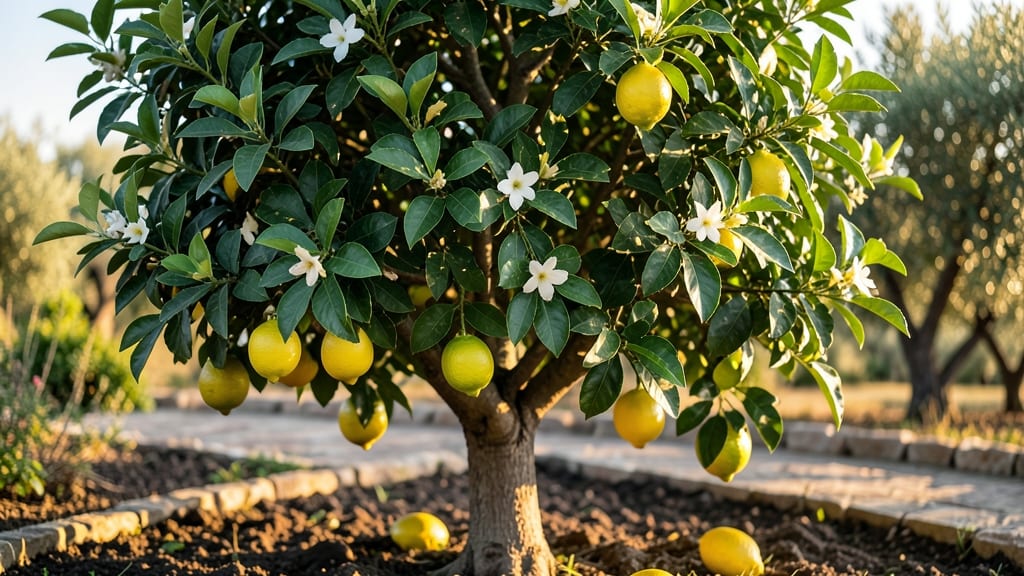
Lemon leaf margin burn shows up as brittle, brown or blackened edges on leaves, often paired with yellowing between the veins. This condition develops when excess salts or fertilizers dehydrate leaf cells, especially common in coastal regions or when using citrus-specific fertilizers too heavily.
This damage happens when salt buildup (like chloride or sodium from seawater spray or fertilizers) disrupts the plant's ability to absorb water, causing cellular dehydration. 🌊 Coastal lemon trees face extra risk because salt-laden winds accelerate the process, while over-fertilizing—especially with high-nitrogen blends—can worsen symptoms by overwhelming the roots.
The key difference from other citrus issues is the edge-specific browning, which sets it apart from general yellowing or nutrient deficiencies like iron chlorosis. If you notice this pattern, act fast: flushing the soil with rainwater and adjusting your fertilizer schedule can often reverse the damage before it spreads.
💡 In This Article
- What Causes Lemon Tree Leaf Margin Scorch?
- Step-by-Step Fixes for Lemon Leaf Burn Damage
What causes lemon tree leaf margin scorch?
The science behind lemon leaf margin scorch starts with osmotic stress—when excess salts (chloride, sodium, or magnesium) accumulate in the soil, they create a hypertonic environment around the roots.
This forces water to rush out of leaf cells through a process called plasmolysis, where the cell membrane shrinks away from the cell wall.
The edges of leaves are particularly vulnerable because they have fewer protective wax layers than the center, making them dry out faster when water absorption fails.
Coastal winds play a major role by depositing salt spray onto leaves, which then evaporates and leaves behind crystalline deposits. These deposits act like tiny salt shakers on your plant's skin, further dehydrating cells. 🌊 The damage often appears first on older leaves because they've absorbed more salts over time.
Unlike iron chlorosis (which causes yellowing between veins) or nitrogen deficiency (which leads to pale, weak growth), margin scorch specifically targets the leaf edges with crispy, brown tissue that feels papery to the touch—almost like touching a sunburnt human skin.
Another critical factor is pH imbalance. Citrus trees prefer slightly acidic soil (pH 6.0-7.0), but salt buildup can push pH toward alkalinity (7.5+), locking out essential nutrients like iron and manganese. When these nutrients become unavailable, even healthy-looking leaves can't maintain their cellular integrity, accelerating the scorch.
Think of it like a car running out of oil—everything starts breaking down from the outside in. The most common culprits are over-fertilizing with citrus-specific blends (which often contain high chloride) or using tap water with high mineral content for irrigation.
What makes this condition particularly insidious is how quickly it spreads. Once salt accumulates in the root zone, it creates a vicious cycle: the plant struggles to absorb water, leaves wilt slightly, and more salts get pulled upward through the transpiration stream.
Within weeks, you might see entire branches showing symptoms if the problem isn't addressed. The key difference from other citrus issues is that margin scorch doesn't typically cause leaf drop—it's more about the gradual dehydration and death of leaf edges rather than systemic decline.
Interestingly, this isn't just a coastal problem. Indoor lemon trees in pots can suffer the same fate if you're using hard water (with high calcium/magnesium) for watering or if your fertilizer has a chloride content above 100 ppm.
The solution often involves more than just adjusting your fertilizer—you'll need to consider your entire water quality and growing environment. 💧 For example, I've seen organic citrus growers switch to rainwater collection systems entirely when their tap water was causing persistent margin burn, even though they lived 50 miles inland.
One fascinating comparison is how margin scorch affects different citrus varieties. Meyer lemons, for instance, tend to show symptoms more dramatically than Eureka lemons because their thinner leaves can't handle salt stress as well. This genetic variation means your prevention strategies might need to be more aggressive for certain cultivars.
The good news is that once you understand the root cause (literally and figuratively), you can implement targeted fixes that often bring trees back to health within a growing season.