
Vegetables
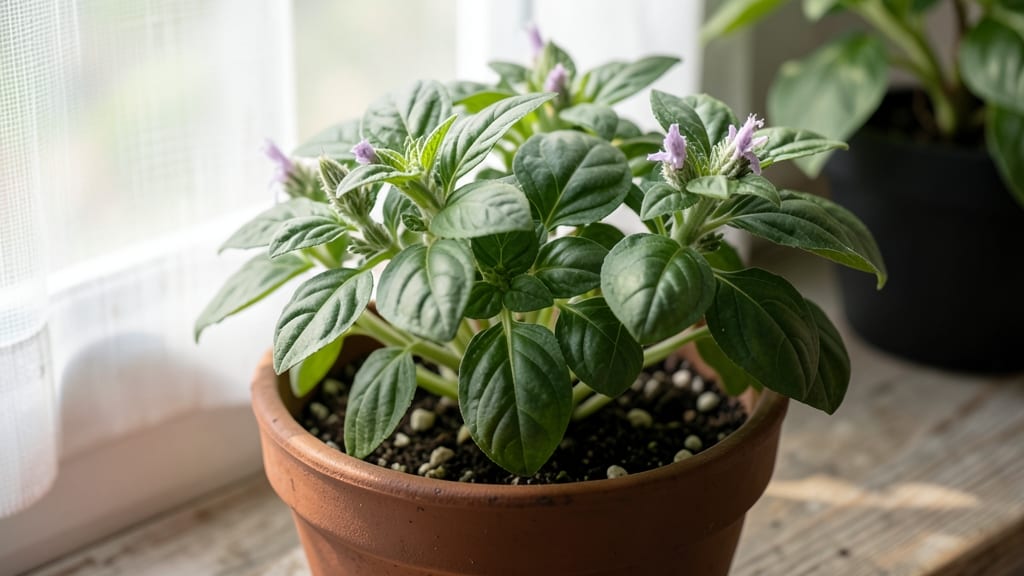
Growing lettuce leaf basil means fresh, tender leaves in just 30 days—perfect for sandwiches or garnishes. 🌱 I learned the hard way that this basil thrives where others fail: it’s heat-tolerant, bolt-resistant, and produces leaves like a machine.
The secret? It grows like a salad green, not a bushy herb, so it never gets woody or bitter.
You’ll need a sunny spot with at least 6 hours of light daily, well-draining soil, and a container or garden bed with space for its sprawling habit. Unlike traditional basil, this variety doesn’t need pinching to stay compact—it just keeps producing soft, sweet leaves all season.
Water when the top inch feels dry, but avoid soggy soil to prevent yellowing.
By week 4, you’ll be harvesting cupfuls of leaves for salads, sandwiches, or pesto. The flavor is milder and sweeter than Genovese basil, with a texture almost like baby spinach. Prune regularly to encourage more growth, and watch it fill your plate faster than you can imagine.
Works in pots, raised beds, or directly in the garden—just keep it warm and watered. Once you try it, you’ll never go back to store-bought herbs again.
📚 In This Guide
- What you need
- Instructions
- Tips and common mistakes
- Wrapping up and next steps
What you need
- ● Seeds: Lettuce leaf basil seeds (non-GMO preferred; ~50–100 seeds for a small harvest).
- ● Containers: 5–10-inch pots (with drainage holes) or
- ● A seed tray (10x20 inches) with cell inserts.
- ● Growing Medium: 2–3 cubic feet of well-draining potting mix (e.g., 60% peat/coir, 30% perlite, 10% compost).
- ● Watering Can: With a fine rose nozzle (to avoid disturbing seeds).
- ● Fertilizer: Balanced liquid fertilizer (5-5-5 or 10-10-10, diluted to half-strength).
- ● Hand Trowel: For transplanting seedlings.
- ● Spray Bottle: For gentle seedling hydration.
- ○ Grow Lights (Optional): LED full-spectrum bulbs (12–16 hours/day if indoors).
- ○ Mulch (Optional): Straw or shredded leaves to retain moisture.
- ● Pruning Shears: For harvesting leaves without damaging the plant.
Step-by-step instructions for growing lettuce leaf basil
Here's how to grow this speedy, flavorful variety in just 30 days—no waiting around!
🌱 Step 1: Start Seeds Indoors or Buy Transplants
Lettuce leaf basil grows fast, so you can either sow seeds indoors 4-6 weeks before your last frost or buy transplants from a nursery. I like starting seeds because they're often cheaper and more flavorful. Use biodegradable pots (like peat or coconut fiber) that are 2-3 inches deep—this prevents root disturbance when transplanting.
Fill your pots with sterile seed-starting mix (not garden soil) and moisten it until damp but not soggy. Plant 2-3 seeds per pot at a depth of ¼ inch, then lightly cover with more mix. Mist the surface gently with water—this keeps seeds from drying out while they germinate. Place the pots in a warm spot (70-75°F) and cover them with plastic wrap to retain moisture.
💧 Step 2: Provide Warmth and Light for Germination
Germination usually takes 5-10 days at the right temperature. Keep the soil consistently moist but never waterlogged—you'll see the first tiny sprouts when the soil surface feels damp to the touch. Once they emerge, remove the plastic wrap immediately to prevent fungal issues.
Move the seedlings to a bright, sunny spot right away. A south-facing window works, but if your space is dim, add a grow light positioned 2-4 inches above the plants. Basil needs 12-14 hours of light daily to grow strong and compact. You'll know it's getting enough light when the seedlings stand upright with deep green leaves and no leggy stretching.
☀️ Step 3: Harden Off and Transplant Outdoors
When seedlings have 3-4 true leaves (not just the initial seed leaves), it's time to harden them off. Place the pots outside in a shaded, sheltered spot for 1-2 hours the first day, then gradually increase their time outdoors over 5-7 days. This helps them adjust to wind, sun, and temperature changes without shock.
Transplant outdoors after the last frost when soil temperatures are at least 50°F. Choose a spot with partial shade in hot climates or morning sun in cooler areas—too much direct sun can cause the leaves to bolt. Space plants 8-12 inches apart to give them room to grow. Water deeply after transplanting to help roots establish.
🌿 Step 4: Maintain and Harvest for Continuous Growth
Keep the soil evenly moist but not soggy—lettuce leaf basil prefers 1 inch of water per week, either from rain or irrigation. Mulch around the base with 2-3 inches of organic mulch (like straw or shredded leaves) to retain moisture and suppress weeds. You'll know the plants are happy when they produce bright green, tender leaves with a strong anise-like scent.
Harvest leaves as soon as they reach 2-3 inches long by snipping them just above a leaf node. This encourages bushier growth and prevents the plant from flowering too quickly. For a continuous harvest, pick outer leaves first and avoid cutting into the center stem. With proper care, you'll get multiple harvests in 30 days—perfect for fresh salads, pestos, or garnishes!
Tips & tricks for perfect lettuce leaf basil
Lettuce leaf basil thrives when you pay attention to these simple but game-changing details.
Seed Starting: I learned this the hard way—don't skip the biodegradable pots! Regular plastic pots can damage delicate roots when transplanting. I use coconut fiber pots because they break down completely in the soil, giving your basil seedlings a perfect transition.
Light Requirements: Those 12-14 hours of daily light are non-negotiable for compact growth. If your seedlings start stretching toward the light (called "legginess"), they're not getting enough. Move them closer to your grow light or window immediately—you can even rotate the pots daily for even growth.
Harden Off Gradually: The 1-2 hour outdoor exposure on day one might seem short, but it's crucial. I've seen seedlings go into shock when moved too quickly. Increase their time outside by 30-60 minutes each day—watch for wilting, which means they're adjusting too fast. A shady spot with gentle breezes helps them toughen up naturally.
Harvesting Technique: Always snip leaves just above a leaf node (where new leaves grow). This encourages bushier growth and keeps your plants producing for that full 30 days. I use clean, sharp scissors to avoid crushing stems, and I never take more than 1/3 of the plant at once—this prevents stress.
Pro Tips for Lettuce Leaf Basil
- Lettuce leaf basil thrives when you pay attention to these simple but game-changing details.
- Seed Starting: I learned this the hard way—don't skip the biodegradable pots! Regular plastic pots can damage delicat...
- Light Requirements: Those 12-14 hours of daily light are non-negotiable for compact growth. If your seedlings start s...
Frequently asked questions
Got questions about growing lettuce leaf basil? You’re not alone!
Here are answers to the most common queries to help you cultivate this fast-growing, flavor-packed herb like a pro.
How often should I harvest lettuce leaf basil to keep it growing?
Harvest lettuce leaf basil every 2–3 weeks by snipping the outer leaves or the top 2–3 inches. Avoid taking more than one-third of the plant at once to encourage bushier regrowth. Pinch back flowering stems immediately to redirect energy to leaf production!
Can I grow lettuce leaf basil indoors without sunlight?
Yes! Place your pot near a south-facing window or under grow lights (12–16 hours/day). If natural light is weak, supplement with LED bulbs to prevent leggy growth. Rotate the pot weekly for even exposure.
What’s the best way to use lettuce leaf basil in cooking?
Its tender, sweet leaves are perfect for salads, pesto, sandwiches, and garnishes. Unlike traditional basil, lettuce leaf basil holds up well when lightly wilted in dressings or blended raw. Try it in caprese skewers or as a pizza topping!
Why are my basil leaves turning yellow or curling?
Yellowing often signals overwatering (check soil moisture!) or pests like aphids. Curling may mean heat stress (provide afternoon shade) or fungal issues (improve airflow). Spray leaves with neem oil if pests appear.
What’s a good alternative if I can’t find lettuce leaf basil?
Swap it for genovese basil (similar flavor, larger leaves) or thai basil (spicier, anise notes). For milder options, try red lettuce leaves or spinach in salads—but neither will replicate its delicate basil taste!
Wrapping up and next steps
Growing lettuce leaf basil is a rewarding journey that delivers fresh, aromatic leaves in just 30 days—perfect for busy gardeners or urban growers! 🌱 With minimal space and effort, you’ll enjoy a bountiful harvest for salads, teas, or pest-repelling pots.
Whether you’re a beginner or a seasoned gardener, this fast-growing herb proves that great things come in small packages.
Ready to dive in? Start your seeds today and savor the satisfaction of homegrown basil in no time! For extra tips, experiment with companion planting or share your progress with fellow gardeners—happy growing! 🌿