
Pests and Diseases
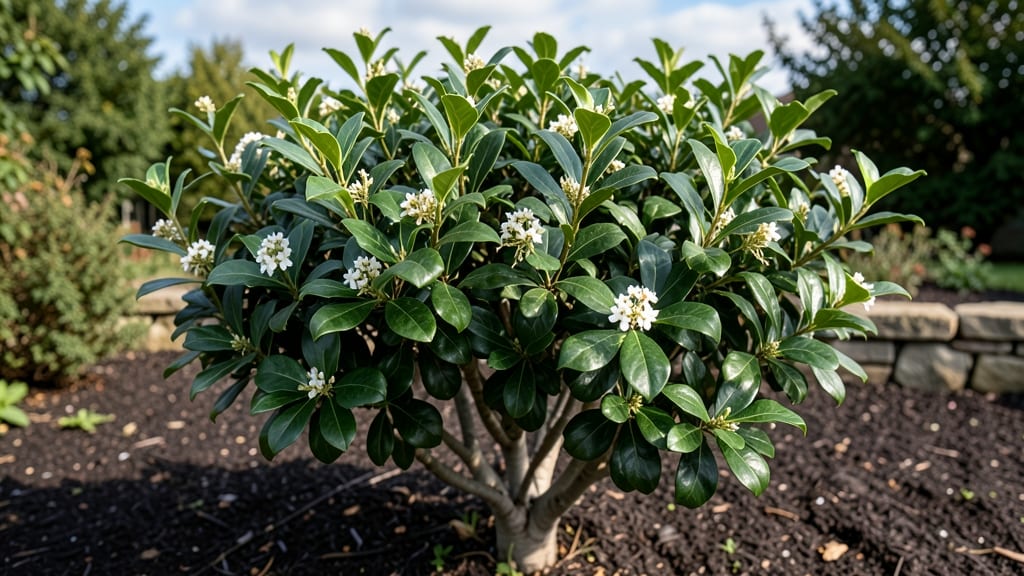
The ligustrum wavy leaf shrub is my go-to for a lush, frost-proof privacy screen that stays stunning all year. 🌿 This glossy-leaved beauty thrives in tough conditions, handling winter freezes and summer heat with ease while keeping its signature wavy foliage that turns golden in fall.
Plant it where it gets partial shade to full sun—morning light prevents leaf scorch, while afternoon shade keeps it vibrant in hot climates. Well-draining soil is key, but it’s forgiving if you amend heavy clay with compost.
Water deeply once established, but never let it sit soggy—root rot is the only real enemy. The real magic happens in seasonal pruning: shape it in late winter for dense growth, and trim back any leggy branches in early spring.
A light shearing after flowering keeps the wavy leaves looking crisp. With proper care, this shrub grows 8-12 feet tall, creating a dense, evergreen barrier that’s nearly maintenance-free. Common challenges? Brown tips mean underwatering, while yellowing leaves signal overwatering.
A balanced fertilizer in spring jumpstarts growth, and occasional pest checks (aphids love new shoots) keep it thriving. Once established, it’s the ultimate low-fuss, high-impact shrub for any yard.
📚 In This Guide
- What you need
- Instructions
- Tips and common mistakes
- Wrapping up and next steps
What you need
- ● Ligustrum wavy leaf plants: 3–5 nursery-grown shrubs (spaced 3–4 feet apart for optimal growth). Choose healthy, disease-free specimens with vibrant green, wavy-edged foliage.
- ● Well-draining soil: A mix of native soil, compost (20–30%), and perlite or sand (10–15%) for improved aeration. Aim for a pH of 6.0–7.5.
- ● Organic mulch: 2–3 inches of shredded bark, wood chips, or pine straw to retain moisture and suppress weeds.
- ● Slow-release fertilizer: A balanced, 10-10-10 or 20-20-20 formula to promote lush growth (apply in early spring).
- ● Watering supplies: A garden hose with a soaker nozzle or drip irrigation system for deep, consistent watering.
- ● Hand trowel or spade: For digging planting holes (12–18 inches wide and deep).
- ● Garden gloves: To protect your hands while handling soil and plants.
- ● Pruning shears: Sharp, bypass-pruners for shaping and maintaining the shrub.
- ● Measuring tape: To ensure proper spacing between plants (3–4 feet apart).
- ○ Optional: Soil test kit: To check pH and nutrient levels before planting.
- ● Epsom salt: For magnesium boosts (1 tablespoon per plant annually).
- ● Frost cloth: For young plants in early spring or late fall (if temperatures dip below 15°F).
Step-by-Step instructions for planting Ligustrum wavy leaf as a privacy screen
This hardy shrub thrives with minimal fuss—here’s how to plant it for a dense, frost-resistant screen.
🌱 Step 1: Choose the Right Location and Dig Holes
Select a site with full sun to partial shade—this variety tolerates both but grows fullest in morning sun and afternoon shade. Mark your planting spots 6-8 feet apart for a tight, lush screen. The spacing ensures roots expand without competing, which is key for winter resilience.
Dig holes twice as wide and deep as the root ball. Loosen the soil at the bottom with a garden fork—this prevents root circling and encourages outward growth. If your soil drains poorly, mix in 2-3 inches of compost into the hole to improve aeration. I always check drainage by filling the hole with water; if it doesn’t drain within 30 minutes, I add more compost or sand.
🪴 Step 2: Plant and Water Deeply for Strong Root Establishment
Remove the shrub from its container and gently tease apart any tangled roots. Place it in the hole so the top of the root ball sits level with the surrounding soil. Backfill with native soil, tamping lightly every 2 inches to eliminate air pockets. Pressing too hard can compact soil and suffocate roots, but a firm pat ensures stability.
Water immediately with 5 gallons per plant to settle the soil and encourage root spread. The soil should feel damp 6 inches deep—stick your finger in to check. Mulch the base with 2-3 inches of shredded bark or wood chips, keeping it 3 inches away from the trunk—this conserves moisture and insulates roots during winter.
☀️ Step 3: Prune for Shape and Encourage Bushiness
Prune lightly after planting to remove any damaged branches or those growing inward. Use clean, sharp pruners to make cuts at a 45-degree angle just above a leaf node—this encourages outward growth. Ligustrum responds well to pruning, so you can shape it as it grows, but avoid heavy cuts in the first year.
In early spring, trim back any leggy growth to 1/3 of its length—this stimulates denser foliage. The wavy leaf variety holds its shape beautifully, but a light annual prune keeps it compact. Watch for new growth at the tips; if you see soft green shoots—those are your signal to prune just above them.
⏰ Step 4: Maintain Through Seasons for Year-Round Privacy
Water deeply once a week—more in extreme heat or drought—until the shrub establishes roots (1-2 years—you’ll know it’s settled when leaves stay vibrant even in dry spells). Fertilize in early spring with a balanced 10-10-10 formula—this supports steady growth without encouraging weak, floppy stems.
In late fall, apply a 3-inch layer of mulch—this protects roots from freeze-thaw cycles. Ligustrum handles frost beautifully, but the mulch acts as an insulator. By mid-spring, you’ll see fresh growth—prune again to maintain your desired height and shape, and your screen will fill in lushly by summer.
Tips & tricks for planting Ligustrum wavy leaf shrubs
Real talk: Ligustrum thrives when you respect its natural growth habits—here’s how to avoid the rookie mistakes that sabotage even the hardiest shrubs.
Soil Prep Secret: Before digging your holes, test the soil’s moisture retention by filling the hole with water and checking if it drains within the 30-minute window mentioned in Step 1. If water pools, amend with a 50/50 mix of native soil and coarse sand to prevent root rot. I’ve seen too many Ligustrums fail because their roots suffocated in compacted, waterlogged soil—don’t let that be you.
The Planting Depth Detail: When positioning your shrub in Step 2, use a level to ensure the root flare (where roots meet stem) sits just above the soil line. Burying too deep can strangle the plant, while planting too high risks exposure and stress. Think of it like a goldilocks zone—just right, not too high, not too low.
Mulching Mastery: That 2-3 inch layer of mulch in Step 2 isn’t just decorative—it’s your winter insulation blanket. Apply it right after planting, but keep it 3 inches away from the trunk to prevent moisture buildup that invites disease. For extra frost protection in harsh winters, top with a 1-inch layer of straw mulch after the initial application.
Pruning Precision: When you trim back leggy growth to 1/3 its length in Step 3, focus on cuts just above a leaf node where new growth emerges. Avoid "heading back" (cutting into old wood)—this stimulates bushier growth but can weaken the plant if overdone. I’ve found Ligustrum responds best to gradual shaping rather than dramatic haircuts.
Pro Tips for Ligustrum Wavy Leaf
- Real talk: Ligustrum thrives when you respect its natural growth habits—here’s how to avoid the rookie mistakes that sabotage even the hardiest shrubs.
- Soil Prep Secret: Before digging your holes, test the soil’s moisture retention by filling the hole with water and checking if it drains within the 30-minute window mentioned in Step 1.
- The Planting Depth Detail: When positioning your shrub in Step 2, use a level to ensure the root flare (where roots meet stem) sits just above the soil line.
Frequently asked questions
Got questions about Ligustrum Wavy Leaf? You’re not alone! Here are answers to the most common queries—from care tips to troubleshooting—so you can keep your privacy screen thriving all year.
How cold can Ligustrum Wavy Leaf tolerate?
This shrub is highly frost-resistant and thrives in USDA Zones 5-9. It can handle temperatures down to -15°F (-26°C), making it perfect for northern climates. Just avoid late spring frosts when buds are forming for best results!
When is the best time to prune Ligustrum Wavy Leaf?
Prune late winter or early spring (before new growth starts) to shape your privacy screen. For light trimming, you can also do it in summer after flowering. Avoid heavy pruning in fall—it may stimulate tender new growth that won’t survive winter.
What pests or diseases commonly affect Ligustrum Wavy Leaf?
While tough, it can attract aphids, spider mites, or scale insects. Treat with neem oil or insecticidal soap if spotted. Fungal issues like powdery mildew may appear in humid climates—improve airflow and avoid overhead watering to prevent problems.
Can Ligustrum Wavy Leaf grow in full shade?
It prefers full sun to partial shade (4-6 hours of sunlight daily) for optimal growth and dense foliage. In full shade, expect slower growth and less vibrant leaves. If shading is unavoidable, choose a sunnier spot for the best privacy screen results.
How fast does Ligustrum Wavy Leaf grow?
This shrub grows moderately fast—about 12-24 inches per year under ideal conditions. With proper care, it can reach 10-15 feet tall and wide in 5-7 years, making it a quick solution for privacy screens compared to slower-growing options.
Are there alternatives if Ligustrum Wavy Leaf doesn’t thrive in my area?
Yes! Consider Evergreen Privet (Ligustrum japonicum) for frostier climates or Boxwood (Buxus) for denser hedges. For low-maintenance options, Arborvitae (Thuja) or Cherry Laurel (Prunus laurocerasus) are great substitutes with similar year-round appeal.
Wrapping up and next steps
Transforming your outdoor space with a ligustrum wavy leaf shrub isn’t just about aesthetics—it’s about creating a low-maintenance, frost-resistant privacy screen that thrives year-round. 🌿 Whether you're tackling pests, diseases, or simply optimizing care, the key lies in proactive monitoring, proper pruning, and smart soil choices.
With the right tools and knowledge, your shrub will flourish, offering lush greenery and peace of mind.
Ready to take the next step? Start by inspecting your shrubs weekly—early action is your best defense! Need more help? Bookmark this guide or explore seasonal care tips tailored to your climate. Your dream privacy screen is just a few steps away! ✨