
Leaf Blower
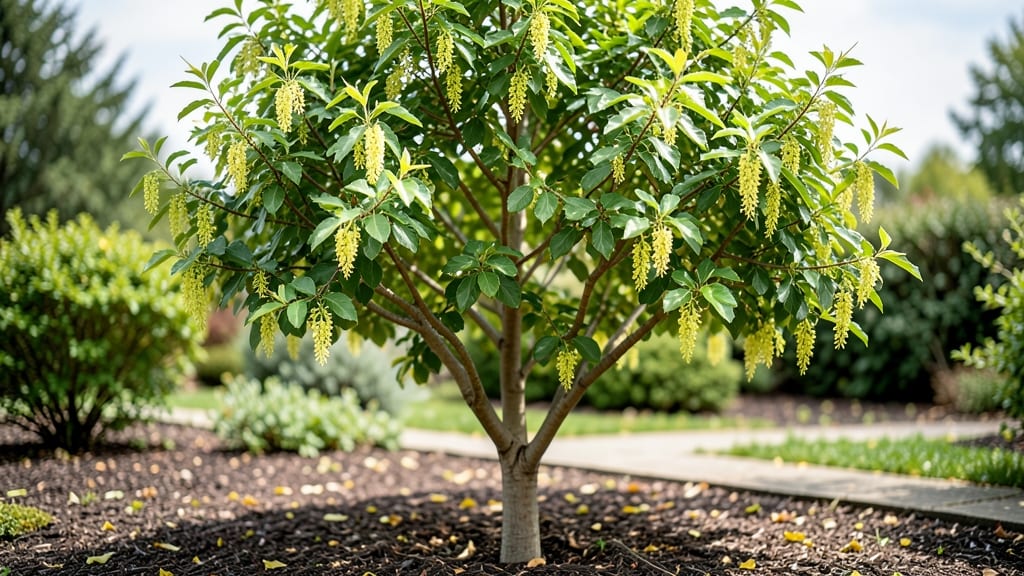
Your linden tree’s little leaf linden tree leaves aren’t just a quirky look—they’re a cry for help. 🌿 Whether it’s drought, pests, or poor soil, small leaves mean your tree’s struggling to thrive, and ignoring it could cost you that dream privacy screen.
The good news? Most causes have simple fixes, from adjusting watering to a targeted spray for spider mites.
Start by checking the soil—dry or compacted ground stresses roots, shrinking leaves. Look for webbing or speckled leaves (spider mites) or black spots (fungus). A quick soil test reveals nutrient gaps, and pruning just the worst branches can restore balance.
Early action turns "problem tree" into "showstopper screen" in just weeks.
📚 In This Guide
- What you need
- Instructions
- Tips and common mistakes
- Wrapping up and next steps
What you need
- ● Little Leaf Linden Trees (Tilia cordata): 3–5 bare-root or container-grown saplings (spaced 15–20 ft apart for full coverage)
- ● Size: 4–6 ft tall (ideal for quick privacy)
- ● Soil Amendments: 5 lbs of compost or well-rotted manure per planting hole
- ● 1 cup of slow-release fertilizer (10-10-10 ratio) per tree
- ● Mulch: 2–3 inches of wood chips or shredded bark (cover the root zone, leaving 6 inches from the trunk)
- ● Digging Tools: Shovel (for planting holes)
- ● Garden trowel (for root adjustments)
- ● Measuring & Marking: Tape measure
- ● Stakes & twine (to outline spacing)
- ● Watering Supplies: Garden hose with adjustable nozzle
- ● Watering can (for delicate root areas)
- ● Tree guards (to protect young trunks from critters)
- ● Erosion control fabric (for sloped or sandy soil)
- ● Leaf blower (for post-planting cleanup—because little leaf linden leaves are plentiful!)
- ● Pruning shears (for shaping, though lindens are naturally low-maintenance!)
Step-by-step guide to planting and maintaining little leaf linden trees for privacy
Here's how to create a lush, low-maintenance privacy screen that stays green year-round.
🌱 Step 1: Choose and Prepare Planting Locations
Little Leaf Linden trees thrive in full sun to partial shade, making them perfect for privacy screens along property lines or near windows. Space 4 trees 15-20 feet apart in a row to ensure full coverage within 5-7 years. Dig holes twice as wide and just as deep as the root ball—this prevents root circling and encourages outward growth.
Amend the native soil with 2-3 inches of compost mixed into the bottom of each hole. Linden trees tolerate a variety of soil types but grow best in well-draining, slightly acidic soil (pH 6.0-7.0). If your soil is heavy clay, add a handful of sand or perlite to improve drainage. Water the hole thoroughly before planting to settle the soil and remove air pockets.
🪴 Step 2: Plant Trees Properly for Strong Growth
Remove the tree from its container and gently loosen the roots if they’re circling. Place the tree in the hole so the top of the root ball sits 1-2 inches above ground level—this prevents water from pooling around the trunk and causing rot. Backfill the hole with native soil, tamping lightly every 6 inches to eliminate air gaps.
Form a 2-inch-high berm around the outer edge of the hole to direct water toward the roots. Water deeply right after planting to help settle the soil and eliminate air pockets. Mulch with 2-3 inches of organic mulch (like wood chips) in a 3-foot-wide circle, keeping it 6 inches away from the trunk to prevent moisture buildup and disease.
☀️ Step 3: Water and Fertilize for Healthy Establishment
Water newly planted Linden trees once a week for the first month, providing 10-15 gallons per tree each time. After the first month, water every 10-14 days unless rainfall provides 1 inch of water. Overwatering is a common mistake—these trees are drought-tolerant once established, so let the soil dry out between waterings. Check moisture by digging 2 inches down; if it feels dry, it’s time to water.
Fertilize lightly in early spring with a balanced, slow-release fertilizer (10-10-10). Apply ½ pound per inch of trunk diameter around the drip line. Avoid high-nitrogen fertilizers, which promote leafy growth at the expense of root development. Linden trees are relatively low-maintenance, so skip fertilization in years with normal rainfall—too much nitrogen can lead to weak, disease-prone growth.
✂️ Step 4: Prune Strategically for Shape and Health
Little Leaf Lindens are prized for their minimal pruning needs, but a little maintenance keeps them dense and attractive. Prune in late winter or early spring before new growth begins. Remove dead, diseased, or crossing branches first, cutting back to the branch collar (the swollen area where the branch meets the trunk). Use clean, sharp pruners to make 45-degree cuts just outside the branch collar.
Avoid heavy pruning—these trees respond poorly to aggressive cuts. Instead, focus on thinning out the interior to improve airflow and reduce disease risk. You’ll see faster, fuller growth within a season if you limit pruning to no more than 25% of the canopy at a time. If a branch is too large to cut by hand, hire a professional arborist to avoid damaging the tree.
🌿 Step 5: Maintain Year-Round for Long-Term Privacy
Linden trees are deciduous but stay green longer than most, offering partial winter color in many climates. In Zone 4-8, they handle cold well but may drop leaves early in harsh winters. Protect young trees in Zone 4-5 with burlap wraps during extreme cold snaps. Mulch annually in late fall to insulate roots and retain moisture for spring growth.
Monitor for pests like spider mites or aphids, which occasionally target Lindens. Treat infestations early with horticultural oil or insecticidal soap—these trees rarely need chemical interventions if kept healthy. With proper spacing and care, your Little Leaf Linden screen will provide year-round privacy with minimal effort, maturing into a 20-30 foot tall, dense barrier within a decade.
Tips & tricks for perfect little leaf linden privacy screens
Here's what nobody tells you about getting your privacy screen right the first time.
Location is Everything: Pay extra attention to sunlight exposure when choosing your planting spots. While Little Leaf Lindens tolerate partial shade, they'll grow most vigorously in full sun—this means thicker foliage and faster coverage. If your property has areas with afternoon shade, consider planting a few extra trees to compensate. I always recommend testing sunlight patterns for at least a week before planting to avoid surprises.
Root Ball Prep: Before planting, soak the root ball in water for 15-20 minutes to ensure it's thoroughly hydrated. This step is especially important if you're planting during dry weather or in areas with poor soil drainage. The goal is to eliminate any air pockets around the roots that could prevent proper water uptake. Don't skip this—it makes all the difference in early establishment.
Mulching Matters: That 2-3 inches of organic mulch isn't just decorative—it's a critical part of your tree's health. Spread it in a wide circle (3 feet) but keep it 6 inches away from the trunk to prevent moisture buildup that can cause rot. I've seen many gardeners make the mistake of piling mulch right against the trunk, which can actually harm the tree. Also, refresh your mulch annually to maintain its protective layer.
Watering Wisdom: The first month is critical for your trees' survival. When you water those 10-15 gallons per tree, make sure it goes deep—aim for the entire root zone, not just the surface. I like to use a garden hose with a gentle spray attachment to avoid disturbing the soil. After the first month, let the soil dry out between waterings, but always check that 2-inch depth before deciding whether to water again.
Pro Tips for Little Leaf Linden Tree Leaves
- Here's what nobody tells you about getting your privacy screen right the first time.
- Location is Everything: Pay extra attention to sunlight exposure when choosing your planting spots.
- Root Ball Prep: Before planting, soak the root ball in water for 15-20 minutes to ensure it's thoroughly hydrated.
Frequently asked questions
Got questions about little leaf linden tree leaves and their role in your privacy screen? Here are some common ones—and answers to help you make the best decisions for your yard!
How fast do little leaf linden trees grow, and when will I see privacy?
Little leaf lindens grow fast—about 3 to 5 feet per year! With proper care, you can expect a dense privacy screen in 3 to 5 years. Their rapid growth means less waiting time compared to slower-growing trees like oaks or maples.
Do little leaf linden leaves turn yellow or drop early? What’s the deal?
Yes, their leaves do yellow and drop in late summer or early fall—this is normal! Unlike evergreens, lindens are deciduous, so they shed leaves seasonally. Don’t worry; they’ll regrow fresh foliage in spring. Pro tip: Rake up leaves to prevent pests or fungal growth.
Can I plant little leaf lindens in full shade? Will they still thrive?
These trees prefer full sun (6+ hours daily) for best growth, but they can tolerate partial shade. In shady spots, expect slower growth and sparser foliage. If privacy is your goal, plant them where they’ll get the most sunlight possible!
Are little leaf lindens messy? Do they need constant pruning?
One of their biggest perks is low maintenance! While they drop leaves seasonally, they rarely need pruning. Unlike trees with thorns or aggressive branches, lindens stay tidy with minimal effort. Just remove dead wood occasionally to keep them healthy.
What’s a good alternative if I don’t like the seasonal leaf drop?
If you prefer year-round greenery, consider evergreens like leucothoe or arborvitae. However, little leaf lindens offer fast, dense privacy with far less upkeep. For a balance, mix lindens with evergreens for a layered, low-maintenance screen!
Wrapping up and next steps
The little leaf linden tree is a game-changer for anyone craving a low-maintenance, lush privacy screen that thrives year-round—without the endless pruning! 🌿 Its compact size, fast growth, and stunning foliage make it a standout choice for gardens, yards, or even urban landscapes.
Whether you’re a busy homeowner or a nature enthusiast, this tree delivers beauty and practicality with minimal effort.
Ready to transform your outdoor space? Start by researching local nurseries or checking soil conditions in your area—then plant your little leaf linden and enjoy the rewards for years to come! 🌱