
Blooming
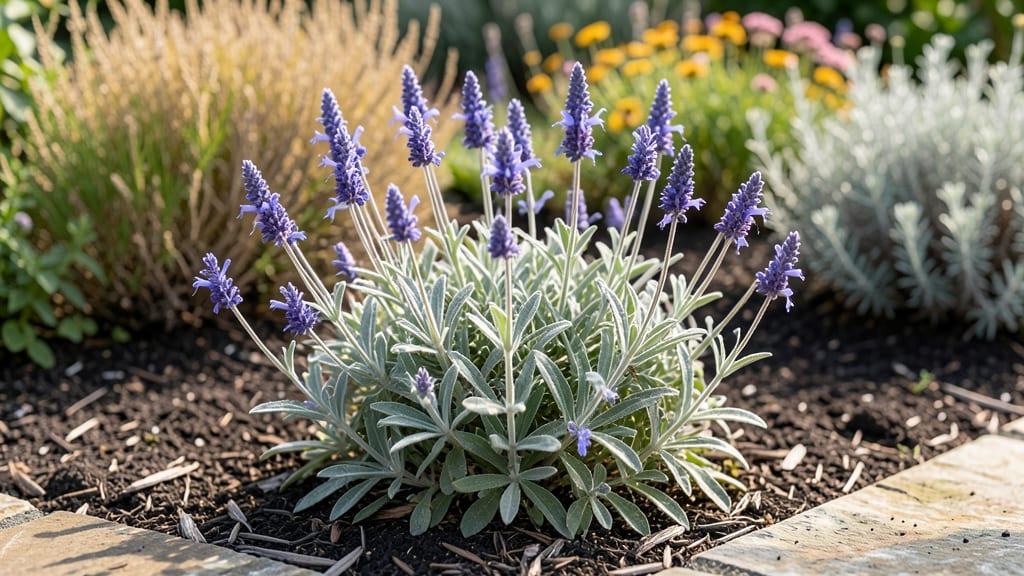
Long leaf speedwell transforms shady corners into fragrant purple clouds. 🌿 I first fell for this plant when it bloomed under my oak tree—soft spikes of lavender flowers that lasted from early summer until frost.
The key to growing it successfully lies in understanding its love for dappled light and well-draining soil.
This European native thrives in partial shade, tolerating morning sun but preferring afternoon shade—ideal for borders, woodland gardens, or even as a container plant on patios.
Plant it in moist but well-drained soil with a slightly alkaline pH, and you'll see those signature upright flower spikes emerge within 6-8 weeks of planting. It's a pollinator magnet, attracting bees and butterflies that can't resist its nectar.
Once established, long leaf speedwell is nearly maintenance-free. A light trim after flowering keeps it tidy, and dividing clumps every 3-4 years prevents overcrowding.
The fragrance alone makes it worth growing—just brush past the foliage on a warm afternoon to experience why gardeners call it "the quiet beauty of shade gardens."
Perfect for USDA zones 3-8, it handles both heat and cold with equal grace, though it may need winter mulch in colder climates. The only real challenge is avoiding powdery mildew—space plants properly and ensure good air circulation to keep them healthy.
With this guide, you'll have fragrant purple blooms that outshine most shade plants.**
📚 In This Guide
- What you need
- Instructions
- Tips and common mistakes
- Wrapping up and next steps
What you need
- ● Seeds or nursery-grown plants: 1–5 packets of Veronica longifolia seeds (or 3–5 young plants for faster results).
- ● Pro tip: 💡 Opt for organic, non-GMO seeds for best performance!
- ● Soil: Well-draining, moist but not soggy garden soil (pH 6.0–7.5).
- ○ Optional: Compost (1 part per 3 parts soil) for nutrient-rich planting.
- ● Location: Partial shade (3–6 hours of sunlight daily).
- ● Sheltered spot (protection from strong winds).
- ● Hand trowel or small spade.
- ● Garden gloves (for comfort).
- ● Watering can or hose with a gentle spray nozzle.
- ○ Optional but helpful: Mulch (to retain moisture and suppress weeds).
- ● Fertilizer (balanced 10-10-10 or slow-release organic option).
- ● Stakes or small cages (if plants need support as they grow).
Step-by-step guide to cultivating long leaf speedwell
Here's how to grow these fragrant, shade-tolerant beauties with minimal fuss—perfect for woodland gardens or understory plantings.
🌱 Step 1: Select and Prepare the Planting Site
Long leaf speedwell thrives in partial shade to full shade with dappled sunlight—think under deciduous trees where morning sun reaches the ground. Test your site's moisture: speedwell prefers well-draining, humus-rich soil with consistent moisture but no sogginess. If your soil is heavy clay, amend with 3-4 inches of compost mixed into the top 12 inches of soil.
I like to mark the planting area with stakes to visualize the 12-18 inch spacing between plants. This spacing ensures airflow and prevents fungal issues. If planting in containers, choose 5-7 inch pots with drainage holes—speedwell tolerates root confinement better than many perennials.
🌿 Step 2: Plant at the Right Depth and Time
Spring or early fall are ideal planting times. Dig holes twice as wide as the root ball but only as deep—speedwell roots should sit at the same level as they were in the nursery container. Gently loosen the roots if they're circling before placing them in the hole.
Backfill with native soil mixed with a handful of compost to encourage root establishment. Water deeply until the soil 1 inch below the surface feels uniformly moist. Mulch with 2-3 inches of shredded bark or leaf litter to retain moisture and suppress weeds—this is critical in hotter months when speedwell's shallow roots dry out quickly.
☀️ Step 3: Maintain Moisture and Light Conditions
Water 2-3 times per week during the first growing season, aiming for 1 inch of water per week. You'll know it's enough when the top 2 inches of soil stay consistently moist but not waterlogged. After establishment, speedwell becomes drought-tolerant, but wilting leaves signal it's time to water.
Monitor light exposure—if leaves yellow or stems stretch toward the light, your site has too much sun. Speedwell's deep purple blooms and fragrant foliage are your cues that conditions are perfect. Fertilize lightly in spring with a balanced 10-10-10 formula at half strength to avoid overstimulating growth.
✂️ Step 4: Prune and Divide for Long-Term Health
Deadhead spent blooms in early summer to encourage a second flush of flowers. I use clean, sharp scissors to snip stems just above a set of leaves—this prevents disease and promotes bushier growth. Speedwell rarely needs heavy pruning, but if it flops over, trim back leggy stems by one-third in early spring.
Every 3-4 years, divide mature clumps in early spring. Dig up the plant, separate the roots into 3-4 inch sections with at least one healthy shoot per division, and replant immediately. This rejuvenates the plant and prevents overcrowding, which can lead to weaker blooms.
🪴 Step 5: Overwintering and Seasonal Care
Speedwell is hardy in USDA zones 4-8, but young plants benefit from a 2-3 inch layer of mulch in winter to protect roots from freeze-thaw cycles. In colder climates, I add a lightweight burlap wrap around the crown for extra insulation during harsh winters.
Spring is the time to assess and adjust. Remove any dead foliage but leave last year's stems—they provide winter interest and protect emerging shoots. If you notice powdery mildew (a white dusting on leaves), improve airflow by thinning nearby plants and avoid overhead watering.
Tips & tricks for perfect long leaf speedwell cultivation
Common pitfalls—and how to sidestep every one when growing these shade-loving beauties.
Site Selection Wisdom: Don't just assume "shade" means "no light"—speedwell thrives with dappled sunlight (think morning sun through trees). Test your site by observing where sunlight hits the ground at different times of day. I've seen speedwell struggle in dense shade where no light reaches, even though it's technically "shady." Look for areas where sunlight filters through leaves but doesn't bake the ground.
Soil Preparation Secret: The 3-4 inches of compost mixed into the top 12 inches of soil isn't just about nutrients—it's about creating the perfect moisture-retaining environment speedwell craves. For heavy clay soils, I recommend adding one part perlite or coarse sand to every three parts compost to improve drainage while maintaining moisture. This prevents the dreaded "soggy roots" that can lead to root rot.
Planting Depth Technique: When planting, focus on getting the roots at the exact same level they were in the container—not too deep, not too shallow. I use a small stick to mark the root flare (where roots meet stem) before digging, then reference it when backfilling. Too deep, and you'll smother the plant; too shallow, and roots dry out. The handful of compost mixed into backfill soil is your insurance policy for root establishment.
Watering Strategy: The 1 inch per week watering guideline is perfect, but timing matters just as much. Water in the early morning (before 9 AM) to prevent fungal issues from prolonged leaf wetness. I use a rain gauge or tuna can to measure exactly 1 inch—eyeballing often leads to overwatering. After establishment, let the top 2 inches of soil dry slightly between waterings to prevent root suffocation.
Pro Tips for Long Leaf Speedwell
- Common pitfalls—and how to sidestep every one when growing these shade-loving beauties.
- Site Selection Wisdom: Don't just assume "shade" means "no light"—speedwell thrives with dappled sunlight (think morn...
- Soil Preparation Secret: The 3-4 inches of compost mixed into the top 12 inches of soil isn't just about nutrients—it...
Frequently asked questions
When is the best time to plant Long Leaf Speedwell?
Plant Long Leaf Speedwell in early spring or early fall for optimal root establishment. Avoid extreme heat or frost, as young plants are sensitive. If you’re in a mild climate, late summer can work too—just keep soil consistently moist until roots settle.
Why aren’t my Long Leaf Speedwell flowers blooming?
Several factors could be at play: too much shade (they need partial shade, not deep shadow), over-fertilizing (stick to low-phosphorus fertilizer), or poor soil drainage. Ensure they get 4–6 hours of dappled light and well-draining soil. If established, they may bloom later in the season—patience pays off!
How often should I water Long Leaf Speedwell?
Keep soil evenly moist but not soggy, especially during the first growing season. Once established, they’re drought-tolerant but appreciate weekly watering in dry spells. Mulch around the base to retain moisture and suppress weeds. Yellowing leaves? That’s a sign of overwatering!
Can I grow Long Leaf Speedwell in containers?
Choose a container at least 12 inches deep with drainage holes and use a well-draining potting mix. Opt for terracotta or fabric pots to prevent root rot. Place in a spot with morning sun and afternoon shade, and water more frequently than in-ground plants.
Are Long Leaf Speedwell deer-resistant?
While somewhat deer-resistant, they’re not deer-proof. Deer may nibble if other food is scarce. To deter them, try companion planting with deer-resistant perennials (like lavender or Russian sage) or use physical barriers like fencing for young plants.
How do I divide Long Leaf Speedwell?
Divide clumps in early spring or fall when the plant is dormant. Dig up the root ball, separate into sections with 3–5 stems each, and replant immediately. Water thoroughly and avoid fertilizing for 4–6 weeks to reduce stress. Pro tip: Wear gloves—roots can be sharp!
Wrapping up and next steps
Long Leaf Speedwell (Veronica longifolia) brings effortless beauty to shaded gardens with its fragrant purple blooms and silvery foliage—perfect for adding texture and color without fuss. Whether you’re a seasoned gardener or just starting, its adaptability makes it a low-maintenance superstar for borders, containers, or pollinator-friendly spaces. 🌿
Ready to transform your garden? Grab your seeds or cuttings, pick a spot with dappled light, and watch this hardy plant reward you with months of blooms. Plant one today—your garden (and pollinators!) will thank you. 🌸