
Neem Oil
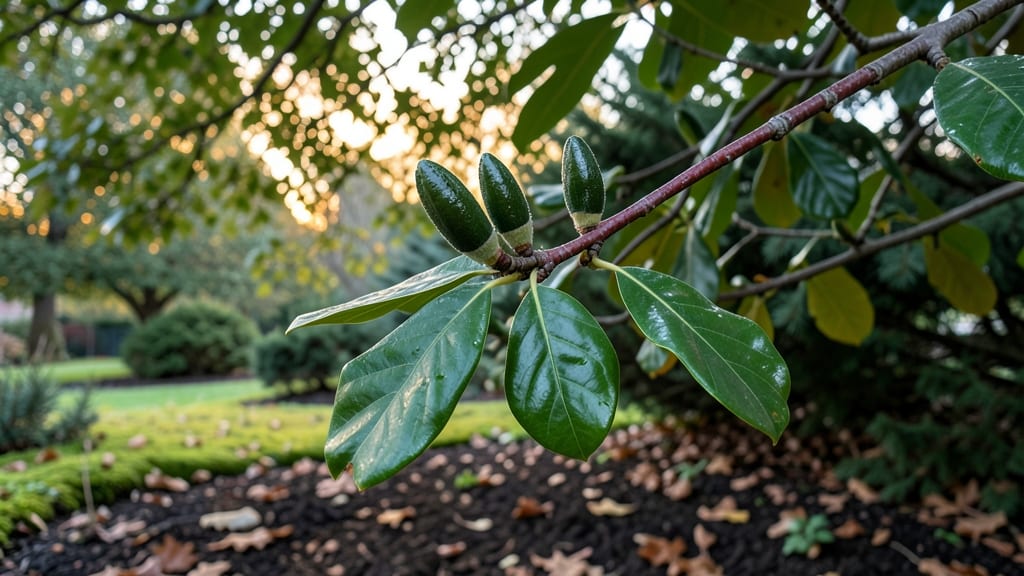
Those plump, coppery magnolia leaf buds are the secret to your tree's year-round fragrance and stunning spring blooms. 🌿 I've watched my Southern magnolia go from bare branches to a canopy of glossy leaves and fragrant white flowers—all because I learned to read and protect those little buds.
They're the tree's promise, and understanding them transforms how you care for your magnolia.
The buds form in late summer, then harden off through fall, becoming shockingly resilient against winter freezes. Healthy buds feel firm, not mushy, and their coppery color deepens as they mature.
Prune only in late winter when the threat of frost has passed—never touch those buds, as they're the tree's energy reserve for next year's growth.
When spring arrives, you'll see the buds swell and split open into those iconic magnolia blooms. The key is protecting them from late frosts, which can cause bud blight, and ensuring the tree gets enough water during dry spells.
A well-cared-for magnolia will reward you with decades of blooms and that intoxicating fragrance that lingers in the air.
For gardeners in colder zones, choose cold-hardy varieties like 'Little Gem' or 'Elizabeth'—they'll still produce those signature buds and fragrance even when temperatures dip below zero. The payoff? A tree that becomes the centerpiece of your landscape for generations.
📚 In This Guide
- What you need
- Instructions
- Tips and common mistakes
- Wrapping up and next steps
What you need
- ● Magnolia leaf buds (seeds or cuttings): Choose from Magnolia grandiflora (southern magnolia) or Magnolia stellata (star magnolia) for cold-hardy varieties.
- ● Well-draining potting mix: 10–15 lbs of a blend with perlite or sand (e.g., 60% peat moss, 30% compost, 10% perlite).
- ● Pot or container: 1–2 gallon size with drainage holes (or a nursery bed if planting outdoors).
- ● Pruning shears: Sharp, sterilized shears for cuttings or trimming.
- ○ Rooting hormone: Optional but recommended for cuttings (e.g., 1 oz powder or gel).
- ● Mulch: 2–3 inches of organic mulch (e.g., shredded bark or pine needles) for moisture retention.
- ● Gloves: Heavy-duty gardening gloves for handling thorns.
- ● Watering can or hose: With a gentle spray nozzle for hydration.
- ● pH test kit: To ensure soil pH is 5.0–6.5 (ideal for magnolias).
- ● Sunlight access: Full sun to partial shade (6+ hours/day).
- ● Cold-hardy location: USDA Zones 4–9 (or a greenhouse for colder climates).
- ● Slow-release fertilizer (e.g., 10-10-10 blend) for nutrient boosts.
- ● Spray bottle with diluted neem oil (to deter pests like aphids).
- ● Trellis or support stakes for young saplings.
- ● Humidity dome or plastic wrap for propagating cuttings.
Step-by-step guide to cultivating magnolia leaf buds
Here's how to nurture these fragrant perennials into a stunning, low-maintenance addition to your landscape.
🌱 Step 1: Select and Prepare the Planting Site
Magnolia leaf buds thrive in well-draining soil with partial shade to full sun—at least 6 hours of sunlight daily for optimal blooming. Choose a location with acidic soil (pH 5.0-6.5); if yours is alkaline, amend with 2-3 inches of peat moss or pine needles mixed into the top 12 inches of soil.
Dig a hole twice as wide as the root ball but only as deep. Loosen the roots gently if they're circling—they'll spread quickly once planted. Here's the thing—magnolias hate soggy feet, so if your yard drains poorly, mound native soil in the hole first to create a slight elevation.
☀️ Step 2: Plant and Establish the Buds
Place the root ball in the hole, backfill with native soil, and tamp lightly to remove air pockets. Water deeply right after planting—about 5 gallons—to settle the soil and encourage root contact. You'll see new growth within 4-6 weeks if conditions are right.
Mulch with 3-4 inches of organic mulch (like pine straw or shredded bark) to retain moisture and regulate soil temperature. Keep the mulch 4 inches away from the trunk to prevent rot. Water twice weekly for the first month, then taper to once weekly once established—soil should feel dry 2 inches down before watering again.
💧 Step 3: Maintain for Year-Round Fragrance
Fertilize lightly in early spring with a balanced, slow-release fertilizer (10-10-10) applied at half the recommended rate. Over-fertilizing leads to leafy growth at the expense of fragrant buds. Prune only to remove dead or crossing branches—never prune in late summer, as new growth won’t harden off before winter.
Watch for scale insects or powdery mildew on leaves. Spray with neem oil at the first sign of trouble—magnolias are tough but hate stress. In winter, protect young plants with burlap wraps if temperatures dip below 10°F, but mature plants handle cold beautifully.
✂️ Step 4: Harvest and Propagate Buds
Harvest buds in early spring (before blooming) for fragrance or culinary uses. Cut stems at a 45-degree angle just above a leaf node, leaving half the buds on the plant to ensure next year’s growth. Store harvested buds in a cool, dry place for up to 2 weeks—they’ll keep their scent longer if kept in a paper bag (not plastic).
To propagate, take 4-6 inch cuttings in late summer from healthy, non-flowering stems. Dip in rooting hormone, plant in a sandy soil mix, and cover with a plastic bag to retain humidity. Roots form in 8-12 weeks—keep the soil moist but not soggy. Transplant outdoors in spring once roots are established.
Tips & tricks for perfect magnolia leaf bud cultivation
These simple strategies will help you grow fragrant, thriving magnolia leaf buds that'll fill your garden with that signature sweet scent all year.
Soil Test First: Before amending your soil, test its pH level using a simple soil test kit. Magnolias absolutely hate alkaline soil, and even if you add peat moss, you'll waste time if the pH doesn't improve. Aim for that 5.0-6.5 range—if it's higher, consider using sulfur or aluminum sulfate to lower the pH gradually over time. I've seen plants struggle for years because we skipped this step!
Watering Wisdom: That 5-gallon deep watering after planting is non-negotiable—it helps settle the roots and prevents air pockets. But here's what nobody tells you: water in the morning so the foliage has time to dry before evening. Wet leaves at night invite fungal problems, and magnolias already have enough stress from transplant shock.
Mulch Like a Pro: When you apply that 3-4 inches of organic mulch, don't just pile it randomly. Create a volcano shape around the base, keeping it 4 inches away from the trunk to prevent rot. I like to use pine straw because it naturally acidifies the soil over time, which magnolias love. Refresh the mulch every spring to maintain that protective layer.
Fertilizer Timing: That early spring fertilization is crucial, but don't overdo it! I've seen people add too much fertilizer, and suddenly you get lush leaves but no fragrant buds. Stick to that half-rate application of 10-10-10 fertilizer—it's enough to support growth without sacrificing those signature buds we're all growing these plants for.
Pro Tips for Magnolia Leaf Buds
- These simple strategies will help you grow fragrant, thriving magnolia leaf buds that'll fill your garden with that signature sweet scent all year.
- Soil Test First: Before amending your soil, test its pH level using a simple soil test kit.
- Watering Wisdom: That 5-gallon deep watering after planting is non-negotiable—it helps settle the roots and prevents air pockets.
Frequently asked questions
about magnolia leaf buds—because growing these fragrant perennials should be as easy as breathing in their sweet scent! Here are answers to the most common queries to help you nurture your plants with confidence.When is the best time to plant magnolia leaf buds for optimal growth?
The ideal time to plant magnolia leaf buds is in early spring (after the last frost) or early fall (6-8 weeks before the first frost). This gives roots time to establish before extreme temperatures. If planting in containers, you can also do it in late spring or summer, but ensure consistent moisture during hot months.
How cold-hardy are magnolia leaf buds, and can they survive winter?
Most magnolia varieties (like Magnolia stellata or Magnolia grandiflora) are cold-hardy down to USDA Zones 5-9, meaning they can survive winters as low as -10°F (-23°C). However, young plants may need winter mulch (3-4 inches of organic material) to protect roots. Evergreen magnolias handle frost better than deciduous types.
What should I do if my magnolia leaf buds aren’t opening or look damaged?
Damaged or slow-to-open buds are often caused by improper pruning, pests (like scale insects), or environmental stress (drought, extreme heat). Prune in late winter to avoid removing next year’s buds. For pests, spray with neem oil (diluted to 1%) or insecticidal soap. Ensure well-draining soil and consistent watering to reduce stress.
Can I propagate magnolia leaf buds from cuttings, or do I need to buy new plants?
While some magnolias (like Magnolia biondii) can be propagated from semi-hardwood cuttings in summer, most varieties are tricky to root this way. Your best bet is to buy grafted plants or layer existing branches (a slower but reliable method). If starting from seed, expect 5+ years before flowering!
Why aren’t my magnolia buds fragrant like I expected?
Fragrance varies by species—some (like Magnolia liliiflora) are intensely sweet, while others (like Magnolia virginiana) have milder scents. Age matters too: Young plants may produce smaller, less fragrant blooms. Ensure your tree gets full sun (6+ hours/day) and acidic, well-draining soil (pH 5.0-6.0) for optimal scent development.
How often should I fertilize magnolia leaf buds, and what’s the best type?
Fertilize once in early spring with a balanced, slow-release fertilizer (10-10-10 or 20-20-20) or an acid-loving plant formula. Avoid high-nitrogen fertilizers, which promote leafy growth over flowers. Organic options like compost or fish emulsion work well too. Never fertilize in fall or winter—it can damage roots.
Wrapping up and next steps
Growing magnolia leaf buds is a rewarding journey that brings beauty and fragrance to your garden year-round. Whether you're a seasoned gardener or just starting out, these cold-hardy perennials offer low-maintenance elegance and stunning blooms.
With the right care and patience, you’ll enjoy their lush foliage and intoxicating scent for decades.
Ready to take the next step? Start by selecting the perfect variety for your climate and soil, then give those buds the love they deserve. Happy gardening—your magnolia’s future blooms are waiting! 🌸✨