
Planting
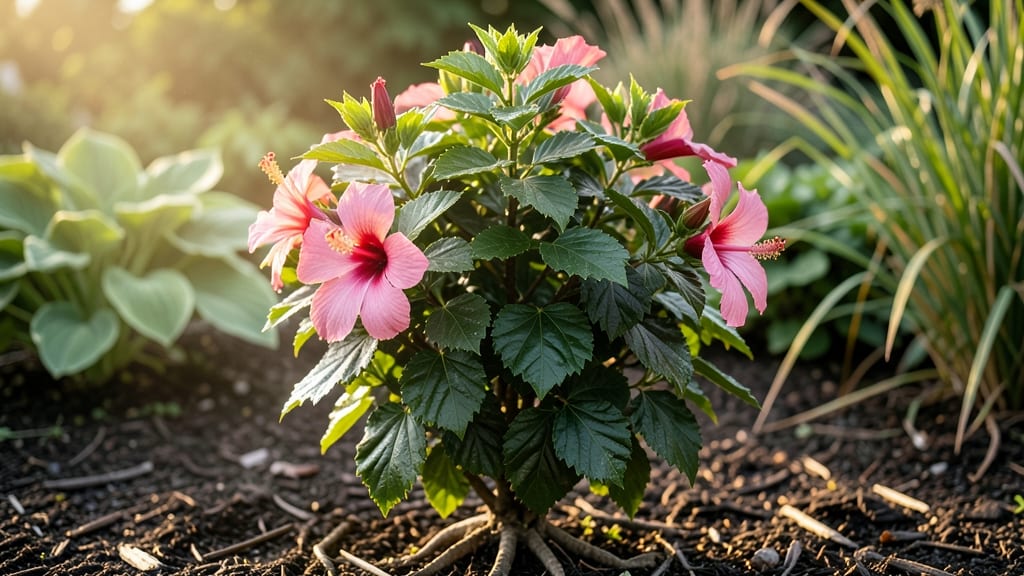
Growing maple leaf hibiscus transforms any space into a tropical oasis with its bold, maple-shaped leaves and fiery blooms. 🌺 I’ve grown these plants for years, and they’ve become my go-to for adding drama to containers—even on my tiny balcony.
The secret lies in mimicking their natural tropical habitat while keeping care simple enough for busy gardeners. This hibiscus thrives in bright, indirect light and well-draining soil, making it perfect for containers. You’ll need a pot with drainage holes and a mix that stays slightly moist but never soggy.
Pruning after blooms encourages bushier growth, and with the right care, you’ll enjoy vibrant flowers from spring through fall. The foliage alone is stunning—deep green with serrated edges like maple leaves—while the flowers add bursts of red, pink, or yellow.
Once established, these plants are surprisingly low-maintenance and even tolerate light frosts if brought indoors. Whether you’re a container gardener or dreaming of a small garden bed, this hibiscus delivers year-round interest. Let’s get yours thriving!
📚 In This Guide
- What you need
- Instructions
- Tips and common mistakes
- Wrapping up and next steps
What you need
- ● Maple Leaf Hibiscus Plant: 1 healthy nursery-grown plant (check for vibrant foliage and buds).
- ● Container (if potted): 1 large pot (12–18 inches in diameter) with drainage holes.
- ● Well-draining potting mix: 3–5 gallons (look for a blend with perlite or sand for aeration).
- ● Garden soil (if planting outdoors): 1 bag of high-quality, slightly acidic soil (pH 5.5–6.5).
- ● Fertilizer: 1 balanced, slow-release granular fertilizer (10-10-10 or similar).
- ● Pruning shears: 1 pair (sterilized with rubbing alcohol).
- ● Watering can or hose: 1 with a gentle spray nozzle.
- ○ Mulch (optional but recommended): 1–2 inches of organic mulch (e.g., pine bark or shredded leaves).
- ● Support stake: 1 bamboo or metal stake (for tall varieties).
- ● Epsom salt: 1 box (for magnesium boosts, especially in older plants).
- ● Plant food (liquid or granular): 1 bottle (for extra nutrients during blooming season).
- ● Grow lights (indoor growers): 1–2 LED lights (12–14 hours of light daily).
- ● Plant labels: 1–2 (to track varieties if testing multiple types).
Step-by-step instructions for growing maple leaf hibiscus in containers
Here's how I grow vibrant maple leaf hibiscus—with bold foliage and stunning blooms—that stays healthy in pots all season long.
🌱 Step 1: Choose the Right Container and Soil Mix
Pick a container with drainage holes that's at least 12 inches wide for each plant—maple leaf hibiscus has deep roots and needs room to spread. I use unglazed terra cotta pots because they breathe better than plastic, preventing soggy roots. If your pot lacks drainage, drill 3-4 holes in the bottom to avoid root rot.
Fill the pot with a mix of 50% premium potting soil and 50% perlite or orchid bark for excellent drainage. This light, airy mix prevents compaction while holding enough moisture for tropical roots. Tap the pot gently after filling to settle the mix without packing it down—you want it fluffy, not dense.
☀️ Step 2: Select a Sunny Spot and Plant Your Hibiscus
Maple leaf hibiscus thrives in full sun—place your container where it gets 6-8 hours of direct sunlight daily. A south- or west-facing spot works best, but if you only have partial sun, choose a bright east-facing location. Watch for leaves that turn pale or yellow—this means it needs more light.
Dig a hole in the soil mix that's just as deep as the root ball of your plant. Gently remove the hibiscus from its nursery pot and loosen any circling roots with your fingers. Place it in the hole so the top of the root ball sits 1 inch below the pot rim—this prevents water from pooling at the base during watering.
💧 Step 3: Water Deeply and Establish a Routine
Water thoroughly after planting until water runs freely from the drainage holes—this ensures roots make contact with moist soil. Let the top 1-2 inches of soil dry out between waterings, but never let the pot sit dry for more than 3-4 days. Tropical plants like hibiscus wilt quickly when thirsty, so check soil moisture daily in hot weather.
I use room-temperature water (never cold) and water at the base of the plant to avoid wetting the leaves, which can cause fungal issues. If you notice the leaves curling or dropping, you're either underwatering or overwatering—adjust based on soil dryness.
✂️ Step 4: Feed and Prune for Continuous Blooms
Start fertilizing 2 weeks after planting with a balanced liquid fertilizer (10-10-10 or 20-20-20) diluted to half strength. Feed every 2 weeks during spring and summer to encourage lush growth and vibrant blooms. Stop fertilizing in fall when growth slows—this helps the plant prepare for dormancy.
Prune leggy stems in early spring to shape the plant and encourage bushier growth. Cut back stems that have finished blooming to the nearest leaf node—this redirects energy to new growth. Deadhead spent flowers regularly to keep the plant focused on producing more blooms instead of seeding.
🪴 Step 5: Overwinter and Repot as Needed
As temperatures drop below 50°F, move your hibiscus indoors near a bright window or under grow lights for 12-14 hours of light daily. Reduce watering to keep soil lightly moist, and stop fertilizing entirely. The plant will go semi-dormant, so don't be alarmed if growth slows.
Repot every 2-3 years in spring if roots are circling the pot. Choose a container 2-3 inches wider than the current one, and refresh the soil mix. This gives the plant room to grow while preventing root-bound stress. With proper care, your maple leaf hibiscus will reward you with bold foliage and dramatic blooms year after year.
Tips & tricks for perfect maple leaf hibiscus care
A few simple secrets that'll help your tropical beauty thrive in containers—without the guesswork.
Container Size Matters: That 12-inch minimum width is non-negotiable for maple leaf hibiscus. I've seen people try smaller pots, and within months, the roots become tightly bound, stunting growth and reducing blooms. If you're growing multiple plants, space them at least 18 inches apart in larger containers—they'll reward you with bigger, bolder foliage. The deeper the pot, the better, since hibiscus roots grow downward.
Sunlight Secret: The 6-8 hours of direct sun is your golden rule, but here's what nobody tells you—morning sun is gentler than afternoon heat. If you're in a hot climate, position your plant to get morning sun and afternoon shade during peak summer months. I've noticed my hibiscus handles the heat better when shielded from that intense afternoon glare, especially when temperatures climb above 90°F.
Watering Wisdom: That 1-2 inches of dry soil between waterings is perfect, but here's the trick: stick your finger in the soil. If it feels dry just below the surface, it's time to water. In summer, I water mine every morning, but in cooler months, every other day works fine. Overwatering is the silent killer—yellowing leaves often mean soggy roots, not thirsty plants. Always check drainage holes for water runoff after watering.
Fertilizing Fine-Tuning: The 2-week spring/summer feeding schedule works, but I've found hibiscus respond even better to a slightly weaker solution—half-strength of the recommended dilution. Too much fertilizer burns roots, and you'll see it in crispy leaf edges. In late summer, I switch to a low-phosphorus fertilizer to encourage more foliage growth than blooms, which helps the plant prepare for winter.
Pro Tips for Maple Leaf Hibiscus Plant
- A few simple secrets that'll help your tropical beauty thrive in containers—without the guesswork.
- Container Size Matters: That 12-inch minimum width is non-negotiable for maple leaf hibiscus.
- Sunlight Secret: The 6-8 hours of direct sun is your golden rule, but here's what nobody tells you—morning sun is gentler than afternoon heat.
Frequently asked questions
Got questions about growing maple leaf hibiscus (Hibiscus acetosella)? You’re not alone—this stunning tropical beauty has a few quirks! Here are answers to the most common queries to help you cultivate bold blooms with confidence.
How fast does maple leaf hibiscus grow, and when can I expect flowers?
Maple leaf hibiscus grows moderately fast—expect 1–2 feet of growth per year in ideal conditions. With proper care (full sun, well-draining soil, and regular watering), you can see vibrant flowers as early as 6–12 months after planting. Pro tip: Prune leggy stems in spring to encourage bushier growth and more blooms!
Is maple leaf hibiscus frost-hardy? How do I overwinter it?
Native to tropical regions, this hibiscus is not frost-tolerant—it’ll die back in temps below 25°F (-4°C). To overwinter indoors, trim back 1/3 of the plant, repot in fresh soil, and place it near a south-facing window or under grow lights. Resume outdoor planting after the last frost in spring. Bonus: Use a humidity tray to mimic its natural environment!
How often should I water my maple leaf hibiscus, and what’s too much?
Water when the top 1–2 inches of soil feel dry—typically 2–3 times per week in hot weather, but adjust for containers (they dry out faster). Avoid soggy soil: Yellow leaves or wilting? You’re likely overwatering. Ensure pots have drainage holes, and use a well-draining potting mix (like 60% soil, 30% perlite, 10% compost).
Can I grow maple leaf hibiscus from seeds, or should I buy a plant?
While possible, starting from seeds is tricky—germination rates are low, and seedlings grow slowly. For faster results, buy a nursery-grown plant (look for healthy 1–2 ft tall specimens). If propagating, try stem cuttings in water or soil—rooting happens in 4–6 weeks with warmth and humidity. Patience pays off!
What pests should I watch for, and how do I treat them?
Common pests include aphids, spider mites, and whiteflies. Catch them early with a strong spray of water or insecticidal soap. For severe infestations, use neem oil (follow label instructions). Preventative tip: Inspect leaves weekly and remove damaged foliage promptly to stop pests in their tracks.
Why aren’t my maple leaf hibiscus flowers opening?
No blooms? Check these fixes:
- Light: Needs 6+ hours of direct sun daily—move to a sunnier spot.
- Fertilizer: Feed with a balanced liquid fertilizer (10-10-10) every 4–6 weeks in growing season.
- Pruning: Trim back overgrown stems to encourage new growth.
- Stress: Avoid sudden temperature/light changes.
Wrapping up and next steps
The Maple Leaf Hibiscus is a stunning, low-maintenance plant that brings bold tropical beauty to any space—whether in pots or garden beds. With the right care, it rewards you with vibrant blooms and lush foliage, making it a favorite for both beginners and seasoned gardeners. 🌺
Ready to grow your own? Start by gathering your supplies, choosing the perfect spot, and following the simple steps outlined above. Before you know it, your Hibiscus acetosella will be thriving, adding a splash of color to your outdoor oasis. Happy planting! 🌱