
Pruning
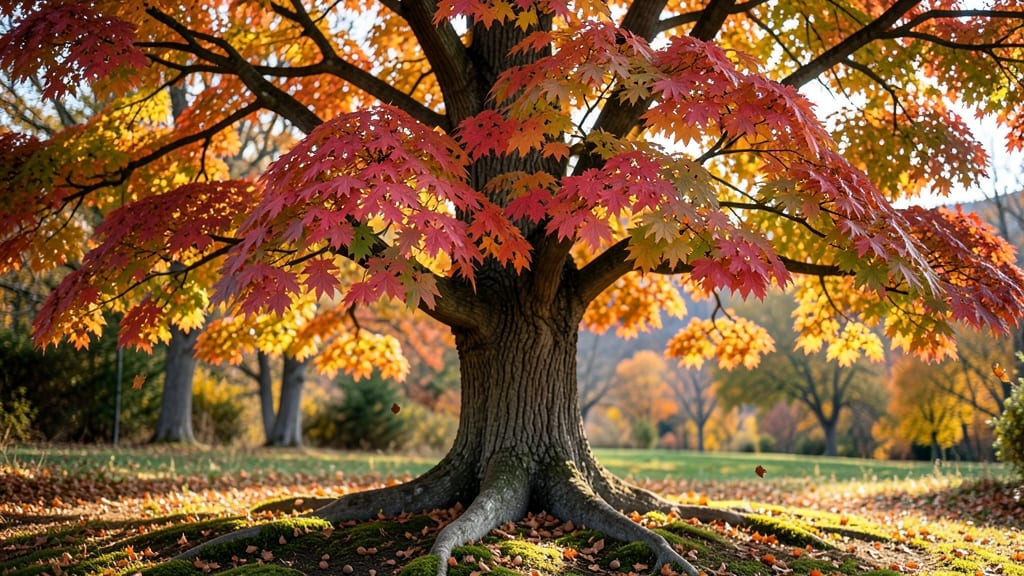
Maple tree fall leaf color varies dramatically because sugar maples produce vibrant red pigments from anthocyanins, while others like silver maples stay yellow due to lower sugar content and dominant carotenoids. Light exposure and temperature also influence the intensity of autumn hues.
The stunning reds and yellows you see in autumn aren't just coincidence—they're a biochemical masterpiece. 🍂 Sugar maples create anthocyanins (those red pigments) when sunlight and cooler temps trigger sugar production in leaves, while silver maples with less sugar simply reveal their hidden yellow carotenoids.
I've noticed the most vivid displays happen in years with early frosts and bright sunlight—perfect conditions for this natural color show.
What's fascinating is how location plays a role too. Trees in northern climates often develop deeper reds because of longer daylight exposure, while southern maples may lean more yellow. The key difference? Sugar content in the leaves—more sugar means more anthocyanins, which means brighter reds.
This is why sugar maples are the superstars of fall foliage, while other species like boxelder maples might disappoint with duller colors.
💡 In This Article
- Scientific Factors Behind Maple Leaf Pigment Changes
- How to Enhance Fall Foliage in Maple Trees
Scientific factors behind maple leaf pigment changes
The biochemical magic of autumn colors begins with chlorophyll—the green pigment that dominates leaves during spring and summer. As daylight shortens and temperatures drop, chlorophyll production slows and eventually breaks down, revealing other pigments that were always present but hidden.
In maples, this process is particularly dramatic because of how different species handle sugar production and pigment synthesis.
Sugar maples (Acer saccharum) produce anthocyanins—water-soluble pigments that create vibrant reds and purples—when sugars accumulate in leaves during fall. These sugars act as a natural sunscreen, protecting the leaf from UV damage as it prepares to die.
The process requires cool nights (around 40-50°F) and bright sunlight (at least 6 hours daily) to trigger maximum anthocyanin production. For comparison, red maples (Acer rubrum) often develop these pigments earlier than sugar maples, sometimes turning red as early as late September.
Meanwhile, silver maples (Acer saccharinum) and boxelder maples (Acer negundo) typically display yellow hues because they produce fewer anthocyanins and rely instead on carotenoids—yellow-orange pigments that were always there but become visible once chlorophyll fades.
These species often have lower sugar content in their leaves, which means less anthocyanin production.
The yellow tones you see are actually a mix of carotenoids like lutein and zeaxanthin, which remain stable throughout the season. 🍁 What's interesting is that some maples, like the Norway maple (Acer platanoides), can produce both red and yellow pigments in the same leaf, creating stunning bicolor displays.
The temperature plays a crucial role in determining the timing and intensity of these colors. Studies show that leaves turn color most vividly when daytime temperatures stay above 60°F while nights drop below 40°F.
This temperature range triggers both chlorophyll breakdown and sugar production, creating the perfect conditions for anthocyanin synthesis. Early frosts or unseasonably warm temperatures can disrupt this process, leading to duller or prematurely falling leaves.
That's why autumn color displays vary so much from year to year—it's not just about the species, but also about the specific weather patterns each fall.
Another fascinating factor is the role of phosphorus in the soil. Trees with adequate phosphorus levels tend to produce more vibrant fall colors because phosphorus is essential for both chlorophyll production in summer and anthocyanin synthesis in fall.
This is why well-nourished maples in nutrient-rich soils often outperform those in phosphorus-deficient areas. The connection between soil health and leaf color is a great reminder of how interconnected all parts of a tree's life cycle truly are.
What most people don't realize is that the timing of leaf color change is also influenced by the tree's internal clock. Maple trees use a process called "photoperiodism" to detect changes in daylight length, which triggers the biochemical cascade that leads to fall colors.
This internal timing mechanism explains why maples in different regions might change color at slightly different times—even within the same species. For example, sugar maples in New England typically peak in mid-October, while those in the Midwest might reach their peak a week or two later. 🌿
Understanding these scientific factors helps explain why some maples become the stars of autumn while others fade into the background. The interplay between genetics, weather, and soil conditions creates a natural color palette that's as unique as the trees themselves.
Whether you're admiring a brilliant red sugar maple or a golden silver maple, you're witnessing a complex biochemical process that's been perfected over millions of years of evolution.