
Trees
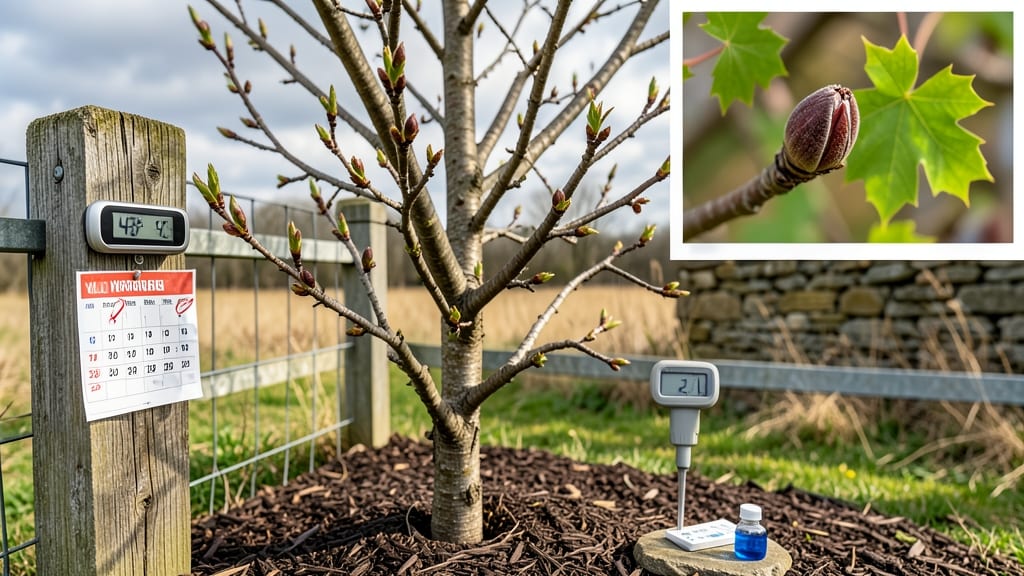
Maple trees not leafing out can feel like a death sentence for your yard—until you know the science-backed tricks to bring them back. 🌳 I’ve revived multiple maples by addressing the real culprits: late frosts, disease, or hidden nutrient gaps.
The first step? Check those buds for signs of life or damage.
Most cases boil down to three key issues: frost damage (common in late-spring swings), fungal infections hiding in the bark, or soil too depleted to support new growth. A simple soil test or bark inspection reveals the problem—no guesswork needed. Even a 10-minute check can save weeks of worry.
By mid-June, you’ll see fresh green unfurling if you act now. Prune dead branches, add compost, and protect buds from temperature drops. The payoff? A canopy so lush it makes neighbors ask, "What’s your secret?"
Stumped? When buds stay brown past mid-May, consult an arborist—sometimes the fix is deeper than soil. But start with the basics: water, light, and a little patience. Your maple’s comeback story begins here.
Root Causes Behind Bare Branches
When your maple trees seem stuck in winter mode long after the snow melts, it’s often due to a mix of environmental stress, biological signals, or even human-related factors. Understanding these causes helps you take precise action to revive your tree.
Here’s a breakdown of the most common reasons your maple’s leaves aren’t budding—and what’s really going on under the bark.
Maple trees are sensitive to temperature fluctuations, especially during dormancy. If winter lingers with late frosts, sub-zero temps, or rapid temperature swings, the tree’s buds may not receive the consistent warmth needed to break dormancy.
- How it works: Maple buds require a period of chilling hours (typically 500–1,000 hours below 45°F) followed by warmth (consistent temps above 50°F) to trigger leaf growth. If winters are too mild, buds may not fully chill; if they’re too harsh, they can suffer frost damage.
- Actionable fix:
- Monitor local weather patterns—if winters are unusually warm, consider simulating chilling with shade cloth or mulch.
- Protect young trees with burlap wraps or tree guards to shield buds from late frosts.
Maples are drought-tolerant but not drought-proof. Inconsistent watering—whether from dry spells, poor soil drainage, or overwatering—can disrupt the tree’s ability to push out leaves.
- How it works: Buds need hydrated roots to transport nutrients and hormones (like auxin) that signal leaf growth. If the soil is too dry or waterlogged, the tree conserves energy, delaying foliage.
- Actionable fix:
- Check soil moisture 6 inches deep—if dry, water deeply once a week (more in containers).
- Improve drainage with organic mulch (wood chips) to retain moisture without suffocating roots.
- 💡 Pro tip: If your maple is in clay soil, amend with compost to prevent compaction.
Diseases like Verticillium wilt, anthracnose, or canker can block nutrient flow, causing buds to fail. These pathogens thrive in wet conditions and stressed trees.
- How it works: Fungi/bacteria clog xylem vessels (the tree’s plumbing), preventing water and nutrients from reaching buds. Infected branches may also oozed dark sap or show cracked bark.
- Actionable fix:
- Prune dead or discolored branches in early spring, sterilizing tools with rubbing alcohol.
- Apply copper fungicide (like Bordeaux mixture) if you spot lesions or wilting.
- 🚨 Warning: If the trunk shows sunken cankers, the tree may be beyond saving—consult an arborist.
From construction vibrations to herbicide drift or animal girdling, external forces can sever the tree’s growth signals.
- How it works: Damage to the cambium layer (the growth ring just under the bark) disrupts hormone transport. Even root compaction from foot traffic can strangle nutrient uptake.
- Actionable fix:
- Inspect the trunk and roots for girdling (grooves or tight roots) or borer holes.
- Avoid roundup or glyphosate near maples—use vinegar-based herbicides instead.
- 🛠️ DIY test: Gently scratch the bark—if green phloem is exposed, the tree is alive but stressed.
Maples are heavy feeders, and poor soil can starve them of essential minerals like nitrogen, potassium, or magnesium.
- How it works: Yellowing leaves (chlorosis) or stunted buds often signal nitrogen deficiency, while potassium deficiency weakens cold hardiness. A soil test reveals exact needs.
- Actionable fix:
- Apply a balanced fertilizer (10-10-10) in early spring, or compost tea for organic boosts.
- For calcium/magnesium deficiencies, use lime or Epsom salt sparingly.
- 🌱 Soil hack: Mix worm castings into the root zone for slow-release nutrients.
Some maples (like Norway maples) are late bloomers, while others may be confused by artificial light (e.g., streetlights) or pruning at the wrong time.
- How it works: Maple buds follow an internal clock tied to daylight hours. Pruning in late summer/fall can remove next year’s flower/bud clusters, delaying leaves.
- Actionable fix:
- Prune only in late winter/early spring (before buds swell).
- If your tree is genetically slow (e.g., Japanese maple), research its specific growth timeline.
How to solve it
Reviving a maple tree that’s slow to leaf out requires a mix of patience, observation, and targeted care. The good news? Most causes have straightforward fixes—once you identify the root issue.
Below, we’ve mapped out science-backed solutions for each common culprit, along with prevention tips to keep your tree thriving long-term.
If your maple tree is simply waiting for warmer temps, a little encouragement can speed things up.
How to Help:
- 🔥 Warm the Soil: Cover the base with black plastic mulch or straw to absorb sunlight and raise soil temperature by 5–10°F. Remove it once leaves emerge.
- 💧 Hydrate Deeply: Water the root zone 1–2 inches per week (more in drought). Use a soaker hose to avoid wetting leaves, which can invite fungal issues.
- ☀️ Provide Shelter: If frost is still a risk, drape frost cloth lightly over the tree (secure it loosely to avoid trapping heat).
💡 Pro Tip: Maple trees often leaf out 2–3 weeks after forsythia blooms—use that as a benchmark! If it’s still bare by then, investigate further.
Dry soil can shock roots, delaying growth. Act fast to revive them.
How to Fix:
- 🌡️ Check Soil Moisture: Stick your finger 3 inches deep—if it’s dry, water immediately. For mature trees, dig a 6-inch-deep hole near roots to test deeper moisture.
- 💧 Deep Watering Routine:
- Young trees (under 5 years): Water 2–3 times per week, 10–15 gallons each time.
- Mature trees: Apply 50–100 gallons every 7–10 days (use a hose with a slow setting or a tree watering bag).
- 🌿 Mulch Like a Pro: Spread 3–4 inches of organic mulch (wood chips, shredded bark) 6 inches from the trunk. This locks in moisture and regulates temperature.
⚠️ Warning: Overwatering can suffocate roots. Always check soil before adding more water.
Insects (like scale or aphids) or fungal infections (e.g., anthracnose) can sap energy, halting leaf production.
How to Treat:
| Issue | Signs | Solution |
|---|---|---|
| Scale Insects | Sticky residue, white bumps | Spray with horticultural oil (apply in early spring before buds swell). |
| Aphids | Curled leaves, black sooty mold | Blast off with water spray or use neem oil (repeat weekly). |
| Anthracnose Fungus | Brown spots, leaf drop | Prune infected branches; apply copper fungicide (follow label rates). |
| Borers | Sawdust-like frass, holes | Inject beneficial nematodes into the soil or call an arborist for systemic treatments. |
🔥 Emergency Care: If the tree is severely infested, prune dead/diseased branches with sterilized shears and dispose of them in a sealed bag.
Poor soil or imbalanced nutrients can leave your maple starving for growth signals.
How to Fertilize:
- 📊 Test Your Soil: Use a DIY soil test kit (available at garden centers) to check pH and nutrient levels. Maple trees prefer slightly acidic soil (pH 6.0–7.0).
- 💪 Feed Smart:
- Spring Boost: Apply a balanced fertilizer (10-10-10) lightly around the drip line (not the trunk). Follow package rates—more isn’t better!
- Organic Option: Mix compost or worm castings into the top 6 inches of soil for a slow-release nutrient boost.
- 🍎 Avoid Over-Fertilizing: Too much nitrogen can burn roots and attract pests. Stick to half the recommended dose if your tree is stressed.
🌱 Prevention: Top-dress with compost annually in early spring to maintain soil health.
Physical harm (like girdling roots or storm damage) can block sap flow, delaying leaf-out.
How to Repair:
- 🔪 Prune Damaged Branches: Use clean, sharp pruners to remove dead, broken, or crossing branches. Cut at a 45° angle just outside the branch collar.
- 🌿 Aerate Compacted Soil: If roots are suffocating, rent a core aerator or manually dig 1-inch holes around the root zone to improve airflow.
- 🚧 Check for Girdling Roots: If roots wrap around the trunk, carefully loosen them with a knife (wear gloves!). Never remove more than 20% of roots at once.
✨ Long-Term Care: After major pruning, apply a root stimulator (like mycorrhizal fungi) to help recovery.
💡 Universal Revival Tip: If your tree is bare but alive (tap the trunk—if it’s firm, it’s not dead), wait 2 more weeks before panicking. Some maples (like silver maples) leaf out late, but they’ll catch up!
🚀 Prevention Checklist for Next Year:
- Monitor soil moisture weekly in dry spells.
- Inspect for pests twice a year (early spring and fall).
- Mulch and fertilize before bud break (late winter/early spring).
- Prune dormant branches in late fall to avoid stressing the tree.
Frequently asked questions
Why are my maple buds still brown after the last frost?
Brown buds past the last frost usually mean frost damage or disease. Check for blackened buds (frost) or oozing sap (fungus). If buds are firm but brown, they may still sprout—wait 2 more weeks. For soft/brown buds, prune them off to encourage new growth.
How can I tell if my maple tree is dead or just dormant?
Scratch the bark—if green phloem appears, the tree's alive. Tap the trunk: a hollow sound means dead wood. For young trees, check roots for white growth. If branches bend (not snap) and buds show any green, it's dormant, not dead.
Is it too late to save my maple if it hasn't leafed out by June?
Not necessarily! Some varieties (like Japanese maples) leaf late. But if buds are mushy or oozing, disease may have set in. Try deep watering (50 gallons for mature trees) and copper fungicide. If branches are completely bare with no buds, consult an arborist.
Will fertilizer help if my maple has no leaves?
Only if nutrient deficiency is the issue. First test soil—maples need pH 6.0-7.0. Apply balanced fertilizer (10-10-10) lightly around the drip line in early spring. Avoid fertilizing if buds are already swelling—it can burn roots. Organic options like compost tea are gentler.
Can I prune dead branches now, or should I wait?
Prune dead/diseased branches anytime—they won't regrow. Use sterilized shears and cut at the branch collar. For healthy branches, wait until late winter (before buds swell). Never prune more than 25% of the canopy at once.