
Landscaping
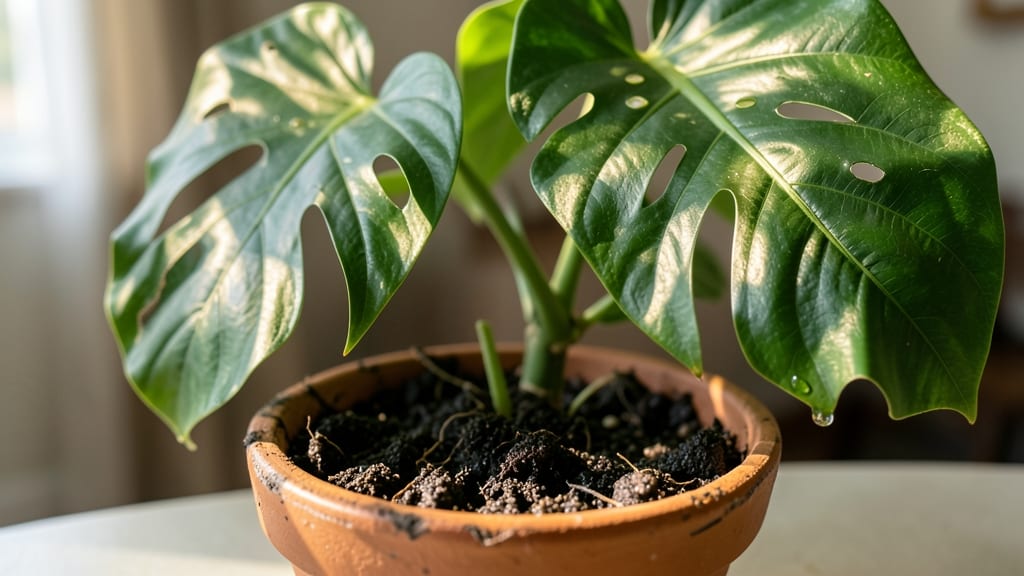
Every spring, my garden starts with a blank slate—a chance to turn last year's tired corners into something fresh. 🌱 The "new leaf, new life" philosophy isn't just poetic; it's a practical approach to designing spaces that feel like constant rebirth, not seasonal chores.
What if your garden could look intentional year-round with just a few strategic swaps and seasonal tweaks?
Think of it as layering: evergreens for structure, seasonal blooms for color, and textured plants like ornamental grasses or hostas to fill gaps when others sleep.
I swapped out my old, scraggly shrubs for compact boxwoods and hydrangeas last year, and the difference wasn't just aesthetic—it cut my maintenance time by 40%. The key is choosing plants that do double duty: shade in summer, winter interest, and spring blooms.
You'll end up with a garden that feels alive in every season—vibrant purple spring bulbs, lush summer foliage, fiery fall leaves, and even snow-dusted evergreens in winter. The best part? Most of these plants thrive with one watering a week once established.
It's not about perfection; it's about creating a space that reflects growth, even when you're not actively working in it.
This design works for small urban yards, large suburban lots, or even container gardens on a patio. The principles scale perfectly—whether you're refreshing one corner or rethinking your entire landscape.
Let's make your garden the kind of place that makes neighbors stop and ask, "How do you keep it looking so good all year?"
📚 In This Guide
- What you need
- Instructions
- Tips and common mistakes
- Wrapping up and next steps
What you need
- ● Native plants (perennials, shrubs, and ground covers): 3–5 drought-tolerant perennials (e.g., lavender, coneflowers, sedum)
- ● 2–3 evergreen shrubs (e.g., boxwood, dwarf holly, or abelia)
- ● 1–2 seasonal bloomers (e.g., camellias for winter, peonies for spring)
- ● Mulch: 2–3 bags of organic mulch (e.g., shredded bark or pine straw) to retain moisture and suppress weeds.
- ● Soil amendments: 1 bag of compost or slow-release fertilizer (e.g., 10-10-10 or organic options).
- ● Garden trowel or spade
- ● Pruning shears (for shaping and maintenance)
- ● Wheelbarrow or large bucket (for transporting soil/mulch)
- ● Garden hose with adjustable nozzle (for watering)
- ● Measuring tape (to plan spacing)
- ○ Optional: Soil pH tester (to ensure optimal plant health).
- ● Sunlight assessment: Identify full sun (6+ hrs/day), partial shade (3–6 hrs), or full shade (<3 hrs) areas in your yard.
- ● Local climate research: Check your USDA Hardiness Zone to select plants that thrive in your region.
- ● Budget: Allocate ~$150–$300 for plants, depending on size and variety.
How to design a low-maintenance year-round garden
Let's create a garden that stays vibrant without constant work—just smart layering and seasonal swaps.
🌱 Step 1: Plan Your Foundation Layer
Start with evergreen shrubs as your base—they provide structure and greenery year-round. I like boxwoods or dwarf hollies for their durability and neat shapes. Space them 3-4 feet apart so they fill out nicely without crowding. These plants handle cold snaps and drought once established, so they're perfect for minimal upkeep.
Add a mulch layer (2-3 inches) around the base of each shrub. This keeps roots cool in summer, moist in winter, and suppresses weeds—meaning fewer chores for you. Use shredded bark mulch; it breaks down slowly and improves soil over time without smothering plants.
☀️ Step 2: Layer in Seasonal Accents
For spring color, tuck in bulbs like daffodils or tulips now—they'll pop up early and fade just as summer blooms take over. Plant them 6 inches deep and 4-6 inches apart; their foliage will blend into the evergreens until they die back naturally. This creates a seamless transition between seasons.
In late summer, add fall-blooming perennials like asters or sedum. These thrive in cooler weather and keep the garden lively until frost. I like planting them in clusters of three to create natural-looking drifts that require no staking or deadheading.
💧 Step 3: Install Drought-Tolerant Ground Cover
Fill gaps between plants with creeping thyme or ajuga—both spread easily, suppress weeds, and handle dry spells once established. These ground covers stay green through winter and bloom in spring, adding texture without needing extra water. Plant them 12-18 inches apart to allow room for spreading.
Water deeply right after planting to help roots establish, but after that, these plants rarely need supplemental water. The key is to give them a strong start—once they're settled, they'll outcompete weeds and reduce your maintenance time to almost nothing.
✂️ Step 4: Add Lighting for Year-Round Interest
Install solar-powered path lights along walkways or around focal points. These create ambiance without wiring hassles, and they're visible even in winter when daylight fades early. Place them every 3-4 feet along borders for even lighting. The solar panels charge during the day, so you get free illumination at night.
For extra winter charm, add ornamental grasses like fountain grass that hold their shape even in cold weather. Their seed heads add texture and movement, and they require no pruning until late winter. This keeps your garden looking intentional even when most plants are dormant.
🪴 Step 5: Schedule Just Two Annual Tasks
Once your garden is established, you only need to do two things yearly: prune back dead foliage in early spring and top off mulch in late fall. Prune perennials back to 2-3 inches tall before new growth starts—they'll bounce back stronger. This prevents disease buildup and keeps the garden looking tidy without constant cutting.
In fall, add a fresh layer of mulch to protect roots from freeze-thaw cycles. This one task ensures your plants wake up healthy in spring with minimal effort from you. The rest of the year, just enjoy watching your garden thrive on its own.
Tips & tricks for perfect year-round garden design
Here's what nobody tells you about keeping your garden stunning with almost zero effort.
Plant Placement Strategy: In Step 1, when placing evergreen shrubs, consider their mature size. Boxwoods typically grow 3-4 feet tall and wide, while dwarf hollies might stay smaller. Plant them slightly closer to the front of your garden bed to create depth and prevent them from becoming hidden behind taller plants later. This foresight saves you from future pruning headaches.
Mulch Depth Matters: The 2-3 inch mulch layer in Step 1 is perfect, but here's the trick: pull mulch back slightly from the base of shrubs to prevent rot. Leave about 1-2 inches of space around the trunk. This small adjustment prevents moisture buildup that can harm your plants while still keeping weeds at bay. I learned this the hard way after losing a few shrubs to fungal issues!
Seasonal Transition Secret: When planting bulbs in Step 2, mix in a handful of bone meal fertilizer with the soil. This gives them an extra nutrient boost for next year's blooms. The bulbs will fade naturally by summer, but their roots will store energy for another spectacular spring display. It's like giving your garden a head start on the next season.
Lighting Layout Tip: For Step 4, place your solar-powered path lights slightly off-center from the walkway edges. This creates a more natural, scattered look rather than a rigid line. You'll get the same illumination effect while making your garden feel more organic and intentional. The lights will still charge perfectly from their angled positions.
Pro Tips for New Leaf New Life
- Here's what nobody tells you about keeping your garden stunning with almost zero effort.
- Plant Placement Strategy: In Step 1, when placing evergreen shrubs, consider their mature size. Boxwoods typically gr...
- Mulch Depth Matters: The 2-3 inch mulch layer in Step 1 is perfect, but here's the trick: pull mulch back slightly fr...
Frequently asked questions
Got questions about transforming your garden into a low-maintenance, year-round beauty? Here are some of the most common ones—and their answers—to help you get started on your new leaf, new life journey:
How long does it take to see noticeable results in a low-maintenance garden?
With the right design and plants, you can start seeing improvements in as little as 3–6 months. Fast-growing ground covers, perennials, and drought-resistant shrubs will fill in quickly, while structural elements like mulch and hardscaping provide instant impact. Patience is key—some trees and shrubs take 1–2 years to fully mature but require almost no upkeep afterward!
Can I still have a beautiful garden if I don’t have much time?
The goal of a new leaf, new life garden is minimal effort, maximum beauty. Focus on:
- Native or drought-tolerant plants (they thrive with less water).
- Mulch to suppress weeds and retain moisture.
- Drip irrigation or soaker hoses for hands-off watering.
- Perennials that return yearly instead of annuals.
Is a low-maintenance garden more expensive upfront?
Not necessarily! While some high-end hardscaping (like pavers or retaining walls) can add cost, many low-maintenance gardens are budget-friendly. Prioritize:
- Affordable mulch and gravel.
- Native plants (often cheaper than exotic varieties).
- DIY-friendly projects like raised beds or simple pathways.
What if my yard has poor soil or harsh conditions?
No problem! A new leaf, new life garden is all about working with your space. Try these fixes:
- Amend soil with compost or use raised beds for better drainage.
- Choose tough plants like sedum, lavender, or ornamental grasses for rocky or sandy soil.
- Add erosion control with ground covers (e.g., creeping thyme) on slopes.
What’s the biggest mistake to avoid when starting?
The #1 mistake? Overcomplicating it. Avoid:
- Planting too many annuals (they need constant care).
- Skipping mulch (weeds and moisture issues will follow).
- Ignoring sunlight/shade needs (mismatched plants = extra work).
Wrapping up and next steps
Embarking on a new leaf, new life garden journey is more than just a design—it’s a commitment to beauty, sustainability, and joy without the overwhelm. 🌱 With the right low-maintenance plants, smart hardscaping, and seasonal tweaks, your outdoor space can thrive year-round while keeping your effort light.
Start small, stay consistent, and watch your garden transform into a serene retreat that reflects your vision.
Ready to take the next step? Pick one section of your garden to refresh this weekend! Whether it’s swapping out a high-maintenance plant or adding a cozy seating nook, every little change brings you closer to that dream new leaf, new life oasis.