
Leaf Blower
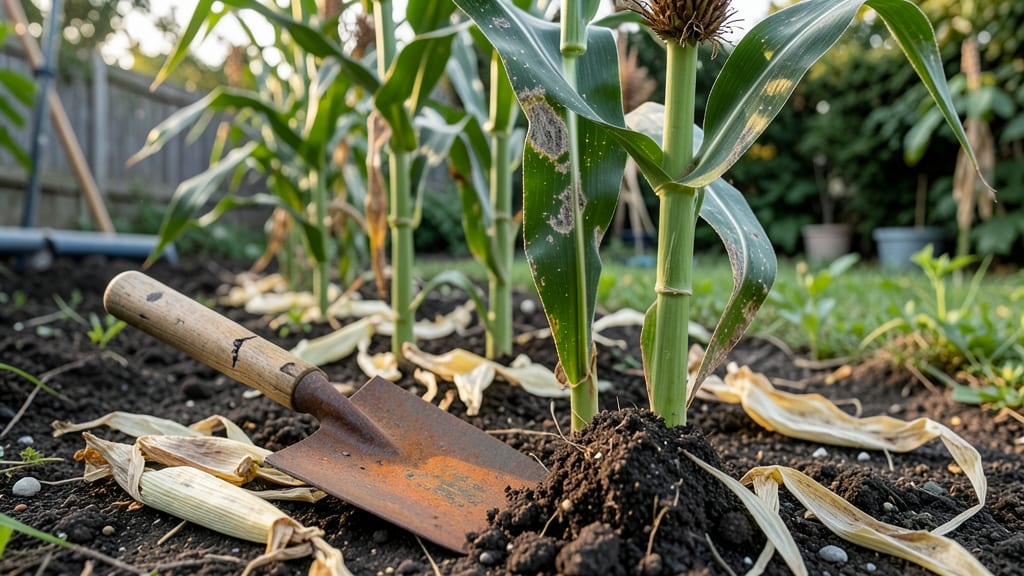
When your corn leaves develop those telltale grayish-white streaks, northern corn leaf blight is already stealing your harvest. 🌱 I’ve seen this fungal disease turn lush plants into skeletal husks in just weeks—until I discovered copper spray’s power to stop it in its tracks.
The problem starts with spores splashing up from infected soil or blowing in on wind, then thriving in warm, wet conditions. Most gardeners panic and reach for fungicides, but copper spray works fast—and it’s organic enough for home gardens.
The key is timing: spray at first sign of symptoms, and repeat every 7-10 days during rainy periods. By the end of the season, your plants will stay green and productive, with none of that frustrating dieback.
The copper builds up in the plant tissue, creating a protective barrier that blocks new infections. It’s not just about saving this year’s crop—it’s about breaking the cycle for next year too. Works for sweet corn, field corn, and even popcorn varieties.
Here’s exactly how to apply it without burning your plants—and when to stop for the season.
The Hidden Triggers Behind Fungal Frenzy
Northern corn leaf blight—caused by the fungus Setosphaeria turcica—isn’t just a random attack on your cornfields. It thrives because of specific conditions that create the perfect storm for its spread.
Understanding these triggers is the first step to stopping it in its tracks. Let’s break down the key factors that turn your corn crop into a fungal buffet.
The fungus Setosphaeria turcica loves humidity and heat—think of it as a tropical vacation for spores. Here’s why:
- Ideal temperature range: The fungus germinates best between 77°F to 86°F (25°C to 30°C). If your growing season hits these temps consistently, you’re rolling out the welcome mat.
- Moisture matters: S. turcica spores need free water on leaf surfaces (like dew or rain) to infect plants. Even light morning dew can kickstart the infection process.
- Rainfall timing: Heavy rains or frequent showers during tasseling and silking stages (when corn is most vulnerable) create the perfect conditions for spores to splash onto leaves.
Actionable tip: Monitor your local weather forecasts during these critical growth stages. If humidity stays high for 48+ hours, it’s time to act fast with preventive sprays.
Corn plants aren’t just competing for sunlight—they’re also sharing pathogens. Overcrowded fields create a microclimate that traps moisture and slows air circulation, giving the fungus an advantage:
- Reduced airflow: Stagnant air keeps humidity levels high, prolonging leaf wetness—the fungus’s favorite condition.
- Increased leaf contact: Tightly packed plants allow spores to jump more easily from leaf to leaf via wind or splashing water.
- Stress on plants: Overcrowding weakens individual plants, making them more susceptible to infection once spores arrive.
Pro tip: Aim for proper spacing (15–30 inches between rows, depending on variety) to improve airflow and reduce disease pressure. If you’re dealing with an existing infection, thinning out can help break the cycle.
Sometimes, the fungus is already lurking in your field before you even plant. Here’s how it hides and hitches a ride:
- Infected seed: S. turcica can survive on corn seed, especially if it’s not treated or stored improperly. Planting infected seed means you’re introducing the pathogen directly into your field.
- Surviving in debris: Old corn stalks, leaves, or even crop residue left in the field can harbor overwintering spores. These spores can reinfect new plants the following season.
- Soilborne pathogens: While S. turcica isn’t strictly soilborne, it thrives in fields with poor drainage or compacted soil, where moisture lingers longer.
Key prevention:
- Use certified disease-free seed and treat seed with fungicides if blight is a known issue in your area.
- Practice crop rotation with non-host plants (like soybeans or alfalfa) to break the fungus’s life cycle.
- Implement tillage or residue management to remove old plant material before planting.
A healthy corn plant is your best defense. When plants are nutrient-deficient, they’re more likely to fall prey to S. turcica. Pay attention to these critical deficiencies:
- Nitrogen (N) deficiency: Nitrogen is essential for strong leaf growth. Without enough N, leaves become thinner and more susceptible to puncture—the fungus’s entry point.
- Potassium (K) deficiency: Potassium helps plants resist stress and disease. Low K levels weaken cell walls, making it easier for spores to invade.
- Zinc (Zn) deficiency: Zinc plays a role in plant immunity. Deficient plants may show interveinal chlorosis (yellowing between leaf veins), a sign they’re struggling to fight off pathogens.
Soil test first: Before blight season, conduct a soil test to check nutrient levels. Address deficiencies with balanced fertilizers or foliar sprays to boost plant resilience.
If your field has a history of northern corn leaf blight, the fungus is already there, waiting for the right conditions to strike again. Here’s how past infections set the stage:
- Spores persist in residue: Even after harvest, spores can survive in corn stalks, husks, and leaf litter for months or even years.
- Favorable microclimates: Fields with a history of blight often have poor drainage or compacted soil, creating pockets of high humidity.
- Resistant varieties may fail: While resistant hybrids reduce risk, no variety is 100% immune. Over time, the fungus can adapt to resistances.
Break the cycle:
- Rotate crops away from corn for at least 1–2 years to starve out the fungus.
- Use fungicide seed treatments if blight is a recurring issue.
- Monitor fields early in the season for the first signs of lesions.
Stopping Fungal Spread Fast
Northern corn leaf blight thrives when conditions are just right—too much moisture, poor airflow, or stressed plants. But with the right approach, you can halt its spread and protect your crop.
Below are practical, actionable solutions tailored to the root causes of the problem, plus prevention tips to keep your corn healthy long-term.
If you’ve spotted yellowish-gray lesions on leaves or stems, copper-based fungicides are your first line of defense. These disrupt fungal cell function and stop spores from germinating.
How to Apply: 🍳 Mix the Solution:
- Use 1–2 lbs of copper sulfate per 100 gallons of water (follow label instructions).
- Add a sticker/spreader (like non-ionic surfactant) to improve coverage.
👨🍳 Spray at the Right Time:
- Apply early morning or late evening to avoid leaf burn from sunlight.
- Focus on lower leaves first (where spores often start) and upper leaves if blight is severe.
- Reapply every 7–14 days or after heavy rain (copper washes off).
⏰ Best Timing for Prevention:
- Before symptoms appear (if you’ve had blight in past years).
- At tasseling (VT stage) if conditions are wet and humid.
💡 Pro Tip: Rotate copper with other fungicides (like chlorothalonil or mancozeb) to prevent resistance. Always alternate between different active ingredients.
Fungal spores love humidity—they spread faster when leaves stay wet for long periods. Adjust your growing conditions to dry out the canopy and limit blight’s favorite environment.
Quick Fixes:
- Thin out dense plantings – If corn is too crowded, increase spacing by 2–4 inches to allow airflow.
- Use drip irrigation instead of overhead sprinklers – Water at the base (not the leaves) to keep foliage dry.
- Mulch properly – Apply straw or wood chips to improve soil drainage and reduce splashing water onto leaves.
🎯 Prevention Hack:
- Plant disease-resistant varieties (look for hybrids labeled "NCLB-resistant").
- Avoid planting corn in the same spot year after year – Rotate crops with beans, soy, or grasses to break the fungal cycle.
Stressed corn is more susceptible to blight. Strengthen your plants with proper nutrition and care to make them less appealing to fungi.
Nutrient Fixes:
- Test soil pH – Aim for 6.0–6.5 (blight thrives in acidic soil).
- Add potassium & phosphorus – These minerals strengthen cell walls, making it harder for fungi to penetrate.
- Quick fix: Use a balanced fertilizer (10-10-10) or wood ash (for potassium).
- Avoid over-fertilizing with nitrogen – Too much nitrogen = soft, weak leaves = blight buffet.
🔥 Organic Options:
- Neem oil spray (1 tsp per gallon of water) – Acts as a fungicide and growth booster.
- Baking soda spray (1 tbsp baking soda + 1 tsp soap per gallon) – Helps prevent spore germination (best for early-stage blight).
Fungal spores overwinter in plant residue. If you don’t remove infected material, next year’s crop is at risk.
Cleanup Steps:
- Remove and destroy all infected leaves, stalks, and husks (burn or compost in high heat).
- Rotate crops – Don’t plant corn in the same field for at least 3 years.
- Sanitize tools – Wash pruners and shovels with bleach water (1:10 ratio) between uses.
✨ Prevention Bonus:
- Plant a cover crop (like clover or rye) in the off-season to starve out fungal spores in the soil.
Final Reminder: The key to stopping northern corn leaf blight is speed + prevention. Act at the first sign of lesions, adjust growing conditions, and strengthen your plants—your corn will bounce back stronger! 🌾💪
Frequently asked questions about northern corn leaf blight
How can I tell if my corn plants have northern corn leaf blight?
Look for grayish-white to tan streaks on leaves that run parallel to leaf veins. These lesions often have reddish-brown borders and can appear on both leaf surfaces. Early symptoms start as small spots near the leaf edges, then expand—check lower leaves first as they’re most vulnerable.
Is copper spray safe to use around edible corn?
Yes, when used correctly! Copper fungicides are organic-approved for edible crops (like organic certification standards). Follow label instructions—wait at least 3 days before harvest after application. Always wear gloves and avoid spraying during windy conditions to prevent drift onto nearby plants.
Can I still get a harvest if my corn already has blight?
You can, but ear health matters most. Focus copper sprays on lower leaves to protect upper foliage that feeds developing ears. Remove severely infected plants immediately. If blight appears after silking, yield loss may occur, but kernels already formed will still develop—just monitor for secondary infections.
What's the difference between northern corn leaf blight and southern corn leaf blight?
Northern blight (Setosphaeria turcica) causes grayish-white lesions with reddish borders, while southern blight (Bipolaris maydis) produces tan to gray spots with dark margins. Northern blight thrives in cooler temps (77–86°F), while southern blight prefers warmer conditions (86–95°F). Northern blight also affects upper leaves more aggressively.
How long does copper spray last on corn leaves?
Copper fungicides provide 7–14 days of protection but wash off with rain. Reapply after heavy rainfall (0.5+ inches) or every 10–14 days during humid conditions. For best results, alternate with other fungicides like chlorothalonil to prevent resistance. Always apply in the evening to avoid leaf burn.