
Leaf Blower
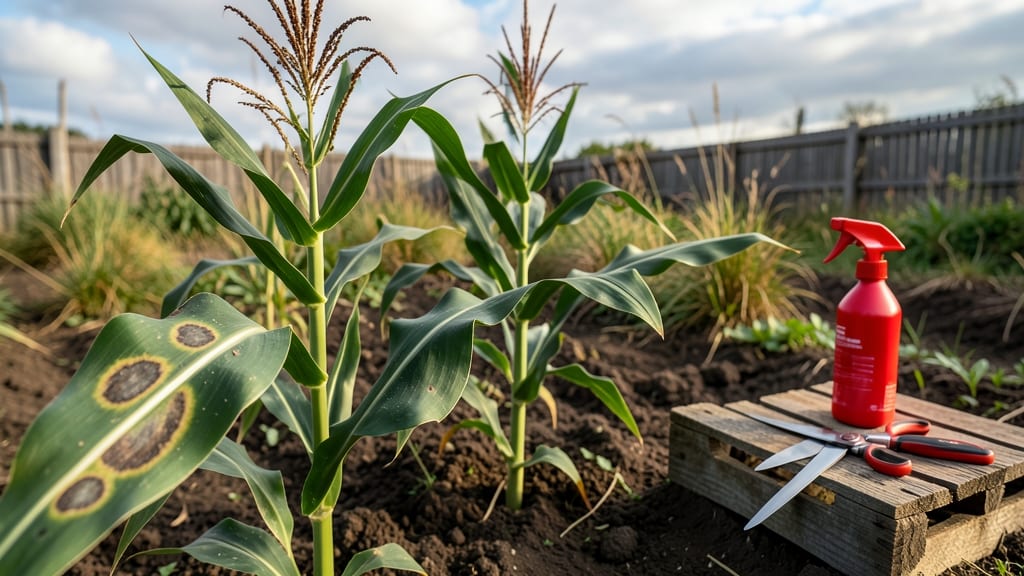
Your lawn’s once-vibrant green is fading to a sickly yellow—northern leaf blight is the culprit, and the good news is you can fight it without harsh chemicals. 🌱 I’ve battled this stubborn fungus on my own Kentucky bluegrass, and these organic methods saved my yard when fungicides felt like overkill.
The key lies in understanding how it spreads and what your grass truly needs to bounce back.
This fungal disease thrives in damp, shaded lawns where air circulation stalls, turning blades into brittle, grayish patches. Turfgrasses like fescue and rye are especially vulnerable, but the damage isn’t permanent if you act fast. The first step?
Stop watering at dusk—moisture at night is an open invitation for spores to multiply. Instead, water deeply in the morning so leaves dry quickly, and mow high (3–4 inches) to shade the roots and crowd out fungal growth.
For immediate relief, a baking soda spray (1 tablespoon per gallon of water) disrupts the fungus’s life cycle without harming your lawn. Apply it on a dry, windless day, and repeat every 7–10 days until new growth appears.
Pair this with a core aeration session in early fall to loosen compacted soil—healthier roots mean stronger defenses. Within 4–6 weeks, you’ll see the yellow give way to a deeper, more resilient green.
Prevention is your best ally: overseed bare spots in spring, dethatch annually, and avoid heavy foot traffic on damp grass. If blight returns next season, rotate organic treatments like neem oil or compost tea.
The goal isn’t perfection—it’s a lawn that fights back naturally. Your grass can recover, and it starts with these simple, chemical-free steps.
The Hidden Triggers Behind Fungal Spread
Northern leaf blight isn’t just a random lawn menace—it thrives because of specific conditions that create the perfect storm for fungal growth. Understanding these triggers helps you disrupt the cycle before it takes hold. Let’s break down the key causes and why your grass might be inviting trouble.
Fungi like Bipolaris (the culprit behind northern leaf blight) love moisture—think of it as their natural habitat. Here’s why wet conditions fuel the problem:
- Overwatering: Grass needs about 1–1.5 inches of water per week, including rainfall. If you’re watering daily or letting soil stay soggy, you’re creating a fungal buffet. Pro tip: Water deeply but infrequently (early morning is best) to let the soil dry between sessions.
- Compacted or clay soil: These soils repel water, causing surface runoff that pools on blades of grass. The fungus spores spread via splashing water, turning your lawn into a petri dish.
- After heavy rain or dew: Prolonged leaf wetness (over 12–24 hours) is a red flag. If your grass stays damp overnight, the fungus gets a head start.
Actionable fix: Test your soil’s drainage—dig a 6-inch hole, fill it with water, and time how long it takes to drain. If it’s slower than 6 hours, amend with compost or sand to improve airflow.
Healthy grass resists fungal attacks, but stress opens the door. Common stressors include:
| Stressor | Why It Matters | How to Fix It |
|---|---|---|
| Nutrient deficiencies (especially nitrogen or potassium) | Weak roots and thin blades can’t fend off spores. | Soil test first! Apply a balanced fertilizer (e.g., 10-10-10) in early spring. |
| Thatch buildup (over ½ inch thick) | Thatch traps moisture and blocks sunlight, creating a cozy fungal environment. | Dethatch in late spring/early summer with a rake or verticutter. |
| Traffic or pet damage | Compacted or torn grass can’t recover, leaving gaps for spores to invade. | Reroute foot traffic and avoid mowing wet grass. |
💡 Pro tip: Mow high (3–4 inches) to shade the soil and reduce evaporation, keeping roots healthier and less stressed.
Even small oversights can turn your lawn into a fungal hotspot. Here’s what’s likely going wrong:
- Leaving clippings after mowing: Wet grass clippings smother the lawn, trapping moisture and spores. Fix: Bag clippings if your grass is infected, or spread them thinly on dry days.
- Ignoring leaf litter or debris: Fallen leaves or thatch act as spore incubators. Fix: Rake up debris before symptoms appear.
- Mowing when blades are wet: Damp grass spreads spores via the mower. Fix: Wait until grass is completely dry to mow.
✨ Key insight: Northern leaf blight often starts in shady, damp areas (like under trees) where grass struggles to photosynthesize. Thin spots here are prime infection zones.
The fungus Bipolaris thrives in temperatures between 75–85°F with high humidity—think late summer or early fall in many regions. Here’s how climate plays a role:
- Slow drying after rain: Humid air prevents grass from drying quickly, extending the fungus’s window to spread.
- Stagnant air: Lawns in low-lying areas or near buildings trap moisture and heat, creating ideal conditions.
Actionable tip: If your area is prone to humidity, improve airflow by pruning overhanging branches or installing a small fan (yes, really!) to circulate air in problem spots.
How to Treat and Prevent Fungal Foes
Fungal infections like northern leaf blight can feel like an uphill battle, but with the right strategies, you can reclaim your lawn’s health—without relying on harsh fungicides. The key is acting fast, combining preventive care with targeted fixes based on the root cause.
Below, we’ve mapped out practical, step-by-step solutions to stop the spread and restore your grass.
Cause: Too much moisture (from overwatering, poor drainage, or rainy seasons) creates the perfect breeding ground for fungal spores. Fix:
- 🔥 Adjust Your Watering Schedule – Water deeply 2–3 times per week (early morning, 6–10 AM) instead of daily light sprinkles. Aim for ½–1 inch per week, including rainfall.
- 🍳 Improve Drainage – Aerate compacted soil in fall or early spring (use a core aerator) to help water absorb properly. Add compost or sand to heavy clay soils.
- 👨🍳 Redirect Water Away – Ensure sprinklers don’t pool water on lawns. Adjust heads to avoid overspray on sidewalks or driveways that funnels back onto grass.
💡 Pro Tip: Test your soil’s drainage by digging a 6-inch hole, filling it with water, and timing how long it takes to drain. If it’s slower than 4 hours, drainage is poor.
Cause: A thick thatch layer (dead grass, roots, and debris) traps moisture and blocks fungicides or nutrients from reaching the soil. Fix:
- 🔪 Dethatch in Early Fall or Spring – Rent a vertical mower or rake to remove thatch down to ½ inch thick. Avoid scalping the lawn!
- ⏰ Mow High & Often – Keep grass at 3–4 inches tall to shade the soil and reduce thatch accumulation. Never remove more than ⅓ of the blade at once.
- 🌡️ Boost Microbial Activity – Spread a thin layer of compost after dethatching to encourage beneficial fungi and bacteria that outcompete pathogens.
✨ Prevention Hack: Overseed bare spots in late summer with a disease-resistant grass variety (like tall fescue or Kentucky bluegrass) to crowd out fungal entry points.
Cause: Stagnant, humid air (common in summer or shaded lawns) slows drying and encourages spore growth. Fix:
- 🌳 Prune Overhanging Trees/Shrubs – Trim branches to allow sunlight and airflow to reach the lawn. Aim for at least 6 hours of sunlight daily.
- 🍃 Rake Up Debris – Remove fallen leaves, clippings, and thatch weekly during peak fungal season (spring/fall).
- 🎯 Install a Lawn Vacuum – Use a leaf blower or vacuum to clear thick mulch layers from grass edges where fungi often hide.
💡 Pro Tip: If your lawn stays damp for >48 hours, fungi thrive. Break up shade with reflective mulch or light-colored gravel in shaded areas.
Cause: Weak grass (from poor soil or over-fertilizing with nitrogen) struggles to resist fungal attacks. Fix:
- 📊 Soil Test First – Check pH and nutrient levels (ideal: 6.0–7.0 pH). Adjust with lime (to raise pH) or sulfur (to lower it).
- 💪 Use Slow-Release Fertilizer – Apply a balanced, organic fertilizer (like 10-10-10) in early fall to strengthen roots without burning grass.
- 🥗 Add Beneficial Fungi – Sprinkle mycorrhizal fungi (available as powders or granules) to promote healthy root systems that resist blight.
🔥 Avoid: High-nitrogen fertilizers in spring/summer—they promote lush (but weak) growth that fungi love.
If blight persists, try non-toxic sprays (apply in evening to avoid burning grass): - 🍋 Baking Soda Spray – Mix 1 tbsp baking soda + 1 gallon water + a few drops of dish soap.
Spray every 7–10 days. - 🌿 Neem Oil – Use 1–2 tbsp neem oil per gallon of water (reapply every 2 weeks).
Best for preventive care. - 🍄 Hydrogen Peroxide (3%) – Dilute 1 part H₂O₂ to 3 parts water and spray to disinfect soil (safe for pets once dry).
⚠️ Warning: Avoid copper-based sprays—they can harm soil microbes long-term.
| Task | When to Do It | Why It Works |
|---|---|---|
| Aerate & Overseed | Early fall | Reduces compaction, fills bare spots |
| Sharpen Mower Blades | Before mowing season | Prevents tearing grass (invites disease) |
| Rotate Grass Types | Every 3–5 years | Breaks fungal cycles (e.g., switch to ryegrass) |
| Monitor for Early Signs | Weekly in spring/fall | Catches blight before it spreads |
Final Thought: Northern leaf blight may seem stubborn, but consistent care—not chemicals—is the real game-changer. Start with one fix (like improving drainage or mowing higher), then layer in prevention. Your lawn will thank you with lush, resilient grass in no time! 🌿✨
Frequently asked questions
What does northern leaf blight look like on grass?
Start with small, grayish or tan spots that expand into larger, irregular patches with feathery edges. Infected blades may turn straw-colored and feel brittle. In humid conditions, you might spot black or purple fungal structures (spores) on the undersides of leaves. These symptoms often appear in shady, damp areas first.
How long does it take to recover from northern leaf blight?
With proper care, you’ll see new growth within 3–4 weeks if you act quickly. Complete recovery depends on the severity—mild cases may heal in 6–8 weeks, while severe infections could take up to 3 months or longer. Focus on improving drainage and strengthening grass health to speed up recovery.
Can I still use my lawn after treating northern leaf blight?
Yes, but avoid heavy foot traffic on treated areas for at least 48 hours to let sprays or soil amendments work. Once the lawn dries, it’s safe to walk or play on it. However, avoid activities like sports or picnics on infected patches until they fully recover to prevent reinfection.
Will my grass grow back after northern leaf blight?
Grass is resilient, and with proper treatment and prevention, it will regrow from healthy roots. Focus on aeration, overseeding, and improving soil health to encourage recovery. If large areas are dead, consider resodding those spots with disease-resistant grass varieties like tall fescue or Kentucky bluegrass.
Is northern leaf blight worse in certain seasons?
Yes, it peaks during late summer to early fall when temperatures are 75–85°F and humidity is high. Spring can also be risky if there’s excessive rain or dew. Winter typically slows it down, but spores can survive in that layer or leaf debris, so clean up thoroughly in fall to prevent next year’s outbreak.