
Trees
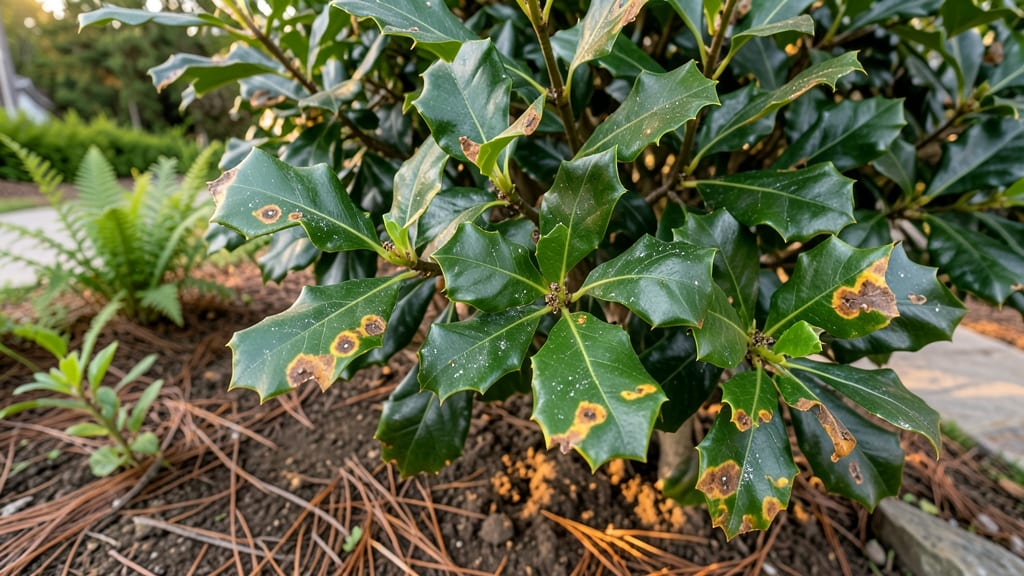
Oak leaf holly problems often start with yellowing leaves or sticky residue on stems—both signs your plant is fighting back. 🌿 I’ve battled spider mites and scale insects on mine, and the good news is these issues respond quickly to the right approach.
The key is acting fast before the damage spreads beyond repair. Most issues stem from stress: too much shade, poor drainage, or neglecting pests until they take over. My holly thrived once I adjusted watering (deep but infrequent) and added mulch to keep roots cool.
Even experienced gardeners miss these early warning signs—don’t let yours become a cautionary tale. You’ll see new growth within 4-6 weeks of treatment if you catch problems early. The leaves will regain their glossy sheen, and those pesky pests? Gone before they can weaken your plant further.
This isn’t just theory—it’s what worked for my struggling holly last summer. Works for both container holly and in-ground plants. Here’s how to diagnose and fix the most common issues before they become permanent damage.
Root Causes Behind Oak Leaf Holly Struggles
Understanding why your oak leaf holly is acting up starts with identifying the hidden triggers behind its distress. This evergreen beauty thrives in specific conditions, and when those needs aren’t met, problems like yellowing leaves, stunted growth, or pest infestations follow.
Below, we break down the science-backed reasons your oak leaf holly might be sending out distress signals—and how to address them before they worsen.
Oak leaf hollies (Ilex × 'Nellie R. Stevens') are drought-tolerant once established, but their roots despise soggy conditions. When soil stays too wet—whether from overwatering, heavy clay, or improper planting—root rot (Phytophthora or Pythium fungi) sets in.
Why it happens:
- Compacted or waterlogged soil cuts off oxygen to roots, forcing them to suffocate.
- Overzealous watering (especially in winter) keeps moisture trapped, creating a fungal buffet.
- Lack of organic matter in heavy soil prevents water from draining efficiently.
Actionable fix:
- Test soil moisture by sticking your finger 2–3 inches deep—water only if dry.
- Amend clay soil with compost or perlite to improve aeration.
- Plant in well-drained slopes or raised beds if your yard holds water.
While oak leaf hollies are drought-resistant, prolonged dry spells (especially in hot summers) cause leaves to curl, brown, or drop prematurely. Unlike tropical hollies, these varieties cannot recover from severe dehydration.
Why it happens:
- Shallow root systems struggle to reach moisture in dry topsoil.
- Evapotranspiration (water loss through leaves) outpaces absorption during heatwaves.
- Mulch breakdown over time reduces soil moisture retention.
Actionable fix:
- Deep-water weekly (1–1.5 inches) during dry spells—slowly to encourage root penetration.
- Mulch heavily (3–4 inches of pine straw or shredded bark) to lock in moisture.
- Group plants together to create a microclimate with shared humidity.
Oak leaf hollies grow best in slightly acidic, fertile soil (pH 5.0–6.0). If yellowing (chlorosis) appears—especially between leaf veins—iron, nitrogen, or magnesium is likely missing.
Why it happens:
- High pH soil (alkaline) locks out iron and manganese, even if present.
- Over-fertilizing with nitrogen (without micronutrients) causes yellowing without red berries.
- Poor soil structure limits microbial activity, reducing nutrient availability.
Actionable fix:
- Test soil pH—aim for 5.5–6.0. Add sulfur or peat moss if too alkaline.
- Use a slow-release, balanced fertilizer (e.g., 10-10-10) in early spring.
- Apply chelated iron (like Ironite) for quick chlorosis relief.
Oak leaf hollies attract scale insects, spider mites, and lace bugs, which suck sap and weaken plants. Sticky residue (honeydew) on leaves is a dead giveaway.
Why it happens:
- Stressed plants (from drought or poor soil) emit volatile organic compounds (VOCs) that attract pests.
- Lack of natural predators (like ladybugs) in monoculture landscapes.
- Overuse of broad-spectrum pesticides kills beneficial insects first.
Actionable fix:
- Blast pests off with a strong hose stream (disrupts their protective waxy coating).
- Apply horticultural oil (like Neem Oil) in early spring before eggs hatch.
- Encourage predator insects by planting dill, fennel, or yarrow nearby.
Oak leaf hollies hate sudden changes—whether it’s scorching sun, freezing winds, or urban pollution. Symptoms like leaf scorch (brown edges) or wilting often point to environmental whiplash.
Why it happens:
- Full-sun exposure (6+ hours) in hot climates causes oxidative stress from UV rays.
- Winter desiccation (dry winds + frozen roots) pulls moisture from leaves.
- Salt buildup (from de-icing or poor water quality) burns roots.
Actionable fix:
- Provide afternoon shade in extreme heat with lightweight shade cloth.
- Water deeply before winter to hydrate roots before dormancy.
- Flush soil annually with rainwater to reduce salt accumulation.
Oak leaf hollies bleed sap when pruned at the wrong time (late winter/early spring), and poor planting depth can strangle roots.
Why it happens:
- Top-heavy pruning removes too many leaves, reducing photosynthesis.
- Planting too deep suffocates the root flare (where roots meet the trunk).
- Shearing for hedges (instead of selective pruning) weakens structure.
Actionable fix:
- Prune in late winter (just before buds swell) to minimize sap loss.
- Expose the root flare by removing excess soil if planted too deep.
- Use hand pruners for clean cuts—avoid power tools that tear bark.
Pro Tip: 💡 Most oak leaf holly problems stem from one of these five root causes—diagnose by checking soil, leaves, and growth patterns before treating!
Quick Fixes for Oak Leaf Holly Woes
Got an oak leaf holly that’s looking less than its best? Don’t worry—most issues have simple, effective solutions! Below, we’ve mapped out practical fixes for common problems, from yellowing leaves to pest invasions, plus prevention tips to keep your holly thriving.
Let’s get your plant back to its lush, vibrant self!
Signs: Brown edges, wilting, or leaves turning yellow and falling off. Cause: Inconsistent watering, poor drainage, or root stress.
How to Fix It: 💧 Adjust Your Watering Routine
- Check soil moisture 1 inch below the surface—if dry, water deeply until it drains from the bottom.
- Water in the morning to reduce evaporation and fungal risks.
- Avoid soggy soil—holly hates "wet feet." Ensure pots have drainage holes, and outdoor plants are planted in well-draining soil.
🌱 Improve Soil Conditions
- Amend heavy or compacted soil with compost or perlite to boost aeration.
- For potted holly, repot into a larger container if roots are circling or crowded.
💡 Pro Tip: Mulch around the base (but keep it 2–3 inches away from the trunk) to retain moisture and regulate temperature.
Signs: Sticky residue (honeydew), tiny webs, or clusters of small bugs on leaves/stems.
How to Fix It: 🔥 Blast Off Pests with a Strong Spray
- Neem oil solution (1 tsp neem oil + 1 tsp mild soap + 1 quart water) – spray every 5–7 days until pests vanish.
- Insecticidal soap (for aphids/spider mites) – reapply after rain.
👨🍳 Manual Removal for Stubborn Infestations
- Wipe leaves with a damp cloth dipped in rubbing alcohol (50% water, 50% alcohol) to kill scale insects.
- Prune heavily infested branches and dispose of them in a sealed bag.
🌡️ Prevent Future Outbreaks
- Encourage natural predators like ladybugs by planting companion flowers (e.g., marigolds, daisies).
- Inspect new plants before bringing them home—quarantine for a week if needed.
Signs: White powdery coating, brown spots with yellow halos, or leaf drop.
How to Fix It: 🍳 Fungicide Treatments That Work
- Baking soda spray (1 tsp baking soda + 1 quart water + a drop of dish soap) – spray weekly until symptoms fade.
- Copper fungicide (for severe cases) – follow label instructions for outdoor plants.
🌿 Boost Airflow & Light
- Prune dense branches to improve circulation.
- Move potted holly to a sunnier spot (holly needs 6+ hours of sunlight daily).
✨ Prevention Starts Here
- Water at the base (avoid wetting leaves) to reduce fungal spores.
- Clean up fallen leaves around the plant to prevent reinfection.
Signs: Long, weak stems, small leaves, or bare patches.
How to Fix It: 🔪 Trim for Shape & Health
- Cut back overly leggy stems to encourage bushier growth.
- Pinch back new growth in spring to promote fuller foliage.
☀️ Relocate for Better Light
- Indoor plants? Move to a south- or west-facing window.
- Outdoor plants? Thin nearby trees/shrubs blocking sunlight.
💪 Fertilize Smartly
- Use a balanced, slow-release fertilizer (10-10-10) in early spring.
- Avoid over-fertilizing—holly prefers lean soil over rich compost.
Signs: Roots circling the pot, slow growth, or soil drying out too fast.
How to Fix It: 🌱 Repot with Care
- Gently remove the plant, loosen tangled roots, and trim any black or mushy roots (sign of rot).
- Upgrade to a pot 2 inches larger with fresh, well-draining soil.
💧 Post-Repotting Recovery
- Water lightly for the first week to reduce shock.
- Hold off on fertilizer for 4–6 weeks to let roots establish.
🎯 Prevent Future Crowding
- Repot every 2–3 years for potted holly.
- Choose the right pot size—too big = wasted soil; too small = root stress.
Final Thought: Most oak leaf holly problems are easily reversible with the right care. Start with the fixes above, and your holly will bounce back faster than you think! For persistent issues, consider a soil test or professional arborist advice—sometimes, the problem runs deeper than expected. 🌿✨
Frequently asked questions
Why are my oak leaf holly leaves turning yellow between the veins?
This classic symptom signals iron deficiency (chlorosis), often caused by alkaline soil locking out nutrients. Oak leaf hollies thrive in slightly acidic soil (pH 5.5-6.0). Test your soil and amend with sulfur or peat moss if needed. A quick fix is applying chelated iron fertilizer like Ironite.
What should I do if my oak leaf holly has sticky residue on the leaves?
That sticky residue is honeydew from sap-sucking pests like scale insects or spider mites. Blast them off with a strong hose stream, then treat with neem oil (1 tsp neem + 1 tsp soap + 1 quart water). For severe cases, prune heavily infested branches and dispose of them in a sealed bag.
Can I prune my oak leaf holly anytime during the year?
No—prune only in late winter (just before buds swell) to minimize sap loss and stress. Avoid heavy pruning in summer or fall, as this can weaken the plant. For shaping, use hand pruners and make clean cuts just above leaf nodes.
Why does my potted oak leaf holly grow slowly?
Slow growth usually means root-bound conditions or poor soil nutrients. Check for circling roots—if present, repot into a container 2 inches larger with fresh, well-draining soil. Fertilize lightly with a balanced 10-10-10 formula in early spring, but avoid over-fertilizing.
How do I prevent fungal diseases like leaf spot on my oak leaf holly?
Fungal issues thrive in wet foliage and poor airflow. Water at the base only, avoid overhead sprinkling, and prune to improve circulation. For prevention, apply a baking soda spray (1 tsp baking soda + 1 quart water + dish soap) weekly during humid months.