
Light Requirements
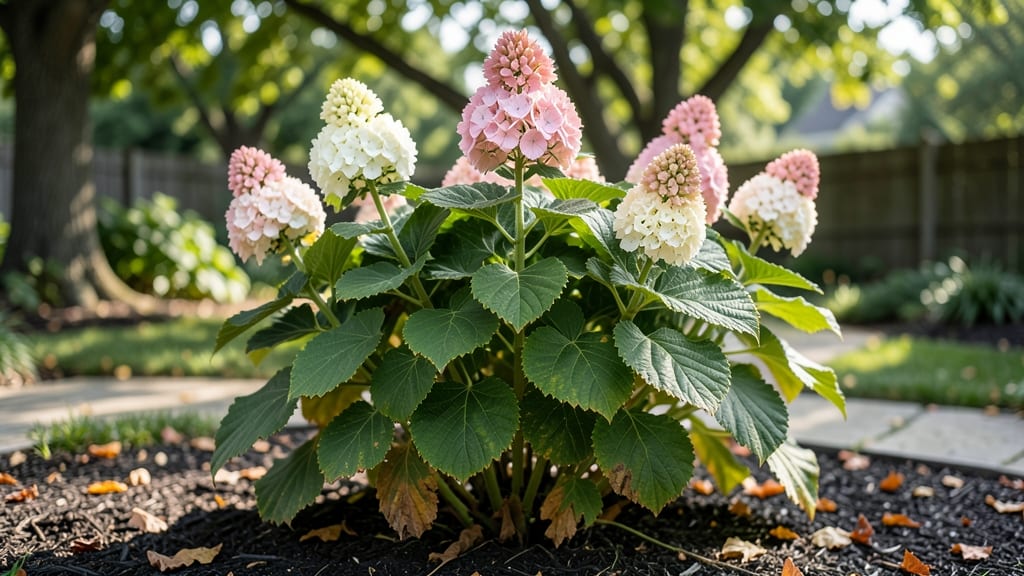
The oak leaf hydrangea light requirements are all about striking the perfect balance between sun and shade to unlock its stunning foliage and blooms 🌿.
Struggling to get your oak leaf hydrangea to bloom as beautifully as your neighbors’? The secret might be hiding in sunlight—or lack of it. These shrubs thrive in conditions most gardeners overlook, but getting the light balance just right can mean the difference between sparse blooms and lush, vibrant foliage.
Too much direct sun can scorch those iconic oak-shaped leaves, while too little shade might leave you with fewer flowers than you’d hoped. The ideal spot offers morning sun and afternoon shade, but how do you know if your yard is giving it what it needs?
In this guide, I’ll break down the science behind oak leaf hydrangea light needs, show you how to spot when your plant is getting it wrong, and share practical fixes—from pruning to strategic planting—so you can enjoy those show-stopping blooms year after year.

Oak leaf hydrangea light requirements: ideal sunlight balance for maximum blooms
Oak leaf hydrangeas (Hydrangea quercifolia) are prized for their stunning foliage and dramatic blooms, but their light requirements often confuse gardeners. Unlike sun-loving shrubs, these beauties thrive in partial shade, where they receive 4-6 hours of filtered sunlight daily.
Too much direct sun can scorch leaves, while too little shade may reduce blooming. Understanding this balance is key to unlocking their full potential.
The ideal light balance for oak leaf hydrangeas combines morning sun exposure with afternoon shade protection. Morning sunlight provides the energy needed for photosynthesis, while afternoon shade prevents leaf burn and stress.
This balance also enhances their foliage color, which can range from deep green to vibrant burgundy, depending on light conditions.
Seasonal adjustments are crucial. In summer months, when sunlight is most intense, provide extra shade to protect leaves. In spring and fall, when sunlight is gentler, you can gradually increase exposure to encourage blooming. This adaptability makes oak leaf hydrangeas versatile for various garden settings.
Photosynthesis is the science behind why oak leaf hydrangeas need this specific light balance. Chlorophyll in leaves absorbs sunlight to convert carbon dioxide and water into energy. Partial shade ensures chlorophyll production remains efficient without overheating the plant.
Too much direct sun can damage chlorophyll, leading to leaf burn and reduced photosynthesis, while too little light weakens the plant’s energy production.
One common mistake is assuming all hydrangeas have the same light needs. Unlike bigleaf or panicle hydrangeas, oak leaf varieties are more shade-tolerant.
Planting them in full sun can cause leaves to turn yellow or brown, while placing them in deep shade may result in fewer blooms and stretched, weak stems. Always observe your plant’s response to adjust light exposure accordingly.
If your garden lacks natural shade, use light-colored paint on fences or install sheer fabric screens to filter sunlight. For containers, place hydrangeas near east-facing windows or under dappled tree canopies. These solutions mimic ideal light conditions while protecting delicate foliage from harsh afternoon rays.
Adjusting light exposure seasonally is another pro tip. In spring, gradually introduce more sunlight to stimulate blooming. By late summer, reduce exposure to prevent heat stress. This seasonal tweaking ensures your hydrangea stays healthy and blooms prolifically year after year.
Monitor your oak leaf hydrangea’s leaves for color changes. Deep green leaves indicate ideal light, while yellowing or browning suggests too much sun. Conversely, pale or weak foliage signals insufficient light. Use these visual cues to fine-tune placement and maintain the perfect balance for maximum blooms.
With the right light balance, your oak leaf hydrangea will reward you with vibrant foliage and abundant blooms from late spring to summer. Paying attention to sunlight patterns and adjusting care accordingly ensures this stunning shrub becomes the star of your garden for decades.
Shade tolerance map: where to plant oak leaf hydrangeas for best results
Oak leaf hydrangeas (Hydrangea quercifolia) are masters of adaptability, thriving where many shade-loving plants struggle. But not all shade is equal—urban canopies cast different light than rural tree shade, and north-facing yards get far less sun than south exposures.
Understanding these microclimates is key to unlocking your plant's full potential, from vibrant foliage to abundant blooms.
Your USDA hardiness zone also plays a role. While these hydrangeas handle zones 5-9, their light needs shift with latitude. Northern gardeners in zone 6 or cooler often need more morning sun to compensate for shorter growing seasons, while zone 8+ gardens can push them into denser shade.
Let's map out where to plant based on your property's unique light patterns.
🌿
For urban gardens, where buildings and pavement create heat islands, position your hydrangea where it gets morning sun and afternoon shade. This prevents leaf scorch while still providing enough light for photosynthesis.
In rural settings, focus on areas with dappled sunlight—think under tall deciduous trees where branches filter light naturally.
North-facing yards present unique challenges. If your property is entirely north-facing, supplement with a reflective surface like light-colored mulch or a white fence to bounce extra light onto the plant. Alternatively, choose a semi-dwarf variety like 'Snow Queen' which tolerates slightly denser shade better than standard types.
Seasonal light changes matter too. In summer, when days are long, your hydrangea may need afternoon shade protection. Use lightweight shade cloth (30-50% coverage) if leaves start curling.
Conversely, in winter, when evergreens drop needles, what was once dense shade becomes bright light—prune back aggressive branches to prevent sunburn on emerging shoots in spring.
Remember: Leaf color is your best indicator of light success. Deep bronze-red foliage in fall means perfect shade balance, while yellowing leaves signal too much sun. Adjust gradually—hydrangeas hate sudden light changes—by moving pots incrementally or thinning nearby tree branches over time. 🌻