
Trees
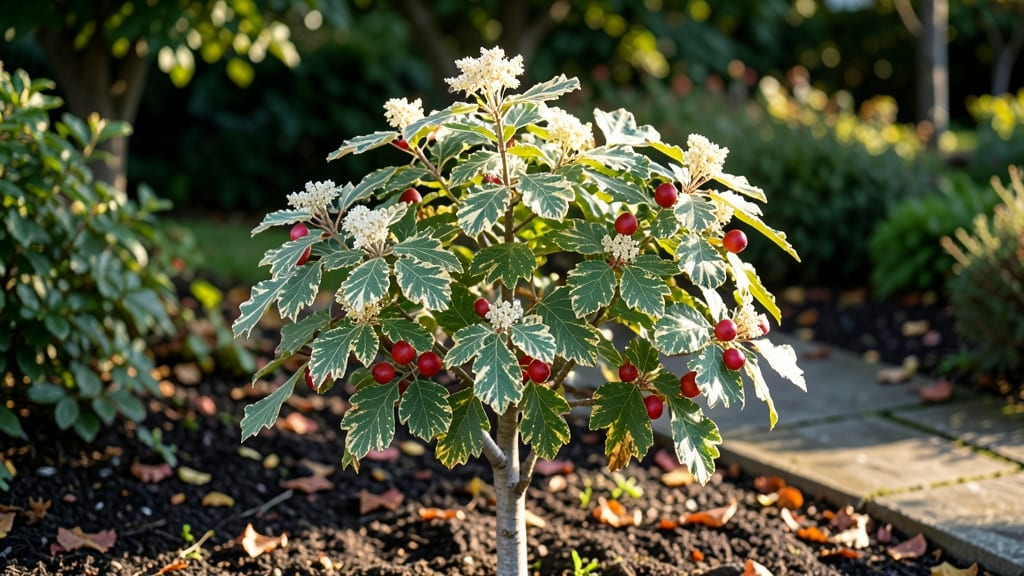
Planting an oak leaf mountain ash means adding a four-season star to your landscape—its fiery fall foliage and bright red berries outshine most trees. 🌿 I fell for this cultivar after seeing how it thrives in my Zone 5 yard, where winters test even the toughest plants.
Unlike fussy ornamentals, this one handles cold snaps, poor soil, and urban grit with surprising grace. The secret lies in its adaptability: it grows in full sun to partial shade, tolerates dry spells once established, and even improves with age.
My tree now stands as the focal point of my front yard, its glossy leaves turning brilliant orange-red by October. You’ll love how it pairs with evergreens or stands alone as a specimen. With minimal pruning and no serious pest issues, maintenance becomes almost effortless.
The berries attract birds year-round, and the structure provides year-long interest—something most trees can’t match. Even in challenging climates, this tree delivers beauty without the fuss. For experienced gardeners, layering with companion plants like boxwood or hemlock creates stunning contrasts. Beginners will appreciate its forgiving nature and low-maintenance care.
Let’s get yours planted!
📚 In This Guide
- What you need
- Instructions
- Tips and common mistakes
- Wrapping up and next steps
What you need
- ● Oak leaf mountain ash tree: 1 healthy, 1- to 3-gallon container-grown sapling (ensure it’s labeled as cold-hardy, Zone 3-6).
- ● Well-draining soil: Mix of topsoil, compost (20%), and perlite/sand (10%) for optimal aeration.
- ● Organic mulch: 2–3 inches of wood chips or shredded bark (keep mulch 6 inches away from the trunk).
- ● Slow-release fertilizer: Balanced 10-10-10 or 20-20-20 (apply in early spring).
- ● Watering can or hose with a gentle spray nozzle: For deep, infrequent watering.
- ● Garden gloves: Heavy-duty for planting and pruning.
- ● Trowel or spade: For digging planting holes (1.5x wider than the root ball).
- ● Pruning shears: Bypass pruners (sterilized with rubbing alcohol).
- ● Measuring tape: To mark planting depth and spacing (15–20 ft apart for mature trees).
- ○ Optional: Tree support stake (if planting in windy areas).
- ● Soil pH test kit (ideal range: 6.0–7.0).
- ● Drip irrigation system (for large plantings).
- ● Sunlight: Full sun to partial shade (6+ hours of sunlight daily).
- ● Climate: Cold-hardy zones 3–6 (thrives in temperatures down to -40°F).
- ● Site preparation: Clear weeds, rocks, or competing roots within a 3-ft radius.
- ● Patience: Trees grow 1–2 ft/year—plan for long-term structure! 🌿
Step-by-Step guide for planting and cultivating oak leaf mountain ash
This striking tree thrives with minimal fuss—just follow these steps for lush, cold-resistant foliage.
🌱 Step 1: Select and Prepare the Planting Site
Oak leaf mountain ash (Sorbus aucuparia 'Edulis') thrives in full sun to partial shade with 6+ hours of direct light daily. Choose a location with well-draining soil—this tree hates soggy roots. If your soil is heavy clay, amend with 2-3 inches of compost mixed into the top 12 inches of soil before planting.
Dig a hole twice as wide as the root ball but only as deep as the container’s base. Loosen the sides of the hole with a shovel to encourage root spread. Here’s the thing—mountain ash tolerates dry conditions once established, but young trees need consistent moisture for the first two growing seasons.
🪴 Step 2: Plant the Tree at the Right Depth and Stake if Needed
Remove the tree from its container and gently tease the roots apart if they’re circling. Place it in the hole so the top of the root ball sits level with the surrounding soil—burying too deep smothers the trunk and invites disease. Backfill with native soil, tamping lightly every 4 inches to eliminate air pockets.
Stake the tree only if necessary—windy sites or shallow soil may require temporary support. Use two stakes positioned diagonally, tied loosely with soft fabric strips (never wire, which can girdle the trunk). Water deeply after planting to settle the soil and eliminate air gaps around the roots.
☀️ Step 3: Water and Mulch for Moisture Retention
Water the tree deeply once a week for the first two months, then taper to every 10-14 days unless rainfall provides 1 inch of moisture. Oak leaf mountain ash develops a deep taproot, so deep watering encourages strong growth. You’ll know it’s getting enough water when the top 2 inches of soil feel dry between waterings.
Apply 3 inches of organic mulch (wood chips or shredded bark) over the root zone, keeping it 6 inches away from the trunk to prevent rot. Mulch conserves moisture, regulates soil temperature, and suppresses weeds—critical for young trees still building their root systems.
✂️ Step 4: Prune for Structure and Health in Late Winter
Prune only in late winter or early spring, before new growth begins. Remove dead, diseased, or crossing branches first, cutting back to the collateral bud just outside the branch collar. Thin out overcrowded branches to improve airflow and reduce fungal risks—this tree’s dense foliage can trap moisture if left unchecked.
Shape the tree lightly if needed, but oak leaf mountain ash has natural elegance—avoid heavy pruning. Real talk: Over-pruning stresses the tree and delays the vibrant fall color you’re after. After pruning, apply a balanced fertilizer (10-10-10) to support new growth.
⏰ Step 5: Monitor for Pests and Winter Care
Watch for fire blight (blackened branches) or aphids on new shoots—treat with neem oil if spotted. This tree is highly cold-hardy (USDA Zones 3-7), but young specimens benefit from winter mulch (add 4-6 inches of mulch in late fall, then remove in early spring). Avoid heavy snow loads by shaking branches gently after storms.
Fertilize lightly in early spring with a slow-release granular fertilizer—too much nitrogen reduces cold hardiness. With proper care, your oak leaf mountain ash will deliver year-round structure, from glossy green leaves in summer to stunning red berries and fiery fall foliage.
Tips & tricks for perfect oak leaf mountain ash cultivation
Here’s what nobody tells you about growing this resilient beauty—simple adjustments that make all the difference.
Soil Prep Secret: When amending heavy clay with 2-3 inches of compost in Step 1, mix it into the top 12 inches of soil and let it sit uncovered for 24 hours before planting. This allows the compost to break down slightly and improves drainage. I learned this the hard way after planting in untreated clay—roots struggled for years. Test your soil’s moisture retention by squeezing a handful: if it forms a tight ball, you need more compost.
Planting Depth Check: In Step 2, use a level or straight board to verify the root ball sits perfectly level with the surrounding soil. Burying even an inch too deep creates a "trench" around the trunk that traps moisture and invites rot. For container-grown trees, gently squeeze the root ball—if it feels compressed, score the sides with a knife to encourage outward growth before planting. This helps prevent circling roots that strangle the tree.
Watering Wisdom: The deep watering schedule in Step 3 is non-negotiable for the first two months, but here’s the trick: use a moisture meter or your finger to check soil depth. If the top 2 inches feel moist after your weekly watering, you’re overdoing it. Mountain ash roots grow deep, so aim for 6-8 inches of moist soil—this encourages that powerful taproot development. A soaker hose set on low for 20-30 minutes works better than quick surface watering.
Pruning Precision: When pruning in late winter (Step 4), make cuts just outside the collateral bud at a 45-degree angle—this prevents water from pooling on the cut. For larger branches, use three cuts: an undercut, a top cut, and a final clean cut to avoid tearing the bark. Never remove more than 25% of the canopy in one season, or you risk shocking the tree and dulling that spectacular fall color. I’ve seen gardeners over-prune, thinking they’re helping, only to delay the tree’s maturity by years.
Pro Tips for Oak Leaf Mountain Ash
- Here’s what nobody tells you about growing this resilient beauty—simple adjustments that make all the difference.
- Soil Prep Secret: When amending heavy clay with 2-3 inches of compost in Step 1, mix it into the top 12 inches of soil and let it sit uncovered for 24 hours before planting.
- Planting Depth Check: In Step 2, use a level or straight board to verify the root ball sits perfectly level with the surrounding soil.
Frequently asked questions
Got questions about growing oak leaf mountain ash? You’re not alone—this stunning tree has unique needs! Below, we’ve tackled the most common queries to help you cultivate a thriving specimen with confidence.
How fast does oak leaf mountain ash grow, and when can I expect fruit?
Oak leaf mountain ash grows at a moderate pace, averaging 12–24 inches per year under ideal conditions. With patience, it typically reaches maturity (15–30 feet tall) in 10–20 years. Bright red berries (a favorite for birds!) usually appear in late summer to fall, but fruiting may take 5–10 years after planting.
Is oak leaf mountain ash truly cold-hardy? What zones does it tolerate?
This tree is a Zone 4–8 powerhouse, enduring winters as cold as -30°F without fuss. Its resilience makes it perfect for northern climates, though it thrives best in full sun to partial shade with well-draining soil. Just avoid soggy spots—root rot is its Achilles’ heel.
Can I grow oak leaf mountain ash in containers? What’s the best pot size?
While it’s not ideal for containers long-term (roots get huge!), young saplings can live in 15–20 gallon pots for 2–3 years with regular pruning. Use fast-draining mix and upgrade to the ground ASAP. Pro tip: Elevate pots to prevent waterlogging—this tree hates wet feet!
Are the berries safe for humans, or are they only for birds?
The berries are edible but bland—not a gourmet treat! While birds love them, humans might find them mealy and tasteless. That said, they’re non-toxic, so kids/pets can nibble (but don’t expect a flavor explosion). The real star? The winter interest they provide when snow blankets the tree!
How do I prune oak leaf mountain ash to encourage bushier growth?
Prune in late winter or early spring (before buds swell) to shape the tree. Focus on:
- Remove dead/diseased branches first—always cut just above a bud or lateral branch.
- Thin crowded areas to improve airflow (reduces fungal risks).
- Avoid heavy pruning—this tree responds best to light trimming (no more than 25% of foliage at once).
Wrapping up and next steps
The oak leaf mountain ash is a standout choice for gardeners seeking year-round beauty and cold-hardy resilience. Its striking foliage, vibrant berries, and adaptability make it a low-maintenance yet high-impact addition to any landscape.
Whether you're a seasoned gardener or just starting out, this tree offers effortless elegance with minimal fuss!
Ready to bring its charm to your yard? Start by gathering your supplies—soil, mulch, and a sunny spot—and plant with confidence! 🌱 With the right care, you’ll soon enjoy a tree that thrives in every season.