
Aphids
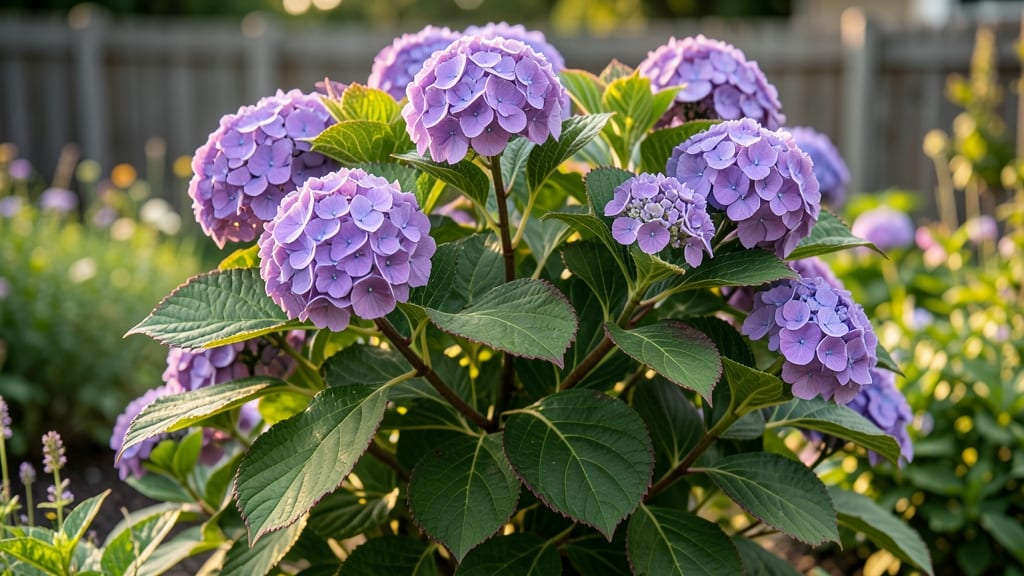
Growing Oakleaf Hydrangea 'Amethyst' means purple foliage that stays stunning even in winter. 🌿 This cold-hardy beauty thrives in zones 5-9, where its deep purple leaves and white summer blooms create a showstopping display that lasts all season long.
Unlike other hydrangeas, 'Amethyst' keeps its color—no fading, no browning—making it the low-maintenance star of shade gardens.
The secret to its success? Plant it where morning sun warms the leaves but afternoon shade keeps them from scorching. Well-draining soil with a slightly acidic pH (5.5-6.5) ensures those rich purple tones stay vibrant, while regular watering during dry spells prevents leaf drop.
Unlike fussy varieties, 'Amethyst' forgives occasional neglect—just don’t let it sit in soggy soil, and you’ll have blooms for years.
By late summer, you’ll be harvesting dried flower heads for winter arrangements while the foliage turns shades of copper and gold. Pruning is simple: trim back dead stems in late winter and shape lightly after blooming to encourage fuller growth.
The best part? It’s deer-resistant and thrives in tight spaces, making it perfect for small yards or containers.
For maximum impact, pair it with ferns or hostas—its height and texture create a stunning backdrop. If pests like aphids appear, a strong spray of water usually does the trick. With minimal care, 'Amethyst' will reward you with decades of color, proving that some plants are truly foolproof.
📚 In This Guide
- What you need
- Instructions
- Tips and common mistakes
- Wrapping up and next steps
What you need
- ● Oakleaf Hydrangea 'Amethyst' plant: 1 healthy nursery-grown specimen (3–5 gallons in container or 1-gallon bare-root for transplanting).
- ● Well-draining soil: Mix of 50% native soil, 30% compost, and 20% perlite/organic matter (pH 5.5–6.5).
- ● Organic mulch: 2–3 inches of pine bark fines or shredded leaves (retains moisture, regulates temperature).
- ● Slow-release fertilizer: 10-10-10 or balanced organic fertilizer (e.g., fish emulsion or compost tea).
- ● Garden trowel & pruning shears: Sharp, sterilized tools for planting/pruning.
- ● Watering can or hose with nozzle: For gentle, deep watering (1–1.5 gallons per watering).
- ○ Staking (optional but helpful): 1–2 bamboo stakes (4–5 ft tall) + soft plant ties (if planting in windy areas).
- ● Soil test kit: To check pH/nutrient levels before planting.
- ● Mulch ring: Plastic or metal to keep mulch contained.
- ● Epsom salt (magnesium sulfate): 1 tbsp/month in water for vibrant purple blooms.
- ● Fungicide (preventative): Copper-based spray for aphid/pest-prone areas.
- ● Garden gloves: To protect hands while handling soil/mulch.
Step-by-Step guide to planting and caring for oakleaf hydrangea 'Amethyst'
Here’s how to establish this stunning, cold-tolerant shrub for years of purple blooms with minimal fuss.
🪴 Step 1: Choose the Perfect Planting Spot
Oakleaf hydrangeas thrive in partial shade—think morning sun with afternoon shade—especially in hotter climates. 'Amethyst' tolerates full sun in cooler regions, but too much midday heat can scorch its leaves. Look for a location with well-draining soil and 6+ hours of dappled light. Avoid spots where water pools after rain.
Dig a hole twice as wide as the root ball but only as deep. The top of the root ball should sit 1 inch above ground level—this prevents rot from sitting water. Loosen the roots gently if they’re circling the pot, then place the plant in the hole. The reason for this extra care? Oakleaf hydrangeas hate root stress and reward patience with stronger growth.
☀️ Step 2: Amend Soil and Plant for Long-Term Health
Mix 3 inches of compost into the native soil at the bottom of the hole. Oakleaf hydrangeas love slightly acidic to neutral soil (pH 5.5-7.0)—test your soil if unsure. Avoid heavy amendments like peat moss unless your soil is extremely alkaline. Fill the hole halfway, water deeply to settle the soil, then add more until the root ball is covered.
Press the soil gently around the base but don’t compact it. Mulch with 2-3 inches of wood chips (keep mulch 3 inches away from the stem to prevent rot). This mimics the leaf litter hydrangeas would naturally find in the wild. Water thoroughly after planting—1-2 gallons per plant—to help roots establish. You’ll know it’s right when the soil feels damp 6 inches down after watering.
💧 Step 3: Water and Fertilize for First-Year Success
Keep the soil consistently moist but not soggy for the first 6-8 weeks. Deep water 2-3 times per week—check by sticking your finger 2 inches into the soil. If it’s dry, water again. Overwatering is the fastest way to kill hydrangeas, so let the top inch dry out between waterings once established.
In early spring, apply a balanced fertilizer (10-10-10) at half-strength to encourage blooms. Avoid high-nitrogen fertilizers—they promote leafy growth at the expense of flowers. 'Amethyst' blooms on old wood, so prune lightly in late winter to shape, but never cut back into last year’s growth. Real talk: The first year is about roots, not flowers—patience here pays off with bigger blooms later.
✂️ Step 4: Prune and Maintain for Year-Round Beauty
Prune right after flowering (late summer) to shape the shrub and remove dead or crossing branches. Cut back only to just above a leaf node—never more than 1/3 of the plant’s height. This keeps the oakleaf’s signature foliage vibrant and encourages next year’s blooms. Avoid pruning in fall or winter, as 'Amethyst' sets flower buds in late summer.
In late fall, add a 2-inch layer of mulch to protect roots from freeze-thaw cycles. Oakleaf hydrangeas are USDA Zone 4 hardy, but young plants benefit from winter protection. Watch for bronzing leaves in winter—this is normal and won’t harm the plant. By mid-spring, new growth will emerge from the base, signaling it’s survived the cold.
🌿 Step 5: Encourage Repeat Blooms and Longevity
To keep 'Amethyst' flowering reliably, feed lightly in early spring with a low-nitrogen fertilizer (5-10-10). Deadhead spent blooms in early fall to redirect energy to root growth. This shrub rewards consistency—annual pruning, seasonal mulching, and steady watering ensure it thrives for decades.
Watch for powdery mildew on leaves in humid summers. Improve airflow by spacing plants 6-8 feet apart and watering at the base. If mildew appears, treat with neem oil or baking soda spray. With proper care, 'Amethyst' will reward you with vibrant purple blooms from midsummer to fall—and stunning foliage that turns deep red in autumn.
Tips & tricks for oakleaf hydrangea 'Amethyst' success
These practical insights will help you avoid common pitfalls and get the most vibrant blooms from your 'Amethyst' hydrangea.
Soil Preparation Secret: When amending soil in Step 2, consider adding a handful of hydrangea-specific fertilizer to the compost mixture for an extra nutrient boost. Oakleaf hydrangeas thrive in slightly acidic to neutral soil, so if your soil test shows pH above 7.0, mix in sulfur or aluminum sulfate according to package instructions. The goal is to create the perfect environment where roots can establish quickly—this is especially important during those first critical 6-8 weeks mentioned in Step 3.
Root Stress Prevention: In Step 1, if you notice the roots are tightly circling the pot, gently tease them apart with your fingers before planting. This simple step prevents root girdling, which can strangle new growth. I learned this the hard way after seeing a hydrangea struggle for years with restricted roots—now I always check this before planting. The 1-inch elevation of the root ball above ground level also creates better airflow at the base, reducing rot risk.
Watering Wisdom: The 2-3 inches deep watering in Step 2 is crucial, but timing matters just as much. Water in the morning so leaves have time to dry before evening. This prevents fungal issues like powdery mildew that can appear in humid summers. For the first 6-8 weeks, I set a reminder to check moisture levels—consistency is key, but soggy soil is the enemy. A moisture meter is worth the investment if you're unsure about soil conditions.
Pruning Precision: When pruning in Step 4, use sharp, clean shears to make cuts just above a leaf node. This encourages new growth while maintaining the plant's natural shape. I always prune after flowering because 'Amethyst' blooms on old wood—cutting back too early removes next year's flower buds. Mark your calendar for late summer to avoid this common mistake. The 1/3 height limit ensures you don't over-prune, which can stress the plant.
Pro Tips for Oakleaf Hydrangea Amethyst
- These practical insights will help you avoid common pitfalls and get the most vibrant blooms from your 'Amethyst' hydrangea.
- Soil Preparation Secret: When amending soil in Step 2, consider adding a handful of hydrangea-specific fertilizer to the compost mixture for an extra nutrient boost.
- Root Stress Prevention: In Step 1, if you notice the roots are tightly circling the pot, gently tease them apart with your fingers before planting.
Frequently asked questions
Got questions about the stunning Oakleaf Hydrangea 'Amethyst'? Here are some of the most common ones—plus answers to help you grow this cold-hardy beauty with confidence!
How cold can 'Amethyst' hydrangeas tolerate?
'Amethyst' is a cold-hardy variety, thriving in USDA Zones 5–9. With proper mulching (3–4 inches of organic material like shredded bark), it can survive down to -20°F (-29°C). Just protect young plants in their first winter with extra mulch or burlap wraps.
When is the best time to plant 'Amethyst' hydrangeas?
Plant in early spring or fall for ideal results. Spring planting (after the last frost) gives roots time to establish before summer heat, while fall planting (6–8 weeks before frost) allows roots to grow before dormancy. Avoid planting in peak summer or winter.
How often should I water this hydrangea?
Water deeply 1–2 times per week during the first growing season to encourage root growth. Once established, 'Amethyst' is drought-tolerant but benefits from consistent moisture, especially during blooming season. Pro tip: Mulch around the base to retain soil moisture and regulate temperature.
Are 'Amethyst' hydrangeas prone to pests or diseases?
While generally resilient, they can attract aphids, spider mites, or powdery mildew in humid conditions. Prevent issues by:
- Pruning for airflow
- Watering at the base (not overhead)
- Using neem oil if pests appear
Why aren’t my 'Amethyst' hydrangeas blooming?
Lack of blooms often stems from over-pruning (cutting old wood) or poor soil nutrients. These hydrangeas bloom on old wood, so prune only dead or crossing branches in late winter/early spring. Feed with acidic fertilizer (pH 5.0–6.0) in early spring for vibrant blooms.
Can I grow 'Amethyst' in containers?
Yes! Choose a large container (at least 15–20 gallons) with drainage holes and use well-draining, acidic potting mix. Move containers to partial shade in summer and protect from winter winds. Water more frequently than in-ground plants.
Wrapping up and next steps
The Oakleaf Hydrangea 'Amethyst' is a stunning, cold-hardy beauty that rewards gardeners with year-after-year purple blooms and vibrant fall foliage. Whether you're a beginner or a seasoned gardener, its low-maintenance charm and resilience make it a must-have for any landscape.
Ready to transform your outdoor space? Start by selecting the perfect spot—one with partial shade and well-draining soil—and watch your garden flourish with this showstopper!
🌿 Pro Tip: Share your progress with fellow plant lovers—inspiration spreads when we grow together!