
Succulent
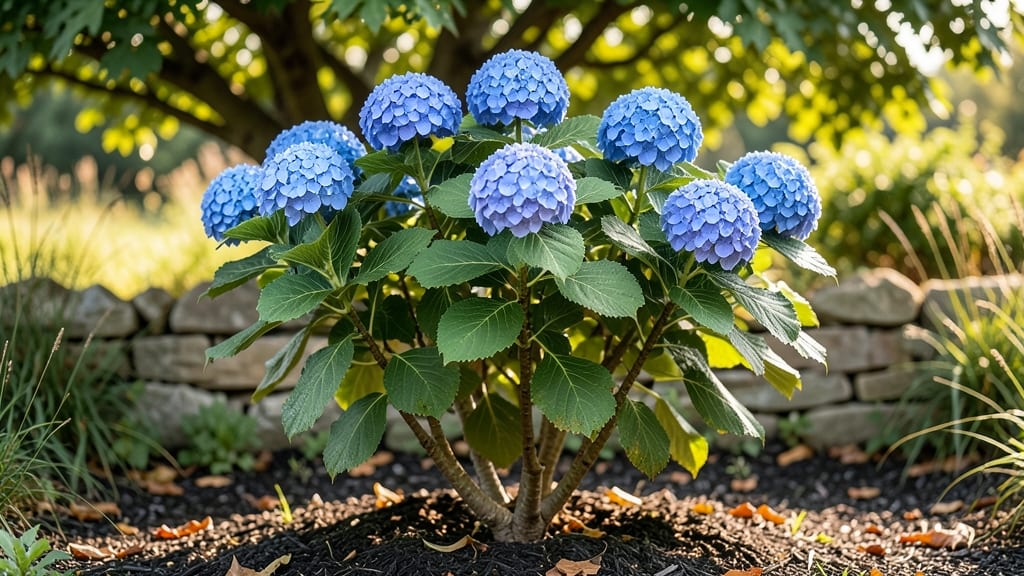
Your oakleaf hydrangea blue won't just survive winter—it'll steal the show with its year-round blue-green foliage that turns fiery red in fall. 🌿 I learned the hard way that these aren't your average hydrangeas: they demand rich soil, morning sun, and protection from harsh afternoon rays to keep those stunning blue-tinted leaves.
The secret to that signature blue-green hue lies in well-draining, acidic soil mixed with compost. Most gardeners overlook the pruning timing—cut back in late winter before new growth appears, and you'll trigger those vibrant blooms by summer.
My 'Pincushion' variety now gets three seasons of color because of this one adjustment. Once established, these hydrangeas become drought-tolerant, but they'll reward you with lush, velvety foliage if you water deeply once a week during dry spells.
The blue-tinted cultivars like 'Snow Queen' develop their best color when planted in partial shade with morning sunlight exposure. For maximum impact, group them with other shade-loving plants like ferns and hostas.
The contrast of their blue-green leaves against deep purples and silvers creates a dramatic, low-maintenance garden focal point that keeps giving all year.
📚 In This Guide
- What you need
- Instructions
- Tips and common mistakes
- Wrapping up and next steps
What you need
- ● Oakleaf hydrangea ('Blue' variety) – 1-3 plants (bare-root or potted, depending on your garden size)
- ● Well-draining, acidic soil – 3-5 bags (1-2 cubic feet each) of peat moss, compost, or hydrangea-specific mix
- ● Organic mulch – 3-5 bags (straw, pine bark, or shredded leaves) to retain moisture and acidity
- ● Slow-release fertilizer – 1-2 bags (look for acid-loving plant formula)
- ● Garden gloves & trowel – 1 pair and 1 sturdy trowel for planting
- ● Watering can or hose with a gentle spray nozzle – For deep but controlled watering
- ● Pruning shears – Sharp, clean pair for shaping and maintenance
- ○ pH testing kit – Optional but helpful to monitor soil acidity (aim for 4.5-5.5 pH)
- ● Stakes or plant supports – 2-4 wooden or bamboo stakes (for young plants)
- ● Sunlight spot – Partial shade (4-6 hours of dappled sun/day)—avoid harsh afternoon sun
- ● Moisture-retentive location – Oakleaf hydrangeas love humidity; group with other plants if in a dry climate
- ● Patience for establishment – New plants may take 1-2 years to reach full blue-green glory!
How to grow oakleaf hydrangea for stunning blue-green foliage
This shade-loving beauty thrives with minimal fuss—here’s how to cultivate its signature blue-green leaves year after year.
🪴 Step 1: Choose the Perfect Planting Site
Oakleaf hydrangeas adore partial shade, ideally with 4-6 hours of morning sun and afternoon shade. A location with dappled sunlight through trees creates their signature blue-green foliage. Avoid full sun—leaves will scorch and lose that prized color. I always test a spot by observing how much light it gets throughout the day before planting.
Well-draining soil is non-negotiable. These plants hate soggy roots, so amend heavy clay with 2-3 inches of compost or organic matter to improve drainage. A slightly acidic to neutral pH (6.0-7.0) ensures vibrant foliage. I dig a hole twice as wide as the root ball but only as deep—planting too deep suffocates the roots and causes stress.
☀️ Step 2: Plant at the Right Time and Depth
Spring or early fall are ideal planting times. Late spring gives roots time to establish before summer heat, while early fall allows root growth before winter dormancy. Handle the root ball gently—never let it dry out before planting. If you bought bare-root, soak roots in water for 10-15 minutes before placing in the hole.
Position the plant so the top of the root ball sits level with the surrounding soil. Press soil firmly around the roots to eliminate air pockets, then water deeply to settle everything. Mulch with 2-3 inches of organic mulch (like shredded bark) to retain moisture and regulate soil temperature. Keep mulch 6 inches away from the stem to prevent rot.
💧 Step 3: Water Consistently for Strong Growth
First year is critical—water deeply once a week (or more in extreme heat) to encourage deep root growth. Check moisture by sticking your finger 2 inches into the soil. If it feels dry, water until moisture reaches 6 inches deep. Oakleaf hydrangeas develop drought tolerance after 2-3 years, but young plants need consistent moisture.
Yellowing leaves usually mean overwatering or poor drainage. If this happens, let the soil dry out slightly between waterings. I always water at the base of the plant in the morning to reduce evaporation and fungal risks. Avoid wetting foliage—this invites powdery mildew, a common issue with hydrangeas.
✂️ Step 4: Prune for Shape and Health
Prune late winter or early spring (before new growth appears) to shape the plant and encourage lush foliage. Remove dead or crossing branches first—these compete for nutrients. For shaping, cut back overly long stems by 1/3 to maintain a balanced form. Never prune into old wood (wood older than 2 years)—it won’t produce new growth.
If your hydrangea flowers poorly, it might be over-pruned. These plants bloom on new wood, so avoid heavy cuts in fall or winter. I always leave 3-4 strong stems to ensure next year’s blooms. After pruning, apply a balanced fertilizer (10-10-10) to support regrowth.
🌿 Step 5: Maintain Year-Round for Long-Term Beauty
Fertilize twice a year: once in early spring and again after blooming in mid-summer. Use a slow-release granular fertilizer or organic options like composted manure. Over-fertilizing causes weak foliage and fewer flowers. I swear by a light hand—too much nitrogen = lush leaves, but no flowers.
Watch for aphids or spider mites on new growth. A strong spray of water usually dislodges them, but severe infestations need neem oil or insecticidal soap. In fall, remove dead flowers but leave seed heads for winter interest. Mulch again in late fall to protect roots from freezing temperatures—this plant’s hardy, but extra care ensures vibrant spring regrowth.
Tips & tricks for perfect oakleaf hydrangea planting
Between us, these shade-loving beauties reward patience with stunning blue-green foliage—but only if you nail the fundamentals. Here's what nobody tells you about growing them right.
Lighting Strategy: That 4-6 hours of morning sun is non-negotiable for the signature blue-green color. I test spots by observing how sunlight filters through trees at different times of day—look for areas where leaves stay cool and moist in afternoon. If your yard gets intense afternoon sun, consider planting near a north-facing wall or under taller deciduous trees that provide natural shade. The key is avoiding that harsh afternoon glare that burns foliage.
Soil Science: The 2-3 inches of compost isn't just about drainage—it's about creating the perfect microbial environment. I always mix in a handful of worm castings for extra nutrients, especially in heavy clay soils. For that 6.0-7.0 pH range, test your soil first—many garden centers offer cheap test kits. If your soil is too acidic, add crushed limestone gradually over time; if it's too alkaline, work in peat moss or pine needles. Remember, oakleaf hydrangeas are more tolerant of soil pH than flowering varieties, but perfect conditions bring out that vibrant color.
Planting Precision: That twice-as-wide hole might seem excessive, but it's crucial for root establishment. The extra space prevents root circling—a common issue that stunts growth. After planting, I always press soil firmly around the roots with my hands (not a shovel!) to eliminate air pockets. For the 2-3 inches of mulch, I use shredded hardwood bark because it breaks down slowly and improves soil structure over time. The 6-inch clearance from the stem prevents rot while still protecting roots from temperature swings.
Watering Wisdom: The "deeply once a week" guideline assumes average conditions, but your watering needs might vary. In extreme heat (above 90°F), I water every 3-4 days instead. That 6-inch deep moisture check is your best friend—if you're lifting a clump of soil and it's dry below 2 inches, it's time to water. For the morning watering routine, I set a timer on my phone so I don't forget. This timing prevents fungal issues from overnight moisture and gives leaves time to dry before evening. The base-only watering technique also keeps foliage dry, which is crucial for preventing powdery mildew.
Pro Tips for Oakleaf Hydrangea Blue
- Between us, these shade-loving beauties reward patience with stunning blue-green foliage—but only if you nail the fundamentals.
- Lighting Strategy: That 4-6 hours of morning sun is non-negotiable for the signature blue-green color.
- Soil Science: The 2-3 inches of compost isn't just about drainage—it's about creating the perfect microbial environment.
Frequently asked questions
Why isn’t my Oakleaf Hydrangea ‘Blue’ staying blue?
The stunning blue-green hue depends on soil pH (aim for 5.0–5.5) and sunlight. Too much direct sun or alkaline soil fades the color. Test your soil and amend with sulfur or peat moss if needed. Mulch with pine needles to maintain acidity naturally.
How fast does Oakleaf Hydrangea ‘Blue’ grow?
Expect 12–24 inches per year under ideal conditions. Growth slows in winter but speeds up in spring/summer with consistent moisture and well-draining soil. Prune in late winter to shape and encourage bushier, more vibrant foliage.
Can I grow Oakleaf Hydrangea ‘Blue’ in a pot?
Use a 15–20 gallon container with drainage holes and a mix of peat moss, perlite, and compost. Repot every 2–3 years and fertilize monthly in spring/summer. Place in partial shade (morning sun max) to prevent stress.
What pests should I watch for with Oakleaf Hydrangea?
Common culprits include aphids, spider mites, and scale insects. Spray leaves with neem oil or insecticidal soap for mild infestations. For severe cases, use a systemic insecticide. Keep plants healthy with proper watering to deter pests!
Does Oakleaf Hydrangea ‘Blue’ lose leaves in winter?
Yes, but don’t worry—it’s deciduous! Prune dead stems in late winter/early spring before new growth emerges. Mulch heavily (3–4 inches) to protect roots from freezing temps. Evergreen varieties like ‘Blue Sky’ retain some foliage.
Wrapping up and next steps
The Oakleaf Hydrangea 'Blue' is a true gem for gardeners seeking year-round color and texture. With its stunning blue-green foliage, adaptability, and low-maintenance charm, it’s the perfect addition to any landscape—whether you’re a seasoned pro or just starting your gardening journey. 🌿✨
Now that you’re armed with care tips and answers to common questions, take the next step! Whether you’re planting one today or dreaming of a hydrangea-filled garden, your space is about to get a whole lot more vibrant. Happy gardening—your future blue-green oasis awaits!