
Flowers
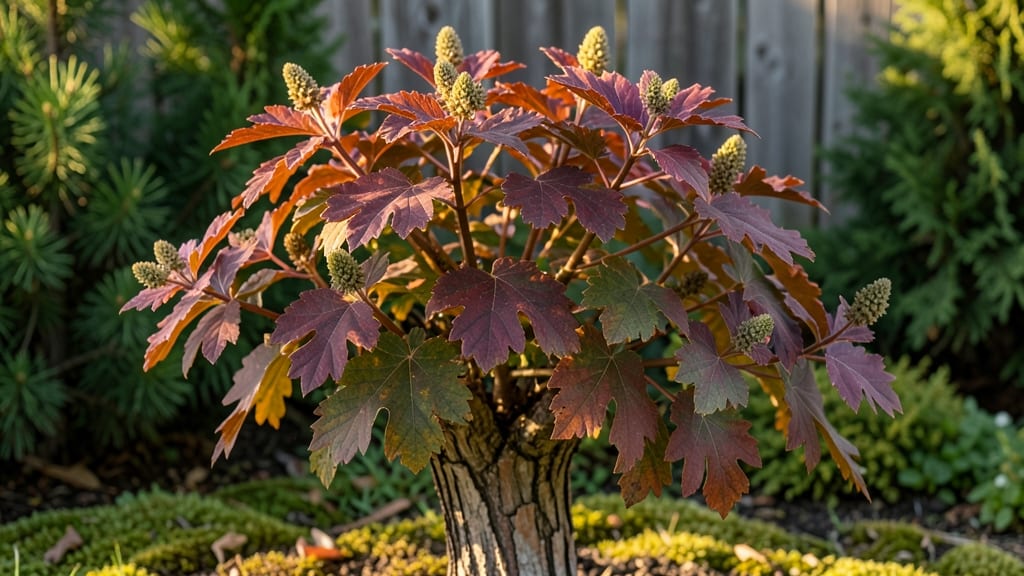
Your garden’s fall centerpiece arrives when oakleaf hydrangeas burst into the fiery fall color—blushes of burgundy, gold, and bronze—a show that outshines any store-bought pumpkin. 🌿 I’ve watched mine transform from lush green to a flaming tapestry over just four weeks, and the secret isn’t luck, but timing and care.
These hydrangeas aren’t just pretty; they’re the plant that turns your yard into an autumn masterpiece with minimal effort.
The magic starts in late summer when the leaves begin their spectacular shift, triggered by cooler nights and shorter days. To deepen those jewel-toned hues, I cut back on summer watering by 30%—just enough to stress the plant slightly, which boosts pigment production.
A light layer of mulch now also helps retain moisture while protecting roots from early frosts.
By October, your oakleaf hydrangea will be the talk of the neighborhood, its large, oak-shaped leaves glowing like embers. The best part? Pruning in late winter (after the first hard freeze) keeps the plant vibrant and bushy for next year’s show.
Simply trim back the previous year’s stems to 6-12 inches from the ground, and you’re set for another stunning autumn display.
This hydrangea thrives in partial shade to full sun, making it perfect for borders, foundation plantings, or even large containers. Whether you’re a first-time gardener or a seasoned pro, oakleaf hydrangeas deliver year-round interest—spring blooms, summer foliage, and that unbeatable fall finale.
Let’s make your garden the envy of the block this autumn.
📚 In This Guide
- What you need
- Instructions
- Tips and common mistakes
- Wrapping up and next steps
What you need
- ● Oakleaf hydrangea plants (3–5 per desired focal point, depending on size goals). Choose Hydrangea quercifolia varieties like 'Snow Queen,' 'Pee Wee,' or 'Amethyst.'
- ● High-quality potting soil (50 lbs bag) or native garden soil (amended with compost for drainage).
- ● Organic mulch (pine straw or shredded bark, 2–3 cubic feet) to retain moisture and protect roots.
- ● Slow-release fertilizer (10-10-10 or balanced organic option, 1 lb per plant).
- ● Pruning shears (sharp, bypass-style, for clean cuts).
- ● Garden gloves (heavy-duty, to protect hands from thorns).
- ● Trowel or spade (for digging holes, 6–8 inches deep).
- ● Watering can or hose with nozzle (gentle spray setting for new plants).
- ● Measuring tape (to ensure proper spacing: 5–6 feet apart for mature shrubs).
- ○ Staking (optional) for young plants in windy areas (3–4 bamboo stakes per plant).
- ○ Aluminum sulfate (optional) (1–2 lbs per plant, if soil pH needs adjustment for blue-toned foliage).
- ○ Plant food spray (optional) (foliar feed like fish emulsion for extra nutrients).
Step-by-step guide to maximizing oakleaf hydrangea fall color
Here's how to coax those fiery autumn hues from your oakleaf hydrangeas—nature's own brushstrokes.
🌿 Step 1: Prune Strategically in Late Summer
Timing matters most for fall color. Prune 4-6 weeks before your first frost—typically mid-to-late August in most climates. This gives the plant time to develop new growth that will harden off and burst with color. I always wait until after the first flush of summer blooms has faded, as these old flowers won't contribute to fall foliage anyway.
Use clean, sharp pruners to remove 1/3 of the oldest stems at the base, cutting just above a set of outward-facing buds. These buds will sprout fresh growth that stores carbohydrates—fuel for those stunning fall leaves. Avoid heavy pruning now; oakleaf hydrangeas store energy in their stems, and aggressive cuts can weaken the plant's ability to produce vibrant autumn color.
☀️ Step 2: Position for Optimal Sunlight Exposure
Oakleaf hydrangeas thrive in morning sun with afternoon shade, especially in hot climates. The key is balancing light for leaf development without scorching. I've found that 4-6 hours of direct morning sun produces the deepest fall colors, while afternoon shade prevents leaf burn that dulls the hues.
Watch your plant's leaves in late summer—they should stay a vibrant green without crisping at the edges. If you notice yellowing or browning, move the plant to a slightly shadier spot immediately. Mulch the base with 2-3 inches of organic mulch to retain moisture and cool root zones during heatwaves.
💧 Step 3: Adjust Watering for Fall Color Intensity
Consistent moisture is critical for vibrant fall foliage. Water deeply once weekly during dry periods, aiming for 1-1.5 inches of water per week. The soil should feel moist 6 inches deep—stick your finger in to check. Oakleaf hydrangeas are drought-tolerant once established, but under-watering in late summer leads to dull, muted fall colors.
Here's the thing—don't overwater in fall. Soggy soil before frost can rot stems and prevent proper color development. I always water in the early morning to allow leaves to dry completely, reducing fungal risks. If your area gets heavy rains, let the soil dry slightly between showers to prevent root suffocation.
✂️ Step 4: Fertilize for Rich Autumn Hues
Apply a balanced, slow-release fertilizer (like 10-10-10) in early September, following package rates. This timing gives the plant nutrients to develop vibrant fall foliage without encouraging late-season growth that might not harden off properly. I avoid high-nitrogen fertilizers now—they promote leaf growth at the expense of color intensity.
For a natural boost, top-dress with 1-2 inches of compost around the base. This improves soil structure and provides micronutrients that enhance those fiery fall shades. After fertilizing, water thoroughly to help nutrients penetrate the root zone. You'll notice leaves developing deeper green tones in late summer—this is your signal the plant is storing energy for autumn's color show.
🌱 Step 5: Protect from Early Frost Damage
When nighttime temperatures dip below 40°F, take protective measures. Wrap young plants with burlap or frost cloth, securing it loosely to allow airflow. Mature plants usually handle light frosts, but their leaves will develop frost burn if exposed to prolonged cold. I've found that mulching heavily (up to 4 inches) around the base insulates roots and preserves leaf color longer.
Watch for the first signs of frost—tiny ice crystals on leaves or silvery sheen in the morning. At this point, the color change is irreversible, but protecting the plant ensures next year's performance. Remove protective coverings during the day to prevent overheating, and avoid watering once temperatures drop below 50°F—wet foliage freezes more easily.
Tips & tricks for perfect oakleaf hydrangea fall color
These simple yet powerful strategies will help you transform your oakleaf hydrangeas into autumn's most stunning centerpieces.
Timing is Everything: The 4-6 week window before your first frost is your golden opportunity. I've found that pruning right after summer blooms fade—around mid-to-late August—gives new growth just enough time to mature and develop those incredible fall pigments. If you miss this window, don't worry: you can still prune in early September, but the color intensity may be slightly reduced. The key is to avoid pruning after the first frost, as this can stimulate new growth that won't have time to harden off properly before winter.
Sunlight Strategy: For those vibrant fall colors, aim for 4-6 hours of morning sun—this is when sunlight contains the most energy for photosynthesis. I've noticed that plants receiving afternoon shade develop more intense fall colors because they avoid the stress of hot afternoon sun. If your garden gets intense afternoon sun, consider using a sheer shade cloth or providing afternoon shade with a nearby tree or structure. The goal is to keep leaves a vibrant green throughout summer, as this sets the stage for the most spectacular fall transformation.
Watering Wisdom: The 1-1.5 inch weekly watering guideline is crucial, but timing matters just as much. I've learned that early morning watering prevents fungal diseases by allowing leaves to dry completely during the day. For established plants, you can actually reduce watering slightly as fall approaches—just keep the soil moist to 6 inches deep. This helps signal the plant that winter is coming, which can actually intensify those fall colors as the plant prepares for dormancy.
Frost Protection: When temperatures dip below 40°F, it's time to act. I've found that wrapping young plants with burlap or frost cloth works wonders—just make sure it's secured loosely to allow airflow. For mature plants, focus on that 4-inch mulch layer around the base. This insulation helps maintain root temperature and preserves those stunning fall colors longer. Remember to remove protective coverings during the day to prevent overheating, and avoid watering once temperatures drop below 50°F—wet foliage is more susceptible to frost damage.
Pro Tips for Oakleaf Hydrangea Fall Color
- These simple yet powerful strategies will help you transform your oakleaf hydrangeas into autumn's most stunning centerpieces.
- Timing is Everything: The 4-6 week window before your first frost is your golden opportunity.
- Sunlight Strategy: For those vibrant fall colors, aim for 4-6 hours of morning sun—this is when sunlight contains the most energy for photosynthesis.
Frequently asked questions
Got questions about Oakleaf Hydrangea’s fall transformation?
Here are the answers to the most common ones—so you can enjoy those fiery hues without a hitch!
When do Oakleaf Hydrangeas peak for fall color?
Peak fall color typically arrives in October to November, depending on your climate. Cooler nights and crisp air trigger the stunning red, purple, or orange hues. In warmer zones, colors may linger into December!
Why isn’t my Oakleaf Hydrangea changing color this fall?
If your leaves stay green, it could mean too much shade, over-fertilizing, or late-season pruning. Ensure it gets 3–6 hours of sunlight and prune after flowering (late winter/early spring).
Can I prune Oakleaf Hydrangeas in fall for better color?
Prune only dead or diseased branches in fall—never cut back healthy stems! Pruning now can reduce next year’s blooms. Save major shaping for late winter or early spring (just before new growth starts).
Are there alternatives to Oakleaf Hydrangeas for fall color?
Yes! Try Panicle Hydrangeas (golden tones), Smoke Bush (deep purples), or Virginia Sweetspire (crimson foliage). Each offers unique autumn drama with lower maintenance.
How do I make my Oakleaf Hydrangea’s fall colors even more vibrant?
Boost color by watering deeply but less frequently (avoid soggy roots) and applying a balanced fertilizer in early summer. Mulch with organic material (like shredded bark) to protect roots from temperature swings!
Wrapping up and next steps
Ready to transform your garden into a breathtaking autumn masterpiece?
The oakleaf hydrangea’s fiery fall hues—ranging from deep reds to fiery oranges—are nature’s way of painting your outdoor space with unmatched drama. 🍂 With the right care, you’ll enjoy these stunning colors year after year, turning heads and filling your space with seasonal joy.
Now’s the perfect time to plant, prune, or simply admire your hydrangeas. Grab a pair of gloves, step outside, and let your garden become the talk of the neighborhood! Need a refresher? Dive back into our FAQs or explore more tips to keep your oakleaf hydrangeas thriving.