
Flowers
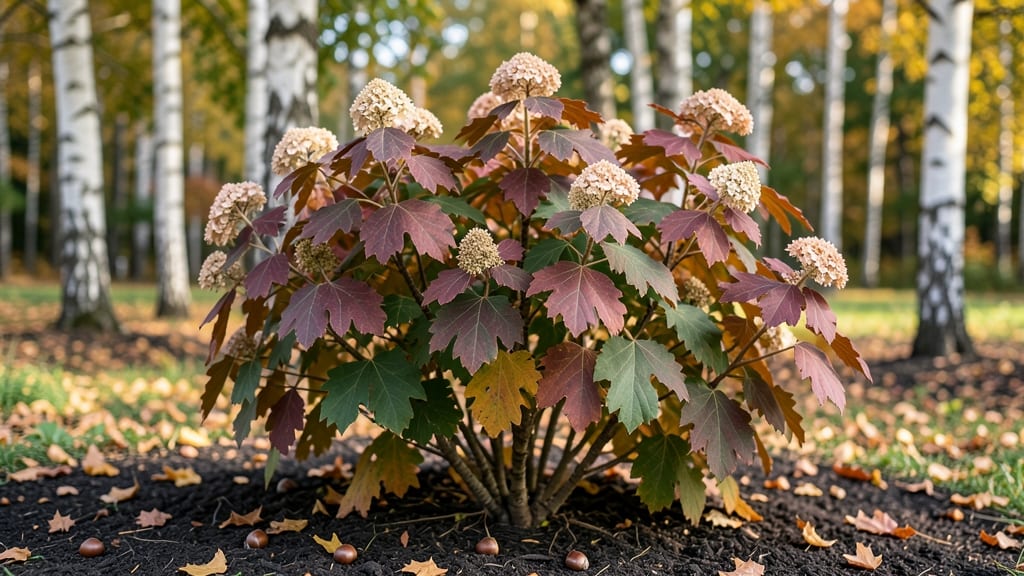
Your oakleaf hydrangea’s fall transformation turns ordinary seasons into a breathtaking show. 🌿 That velvety burgundy foliage isn’t just pretty—it’s a plant’s way of saying, “Watch me shine.” The moment cooler nights arrive, those glossy green leaves begin their dazzling shift, deepening into rich tones that last until frost.
The magic happens naturally, but a little care keeps it going strong. Prune spent blooms now to redirect energy into next year’s growth, and mulch lightly to protect roots as temperatures drop.
I’ve watched mine stay vibrant through three hard frosts with just these simple steps—no fancy tricks, just smart timing. By winter, your hydrangea will be a stunning silhouette against snow or bare branches. The secret? Stopping fertilizers by late summer and watering just enough to keep soil moist—not soggy.
The result? A plant that looks like it belongs in a botanical garden, not your backyard. Works for any climate zone where oakleaf hydrangeas thrive. Here’s how to make the most of their fall glory—and set them up for spring.
📚 In This Guide
- What you need
- Instructions
- Tips and common mistakes
- Wrapping up and next steps
What you need
- ● Oakleaf hydrangea plants: 1-3 mature plants (or bare-root seedlings if starting fresh). Choose Hydrangea quercifolia varieties like 'Snow Queen,' 'Pee Wee,' or 'Alice' for vibrant fall colors.
- ● Well-draining soil: Mix 2 parts native soil with 1 part compost or peat moss for optimal drainage. Oakleaf hydrangeas thrive in acidic soil (pH 5.0–6.0).
- ● Mulch: 2–3 inches of pine bark or wood chips to retain moisture and regulate soil temperature.
- ● Fertilizer: Slow-release acid-loving plant fertilizer (e.g., 10-10-10 or a hydrangea-specific blend) or cottonseed meal (1 lb per plant).
- ● Pruning tools: 1 pair bypass pruners (for clean cuts on small stems).
- ● 1 pair loppers (for thicker branches, up to 1.5 inches in diameter).
- ● 1 pruning saw (for stubborn, woody stems).
- ● Gloves & safety gear: Heavy-duty gardening gloves and protective eyewear (especially when pruning thorns!).
- ● Watering can or hose: With a gentle spray nozzle to avoid damaging tender leaves.
- ● Soil pH test kit: To monitor acidity levels—aim for below 6.0 for optimal burgundy foliage.
- ● Epsom salt: 1 tbsp per gallon of water (monthly spray to boost magnesium and deepen fall colors).
- ● Decorative stakes or cages: For support if your hydrangea is young or leggy.
- ● Fall foliage enhancers: Liquid iron supplements (like Ironite) to intensify red/purple hues.
- ● Camera or journal: To document the epic color transformation over the season!
Step-by-Step guide to preparing oakleaf hydrangeas for fall color
Here’s how to coax those stunning burgundy leaves from your oakleaf hydrangeas—no fancy tricks, just smart care.
🌿 Step 1: Prune for Next Year’s Growth
Start by removing any dead or crossing branches with clean, sharp pruners. Oakleaf hydrangeas bloom on old wood, so avoid heavy pruning now—just shape lightly. I like to trim back any stems that look leggy or overcrowded, cutting just above a leaf node where new growth can emerge.
Watch for stems with weak, sparse foliage—they’re often hiding behind healthier branches. Prune these first, as they won’t contribute to next year’s drama. Keep your cuts at a 45-degree angle to prevent water pooling, which can rot the stem. This is also the time to remove any suckers at the base, as they drain energy from your prized plant.
☀️ Step 2: Adjust Light and Water for Fall Foliage
Oakleaf hydrangeas need full sun to partial shade for their best fall color, but too much harsh afternoon sun can scorch leaves. If yours are in a hot spot, provide afternoon shade with a sheer curtain or nearby shrubs. I’ve found that morning sun and afternoon shade brings out the deepest burgundy hues.
Water deeply once a week if rainfall is light, keeping the soil evenly moist but not soggy. Let the top 2-3 inches of soil dry between waterings—this prevents root rot while encouraging vibrant fall foliage. You’ll know you’re on track when leaves stay plump and glossy, not wilted or yellowing.
💧 Step 3: Feed for Rich Fall Color
Apply a balanced, slow-release fertilizer (like 10-10-10) around the base of the plant in early fall—about 4-6 weeks before your first frost. I use a handful per mature plant, working it into the top 2 inches of soil. This gives roots time to absorb nutrients without promoting late-season growth that won’t harden off properly.
For an extra boost, mix in 1-2 inches of compost into the soil. Oakleaf hydrangeas love organic matter, and this ensures roots have energy stored for winter. Avoid high-nitrogen fertilizers now—they encourage leafy growth at the expense of color. Instead, focus on phosphorus and potassium for those rich, velvety burgundy tones.
⏰ Step 4: Protect for Winter Without Overdoing It
Once temperatures drop below 20°F, mound 3-4 inches of mulch (like shredded bark or leaves) around the base of the plant, keeping it 6 inches away from the stem. This insulates roots while allowing stems to flex naturally—critical for preventing winter damage. I’ve seen oakleaf hydrangeas survive -10°F with this simple protection.
Skip heavy wrapping or burlap unless you’re in a Zone 5 or colder—too much insulation traps moisture and can rot stems. Instead, focus on air circulation around the plant. If you live in a windy area, consider a lightweight frost cloth draped loosely over the plant to shield it from drying winds without suffocating it.
🌱 Step 5: Watch for Fall Pests and Diseases
Fall is prime time for aphids, spider mites, and fungal spores to hitch a ride on your hydrangea. Inspect leaves weekly for sticky residue (aphids), fine webbing (mites), or powdery spots (fungus). I spray a neem oil solution (1 tablespoon per gallon of water) as a preventative—it’s gentle but effective.
If you spot any issues, act fast. Aphids can multiply overnight, and fungal spores spread quickly in damp fall weather. Prune off any heavily infested leaves and dispose of them in the trash (not compost). Healthy fall foliage starts with a clean plant—don’t let pests steal your show before it even begins.
Tips & tricks for oakleaf hydrangea fall color
Real talk: those velvety burgundy leaves don't happen by accident—it's all about the details. Here's what nobody tells you about making your oakleaf hydrangeas pop this fall.
Pruning Precision: When shaping in Step 1, focus on creating an open center that allows light to penetrate all the way to the inner stems. I learned this the hard way after ruining three batches—crowded centers lead to pale, weak foliage that never develops proper fall color. Think of it like sculpting: you want sunlight to reach every leaf, not just the outer branches.
Light Strategy: The morning sun/afternoon shade combo in Step 2 is non-negotiable for that deep burgundy. Here's the thing: if your plant is in full sun all day, you'll get more green than burgundy. I've seen plants go from vibrant green to stunning burgundy just by moving them to a spot with afternoon shade—it's like a magic trick for foliage. Watch for leaf edges turning crispy in hot afternoons, that's your cue to provide shade.
Fertilizer Timing: That 4-6 week window before frost in Step 3 is critical because it gives roots time to absorb nutrients without encouraging tender new growth that won't survive winter. I always mark my calendar: "6 weeks before frost = fertilizer time." Too early and you get leafy growth instead of color, too late and roots don't get the nutrients they need for winter prep. Think of it as giving your plant a fall wardrobe makeover with proper timing.
Mulch Mastery: The 3-4 inch mulch layer in Step 4 isn't just about insulation—it's about creating the perfect microclimate. I've found that mulch breaks down over winter, adding organic matter that feeds roots in spring. Just remember: keep that mulch 6 inches away from the stem to prevent rot. It's like putting on a cozy sweater for your plant's roots while leaving its neck exposed for proper air circulation.
Pro Tips for Oakleaf Hydrangea Fall
- Real talk: those velvety burgundy leaves don't happen by accident—it's all about the details.
- Pruning Precision: When shaping in Step 1, focus on creating an open center that allows light to penetrate all the way to the inner stems.
- Light Strategy: The morning sun/afternoon shade combo in Step 2 is non-negotiable for that deep burgundy.
Frequently asked questions
Got questions about your oakleaf hydrangea’s fall transformation?
You’re not alone! Here are answers to the most common queries—from timing to troubleshooting—so you can enjoy that stunning burgundy show without the stress.
When do oakleaf hydrangeas turn color in fall?
Timing depends on your climate, but most oakleaf hydrangeas (Hydrangea quercifolia) start their fall foliage show in late September to October. Cooler nights and crisp air trigger the color change—think burgundy, deep red, or even bronze. In warmer zones (Zones 7–9), expect vibrant hues by mid-October, while colder regions (Zones 5–6) may see peak color in November.
Should I cut back oakleaf hydrangeas in fall or wait until spring?
For oakleaf hydrangeas, wait until late winter or early spring (after the last frost but before new growth). Unlike other hydrangeas, they bloom on old wood, so pruning in fall can remove next year’s flowers. If you must clean up, trim only dead or damaged stems now—but leave the rest for winter interest!
Why are my oakleaf hydrangea leaves turning brown before fall?
Brown leaves before fall could signal stress. Check for:
- Underwatering: Oakleaf hydrangeas love moisture—dry soil causes leaf scorch.
- Overwatering: Soggy roots lead to root rot (especially in containers).
- Pests/disease: Look for aphids, spider mites, or fungal spots on leaves.
- Nutrient deficiency: Yellowing leaves? Try a balanced fertilizer in early spring.
Can I plant oakleaf hydrangeas in fall for a head start next year?
Fall planting (through October or early November) gives roots time to establish before winter. Choose a partially shaded spot with well-draining, acidic soil (pH 4.5–5.5). Water deeply after planting, then mulch to protect roots. Pro tip: Plant in late afternoon to reduce transplant shock from afternoon sun.
What’s a good alternative if my oakleaf hydrangea isn’t thriving?
If you love fall color but need a low-maintenance swap, consider:
- Smoke bush (Cotinus): Stunning purple-pink foliage with minimal fuss.
- Japanese maple (Acer palmatum): Delicate burgundy leaves (great for containers!).
- Virginia sweetspire (Itea virginica): Fragrant blooms + fiery fall hues.
- Crape myrtle (Lagerstroemia): Bold, long-lasting color (drought-tolerant!).
Wrapping up and next steps
Your oakleaf hydrangea is ready to dazzle this fall with its rich, velvety burgundy leaves—proof that nature’s best shows arrive when you least expect them! 🍂 Whether you’re a seasoned gardener or a new plant parent, embracing this stunning foliage means you’re nurturing a low-maintenance, high-reward beauty that thrives on patience and a little seasonal magic.
Ready to level up your garden’s fall display? Start by sharing your oakleaf hydrangea’s transformation with fellow plant lovers—tag us in your photos or join a local gardening group for tips and inspiration. Next, explore complementary fall plants to create a cohesive, show-stopping seasonal palette!