
Orchid Care
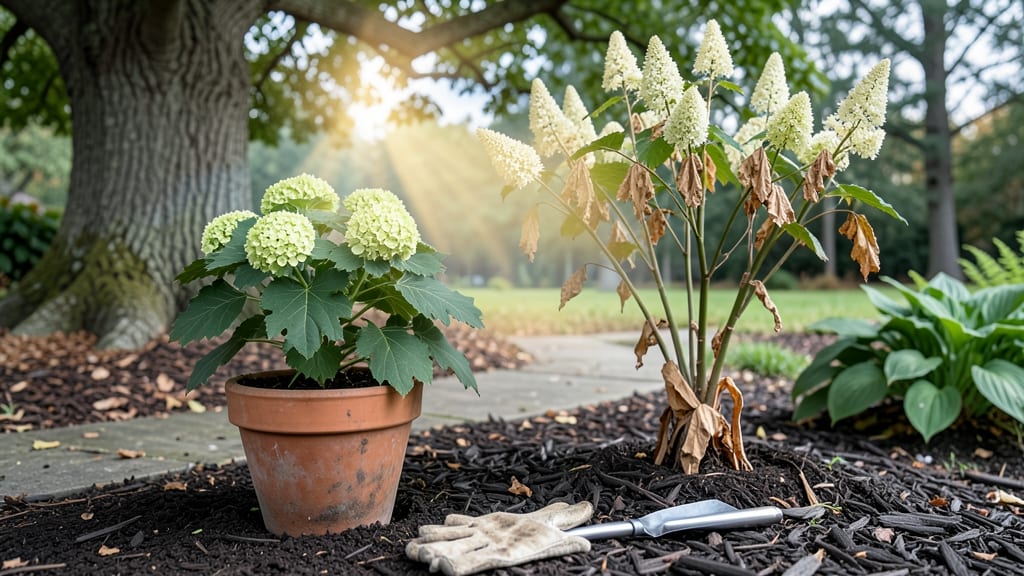
Oakleaf hydrangeas shine brightest in partial shade, where their leaves burst into fiery reds and purples—though they can handle full sun with the right care.
Struggling to decide whether your oakleaf hydrangea thrives better in sun or shade? The right light exposure can transform its foliage from dull green to stunning seasonal hues while keeping those blooms lush and long-lasting.
Too much sun can scorch delicate leaves, while too little shade may weaken growth—but the sweet spot is 3 to 6 hours of morning light with afternoon protection. I’ll break down how to spot the signs of perfect lighting and adjust for your climate.
From soil prep to seasonal shifts, you’ll learn how to give your oakleaf hydrangea the ideal balance for vibrant color year after year.
 Best Window Placement
How sunlight affects oakleaf hydrangea color and growth
Oakleaf hydrangeas are famous for their stunning foliage that shifts from green to fiery red, purple, and orange hues in fall. But did you know sunlight directly controls this color transformation?
Too much sun can scorch leaves, while too little shade dulls their vibrant fall colors. Finding the right balance ensures healthier growth and bigger blooms.
The key lies in understanding how light intensity affects chlorophyll production and anthocyanin pigments. Oakleaf hydrangeas thrive in partial shade—typically 3 to 6 hours of morning sun with afternoon shade. This balance prevents leaf burn while maximizing foliage color intensity and bloom size.
Here’s how sunlight impacts your oakleaf hydrangea at different stages:
| Light Condition | Foliage Color | Bloom Size | Growth Rate | Leaf Health |
|---|---|---|---|---|
| Full Sun (6+ hours) | Dull green (less fall color) | Smaller blooms | Faster but leggy | Leaf scorch risk |
| Partial Shade (3-6 hours) | Deep red/purple/orange | Large, abundant blooms | Balanced growth | Healthy, glossy leaves |
| Deep Shade (<3 hours) | Muted green (minimal fall color) | Sparse, smaller blooms | Slow growth | Weak stems, leggy |
In full sun, oakleaf hydrangeas produce less anthocyanin—the pigment responsible for those stunning fall colors. Without enough shade, leaves can overheat, leading to brown edges and reduced blooming.
On the flip side, too much shade weakens the plant’s structure, resulting in floppy stems and fewer flowers.
For optimal foliage color, aim for morning sun and afternoon shade. This setup mimics natural forest conditions where young trees filter sunlight. If your hydrangea is in a hot, southern exposure, provide afternoon shade using a lightweight shade cloth or nearby trees.
Watch for leaf color changes as a clue. If leaves turn yellow or crispy, it’s getting too much sun. If they stay dull green all season, it needs more light. The ideal balance is bright, indirect light that keeps leaves glossy and vibrant.
Another critical factor is soil moisture. Oakleaf hydrangeas in full sun dry out faster, requiring more frequent watering. In partial shade, they retain moisture better, reducing the need for daily watering.
Always water at the base of the plant to avoid wetting leaves, which can lead to fungal diseases.
Pro tip: If your hydrangea is already established, you can gradually adjust its light exposure over 2-3 weeks to avoid shock. Move it to a sunnier spot in spring or a shadier spot in late summer. Always monitor for leaf stress and adjust as needed.
Finally, remember that foliage color intensifies in fall regardless of sun exposure, but the brightness and depth of reds, purples, and oranges are directly tied to light conditions during the growing season.
With the right balance, your oakleaf hydrangea will reward you with year-round interest—from spring blooms to fall foliage.
Best light conditions by oakleaf hydrangea variety
Not all oakleaf hydrangeas are created equal when it comes to sunlight needs. While most varieties prefer partial shade, some handle full sun beautifully while others thrive in deeper shade. Choosing the right variety for your yard's light conditions ensures vibrant foliage and abundant blooms.
Let's explore the best light conditions for popular oakleaf hydrangea varieties like 'Snow Queen', 'Pee Wee', and 'Annabelle'.
The key to stunning oakleaf hydrangeas lies in understanding how each variety responds to light. Too much sun can cause leaf scorch, while insufficient light may result in pale foliage and fewer blooms.
By matching your variety to your garden's light conditions, you'll unlock the full potential of these show-stopping shrubs. Let's dive into the specifics for each variety to help you make the best choice for your landscape.
'Snow Queen' is one of the most shade-tolerant varieties, making it perfect for northern exposures or areas with limited sunlight. It thrives with just 2-4 hours of morning sun and will reward you with stunning deep red-purple foliage in fall. This variety is ideal for understory plantings or as a foundation shrub in shady spots.
'Pee Wee', a compact variety, handles 3-4 hours of sun beautifully while still performing well in light shade. Its smaller size makes it perfect for containers or small gardens. The foliage turns a brilliant red-orange in fall, adding seasonal interest. For best results, place it where it gets morning sun and afternoon shade, especially in hot climates.
'Annabelle' stands out for its ability to handle more sun than most oakleaf varieties. It tolerates 4-6 hours of direct sunlight while still producing those iconic large white blooms. In full sun, expect more blooms but slightly less vibrant fall color. This variety works well in mixed borders or as a focal point in sunny garden areas.
For deep shade conditions, consider 'Dart's Little Dot', which handles just 2-4 hours of light while still delivering dramatic purple-red fall foliage. This variety is perfect for woodland gardens or areas with dense tree canopies. Its compact size makes it versatile for various garden settings.
Remember, oakleaf hydrangeas in full sun will produce more blooms but may sacrifice some foliage color intensity. For the most vibrant fall colors, aim for morning sun with afternoon shade, especially in hotter climates. Always monitor your plants' response to light and adjust their position gradually if needed.