
Leaf Blower
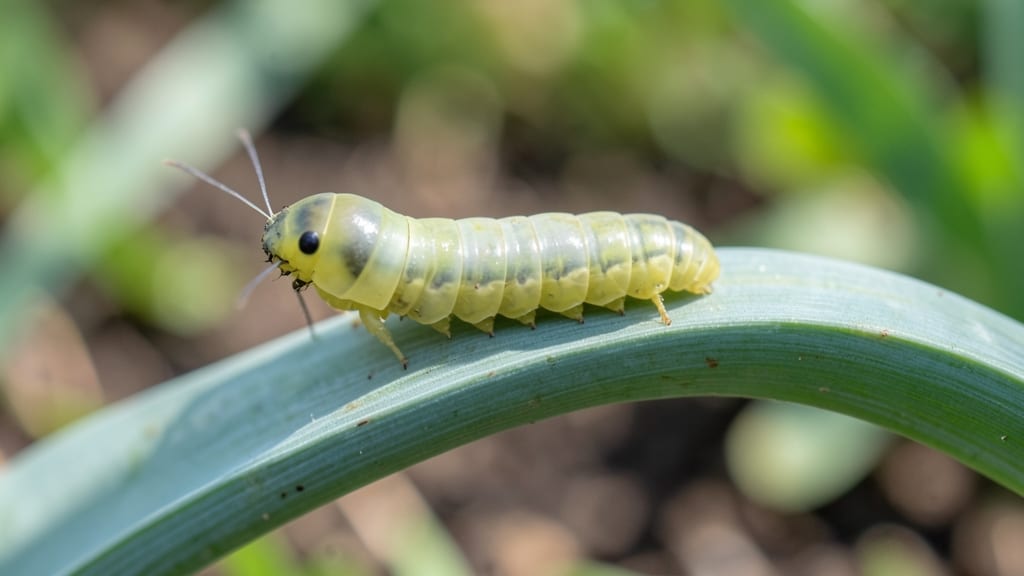
Those tiny onion leaf-eating caterpillars devouring your onion leaves? 🌱 I’ve battled onion moth larvae in my garden for years, and I’ve learned the organic tricks that finally gave me back my harvests—without a single chemical spray.
First, spot the damage: chewed leaves, silk webbing, or tiny caterpillars hiding under the soil. The key is early action—handpicking works for small infestations, while neem oil or Bacillus thuringiensis (Bt) stop them dead in their tracks. Even my black thumb can handle these methods.
You’ll see results within days: fewer holes in leaves, healthier plants, and onions that grow strong instead of stressed. The secret is combining physical barriers (like row covers) with natural predators like parasitic wasps.
Works for garlic, leeks, and shallots too. Here’s how to keep them coming back year after year—naturally.
Root Causes Of Caterpillar Feeding
When your prized onion plants become a caterpillar buffet, it’s rarely just bad luck—it’s usually a mix of environmental cues, plant vulnerabilities, and natural predator imbalances. Understanding these triggers helps you disrupt the cycle before the damage spirals.
Here’s why these leaf-munching caterpillars (often Spodoptera exigua or Trichoplusia ni) target your onions—and how to outsmart them.
Caterpillars aren’t picky—they’re opportunistic. Onions under stress release volatile organic compounds (VOCs), like sulfur-containing chemicals, that act as a dinner bell. Here’s what sets off the alarm:
- Nutrient Deficiencies: Yellowing leaves (from nitrogen or potassium shortages) signal weakness. Caterpillars thrive on stressed plants because they’re easier to digest.
- Overwatering or Drought: Both extremes disrupt root health. Waterlogged soil starves roots of oxygen, while drought weakens cell walls—making leaves tastier to chewers.
- Transplant Shock: Recently moved onion starts emit distress signals for weeks. Moths detect these cues and lay eggs nearby.
Actionable Fix: Test soil pH (aim for 6.0–7.0) and fertilize with compost or balanced organic fertilizer (e.g., fish emulsion). Mulch with straw to stabilize moisture.
Caterpillars don’t appear out of nowhere—their parents (moths) are master strategists. They time egg drops to coincide with:
- New Leaf Growth: Moths prefer laying eggs on tender, young leaves (like onion shoots) because they’re nutrient-dense and less protected by tough fibers.
- Warm, Humid Nights: Temperatures between 70–85°F and high humidity trigger moth activity. This is why outbreaks peak in late spring/early summer.
- Moonlight: Studies show moths use moonlight to navigate, often laying eggs in open, well-lit areas (like garden beds without nearby tall plants).
Actionable Fix:
- Install LED yellow bug lights (moths avoid them) near your garden at dusk.
- Use row covers at night to block egg-laying (remove during pollination if growing from seed).
In a healthy garden, caterpillars face a gauntlet of predators: birds, parasitic wasps, ground beetles, and even spiders. But when their numbers drop, caterpillars explode. Common disruptions include:
| Cause | Why It Matters |
|---|---|
| Pesticide Use | Neonicotinoids and broad-spectrum sprays kill beneficial insects (e.g., ladybugs, lacewings) faster than caterpillars. |
| Monoculture Planting | Large blocks of onions provide no habitat diversity, making it harder for predators to find shelter or alternate prey. |
| Urbanization | Birds and bats (key caterpillar hunters) avoid developed areas with no perches or nesting sites. |
Actionable Fix:
- Plant companion flowers like dill, fennel, or marigolds to attract predatory wasps and hoverflies.
- Install birdhouses or bat boxes near your garden (even in urban areas).
- Avoid systemic pesticides—opt for kaolin clay or Bt (Bacillus thuringiensis) as targeted alternatives.
Unlike tough-skinned plants (e.g., kale or cabbage), onions have thin, papery leaves that caterpillars can shred in hours. Their lack of physical armor makes them a prime target. Key vulnerabilities:
- Lack of Trichomes: Hair-like structures on leaves deter pests—onions have almost none.
- High Water Content: Juicy leaves are easier to digest than fibrous alternatives like Swiss chard.
- Slow Regrowth: Once chewed, onions struggle to recover quickly, giving caterpillars a feeding advantage.
Actionable Fix:
- Interplant onions with sticky trap crops like radishes or mustard greens to distract moths.
- Apply neem oil (disrupts caterpillar digestion) or garlic spray (repels moths) preventatively.
Quick Fixes for Garden Chewers
If your onion plants are looking like a caterpillar buffet, don’t panic! These organic, actionable solutions will help you reclaim your garden—without harsh chemicals. Below, we’ve mapped the most common causes of onion leaf munching to easy, effective fixes, plus prevention tips to keep your greens safe long-term.
Onion moth caterpillars are the top offenders, stripping leaves overnight. Here’s how to evict them fast:
🔥 Handpick & Destroy (Best for Small Infestations)
- When to use: Early signs (1–2 caterpillars) or in small gardens.
- How to do it:
- Inspect plants early morning when caterpillars are sluggish.
- Drop them into soapy water (1 tbsp dish soap per gallon) to kill them instantly.
- Check undersides of leaves and soil crevices—they hide there!
- Pro tip: 💡 Use white gloves to spot them easier against green leaves.
🍳 Neem Oil Spray (Organic Repellent & Growth Inhibitor)
- When to use: Medium infestations (3+ caterpillars) or as a preventive spray.
- How to do it:
- Mix 2 tbsp neem oil + 1 tsp mild soap + 1 quart water in a spray bottle.
- Spray both sides of leaves and soil at the base (caterpillars pupate there).
- Reapply every 5–7 days or after rain.
- Pro tip: 🌡️ Apply in early morning or late evening to avoid harming bees.
👨🍳 Diatomaceous Earth (DE) Barrier (Non-Toxic Dust)
- When to use: Heavy infestations or as a long-term deterrent.
- How to do it:
- Sprinkle food-grade DE lightly on soil and leaf surfaces (avoid over-applying—it can harm plants).
- Reapply after watering or rain (it loses effectiveness when wet).
- Caterpillars dry out within 48 hours.
- Pro tip: ✨ Use a duster or sieve for even coverage—don’t pile it!
Once you’ve kicked them out, keep them out with these habits:
🥘 Crop Rotation & Garden Hygiene
- Why it works: Onion moths overwinter in soil and debris.
Breaking their cycle stops reinfestation. - How to do it: - Rotate crops: Don’t plant onions, garlic, or leeks in the same spot for 3 years. - Clean up: Remove old plant debris in fall (burn or compost it). - Mulch with straw: Keeps soil moist and hides pupae—pull it back and check for eggs.
🔪 Row Covers (Physical Barrier)
- Why it works: Blocks adult moths from laying eggs without chemicals.
- How to do it:
- Use floating row covers (lightweight fabric) over onion beds before planting.
- Secure edges with bricks or soil so moths can’t crawl underneath.
- Remove covers only for pollination (if growing flowers) or hand-pollinate onions.
🎯 Companion Planting (Natural Deterrents)
- Why it works: Some plants repel onion moths or attract their predators.
- Best pairings:
- Chives, sage, or thyme (plant around onions).
- Marigolds (deter pests and attract beneficial insects).
- Nasturtiums (trap caterpillars away from onions).
- ❌ Avoid BT (Bacillus thuringiensis): It kills caterpillars but also beneficial insects like ladybugs. Use only as a last resort. - ❌ Don’t ignore early signs: Wait too long, and you’ll have a full-blown outbreak.
Check plants weekly. - ❌ Skip organic sprays on windy days: Drift can harm nearby plants or pollinators.
Remember: The key is consistency. Combine handpicking, neem oil, and prevention for the best results. Your onions will be leafy, happy, and caterpillar-free in no time! 🌿💚
Frequently asked questions
What do onion leaf-eating caterpillars look like?
These caterpillars are typically green or brown, measuring about 1 inch long when fully grown. Look for tiny, fuzzy bodies with a slight curve and distinct head capsules. They often hide under leaves or in soil during the day, emerging at night to feed.
How can I tell if my onions are being eaten by caterpillars?
Check for chewed leaves, silk webbing (like fine threads), or tiny black droppings on the soil. Early signs include small holes in leaves—often near the edges. Inspect undersides of leaves and soil crevices for hidden caterpillars.
Are there natural predators that help control these caterpillars?
Yes! Birds, parasitic wasps, ground beetles, and spiders all prey on onion caterpillars. To attract them, plant companion flowers like marigolds or dill nearby. Avoid pesticides, as they often harm these beneficial insects more than the caterpillars.
Can I use neem oil on onions before harvest?
Yes, but apply it at least 3 days before harvesting to allow residue to break down. Neem oil is safe for organic gardening and won’t leave harmful residues. Always spray in the early morning or evening to protect bees and other pollinators.
What’s the best time of year to prevent caterpillar damage?
Start prevention in early spring before moths lay eggs. Use row covers or crop rotation to disrupt their life cycle. Late summer is also critical—remove old plant debris to eliminate overwintering pupae.