
Leaf Blower
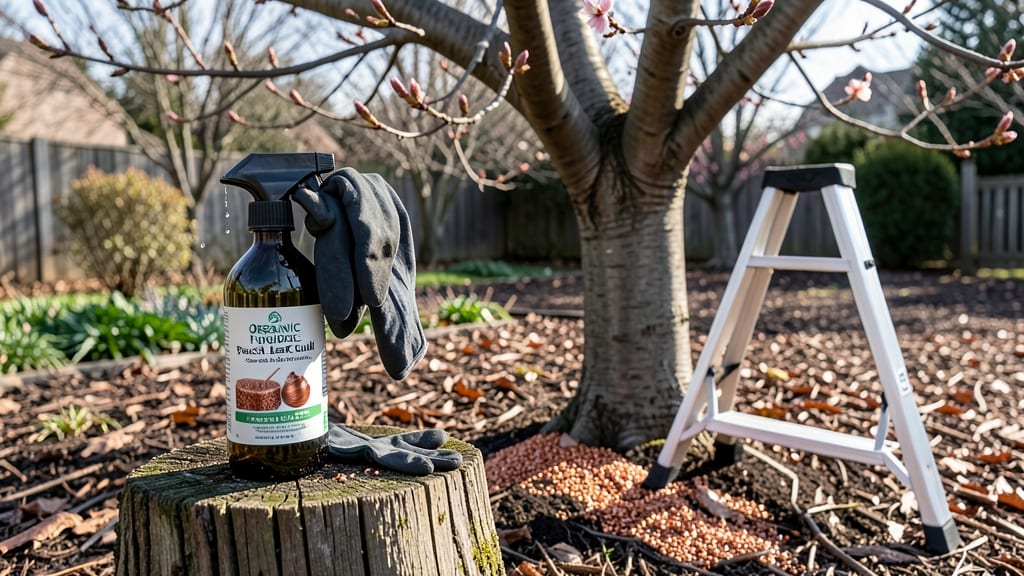
Peach leaf curl can turn your tree’s spring foliage into twisted, useless messes—but this copper soap spray stops it fast. 🌱 I’ve saved multiple trees using a simple, organic blend that works when commercial fungicides fail, and it’s safer for your family and soil.
The key is timing: apply the spray during dormancy (late fall or winter) when the fungus is most vulnerable. This homemade mix combines copper sulfate, liquid soap, and water for a foolproof barrier that prevents spores from infecting new growth.
One application in late winter does the heavy lifting, but a second spray at bud swell adds extra protection. You’ll see fresh, healthy leaves unfurling by spring instead of curled, blackened messes. The trees fruit better, grow stronger, and recover faster from other stresses like drought.
No more panic in March when your peaches’ future hangs on a single spray. Works for all peach varieties, even in humid climates where leaf curl spreads fastest. Here’s exactly how to mix and apply it without burning your tree’s bark.
Root Causes of Peach Leaf Curl
Peach leaf curl (Taphrina deformans) is a fungal disease that can turn your lush peach tree leaves into twisted, curled messes—often before you even notice the problem.
Understanding why it happens is the first step to stopping it in its tracks. Let’s break down the key factors that create the perfect storm for this pesky pathogen.
Peach leaf curl spores are tough survivors. They spend winter hiding in infected buds, bark crevices, and fallen leaves on your tree—or even on nearby infected trees. When spring arrives and temperatures rise, these dormant spores reactivate and germinate, infecting new growth.
- Why it matters: If you missed cleaning up last year’s debris, you’re basically giving the fungus a free pass to reinfect your tree. - Actionable insight: Prune and rake thoroughly in late fall/early winter to remove infected buds and leaves.
Burn or compost them far from your orchard to break the cycle.
This fungus loves damp, chilly springs. Ideal conditions for infection occur when:
- Temperatures hover between 40–60°F (4–15°C) during bud swell.
- Rain or heavy dew lingers for prolonged periods, keeping buds moist.
- Why it matters: The fungus’s spores need free water to germinate and infect tender new leaves. If your spring is soggy, your peach tree is at high risk. - Actionable insight: Monitor your local weather forecast.
If wet, cool conditions persist during bud break, apply preventive sprays (like copper soap) before symptoms appear.
A weak or stressed peach tree is like an open invitation to fungal invaders. Common stressors include:
- Nutrient deficiencies (especially nitrogen or zinc).
- Drought or overwatering disrupting root health.
- Physical damage (e.g., from hail, improper pruning, or pests like aphids).
- Why it matters: Healthy trees have stronger cuticles and natural defenses that repel pathogens.
Stress weakens these barriers, making infection easier. - Actionable insight: - Test your soil and amend with compost or organic fertilizers in early spring. - Water deeply but infrequently to avoid soggy roots. - Prune correctly in late winter to improve airflow and reduce hiding spots for spores.
Some pests indirectly contribute to peach leaf curl by damaging leaves or bark, creating entry points for the fungus. Watch for:
- Aphids (sap-sucking insects that weaken foliage).
- Scale insects (which excrete honeydew, promoting sooty mold and stress).
- Borers (like peach tree borers, which compromise bark integrity).
- Why it matters: A tree already battling pests is more susceptible to fungal infections.
- Actionable insight: Use neem oil or insecticidal soap in early spring to control pests before they take hold. Healthy leaves = better resistance to curl.
Peach leaf curl is easier to prevent than cure. If you’ve never treated your tree—or only acted after seeing symptoms—you’re playing catch-up with a relentless pathogen.
- Why it matters: The fungus spreads rapidly once symptoms appear. By then, damage is often irreversible for that season’s leaves.
- Actionable insight: Apply an organic fungicide (like copper soap) at bud swell—before you see any curling. Repeat every 10–14 days during wet springs for full protection.
Tightly packed trees or dense foliage traps moisture, creating the perfect humid microclimate for fungal spores to thrive.
- Why it matters: Stagnant air slows drying, giving spores more time to infect.
- Actionable insight:
- Prune to open the canopy and improve airflow.
- Space new trees properly (15–20 feet apart for dwarf varieties).
- Avoid overhead watering in the evening to reduce leaf wetness.
Peach leaf curl follows a predictable pattern:
- Winter: Spores survive on infected buds.
- Early Spring (30–50°F): Spores germinate as buds swell.
- Late Spring (40–60°F + moisture): Infection takes hold, curling leaves in 2–3 weeks.
Your window to act: Before buds swell (typically February–March in most climates). Don’t wait for symptoms—prevention is key!
Quick Fixes for Peach Leaf Curl
Peach leaf curl is a stubborn foe, but with the right organic fungicide and a few proactive steps, you can stop it in its tracks—and even prevent future outbreaks.
Below, we map the most common causes to practical, science-backed solutions, including how to use organic fungicides like copper soap spray effectively. Let’s turn the tide on this fungal menace!
Fix: Apply copper-based fungicides at the right time—before buds swell.
Peach trees are most vulnerable during dormancy (late fall to early spring), when the fungus O. scirpi hides in buds. If you skip this window, the spores wake up hungry—and your leaves pay the price.
How to Fix It: ✅ 📅 Timing is Everything: Spray copper fungicide (like copper soap or copper sulfate) 2–3 times during dormancy:
- First spray: Late fall (after leaf drop, before hard frost).
- Second spray: Early spring (just as buds begin to swell—before green tips appear).
- Third spray (if needed): 2–3 weeks after the second, for heavy infections.
✅ 💧 Mix It Right: Use 1–2 tbsp copper fungicide per gallon of water (follow product labels). Add a dish soap drop (like Castile soap) to help it stick.
✅ 🌬️ Spray Like a Pro:
- Cover every branch, trunk, and bud—even hidden crevices.
- Spray on a dry, calm day (avoid wind or rain for 24 hours).
- Reapply after heavy rain (fungicides wash off).
💡 Pro Tip: If you missed dormancy season, don’t panic! Copper sprays can still help—just apply them as soon as you spot curled leaves (though prevention is always better).
Fix: Sanitize tools and remove infected leaves to break the fungus cycle.
Fungal spores hitchhike on pruners, rakes, and even your boots. If you prune an infected tree without cleaning your tools, you’re basically spreading the problem.
How to Fix It: ✅ 🧼 Clean Tools Religiously:
- Wipe pruners with 70% rubbing alcohol or bleach solution (1 part bleach to 9 parts water) before and after use.
- For rakes and shovels, scrub with soapy water and rinse well.
✅ 🗑️ Remove and Destroy Infected Debris:
- Rake up and bag all curled, distorted leaves (don’t compost them—they’re spore factories!).
- Burn or trash heavily infected leaves (or seal them in a black plastic bag for 2 weeks to kill spores).
✅ 🌿 Prune for Airflow:
- Thin out dense branches to improve airflow (fungi love damp, crowded spaces).
- Prune in late winter/early spring (after dormancy sprays but before buds break).
Fix: Adjust irrigation and soil to keep trees dry and healthy.
Peach leaf curl thrives in wet conditions. If your tree sits in soggy soil or gets drenched from overhead sprinklers, you’re inviting fungal growth.
How to Fix It: ✅ 💦 Water at the Roots:
- Use drip irrigation or soaker hoses (avoid sprinklers that wet leaves).
- Water deeply but infrequently (1–2 inches per week, more in drought).
✅ 🏗️ Improve Soil Drainage:
- Test your soil’s pH (6.0–7.0 is ideal for peaches)—fungi love acidic, compacted soil.
- Amend with compost or sand if drainage is poor.
✅ 🌿 Mulch Strategically:
- Apply 2–4 inches of organic mulch (wood chips, straw) away from the trunk to retain moisture without trapping dampness.
Fix: Boost tree health with organic fertilizers and proper care.
A stressed tree is an open invitation for peach leaf curl. Poor nutrition, drought, or pest damage weaken defenses, making fungi move in.
How to Fix It: ✅ 🍄 Feed for Strength:
- Apply balanced organic fertilizer (like 10-10-10 or fish emulsion) in early spring.
- Add kelp meal or compost tea for trace minerals (fungi hate a healthy tree!).
✅ 🚰 Hydrate Deeply:
- Drought-stressed trees are prime targets—water slowly and deeply during dry spells.
✅ 🐞 Pest Patrol:
- Watch for aphids, mites, or borers (they weaken trees). Treat with neem oil if needed.
Want to eliminate peach leaf curl for good? Follow this year-round plan:
| Season | Task |
|---|---|
| Fall | ✅ Apply first copper fungicide spray after leaf drop. |
| Winter | ✅ Prune and sanitize tools (store them clean). |
| Early Spring | ✅ Second copper spray (bud swell stage). |
| Late Spring | ✅ Remove and destroy any curled leaves. |
| Summer | ✅ Water at the roots, mulch, and monitor for stress signs. |
| Year-Round | ✅ Inspect trees monthly for early signs of curl. |
If your tree is severely infected (more than 30% of leaves curled), you may need:
- A second round of copper spray (every 2–3 weeks until new growth appears).
- Baking soda spray (1 tbsp baking soda + 1 tsp oil + 1 gallon water) as a supplemental preventative.
But remember: Organic fungicides work best as a preventative—once the fungus takes hold, copper soap is your best organic weapon to stop the spread.
Final Thought: Peach leaf curl doesn’t stand a chance against a well-armed, proactive gardener. With copper sprays, clean tools, and healthy trees, you’ll keep your peach harvest lush, disease-free, and thriving! 🍑💪
Frequently asked questions
Can I use copper fungicide if my peach tree is already showing curled leaves?
Yes, but prevention is more effective. If you see curled leaves, apply copper soap spray immediately—it can still help stop the spread. For severe cases, repeat every 10–14 days until new growth appears. The key is acting fast, as copper works best before spores fully infect buds.
Is copper soap safe for bees and other pollinators?
Copper fungicides are generally safe for pollinators when used correctly. Avoid spraying when bees are active (early morning or late evening is best). Always follow label instructions and reapply only when needed. For extra safety, choose organic options like neem oil for supplemental protection.
How do I know if my peach tree has peach leaf curl vs. another disease?
Peach leaf curl is identifiable by its distinctive thickened, curled, and puckered leaves that turn reddish-brown. Unlike other issues, it appears in early spring on new growth. Other diseases may cause spots, yellowing, or dieback—compare symptoms to rule out bacterial leaf spot or fungal infections.
Can I mix copper fungicide with other organic treatments?
Yes, but test small areas first. Copper pairs well with neem oil or baking soda for enhanced protection. Avoid mixing with sulfur (can cause chemical burn) or strong pesticides. Always mix fresh and apply on calm, dry days. Dilute each treatment separately before combining.
How long does homemade copper fungicide last before it needs reapplication?
Homemade copper sprays lose effectiveness after 24–48 hours of rain or exposure to sunlight. Reapply immediately after heavy rain to maintain protection. For long-term prevention, store unused mix in a cool, dark place and use within 1–2 weeks for best results.