
Pests and Diseases
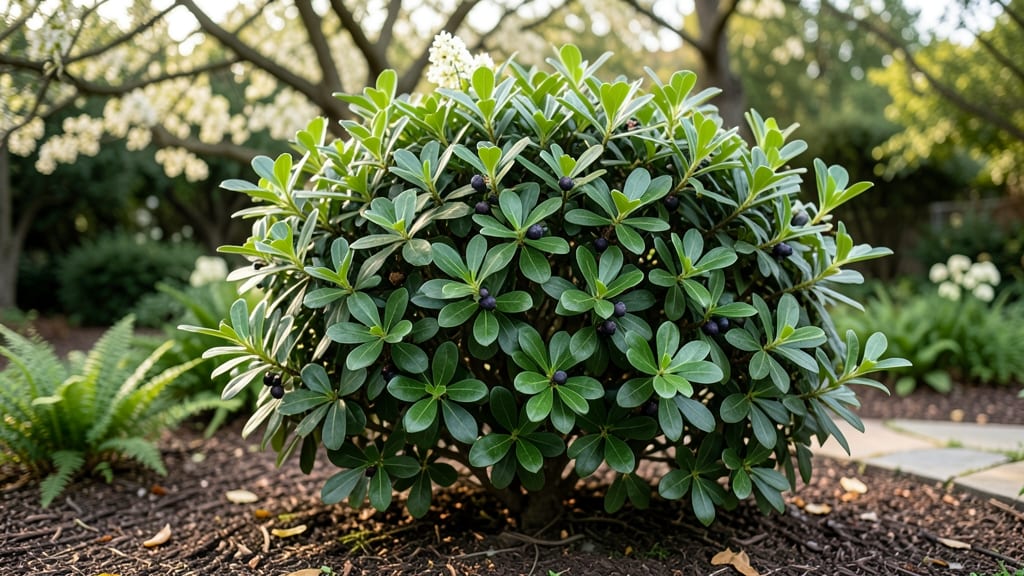
My oval leaf privet hedge transformed my yard from a patchwork of bare spots to a lush, year-round privacy screen—with almost no pruning. 🌿 The secret lies in its adaptability: it thrives in full sun or partial shade, tolerates poor soil, and stays green even in winter.
Unlike high-maintenance hedges, this shrub grows steadily without getting leggy or sparse, making it perfect for busy gardeners. Planting is straightforward: space them 3-4 feet apart for a dense wall within 3-5 years.
They handle both formal shearing and informal shaping, so you can keep it neat or let it grow naturally. The glossy, oval leaves create a rich green backdrop that hides neighbors' views while requiring minimal effort.
Once established, oval leaf privet needs water only during droughts and a light pruning in late winter to shape it. The berries attract birds, and the foliage stays vibrant through all four seasons.
It’s the kind of plant that makes gardening feel effortless—until you realize how much it’s actually doing the work for you. Works beautifully as a hedge, foundation planting, or even a single specimen. Here’s how to get started with yours!
📚 In This Guide
- What you need
- Instructions
- Tips and common mistakes
- Wrapping up and next steps
What you need
- ● Oval leaf privet plants: 1–3 mature shrubs (3–5 ft tall) or 5–10 young plants (1–2 ft tall) for hedges, depending on desired coverage.
- ● High-quality soil: Well-draining, slightly acidic to neutral (pH 6.0–7.5). Amend clay soil with compost or peat moss.
- ● Organic mulch: 2–3 inches of pine bark, wood chips, or straw to retain moisture and suppress weeds.
- ○ Fertilizer (optional but recommended): Slow-release balanced fertilizer (10-10-10 or 20-20-20) for planting.
- ● Granular iron sulfate or chelated iron if yellowing leaves (chlorosis) appear.
- ● Gardening gloves: Heavy-duty, chemical-resistant (for handling pruners and pesticides).
- ● Hand pruners: Sharp, bypass-style for clean cuts (avoid dull tools that crush stems).
- ● Loppers: For thicker branches (up to 1.5 inches in diameter).
- ● Hedge shears: Double-edged, 8–12 inches long for shaping.
- ● Shovel & spade: Round-point shovel for digging; spade for edging.
- ● Wheelbarrow: For transporting soil, mulch, or plants.
- ○ Hose with nozzle: For watering (drip irrigation system is optional for large plantings).
- ● Neem oil: 1% solution for preventive spraying against aphids, scale, or spider mites.
- ○ Fungicide (optional): Copper fungicide (for powdery mildew or leaf spot).
- ● Systemic fungicide (e.g., myclobutanil) if fungal issues are recurrent.
- ● Insecticidal soap: For targeted treatment of soft-bodied pests.
- ● Pruning saw: For removing heavily diseased branches (sterilize with rubbing alcohol between cuts).
- ● Soil test kit: To check pH and nutrient levels before planting.
- ● Plant support stakes: For young shrubs in windy areas (4–6 ft bamboo stakes).
- ● Drip irrigation timer: Automates watering for consistent moisture.
- ● Reflective mulch: Black plastic or landscape fabric to deter weeds and retain heat in cold climates.
How to plant and maintain oval leaf privet for year-round screening
This fast-growing shrub delivers lush privacy with almost no fuss—here’s how to get started.
🌱 Step 1: Choose the Perfect Planting Spot
Oval leaf privet thrives in full sun to partial shade, making it ideal for fences, borders, or foundation plantings. Look for an area with at least 6 hours of sunlight daily—more sun means denser, greener growth. Avoid low-lying spots where water pools, as privet hates soggy roots.
Test the soil pH with a simple kit—privet prefers slightly acidic to neutral (6.0-7.0). If your soil is heavy clay, amend with 2-3 inches of compost mixed into the top 12 inches of soil. This improves drainage and gives roots room to spread without competition.
🪴 Step 2: Dig and Plant with Proper Spacing
Dig holes twice as wide as the root ball but no deeper—privet roots prefer to sit slightly above ground level. Space plants 4-6 feet apart for a dense hedge; closer spacing (3-4 feet) works for faster screening but requires more pruning later. Place the plant so the top of the root ball sits 1 inch above soil level.
Backfill with native soil mixed with a handful of slow-release fertilizer (10-10-10 works well). Water deeply to settle the soil and eliminate air pockets. You’ll know it’s right when the soil surface looks slightly firm but not packed down like concrete.
☀️ Step 3: Water and Mulch for Strong Establishment
Keep the soil consistently moist for the first 4-6 weeks—water when the top 2 inches of soil feel dry. After that, privet becomes drought-tolerant once established. Spread 2-3 inches of mulch (wood chips or shredded bark) around the base, keeping it 3 inches away from the trunk to prevent rot.
Mulch helps retain moisture and suppresses weeds, but avoid piling it against the stem. You’ll notice new growth within 2-3 weeks if conditions are right—look for fresh, dark green leaves emerging from the tips of branches.
✂️ Step 4: Light Pruning for Shape and Health
Prune oval leaf privet just once a year, in late winter or early spring before new growth begins. Remove any dead, diseased, or crossing branches first—cut back to the nearest healthy bud. Then, shape the plant by trimming the outer branches to encourage bushier growth.
Use sharp bypass pruners to make clean cuts at a 45-degree angle just above a leaf node. Avoid heavy pruning—privet responds best to gradual shaping. You’ll see fuller foliage within 4-6 weeks of pruning, and the hedge will fill in naturally.
🌿 Step 5: Feed and Protect for Long-Term Growth
Apply a balanced fertilizer (10-10-10) in early spring and again in mid-summer to maintain vigor. Water deeply after fertilizing to help roots absorb nutrients. Privet is relatively pest-free, but watch for spider mites in dry conditions—spray with water to dislodge them if needed.
In colder climates, privet handles frost well, but young plants may need winter protection. Wrap the base with burlap if temperatures drop below 10°F. With minimal care, your privet will grow 1-2 feet per year, delivering lush, year-round screening with almost no effort.
Tips & tricks for perfect oval leaf privet screening
These practical insights will help you get the most out of your fast-growing hedge with minimal effort.
Sunlight Strategy: While privet thrives in full sun to partial shade, I've found that the 6 hours of sunlight mentioned works best when it's morning sun. Afternoon sun can be intense, especially in hotter climates. If you're planting in a very sunny area, consider providing some afternoon shade during the first growing season to prevent stress on young plants.
Soil Prep Secret: The instructions mention amending heavy clay soil with 2-3 inches of compost mixed into the top 12 inches. Here's what I learned the hard way: don't just dump the compost on top. Properly mixing it into the soil ensures good drainage and prevents compaction that can suffocate roots. You can use a garden fork or tiller to incorporate it thoroughly.
Watering Wisdom: Keeping soil consistently moist for the first 4-6 weeks is crucial, but don't drown your privet. I've seen new plantings fail when people water too frequently. Instead, check the top 2 inches of soil daily - if it's dry to the touch, that's your cue to water. Early morning is the best time to water, as it allows foliage to dry during the day, reducing disease risk.
Pruning Pro Tip: When shaping your privet in Step 4, I recommend using a string or level to create straight lines if you're aiming for a formal hedge. Make your cuts just above a leaf node at a 45-degree angle - this encourages new growth from that point. And here's a little-known trick: if you want to encourage bushier growth, cut back some of the older, inner branches by about one-third during your annual pruning.
Pro Tips for Oval Leaf Privet
- These practical insights will help you get the most out of your fast-growing hedge with minimal effort.
- Sunlight Strategy: While privet thrives in full sun to partial shade, I've found that the 6 hours of sunlight mentioned works best when it's morning sun.
- Soil Prep Secret: The instructions mention amending heavy clay soil with 2-3 inches of compost mixed into the top 12 inches.
Frequently asked questions
Got questions about keeping your oval leaf privet thriving? Here are some common concerns—and straightforward answers—to help you care for this low-maintenance shrub with ease.
How often should I prune oval leaf privet?
Oval leaf privet is a dream for busy gardeners—it thrives with minimal pruning! Light shaping once a year (early spring or late fall) keeps it tidy. Avoid heavy cuts; this shrub handles zero pruning just fine if you prefer a natural look. Just remove dead or overgrown branches as needed.
Is oval leaf privet prone to pests or diseases?
This hardy shrub is resistant to most pests, but watch for scale insects or aphids in hot, dry climates. Yellowing leaves or sticky residue? Spray with soapy water or neem oil. Diseases like powdery mildew can occur in humid areas—improve airflow and avoid overhead watering to prevent issues.
Can oval leaf privet survive winter?
Oval leaf privet is cold-hardy (USDA Zones 6–9) and handles frost like a champ. No special winter care is needed—just keep it well-watered in drought-prone areas. Mulch lightly to protect roots in extreme cold. Its evergreen foliage stays lush year-round, making it a low-fuss choice for winter screening.
What’s the best location for planting oval leaf privet?
Plant in full sun to partial shade for optimal growth. It tolerates urban pollution and compacted soil, making it perfect for city gardens. Avoid waterlogged spots—ensure well-draining soil to prevent root rot. For a hedge, space plants 3–5 feet apart for dense, fast growth.
What are good alternatives if I want a similar low-maintenance shrub?
If oval leaf privet isn’t your style, try these easy-care options:
- Boxwood – Dense, evergreen, and drought-tolerant (but needs more pruning).
- Cherry Laurel – Fast-growing, glossy leaves, and pest-resistant.
- Abelia – Blooms in summer, thrives in partial shade, and handles heat well.
- Dwarf Fountain Grass – Ornamental grass for texture and movement with zero fuss.
Wrapping up and next steps
Oval leaf privet is a low-maintenance, resilient shrub that delivers stunning year-round color with minimal fuss—perfect for busy gardeners or those new to landscaping. Its hardiness, pest resistance, and adaptability make it a smart choice for hedges, borders, or privacy screens, while its occasional pruning needs keep upkeep effortless. 🌿
Ready to transform your outdoor space? Start small: plant one or two shrubs, observe their growth, and gradually expand. Before you know it, you’ll have a lush, thriving hedge that requires little more than admiration—and maybe a light trim once a year!