
Pests and Diseases
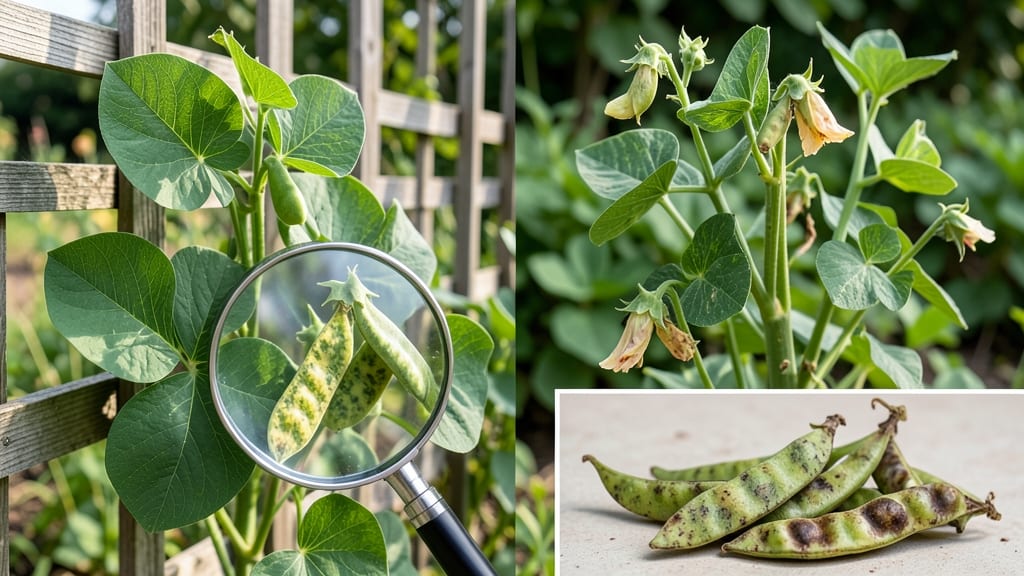
Your peas look like someone crumpled them up and left them in the garden. 🌱 Pea leaf roll virus turns vibrant green leaves into stunted, puckered messes—and there’s no cure once it takes hold.
The good news? You can still save your garden this season by acting fast with the right strategies.
This sneaky virus spreads through infected seeds, aphids, or even wind-blown debris. Once it infects a plant, it weakens the entire vine, slashing yields and leaving you with sad, curled foliage. The key to stopping it? Prevention first, then aggressive removal of infected plants before they spread further.
Start by pulling and destroying any plants showing symptoms immediately—don’t compost them. Then, focus on resistant varieties like ‘Green Arrow’ or ‘Little Marvel,’ and keep aphids in check with neem oil or insecticidal soap. Rotate crops yearly to break the virus cycle.
With these steps, you’ll protect next year’s harvest and keep your peas growing strong. The goal isn’t just fixing what’s already damaged—it’s stopping the spread before it ruins your entire garden.
Root Causes of Leaf Roll
When your pea plants start showing signs of stunted growth, crinkled leaves, and a general decline in vigor, the pea leaf roll virus (PLRV) is often the culprit. But why does this stubborn pathogen take hold in the first place?
Understanding the root causes helps you break the cycle and protect your crops. Here’s what’s really going on:
The primary way pea leaf roll virus spreads is through aphid vectors—tiny, sap-sucking insects that move from infected to healthy plants. These pests don’t just carry the virus; they inject it into plant tissues while feeding. Here’s how it works:
- Persistent Transmission: Unlike some viruses that aphids spread casually, PLRV is persistent. Once an aphid picks it up (even from a single feeding), it retains the virus for weeks or even its entire lifetime, making it a relentless spreader.
- Non-Persistent vs. Persistent: Most gardeners know about non-persistent viruses (like those spread in minutes). PLRV is different—it requires prolonged feeding (hours or more) to establish infection, which is why early detection is tricky.
- Aphid Species Matter: Not all aphids are equal. The Acyrthosiphon pisum (pea aphid) and Myzus persicae (green peach aphid) are the top offenders, but even "harmless" aphids can transmit the virus if they’ve fed on infected plants.
Actionable Tip: 🌡️ Monitor aphid populations daily during pea-growing seasons (spring to early summer). Use yellow sticky traps near plants to catch migrating aphids before they spread the virus.
Healthy plants are resilient, but stress weakens their defenses, making them vulnerable to viral infections. PLRV thrives when peas are already struggling. Common stress factors include:
| Stress Type | How It Helps the Virus | Prevention |
|---|---|---|
| Nutrient Deficiencies (e.g., nitrogen, phosphorus) | Weakens cell walls, making it easier for aphids to inject the virus. | Test soil before planting; amend with compost or balanced fertilizer. |
| Overcrowding (plants too close together) | Reduces airflow, increasing humidity and aphid survival rates. | Space peas 2–3 inches apart; prune for better circulation. |
| Water Stress (drought or overwatering) | Damages roots, reducing the plant’s ability to fight off infections. | Water deeply 1–2 times per week; use mulch to retain moisture. |
| Temperature Fluctuations (cold snaps or heatwaves) | Slows plant metabolism, impairing immune responses. | Choose cold-hardy pea varieties; use row covers in early spring. |
Pro Tip: ✨ Hardened plants resist viruses better. Start seeds indoors 4–6 weeks before the last frost to give them a strong head start.
Viruses don’t just spread from plant to plant—they can linger in your garden’s hidden nooks. Here’s how:
- Infected Seed: Some pea varieties carry PLRV internally in their seeds. If you plant saved seeds from a previously infected crop, the virus emerges as soon as the seedling sprouts.
- Volunteer Plants: Peas that self-seed or aren’t fully removed after harvest can act as virus reservoirs, reinfecting new plantings the next season.
- Soil-Borne Pathogens: While PLRV itself isn’t soil-borne, fungal or bacterial infections that weaken plants can make them more susceptible to viral takeovers.
Actionable Fix: 🔥 Before planting, solarize the soil (cover with clear plastic for 4–6 weeks in summer) to kill lingering pathogens. Always buy certified disease-free seeds from reputable suppliers.
PLRV doesn’t spread randomly—it exploits specific conditions where aphids thrive and plant defenses falter. Key triggers include:
- Warm, Dry Weather: Aphids multiply faster in 70–80°F temperatures and low humidity. Drought-stressed plants become easier targets.
- Mixed Cropping: Planting peas near other legumes (beans, clover) or susceptible crops (spinach, lettuce) creates a virus buffet for aphids.
- Poor Drainage: Waterlogged soil stresses roots, making plants more attractive to aphids seeking juicy meals.
Smart Strategy: 🎯 Rotate crops annually and avoid planting peas in the same spot for 3+ years. Use aphid-resistant pea varieties (e.g., 'Tom Thumb' or 'Little Marvel') as a first line of defense.
How to Treat and Prevent Pea Problems
Managing pea leaf roll virus (or similar leaf-curling, stunting issues in peas) requires a mix of immediate action and long-term prevention. Since this virus spreads via infected seeds, aphids, and contaminated tools, your strategy should tackle all three.
Below, we break down practical fixes based on the root cause—plus tips to keep your peas thriving.
Cause: Stunted, crinkled, or rolled leaves are a clear sign of infection. If left unchecked, the virus spreads to healthy plants. Fix:
- 🔥 Pull and destroy infected plants immediately—do not compost them. Burn or bag them to prevent reinfection.
- 👨🍳 Check neighboring plants for early symptoms (yellowing, stunted growth). Isolate and remove them too.
- ⏰ Time it right: Do this in early morning or evening when aphids (vectors) are less active.
💡 Pro Tip: Wear gloves and disinfect pruners with 70% rubbing alcohol between cuts to avoid cross-contamination.
Cause: Aphids transmit the virus while feeding. Heavy infestations worsen symptoms. Fix:
- 🥗 Spray with soapy water (1 tsp mild dish soap + 1 quart water) to dislodge aphids. Reapply every 3–4 days.
- 🌡️ Introduce natural predators: Ladybugs, lacewings, and parasitic wasps love aphids. Buy them online or attract them with dill or fennel as companion plants.
- 🎯 Use row covers (fine mesh) over young pea plants to block aphids before they arrive.
✨ Prevention Boost: Plant garlic, onions, or chives nearby—aphids hate the scent!
Cause: Virus particles linger in soil and on tools, reinfecting new plantings. Fix:
- 🔄 Rotate crops: Avoid planting peas (or other legumes like beans) in the same spot for 3–4 years.
- 🔪 Clean tools thoroughly: Scrub shovels, pruners, and trellises with bleach water (1 part bleach to 9 parts water) or a 10% vinegar solution between uses.
- 🌡️ Solarize soil (optional): In warm climates, cover infected soil with clear plastic for 4–6 weeks to kill virus particles.
💡 Pro Tip: Store tools in a dry, shaded area—moisture helps viruses survive longer.
Cause: Infected seeds guarantee the virus returns next season. Fix:
- 🍎 Buy certified disease-free seeds from reputable suppliers. Look for varieties labeled "virus-resistant" (e.g., ‘Oregon Sugar Pod,’ ‘Green Arrow’).
- 📊 Test seeds (if saving your own): Soak seeds in water overnight—discard any that float (often a sign of internal damage).
- 🌱 Start with transplants instead of direct sowing if your area is high-risk.
🔥 Prevention Priority: Never reuse seeds from infected plants—one bad seed = total reinfection risk.
Cause: Weak plants handle stress (like viruses) worse than strong ones. Fix:
- 💪 Fertilize lightly: Use a balanced, low-nitrogen fertilizer (e.g., 5-5-5) to support recovery without encouraging soft growth.
- 🥗 Water at the base (avoid wetting leaves) to reduce aphid attraction and fungal secondary infections.
- 🌿 Mulch with straw to retain moisture and block virus-spreading weeds.
🌡️ Monitor for secondary issues: If leaves yellow further, test for powdery mildew or bacterial blight—treat with neem oil or copper fungicide as needed.
Final Reminder: Prevention is 90% of the battle. Combine crop rotation, seed hygiene, and pest control to keep your pea patch virus-free for years! 🚜🌱
Frequently asked questions
Can pea leaf roll virus affect other plants besides peas?
While it primarily targets peas, this virus can also infect other legumes like beans, lentils, and clover. The same aphid vectors that spread it to peas will transmit it to these crops if they're nearby. Non-legumes are generally safe, but always monitor neighboring plants during outbreaks.
How quickly does pea leaf roll virus spread in a garden?
Once aphids pick up the virus, it can spread rapidly—sometimes within days—especially in warm, dry conditions. Infected plants may show symptoms in 1-2 weeks, but the virus itself can remain dormant in seeds or soil for years. Early removal of infected plants is critical to slow the spread.
Will chemical pesticides help control pea leaf roll virus?
Chemical pesticides won't cure infected plants, but they can reduce aphid populations that spread the virus. Neonicotinoids (like imidacloprid) are effective but controversial—consider organic options first, such as pyrethrin-based sprays or kaolin clay, which create a protective barrier while being safer for beneficial insects.
Can I still harvest peas from plants showing early symptoms?
If only a few leaves show mild curling, you can harvest pods from the lower stems before symptoms spread upward. However, discard any pods from severely infected plants—the virus can contaminate them. Always wash harvested peas thoroughly before eating to remove any potential virus particles on the surface.
What's the best way to dispose of infected pea plants?
Never compost infected plants—burn them if possible, or double-bag them for trash pickup. For large-scale infections, consider burying them at least 2 feet deep in a designated "disease disposal" area away from your garden. Disinfect any tools or containers that came into contact with infected plants using a 10% bleach solution.