
Vegetables
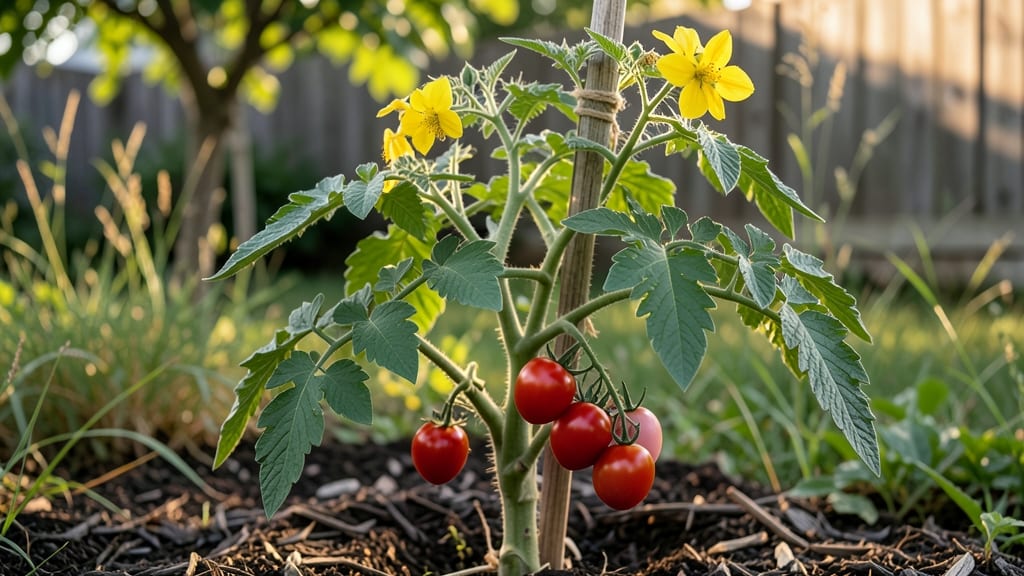
Tomato curly leaf virus turns your lush plants into twisted, stunted messes overnight—🌱 and once it’s in your garden, it’s nearly impossible to erase.
I’ve watched this relentless virus cripple entire tomato seasons, and the key to saving yours lies in spotting it early and acting fast before it spreads to every plant. The first sign?
Leaves that curl upward like a question mark, paired with yellowing veins and stunted growth—often mistaken for nutrient issues. But unlike deficiencies, this virus thrives on whiteflies, and once those insects carry it to your plants, there’s no cure.
The only way to stop it is by removing infected plants immediately and protecting healthy ones with row covers. By the time you see the worst symptoms—crinkled leaves and stunted fruit—it’s already too late for that plant.
But if you catch it early, you can save your harvest and keep your garden virus-free. The secret weapon? Resistant varieties like ‘Defiant PhR’ or ‘Mountain Merit,’ which refuse to play host to the virus. This isn’t just about saving a few tomatoes—it’s about protecting your entire garden.
Let’s tackle this step by step before it’s too late.
Root Causes of Leaf Distortion
When your tomato plants start showing twisted, curled leaves and stunted growth, the tomato curly leaf virus (ToCV) is often the culprit. But why does this stubborn pathogen take hold?
Understanding the root causes helps you prevent outbreaks before they cripple your garden. Let’s break down the key factors that make your plants vulnerable.
The tomato curly leaf virus doesn’t spread on its own—it hitches a ride on sap-feeding insects, primarily the Bemisia tabaci (whitefly). Here’s how it works:
- Whiteflies as carriers: These tiny, winged insects pierce plant cells to feed on sap, inadvertently transmitting the virus from infected to healthy plants. A single whitefly can spread ToCV to multiple plants in a season.
- Non-persistent transmission: Unlike some viruses, ToCV is transmitted quickly—within seconds to minutes of feeding. This means the virus can jump to new plants almost instantly during an infestation.
- Greenhouse vs. outdoor risk: Greenhouses with poor ventilation or high humidity create ideal conditions for whitefly populations to explode, accelerating viral spread. Outdoor gardens are also at risk, especially in warm climates.
Actionable tip: 🔍 Monitor your plants regularly for whiteflies (look for sticky honeydew residue or tiny white specks on undersides of leaves). Use yellow sticky traps to catch them early and reduce transmission.
Viruses like ToCV thrive when environmental factors align perfectly. These conditions weaken plant defenses and encourage insect activity:
| Factor | Why It Matters | How to Mitigate |
|---|---|---|
| High temperatures (77–95°F) | Whiteflies reproduce faster in heat, increasing viral spread. Tomatoes also become stressed, making them more susceptible to infection. | Use shade cloth in peak summer or opt for heat-tolerant tomato varieties. |
| Dry, dusty conditions | Dust on leaves attracts whiteflies, which then transmit the virus. Poor soil moisture also stresses plants, lowering their resistance. | Mulch to retain moisture and hose off leaves weekly to remove dust and pests. |
| Poor air circulation | Stagnant air traps humidity and pests. Greenhouses or crowded plantings create perfect breeding grounds for whiteflies. | Space plants 18–24 inches apart and use fans to improve airflow. |
Pro tip: 🌡️ If you’re in a hot, dry climate, consider growing tomatoes in early spring or fall to avoid peak viral activity.
Healthy tomato plants can resist viral infections better, but certain practices leave them defenseless:
- Nutrient deficiencies: Lack of potassium, phosphorus, or nitrogen weakens cell walls, making it easier for viruses to invade. Yellowing leaves or stunted growth are red flags.
- Overcrowding: Plants competing for resources become stressed, with thinner leaves that whiteflies can penetrate more easily.
- Previous viral exposure: If your garden had ToCV last season, the virus can persist in weeds or volunteer plants, reinfecting new crops.
Actionable fix: 💡 Test your soil and amend it with compost or balanced fertilizer (like 10-10-10) before planting. Rotate crops annually to break the virus cycle.
By addressing these root causes—insect vectors, environmental stress, and plant health—you can drastically reduce the risk of tomato curly leaf virus ruining your harvest. Next, we’ll cover how to spot early symptoms so you can act fast.
Beat Back Leaf Distortion Now
Tomato curly leaf virus (or similar leaf-curl diseases) can turn your garden into a warzone for your plants—but the good news is, you can fight back. The key is acting fast and targeting the root causes.
Below, we break down the most effective fixes based on what’s triggering the problem, plus prevention tips to keep your tomatoes thriving.
If you’ve spotted curled, yellowed, or stunted leaves, don’t wait. This virus spreads like wildfire through aphids and contaminated tools. Here’s how to handle it:
- 🔪 Snip and Toss: Cut off infected leaves and stems at the base. For severe cases, remove the entire plant—including roots—to prevent further spread.
Bag and discard it in the trash (not compost). - 🌱 Quarantine Healthy Plants: Keep unaffected tomatoes in a separate area until you’ve treated the soil and tools. - 🔍 Check Nearby Plants: Inspect basil, peppers, and other susceptible crops. Isolate any with symptoms.
Pro Tip: 💡 Wear gloves and disinfect pruners with rubbing alcohol (70%+) between cuts to avoid cross-contamination.
Aphids are the #1 culprit behind leaf curl virus transmission. Here’s how to evict them:
- 💦 Blast Them Off: Spray plants with a strong stream of water (especially undersides of leaves) to dislodge aphids. Repeat every 2–3 days. - 🌿 Introduce Predators: Ladybugs, lacewings, and parasitic wasps love aphids.
Buy them online or attract them with dill, fennel, or marigolds. - 🧴 Use Soap Spray: Mix 1 tsp mild dish soap + 1 quart water in a spray bottle.
Test on a small leaf first—aphids will drop off within hours. - 🛡️ Cover Young Plants: Use fine mesh netting (like butterfly netting) to block aphids before they land.
Pro Tip: 🌡️ Aphids thrive in warm, dry conditions. Water plants at the base (not overhead) to keep foliage damp, which they dislike.
Healthy tomatoes resist stress better. Strengthen your plants with these tricks:
- 💧 Water Deeply & Consistently: Drought-stressed plants attract aphids. Water early in the morning (1–1.5 inches per week) and mulch to retain moisture. - 🌿 Prune for Airflow: Remove crowded branches to reduce humidity (which aphids love).
Aim for open, airy plants. - 🍽️ Feed with Balanced Fertilizer: Use a low-nitrogen, high-phosphorus fertilizer (like 5-10-10) to encourage root growth. Avoid over-fertilizing with nitrogen—it attracts pests. - 🌞 Optimize Sunlight: Tomatoes need 6–8 hours of sun daily.
Shade cloth can help in extreme heat, but too much shade weakens plants.
Pro Tip: ✨ Compost tea or fish emulsion (diluted) can give your tomatoes a quick nutrient boost without overloading them.
Viruses linger on tools and in soil. Here’s how to clean up:
- 🧼 Disinfect Tools: Soak pruners, trowels, and stakes in 1 part bleach to 9 parts water for 10 minutes. Rinse and dry before use. - 🌍 Solarize the Soil: In hot climates, cover infected beds with clear plastic sheeting for 4–6 weeks to kill viruses and pests.
The sun does the work! - 🌱 Rotate Plant Families: Avoid planting tomatoes, peppers, or eggplants in the same spot for 3–4 years to break the virus cycle.
Pro Tip: 🎯 If soil is heavily contaminated, consider planting marigolds or nasturtiums as a trap crop to distract pests before replanting tomatoes.
An ounce of prevention is worth a pound of cure. Follow these steps to keep your garden virus-free:
- 🛒 Buy Disease-Free Starts: Purchase tomatoes from reputable nurseries that test for viruses. Avoid plants with curled leaves or sticky residue (aphid honeydew).
- 🚫 Avoid Overcrowding: Space tomato plants 18–24 inches apart for airflow and easier pest monitoring.
- 🕵️ Monitor Daily: Check plants every 2–3 days for early signs of aphids or leaf curl. Catch problems before they spread!
- 🌿 Plant Companion Crops: Basil, borage, and garlic repel aphids naturally.
Interplant them with tomatoes. 5. 📅 Plan Ahead: If your area has a history of leaf curl, grow resistant varieties like ‘Heatmaster’ or ‘Solar Fire’ tomatoes.
Pro Tip: 🔥 Keep a garden journal! Note which plants get sick, what you did to treat them, and what worked (or didn’t). It’s a game-changer for next season.
By tackling the root causes—removing infected plants, controlling aphids, and strengthening your tomatoes—you’ll give your garden a fighting chance. Stay vigilant, and your tomatoes will bounce back stronger than ever! 🍅💪
Frequently asked questions
What’s the difference between tomato curly leaf virus and nutrient deficiency?
Nutrient deficiencies (like nitrogen or magnesium lack) cause yellowing between leaf veins, while tomato curly leaf virus creates upward-curled leaves with yellowing veins themselves. Deficiency symptoms appear gradually, but the virus strikes suddenly with distorted growth and stunted fruit. Check for whiteflies—they’re the virus’s carriers!
Can I save a plant already infected with tomato curly leaf virus?
No—once infected, there’s no cure. Remove the entire plant immediately (including roots) to prevent spread. Even if leaves look "fine," the virus is already in the system. The only way to protect other plants is total eradication and monitoring for whiteflies.
How long does tomato curly leaf virus survive in soil?
The virus itself doesn’t persist long-term in soil, but whiteflies (its carriers) can reinfect plants year after year. Solarize soil for 4-6 weeks with clear plastic to kill overwintering pests. Crop rotation (3-4 years) also breaks the cycle by removing host plants.
Are there chemical treatments for tomato curly leaf virus?
No chemicals cure the virus, but you can control whiteflies (its spreaders) with neem oil or insecticidal soap. For severe cases, systemic insecticides like imidacloprid (applied as soil drench) may help—but prevention (resistant varieties + row covers) is far more effective.
Will tomato curly leaf virus affect my fruit?
Yes! Infected plants produce small, deformed fruit with poor flavor. Even if leaves look okay, the virus may already be in the plant. Always remove infected plants before fruit sets to protect your harvest.