
Leaf Blower
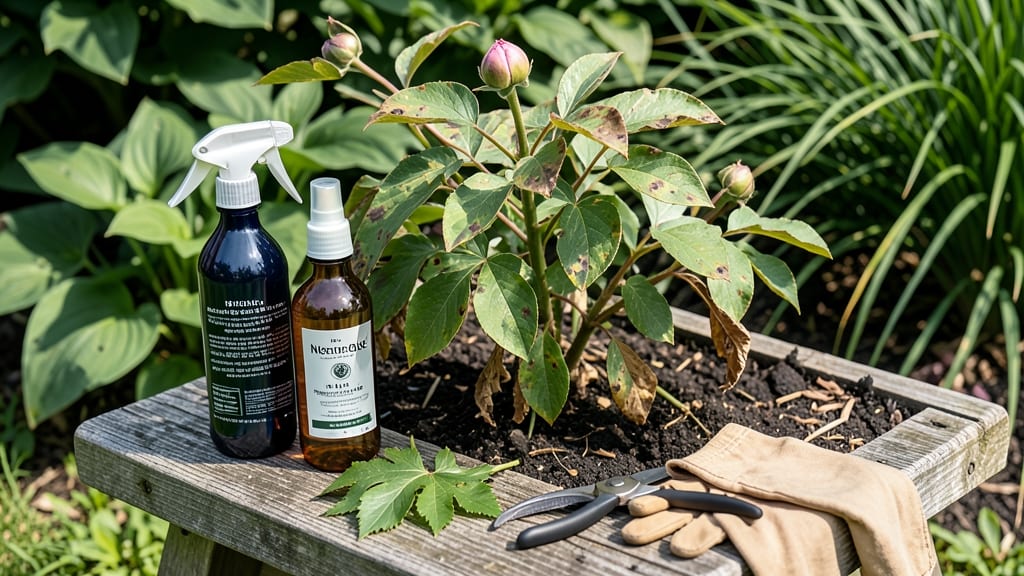
That first brown spot on your peony leaves signals it’s time for peony leaf blotch treatment—copper spray is your best shot at saving the plant. 🌿 I’ve seen leaf blotch turn lush peonies into sad, spotted shadows, but with the right approach, you can stop it in its tracks and keep those blooms coming back year after year.
The fungus thrives in damp, crowded conditions, so pruning for airflow and removing infected leaves immediately cuts off its spread. Copper fungicide isn’t just a spray—it’s a shield, and when applied at the first sign of trouble, it gives your peonies a fighting chance against Ascochyta or Ramularia.
By the time you’re done, your plants will be on the road to recovery, with new growth pushing out clean and strong. The key? Catch it early, stay consistent with treatments, and give those roots the space they need to breathe.
Works for both organic and chemical approaches, so you can choose what fits your garden’s needs. Let’s get those peonies back to their glory days.
Why it happens
Peony leaf blotch—caused primarily by the fungal pathogens Leptosphaeria or Ascochyta—isn’t just a random plant fluke. It thrives due to specific conditions that create the perfect storm for fungal growth.
Understanding these triggers is the first step to preventing and treating the issue before it spreads. Let’s break down the key culprits behind this unsightly (and potentially destructive) problem.
🌧️ Overly Wet Or Humid Conditions
The fungal spores that cause leaf blotch love moisture. When peony foliage stays damp for prolonged periods—whether from heavy rain, overhead watering, or poor airflow—the spores germinate and infect the leaves. Here’s why it’s a problem:
- Fungal spores thrive: Moisture softens leaf surfaces, allowing spores to penetrate the cuticle and establish infections.
- Slow drying = more damage: Peonies with dense foliage or those planted in shaded, low-light areas dry slower, giving fungi more time to spread.
- Nighttime dew: If humidity stays high overnight, spores can survive and reinfect leaves the next morning.
Actionable insight: Aim for watering in the morning (so leaves dry by evening) and avoid mulching too thickly around the base, which can trap moisture.
🍄 Poor Air Circulation In Gardens
Fungi don’t just need water—they also hate competition. When peonies are planted too closely together or surrounded by dense shrubs, air can’t flow freely. Stagnant air creates a microclimate where humidity lingers, and fungal spores spread effortlessly from leaf to leaf.
- Crowded plants = fungal highways: Spores hitchhike on water droplets or wind, jumping between leaves in tight spaces.
- Shaded gardens amplify risk: Less sunlight means slower evaporation, keeping foliage damp longer.
- Old, thick growth: Over time, peonies develop woody stems and dense canopies, trapping moisture and debris—ideal fungal buffets.
Actionable insight: Space peonies 2–3 feet apart and prune back old growth in early spring to improve airflow. If your garden is naturally shady, opt for resistant varieties like ‘Sarah Bernhardt’ or ‘Bowl of Beauty.’
🌱 Weakened Plant Immunity
Healthy peonies resist fungal infections better than stressed ones. When plants are weakened—by poor soil, nutrient deficiencies, or physical damage—they become easy targets. Common stressors include:
- Nutrient deficiencies: Low nitrogen or phosphorus weakens cell walls, making leaves more susceptible to fungal entry.
- Physical damage: Hail, strong winds, or even rough handling during pruning can create wounds where spores infiltrate.
- Improper planting: Peonies planted too deep (eyes buried >2 inches) or in compacted soil struggle to absorb water/nutrients, leading to stunted growth.
- Drought stress: While overwatering is risky, underwatering also stresses plants, reducing their ability to fend off pathogens.
Actionable insight: Feed peonies with a balanced fertilizer (10-10-10) in early spring and mulch with compost to retain moisture without suffocating roots. Avoid overhead watering post-stress (like after pruning).
🔄 Contaminated Tools Or Soil
Fungal spores are persistent. They can lurk in garden tools, old mulch, or even soil for years, waiting for the right conditions to strike. Here’s how contamination spreads:
- Reused pruners/shears: If you trim infected leaves without sterilizing tools, spores transfer to healthy plants.
- Infested mulch/compost: Old mulch from previous years may harbor dormant spores, especially if it wasn’t fully broken down.
- Recycled garden beds: Planting peonies in the same spot year after year without rotation or soil treatment increases spore buildup.
Actionable insight: Sterilize tools with a 10% bleach solution (1 part bleach to 9 parts water) between uses. Replace mulch annually and consider crop rotation—avoid planting peonies in the same bed for 3+ years.
🌡️ Temperature & Seasonal Triggers
Fungal activity peaks when temperatures are cool but not freezing (50–75°F / 10–24°C). While peony leaf blotch can appear anytime, it’s most aggressive:
- Late spring to early summer: Frequent rain + warm nights = fungal feast.
- Fall: Cool, damp conditions after the first frost can reactivate spores.
Actionable insight: Monitor weather forecasts and proactively apply fungicides (like copper spray) before rain if blotch appears in spring. In fall, remove and destroy infected leaves before storing tools or composting.
Quick Fixes for Peony Leaf Spots
Now that you know what’s causing those unsightly blotches on your peonies, let’s roll up our sleeves and get your plants back to their vibrant best! The right approach depends on the root cause—whether it’s fungal pressure, poor air circulation, or overwatering.
Below are practical, step-by-step solutions tailored to each issue, plus prevention tips to keep your peonies thriving long-term.
If your peonies are battling Cercospora or Septoria leaf blotch, copper-based fungicides are your first line of defense. These treatments disrupt fungal spores without harming your plants when used correctly.
🔥 Step 1: Apply Copper Spray (The Game-Changer)
- When to spray: Early morning or late evening (avoid direct sunlight to prevent leaf burn).
- How often: Every 7–10 days until new growth is healthy (usually 3–4 applications).
- What to use:
- Bordeaux mixture (copper sulfate + hydrated lime) – classic and effective.
- Ready-to-use copper fungicides (like Copper Soap or TriBasic Copper) – easier to mix.
- How to apply: 1. Mix the solution according to label instructions (typically 1–2 tbsp per gallon of water).
- Wet foliage thoroughly, including the undersides of leaves (fungi love hiding there!).
- Reapply after rain—water washes copper off, so don’t skip this!
> 💡 Pro Tip: For severe infections, add 1 tsp of baking soda + a few drops of dish soap to your copper spray. This creates a mild alkaline environment that fungi hate!
🍳 Step 2: Boost Plant Immunity Fungi thrive when peonies are stressed.
Strengthen your plants with: - Balanced fertilizer (10-10-10) in early spring to promote lush, disease-resistant growth. - Compost or well-rotted manure around the base to improve soil health. - Avoid high-nitrogen fertilizers in late summer—they encourage soft, susceptible growth.
🌡️ Step 3: Adjust Watering Habits
Overhead watering spreads fungal spores like wildfire. Switch to:
- Drip irrigation or soaker hoses (keeps leaves dry).
- Water at the base in the morning so foliage dries quickly.
- Avoid late watering—wet leaves overnight invite fungal feasts.
Poor circulation creates the perfect humid microclimate for leaf blotch. If your peonies are crowded or in a shaded, stuffy spot, they’re begging for trouble.
👨🍳 Step 1: Prune for Better Airflow
- Remove dead or crowded stems to let air and sunlight penetrate.
- Thin out overgrown foliage—aim for 6–8 inches of space between plants.
- Cut back old foliage in early spring (before new growth) to reduce hiding spots for spores.
🏡 Step 2: Rethink Your Plant Placement
- Space peonies 3–4 feet apart (they need room to breathe!).
- Avoid planting under trees—dripping branches keep leaves damp.
- Choose a sunny spot (6+ hours of sunlight daily) to dry leaves faster.
Peonies hate soggy roots. If your soil stays waterlogged, fungal infections will keep coming back.
⏰ Step 1: Check Your Watering Routine
- Water deeply but infrequently—peonies prefer 1 inch of water per week (including rain).
- Test soil moisture before watering: Stick your finger 2 inches deep; if it’s dry, water.
If damp, wait. - Improve drainage by amending clay soil with compost or perlite.
🔪 Step 2: Upgrade Your Soil
- Raise beds slightly if your garden has poor drainage.
- Add organic matter (like leaf mold or coconut coir) to help soil retain moisture without suffocating roots.
- Mulch lightly (1–2 inches of straw or shredded leaves) to regulate soil temperature and moisture.
Once your peonies are healthy, prevent recurrence with these habits:
- Rotate fungicides (don’t use the same type every season—fungi adapt!).
- Clean up debris in fall—remove and dispose of infected leaves (don’t compost them!).
- Plant resistant varieties like Paeonia lactiflora ‘Sarah Bernhardt’ (known for better disease resistance).
- Monitor regularly—catch spots early with a hand lens for close inspection.
Final Thought: With consistent copper sprays, better airflow, and smarter watering, your peonies will bounce back stronger than ever. 🌸💪 Stay vigilant, and those blotches won’t stand a chance!
Frequently asked questions
Can I use household vinegar as a peony leaf blotch treatment?
While vinegar can help control some fungal issues, it’s not the best choice for peony leaf blotch. Vinegar’s acidity can harm plant tissues and isn’t strong enough to kill fungal spores like copper-based treatments. If you want a natural option, try a 1% hydrogen peroxide solution (mix 1 part 3% peroxide with 99 parts water) as a safer alternative. Always test on a small leaf first.
How do I know if my peony has leaf blotch or just sunburn?
Leaf blotch spots are typically dark brown to black with irregular, often water-soaked edges, while sunburn appears as yellow or white patches on leaf edges. Blotch spots often have a halo effect (darker center with lighter edges) and may appear on both leaf surfaces. Sunburn usually affects only the upper leaf surface and occurs in direct sunlight.
Is it safe to compost leaves with peony leaf blotch?
No, you should never compost infected leaves. Fungal spores can survive composting and reinfect your plants. Instead, bag and discard infected foliage in the trash or burn it (if allowed in your area). This prevents spores from spreading to other plants or lingering in your garden soil.
Will copper spray harm beneficial insects like bees?
Copper fungicides are generally low-risk to bees when used correctly, but timing matters. Apply sprays early morning or late evening when bees are less active, and avoid spraying during peak bloom periods. Choose ready-to-use copper products (like Copper Soap) over homemade mixtures, as they’re more stable and less likely to drift.
How long does it take to see improvement after treating leaf blotch?
With consistent treatment, you should see new growth emerging within 2–3 weeks. However, existing infected leaves won’t recover—they’ll turn brown and crispy. Focus on protecting healthy leaves and stems. For severe cases, it may take 4–6 weeks to see full recovery, especially if you combine copper sprays with improved airflow and watering practices.