
Leaf Blower
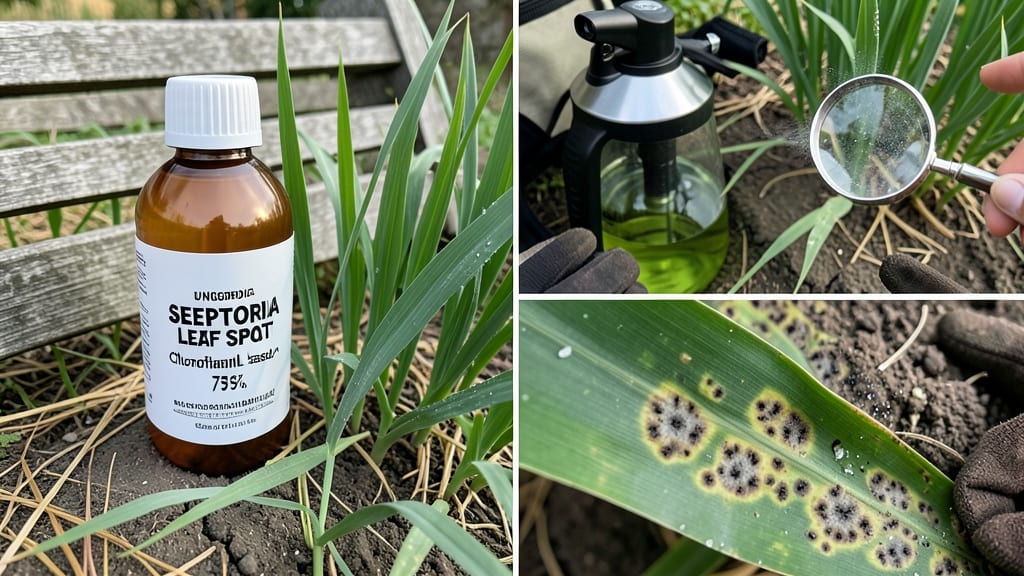
That first brown spot on your tomato leaves isn’t just unsightly—it’s septoria leaf spot, and without a septoria leaf spot fungicide, it’ll turn your plants into a fungal buffet. 🌱 I’ve seen this disease wipe out entire tomato crops in just two weeks, but the right organic spray can stop it dead in its tracks.
The key is catching it early and using the right mix of copper, sulfur, or neem oil to smother the fungus before it spreads.
Most gardeners panic when they spot those telltale dark specks with yellow halos, but the solution is simpler than you think.
A copper-based spray applied every 7-10 days during wet seasons disrupts the fungus’s life cycle, while neem oil (mixed with a drop of dish soap) works as a preventative shield. The best part? These organic options won’t harm your plants—or your family—like harsh chemicals do.
By the time you’ve applied your first spray, you’ll already see the spread slow down. Within two weeks of consistent treatment, new leaves will emerge clean and healthy, and your plants will bounce back stronger than ever.
The secret is combining sprays with proper spacing between plants and removing infected leaves before they drop to the soil.
This method works for tomatoes, wheat, and even ornamental plants like boxwoods—just adjust the spray frequency based on rainfall. Trust me, once you’ve seen a garden recover from septoria leaf spot, you’ll never ignore those early warning spots again.
The Hidden Triggers Behind Fungal Spots
If your plants are developing unsightly brown or gray spots with dark edges—especially on wheat, barley, or leafy greens—Septoria leaf spot is likely the culprit. But why does this stubborn fungus take hold?
Understanding the root causes helps you prevent outbreaks before they spread. Let’s break down the science behind what fuels this fungal menace.
The fungus Septoria tritici thrives in excess moisture, whether from heavy rain, overhead irrigation, or poor soil drainage. Here’s how it works:
- Prolonged leaf wetness: The fungus needs at least 12–24 hours of moisture on leaves to germinate and infect. Cloudy, humid weather creates the perfect breeding ground.
- Fungal spores love water: Rain splashes spores from infected debris (like old plant residue) onto healthy leaves, kickstarting new infections.
- Compacted or waterlogged soil: If water pools around roots, it weakens plants, making them more susceptible to fungal attacks.
Actionable fix: Improve airflow with mulch, avoid watering leaves (aim for drip irrigation or early-morning watering), and ensure soil has sand or compost to boost drainage.
Plants under stress—whether from nutrient deficiencies, overcrowding, or poor spacing—become easy targets. Here’s why:
- Competition for resources: When plants are too close, they compete for sunlight and nutrients, weakening their natural defenses.
- Slow recovery from damage: Physical stress (like hail or pests) creates entry points for fungal spores to invade.
- Poor airflow: Dense foliage traps moisture, creating a fungal paradise between leaves.
Actionable fix: Thin out plants to 3–4 inches apart, rotate crops annually, and fertilize with balanced NPK (10-10-10) to strengthen cell walls.
Fungal spores can survive for years in old plant material, soil, or even on gardening tools. Here’s how contamination spreads:
- Infected plant residue: Leaving old leaves, stems, or crop stubble in the soil releases spores when new plants emerge.
- Reused tools: Pruners, shovels, or mowers contaminated with Septoria can transfer spores to healthy plants.
- Seedborne infections: Some fungal strains hide in seed coatings, emerging when conditions are right.
Actionable fix: Clean tools with 70% isopropyl alcohol, remove all plant debris after harvest, and use sterilized seed from reputable sources.
Septoria doesn’t just need water—it also loves moderate temperatures. Here’s the ideal fungal recipe:
- Cool to mild temps (50–75°F): The fungus grows best when nights are cool and days are warm, creating condensation on leaves.
- High humidity (70%+): Stagnant air prevents leaves from drying, giving spores constant access to plant tissue.
- Sudden weather shifts: Rapid changes from dry to wet can trigger outbreaks, as plants struggle to adapt.
Actionable fix: Use fungicide sprays (like copper-based or organic neem oil) before forecasted rain, and ventilate greenhouses with fans to reduce humidity.
Just like humans, plants have natural defenses. When these weaken, Septoria exploits the opportunity:
- Nutrient deficiencies: Low potassium (K) or calcium (Ca) weakens cell walls, making them easier to penetrate.
- Pest damage: Insects like aphids or spider mites create wounds that fungi exploit.
- Improper pH levels: Soil pH below 6.0 can stress plants, reducing their ability to resist pathogens.
Actionable fix: Conduct a soil test and amend with lime (to raise pH) or compost (to add nutrients). Introduce beneficial microbes like Trichoderma to boost plant immunity.
Stop Fungal Spots Fast
Septoria leaf spot can turn your lush garden into a patchwork of discolored, dying leaves—but the good news is, you can fight back. Whether you’re dealing with an early outbreak or trying to prevent future flare-ups, these practical solutions will help you regain control.
Below, we’ve mapped out the most common causes of septoria leaf spot and the best ways to tackle them, from quick fixes to long-term prevention.
If your plants are sitting in soggy soil, excess moisture creates the perfect breeding ground for septoria. The fungus thrives in damp conditions, so cutting back on watering and improving drainage is your first line of defense.
- ⏰ Reduce watering frequency: Water deeply but less often—aim for early morning sessions to allow foliage to dry quickly. Avoid overhead sprinklers, which can splash spores onto leaves.
- 🌱 Improve soil drainage: Amend heavy clay soil with compost or sand to help water drain faster. Raised beds or containers with drainage holes can also prevent waterlogging.
- 🍂 Prune for airflow: Thin out crowded plants to improve air circulation. This reduces humidity around leaves, making it harder for spores to spread.
Catching septoria before it spreads means using the right fungicides at the right time. Organic and chemical options both work, but timing is everything.
- 💡 Choose the right spray:
- Copper-based fungicides: Effective for organic gardens, these disrupt fungal cell walls. Use Bordeaux mixture or copper sulfate as a preventive spray every 7–10 days.
- Neem oil: A natural fungicide that smothers spores. Mix 1–2 tbsp neem oil with 1 quart water and 1 tsp mild soap, then spray leaves thoroughly.
- Potassium bicarbonate: A gentle, OMRI-listed option that works well for preventive sprays. Use 1–4 tbsp per gallon of water with a spreader sticker.
- 👨🍳 Spray at the right time: Apply fungicides before rain or in the early morning when humidity is high. Reapply after heavy rainfall or every 7–14 days for prevention.
- 🔪 Remove infected leaves: Snip off and dispose of severely spotted leaves before spraying to reduce spore load. Sterilize pruners with rubbing alcohol between cuts.
A healthy plant is less likely to succumb to septoria. Strengthen your crops with proper care to make them more resilient.
- 💪 Fertilize wisely: Avoid high-nitrogen fertilizers, which promote lush but weak growth. Instead, use a balanced 5-5-5 or 3-4-6 formula to encourage sturdy stems and better disease resistance.
- 🍎 Mulch properly: Use straw or wood chips to keep soil moist (but not soggy) and suppress weeds. Avoid thick mulch piles, which can trap moisture and encourage fungal growth.
- 🌱 Rotate crops: If septoria has been a recurring issue, avoid planting susceptible crops (like tomatoes, wheat, or barley) in the same spot for at least 3 years.
Once you’ve treated the current infection, take steps to ensure septoria doesn’t return next season.
- 🔄 Clean up debris: Remove all plant debris, including fallen leaves and stems, from your garden. Compost only debris from healthy plants—never from infected ones.
- 🌱 Sterilize tools: Disinfect pruners, shovels, and other tools with a 10% bleach solution (1 part bleach to 9 parts water) or rubbing alcohol to prevent spreading spores.
- 🌿 Choose resistant varieties: Opt for septoria-resistant plant varieties when possible. For example, some tomato cultivars (like ‘Mountain Merit’ or ‘Defiant PhR’) are bred to withstand fungal diseases.
- ✨ Monitor weather patterns: Septoria thrives in cool, wet springs. Plan fungicide applications if your region typically has prolonged rainy periods during planting season.
With these targeted solutions, you can stop septoria leaf spot in its tracks and protect your garden for seasons to come. The key is acting fast, staying consistent, and giving your plants the care they need to fight back! 🌱💚
Frequently asked questions about septoria leaf spot treatment
What’s the fastest way to stop septoria from spreading?
Remove infected leaves immediately and apply a copper-based fungicide or neem oil spray within 24 hours. Thin out crowded plants to improve airflow, and avoid overhead watering. This combo stops spores from multiplying and gives your plants a fighting chance.
Can I use vinegar as a septoria leaf spot fungicide?
Not effectively—vinegar’s acidity can burn leaves and won’t target the fungus like copper or potassium bicarbonate. For organic control, stick to 1% copper fungicide or neem oil mixed with soap. Vinegar’s pH is too harsh and won’t penetrate fungal cells.
How often should I spray fungicide for prevention?
Apply every 7–10 days during wet seasons or before rain. For high-risk crops like tomatoes, start sprays at first signs of spots and continue until harvest. Organic options like neem oil need weekly applications to stay effective.
Will septoria leaf spot kill my plants?
Not necessarily—if caught early, you can save your plants with proper treatment. Severe cases may defoliate crops, but healthy plants often recover. Focus on removing infected leaves, improving airflow, and using fungicides to prevent spread. Early action is key!
Can I compost leaves with septoria leaf spot?
No—composting infected leaves spreads spores. Dispose of them in the trash or burn them (if safe). Always sterilize tools after pruning infected plants to prevent contamination. Healthy plant debris only goes in compost.