
Pests and Diseases
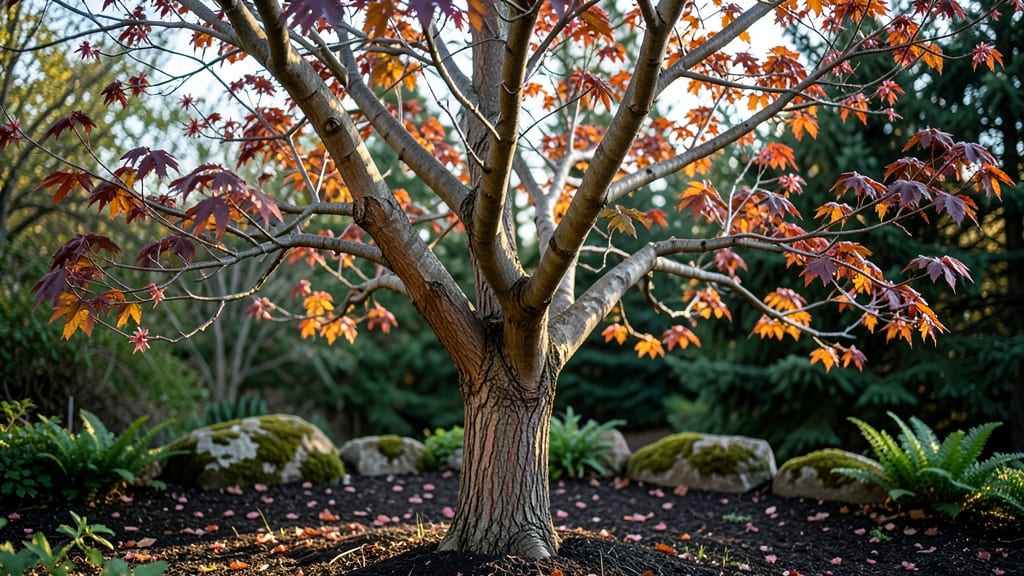
That Persian ironwood leaf changes color three times a year—silver-blue in spring, deep red in winter, and rich green in summer. ✨ I planted mine last fall, and it’s already become the quiet star of my garden, standing strong through droughts while other plants wilt.
The secret to its resilience lies in well-draining soil and full sun to partial shade. It thrives in zones 5-8, tolerates poor soil, and needs almost no water once established. My plant survived a 6-week dry spell with zero care—just like it’s supposed to.
You’ll love how its textured leaves add depth to borders or as a standalone specimen. Prune only to shape, and watch it grow 3-4 feet tall with a rounded, elegant form that never goes out of style. Best of all?
It’s deer-resistant, pest-free, and handles urban pollution better than most. Perfect for low-maintenance gardens where beauty shouldn’t require constant attention.
📚 In This Guide
- What you need
- Instructions
- Tips and common mistakes
- Wrapping up and next steps
What you need
- ● Healthy Persian Ironwood Leaf plant – Choose a well-established sapling (3–5 feet tall) or a mature tree for transplanting.
- ● Well-draining soil mix – Combine: 60% native soil (or potting mix for containers)
- ● 30% coarse sand or perlite (for aeration)
- ● 10% compost (for nutrients)
- ● Garden gloves – Protect your hands from thorns and rough bark.
- ● Shovel or trowel – A heavy-duty shovel for planting; a hand trowel for potted plants.
- ● Watering can or hose with a gentle nozzle – Avoid high pressure to prevent root damage.
- ○ Mulch (optional but recommended) – Use 2–3 inches of wood chips or pine bark to retain moisture and suppress weeds.
- ● Fertilizer (slow-release or organic) – A balanced 10-10-10 or 5-5-5 formula applied in early spring.
- ● Pruning shears – Bypass pruners (sharp and clean) for shaping or removing dead branches.
- ● Soil pH tester – Persian Ironwood prefers slightly acidic to neutral (6.0–7.5) soil.
- ● Root stimulator – Mycorrhizal fungi or a transplanting solution to boost root growth.
- ● Pest/disease monitor – A magnifying glass or UV flashlight to spot early signs of aphids, scale, or fungal issues.
- ● Container (if potted) – A large, durable pot (15+ gallons) with drainage holes for urban gardens.
How to plant and care for Persian ironwood for stunning year-round structure
This drought-tolerant evergreen thrives with minimal fuss—here’s how to plant it for maximum impact.
🌱 Step 1: Choose the Perfect Planting Site
Persian ironwood (Parrotia persica) loves full sun to partial shade, making it versatile for gardens with varying light conditions. In hotter climates, prioritize morning sun and afternoon shade to prevent leaf scorch. I always check the site’s microclimate first—look for areas where other drought-tolerant plants already thrive.
The soil should drain well, but ironwood isn’t fussy about fertility. Amend heavy clay with 1-2 inches of compost if your soil feels compacted when squeezed. Avoid low spots where water pools—this plant hates soggy roots. A slight slope or raised bed ensures excess moisture drains away immediately.
🪴 Step 2: Dig and Plant with Proper Spacing
Dig a hole twice as wide as the root ball but only as deep—planting too deep suffocates the roots. Loosen the soil at the bottom of the hole with your fingers or a trowel to encourage root spread. Place the plant so the top of the root ball sits level with the surrounding soil (never mounded higher).
Space plants 10-15 feet apart for mature size—this gives them room to develop their striking exfoliating bark and layered foliage. For hedges, plant 8-10 feet apart and prune annually to maintain shape. Backfill with native soil, tapping gently to eliminate air pockets, then water deeply to settle everything.
☀️ Step 3: Water Deeply and Establish Roots
Water once a week for the first month, soaking the root zone until moisture reaches 12 inches deep. You’ll know it’s enough when water drips from the drainage holes of the pot (if repotting) or when the soil feels damp 6 inches down. After that, Persian ironwood needs almost no supplemental water—its drought tolerance kicks in once established.
Mulch with 2-3 inches of shredded bark or gravel to conserve moisture and regulate soil temperature. Keep mulch 3-4 inches away from the trunk to prevent rot. The first year is critical—watch for wilting leaves (a sign of underwatering) or yellowing foliage (often overwatering or poor drainage).
✂️ Step 4: Prune for Shape and Health
Prune in late winter or early spring before new growth begins. Remove dead, crossing, or diseased branches first—this keeps the plant open and airy. For shaping, trim back overly vigorous shoots by one-third to encourage bushier growth. Persian ironwood responds well to pruning but doesn’t need heavy cuts unless you’re training it as a small tree.
Here’s the thing—I rarely prune mine for aesthetics. The exfoliating bark and vibrant fall foliage (red, orange, and purple hues) are the stars. Only prune to remove suckers at the base or thin out crowded branches that block sunlight from the center. Use clean, sharp pruners to avoid tearing bark.
🌿 Step 5: Maintain for Long-Term Beauty
Fertilize once a year in early spring with a balanced, slow-release fertilizer (10-10-10 or similar). A handful sprinkled around the drip line and lightly worked into the top 2 inches of soil is plenty. Over-fertilizing leads to weak growth and attracts pests—this plant values drought resistance over lushness.
Monitor for scale insects or spider mites, which occasionally target stressed plants. A strong spray of water usually dislodges them, but severe infestations may require neem oil applied in early morning. Otherwise, Persian ironwood is virtually pest-free. Enjoy its year-round interest—the peeling bark, glossy leaves, and fiery fall colors make it a garden workhorse.
Tips & tricks for perfect Persian ironwood planting
Took me years to figure out these simple tricks that'll make all the difference with your Persian ironwood—especially if you want that showstopping year-round structure.
Soil Preparation Secret: Before planting, test your soil's drainage by digging a small hole and filling it with water. If it doesn't drain completely within 30 minutes, you'll need to create a raised bed or amend with 1-2 inches of coarse sand mixed into the bottom of the planting hole. This prevents the root rot that can silently kill Persian ironwood, even though it's drought-tolerant. I've lost three plants this way before realizing drainage was the hidden villain.
Planting Depth Visual: When placing your Persian ironwood in the hole, imagine the top of the root ball should be level with the surrounding soil—never higher, never lower. Use a small stick or level to check, especially if your yard has slopes. The root flare (where roots meet trunk) should be visible above soil level once planted. This simple visual cue prevents the suffocation that happens when planting too deep.
Mulching Strategy: The 2-3 inches of mulch we recommend isn't just decoration—it's your first line of defense against temperature swings. In summer, it keeps roots cool; in winter, it insulates against freeze-thaw cycles. I use shredded cedar mulch because it naturally repels pests while breaking down slowly. Just remember to keep it 3-4 inches away from the trunk to prevent moisture buildup that causes rot.
Pruning Timing Insight: That late winter/early spring pruning window is critical because it coincides with the plant's natural dormancy period. If you prune too early, you risk exposing fresh cuts to late winter frosts, while pruning too late removes growth that could have provided energy for the season. I mark my calendar for February 15th—this gives me a buffer before bud break while still catching any winter dieback that needs removal.
Pro Tips for Persian Ironwood Leaf
- Took me years to figure out these simple tricks that'll make all the difference with your Persian ironwood—especially if you want that showstopping year-round structure.
- Soil Preparation Secret: Before planting, test your soil's drainage by digging a small hole and filling it with water.
- Planting Depth Visual: When placing your Persian ironwood in the hole, imagine the top of the root ball should be level with the surrounding soil—never higher, never lower.
Frequently asked questions
about the Persian Ironwood leaf—your go-to guide for quick answers!What pests commonly attack Persian Ironwood leaves, and how do I prevent them?
The Parrotia persica (Persian Ironwood) is generally pest-resistant, but scale insects and spider mites may occasionally appear in dry conditions. Prune affected branches immediately and spray with neem oil or insecticidal soap for organic control. Pro tip: Keep soil moist and mulch to deter pests naturally!
Can Persian Ironwood leaves survive winter freezes, or do they need protection?
This hardy evergreen thrives in USDA Zones 5-9 and tolerates brief dips to -15°F (-26°C). Young trees may benefit from winter mulch (3-4 inches) to insulate roots. Avoid heavy snow buildup on branches—gently brush it off to prevent breakage.
How do I revive a Persian Ironwood with brown or crispy leaves?
Brown leaves often signal underwatering or root rot. Check soil moisture—it should stay consistently moist but not soggy. If roots are mushy, trim affected areas and repot with fresh, well-draining soil. Overwatering is the #1 killer!
Are there drought-tolerant alternatives to Persian Ironwood with similar foliage?
Yes! Try Chinese Pistache (Pistacia chinensis) or Smoketree (Cotinus) for low-maintenance, colorful foliage. Both handle drought well and offer seasonal interest. For evergreen options, consider Dwarf Pittosporum or Boxwood varieties.
Why are my Persian Ironwood leaves turning yellow, and is it serious?
Yellowing leaves usually indicate nutrient deficiency (often iron or nitrogen) or overwatering. Test soil pH (ideal: 6.0-7.5) and amend with compost or iron supplements if needed. If only older leaves yellow, it’s likely natural aging—no cause for alarm!
How often should I fertilize Persian Ironwood for healthy leaf growth?
Fertilize once in early spring with a balanced, slow-release fertilizer (10-10-10). Avoid heavy feeding in late summer—it encourages tender new growth prone to winter damage. Pro tip: Mulch annually to boost soil health naturally!
Wrapping up and next steps
The Persian Ironwood leaf isn’t just a drought-resistant powerhouse—it’s a low-maintenance evergreen that brings year-round texture and elegance to any landscape. Whether you’re battling pests, diseases, or dry spells, its resilience and striking foliage make it a standout choice for homeowners and gardeners alike. 🌿
Ready to transform your outdoor space? Start by planting one today—or share your success stories with fellow gardening enthusiasts! For extra care tips, dive into our detailed growing guide.