
Pests and Diseases
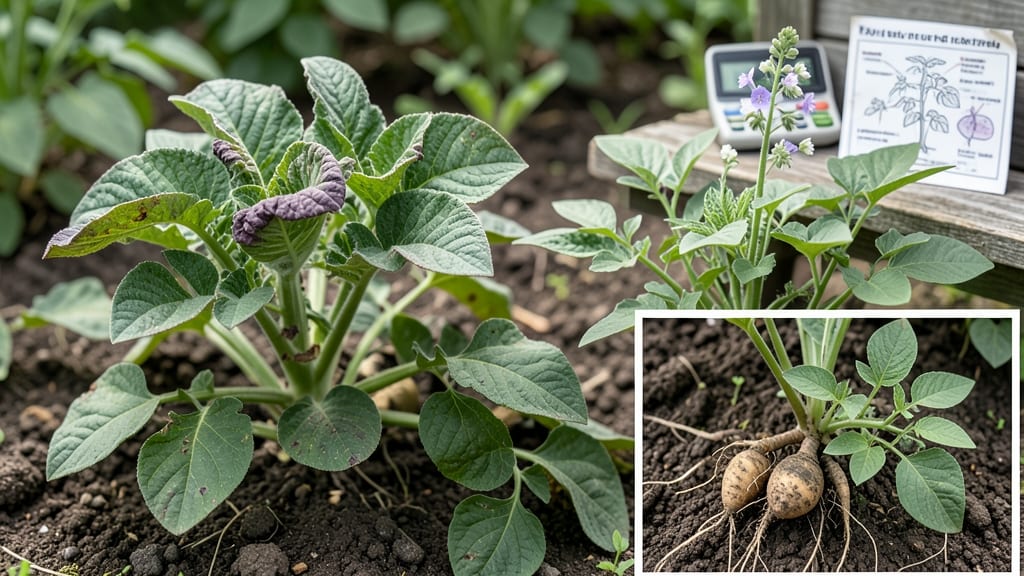
Your tomato plants' leaves curling like a bad hair day aren't a virus—it's physiological leaf roll, and it’s fixable. 🌱 I’ve seen this happen after a heatwave or when watering goes haywire, and the good news is, you can reverse it without chemicals.
The key is understanding what triggers this common stress response in plants like tomatoes, peppers, and citrus.
This isn’t a disease—it’s your plants’ way of coping with too much sun, inconsistent water, or nutrient swings. I’ve nursed plants back to full health by adjusting watering to deep, infrequent soaks and providing afternoon shade during heatwaves.
The first sign of improvement? Leaves uncurling within 1-2 weeks of consistent care.
Prevention starts with mulch to keep roots cool and even moisture, plus regular checks for pests that might stress plants. Once you spot the symptoms—thickened, upward-rolling leaves—act fast. A balanced fertilizer and shade cloth can stop it in its tracks.
Works for container gardens too—just monitor soil moisture closely. The secret? Paying attention before the problem spirals. Let’s get those leaves flat and happy again.
📚 In This Guide
- What you need
- Instructions
- Tips and common mistakes
- Wrapping up and next steps
What you need
- ● Plant samples: Affected leaves showing symptoms (roll, curling, or discoloration). Collect at least 3-5 samples from different parts of the plant.
- ● Pruning shears or scissors: Sterilized (70% isopropyl alcohol) to avoid cross-contamination. Small, sharp pair recommended.
- ● Clear plastic bags or containers: For transporting samples (e.g., quart-sized ziplock bags or small plastic tubs).
- ● Hand lens or magnifying glass: 10x magnification for close inspection of leaf undersides and veins.
- ● pH test kit: Soil or foliar pH strips (range: 5.0–7.0) to check nutrient imbalances.
- ● Labeling markers & tags: Waterproof labels and a permanent marker to tag samples.
- ● Spray bottle (8 oz): For applying organic treatments (e.g., neem oil or hydrogen peroxide solutions).
- ● Organic control solutions: Neem oil (1% solution): 1 tbsp neem oil + 1 tsp mild soap + 1 quart water.
- ● Hydrogen peroxide (3%): 1 tbsp per 1 quart water (use immediately).
- ● Baking soda spray: 1 tsp baking soda + 1 quart water + few drops of dish soap.
- ● Gloves (nitrile or vinyl): To protect hands during handling and treatment.
- ● Notebook & pen: For recording symptoms, treatment dates, and observations.
- ● Digital camera: To document symptoms before/after treatment.
- ● Humidity tray: For propagating cuttings from healthy parts of the plant.
- ● Compost or worm castings: To enrich soil and boost plant resilience.
- ● Fungicide (organic): Copper-based spray (e.g., copper fungicide) for secondary infections.
- ● Reference guide or app: Plant disease ID tools (e.g., PlantVillage or iNaturalist).
Step-by-Step guide to identifying and managing physiological leaf roll
Here's how to spot this common viral issue early and use organic methods to protect your plants.
🌿 Step 1: Identify Symptoms with Precision
Physiological leaf roll starts with subtle upward curling at leaf edges—look for this early sign before symptoms worsen. Check the undersides of leaves for tiny yellow specks or stunted growth patterns, as these often appear before visible curling. I examine plants on cloudy mornings when leaves are fully hydrated; dehydration can mimic symptoms.
Examine new growth first—if only older leaves show curling while younger leaves remain flat, it's likely environmental stress. True physiological leaf roll affects all leaf stages uniformly. Run your fingers along leaf veins; infected plants often have a slightly rough texture where the virus disrupts cell formation.
🔍 Step 2: Confirm Through Diagnostic Testing
Collect samples from multiple plants showing symptoms—never rely on a single specimen. Use a sterile razor blade to cut small sections from leaf margins (where curling is most pronounced) and place them in a sealed plastic bag with a moist paper towel. Ship these to a certified plant pathology lab immediately, as the virus degrades quickly outside living tissue.
Most university extension services offer affordable testing. Include detailed notes about your growing conditions (temperature fluctuations, recent pest outbreaks) as these factors influence test accuracy. I always request both ELISA and PCR testing for confirmation—ELISA detects proteins while PCR identifies genetic material, giving a more comprehensive picture.
🌱 Step 3: Implement Organic Control Measures
Remove all infected plants immediately—don't compost them. Place them in sealed plastic bags and dispose of them in outdoor trash bins to prevent viral spread. Sterilize pruning tools between cuts using a 10% bleach solution (1 part bleach to 9 parts water) or 70% isopropyl alcohol.
Quarantine healthy plants for 2 weeks in a separate greenhouse or screenhouse. Monitor for new symptoms daily, especially during warm periods when aphid populations explode—these insects transmit the virus. Apply insecticidal soap or neem oil sprays every 5 days during this period to disrupt aphid life cycles.
☀️ Step 4: Strengthen Plant Resilience Proactively
Boost soil microbial activity by amending with compost tea (1 part compost to 5 parts water, steeped for 24 hours). The beneficial microbes compete with viral pathogens for nutrients, creating a hostile environment for the virus. I apply this every 2 weeks during growing season, focusing on root zones.
Adjust watering practices—physiological leaf roll thrives in inconsistent moisture conditions. Water deeply at the base twice weekly rather than frequent shallow waterings. Maintain soil moisture at 60-70% capacity by checking with a moisture meter at 2-inch depth. Drip irrigation systems provide the most consistent results.
✂️ Step 5: Monitor and Prevent Recurrence
Install yellow sticky traps near plant canopies to catch aphids before they spread the virus. Replace traps every 2 weeks or when covered with insects. I place them at eye level for easy monitoring—you'll see a dramatic increase in trapped aphids during warm, dry spells.
Rotate crops annually to break the virus's life cycle. Keep detailed records of plant locations and symptoms for at least 3 years, as some strains can persist in soil. I mark each planting area with stakes showing the year and crop type to prevent accidental reinfection.
Tips & tricks for managing physiological leaf roll effectively
When dealing with physiological leaf roll, precision and timing are everything. Here's what I've learned from years of battling this stubborn virus in my own garden.
Early Detection is Key: In Step 1, when you're examining leaves for subtle curling, focus on the youngest leaves first. True physiological leaf roll affects all leaf stages uniformly, so if only older leaves show symptoms while new growth remains unaffected, it's likely environmental stress rather than the virus. I've caught infections early by checking plants on overcast mornings when leaves are fully hydrated—this prevents dehydration from mimicking symptoms.
Sampling Strategy for Testing: When collecting samples in Step 2, always take multiple sections from different plants showing symptoms. I've learned the hard way that relying on a single specimen can lead to false negatives. Use a new, sterile razor blade for each cut to prevent cross-contamination. For shipping, I double-bag samples in sealed plastic bags with a moist paper towel—this keeps them hydrated during transit and preserves the viral integrity for accurate testing.
Quarantine Protocol: The 2-week quarantine in Step 3 is non-negotiable. I've seen healthy plants become infected within days when this step was skipped. Place quarantine areas at least 10 feet away from other plants and use a physical barrier like mesh screening to prevent aphid migration. During warm periods, increase monitoring to twice daily—aphid populations can explode in 48 hours, giving you a narrow window to act.
Soil Microbial Boost: For the 24-hour compost tea in Step 4, I've found that adding a handful of worm castings to the mixture enhances microbial diversity even further. Apply this tea in the early morning so it has time to penetrate the soil before evaporation. The key is consistency—maintaining this schedule every 2 weeks creates a competitive environment that suppresses viral activity in the root zone.
Pro Tips for Physiological Leaf Roll
- When dealing with physiological leaf roll, precision and timing are everything. Here's what I've learned from years o...
- Early Detection is Key: In Step 1, when you're examining leaves for subtle curling, focus on the youngest leaves firs...
- Sampling Strategy for Testing: When collecting samples in Step 2, always take multiple sections from different plants...
Frequently asked questions
Got questions about physiological leaf roll? You're not alone!
Here are answers to common concerns to help you manage this condition effectively in your garden.
What exactly causes physiological leaf roll in plants?
Physiological leaf roll isn’t caused by a virus—it’s a stress response triggered by environmental factors like extreme heat, drought, or poor soil conditions. Unlike viral leaf roll, it’s non-contagious and won’t spread to other plants.
How quickly can I expect symptoms to appear after stress occurs?
Symptoms like curling, yellowing, or stunted growth may show within days to weeks after stress exposure. However, mild cases might take months to become noticeable, especially in slower-growing plants.
Are there organic ways to prevent physiological leaf roll?
Yes! Focus on consistent watering, mulching to retain moisture, and improving soil health with compost. Avoid over-fertilizing, and provide shade cloth during heatwaves to reduce stress.
How can I tell if my plant has physiological leaf roll vs. a viral infection?
Check for these clues:
- Physiological: Symptoms appear on all plants in the same stressful environment, and new growth recovers with proper care.
- Viral: Symptoms are patchy, spread unevenly, and often include mosaic patterns or stunted growth that doesn’t improve.
What should I do if my plant already shows symptoms?
Act fast! Move the plant to a cooler, shaded spot, water deeply but consistently, and avoid pruning affected leaves. Monitor for improvement—if symptoms persist, test for viruses or pests.
Wrapping up and next steps
Understanding physiological leaf roll and its organic management is key to protecting your plants—whether in gardens or farms. By recognizing symptoms early, using natural remedies like neem oil or companion planting, and maintaining plant health, you can significantly reduce its impact. 🌱
You’ve got the knowledge—now take action! Start by inspecting your plants weekly and implementing a few organic strategies. Share your progress with fellow gardeners or local agricultural groups for support. Healthy plants mean thriving harvests!