
Pests and Diseases
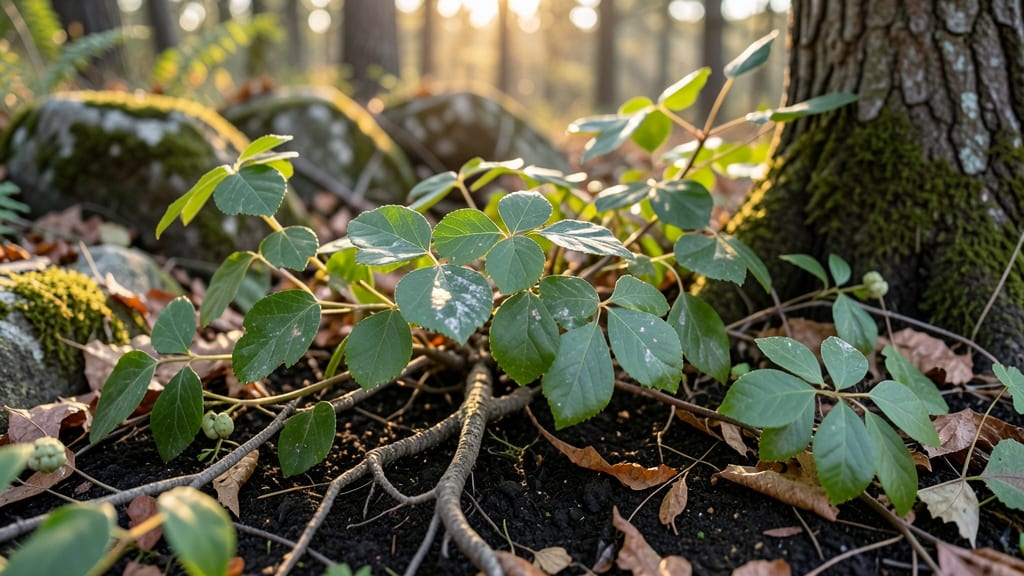
A picture of a poison ivy leaf with its classic three-leaf pattern is your first warning—the plant’s signature "leaves of three, let it be" rule is how I spot it before the rash starts. 🌿 The middle leaf always has the longest stem, and the edges are smooth but slightly glossy, unlike harmless vines that feel rough or fuzzy.
I’ve learned to double-check any vine with this shape in shaded areas, where it thrives but blends into the undergrowth.
Here’s the kicker: the plant’s oil, urushiol, causes the reaction—so no part is safe. Even dead vines can trigger a rash, and touching contaminated tools or pets spreads it instantly.
I keep a spray bottle of rubbing alcohol handy to wipe down gloves or skin after brushing past suspicious plants, because prevention beats treatment every time.
You’ll recognize the rash within 12-48 hours as red, itchy streaks that spread in the pattern of contact. The good news? Over-the-counter hydrocortisone cream and cool compresses ease symptoms, but scratching worsens it.
I’ve seen this mistake turn a mild case into weeks of misery—so resist the urge to scratch, no matter how bad it itches.
When in doubt, snap a photo and compare it to trusted sources like the University of Georgia’s poison ivy guide. If you’re gardening or hiking, wear long sleeves and pants tucked into socks—one accidental brush can ruin a weekend. Better safe than itchy, as my own experience proves.
How Your Skin Reacts To Poison Ivy
Poison ivy’s infamous rash isn’t caused by the plant itself but by a chemical reaction in your body. Understanding why this happens can help you avoid unnecessary suffering—and maybe even prevent future encounters. Here’s a breakdown of the science behind the sting.
Poison ivy contains an oily resin called urushiol (pronounced you-ROO-shee-ol), which is the primary irritant. This oil is found in all parts of the plant—leaves, stems, roots, and even the sap—and triggers an allergic reaction in most people.
- Why it’s sticky: Urushiol bonds easily to skin, clothing, tools, and even pets, making it hard to wash off completely.
- How it works: When urushiol touches your skin, your immune system mistakenly identifies it as a threat, launching an inflammatory response.
Not everyone reacts to urushiol, but ~85% of people develop a rash after exposure. Here’s what happens inside your body:
- First Exposure (Sneaky Sensitization):
- Your immune system detects urushiol as a foreign invader.
- T-cells (white blood cells) produce antibodies to "fight" it.
- This primes your body—future exposures cause worse reactions.
- Subsequent Exposures (The Rash Strikes):
- Urushiol penetrates tiny breaks in your skin (even if you don’t feel it).
- Your immune system overreacts, releasing histamines and cytokines (inflammatory chemicals).
- Red, itchy blisters in 24-72 hours (sometimes delayed up to a week).
Genetics and past exposure play a huge role in how severely you react:
| Factor | Why It Matters | What You Can Do |
|---|---|---|
| Genetics | Some people inherit a hyper-sensitive immune response to urushiol. | Learn your family’s history—if parents reacted badly, you might too. |
| Past Exposure | The more you’ve been exposed, the stronger your reaction (your immune system "remembers"). | Wear protective gear if you work outdoors. |
| Skin Condition | Eczema, sweaty skin, or cuts make urushiol penetrate deeper. | Keep skin dry and moisturized (but not greasy). |
| Age | Children often react more severely than adults. | Teach kids to avoid poison ivy early. |
Urushiol doesn’t wash off easily—it can stay active for years on surfaces like:
- Tools (gardening shears, rakes)
- Clothing (especially fabric with tiny fibers)
- Pets’ fur (if they brush against the plant)
- Indoor surfaces (floors, furniture, even doormats)
Pro Tip: 💡 If you suspect urushiol on an object, don’t touch it! Use rubbing alcohol (90%+ isopropyl) or soap-and-water scrubbing to remove it.
Even if you don’t touch poison ivy directly, you can still get a rash from:
- Pets that walk through infected areas (their fur carries oil).
- Clothing or shoes that brush against the plant.
- Indirect contact (e.g., touching a contaminated doorknob after petting a dog that rolled in poison ivy).
Actionable Tip: ✨ Shower within 10 minutes of potential exposure—this drastically reduces rash severity! Use cold water and soap (hot water opens pores, letting urushiol in deeper).
Treat And Prevent Poison Ivy Rash
Now that you’ve identified the telltale three-leaf clusters or reddish stem of poison ivy, it’s time to act—whether you’re dealing with an existing rash or trying to avoid one entirely.
Here’s a clear, step-by-step guide to treat the irritation and prevent future reactions, with practical tips to keep you safe.
If you’ve touched poison ivy (or suspect you have), act fast to minimize the rash’s severity.
- Wash the affected area ASAP 🧼
- Use cool water and mild soap (like dish soap or Castile soap) to remove the urushiol oil (the rash-triggering compound).
- Scrub for at least 10–15 minutes, even if you don’t feel anything yet—urushiol can linger on skin for days.
- Rinse with rubbing alcohol or techni soap 🧴
- These break down urushiol better than regular soap. Apply with a clean cloth (not directly on the skin).
- Remove contaminated clothing/jewelry 👚✋
- Wash these items in hot water (130°F+) with detergent. If possible, seal them in a plastic bag for 72 hours—urushiol degrades over time.
> 💡 Pro Tip: Don’t scratch! Breaking the skin spreads urushiol and increases infection risk. Use over-the-counter hydrocortisone cream (1%) to reduce itching.
For minor irritation, these at-home solutions can help soothe symptoms:
| Remedy | How to Use | Why It Works |
|---|---|---|
| Oatmeal bath | Mix 1 cup colloidal oatmeal into lukewarm bathwater; soak for 15–20 mins. | Calms inflammation and reduces itching. |
| Baking soda paste | Mix baking soda with water to form a paste; apply to rash 2–3x daily. | Neutralizes skin irritation. |
| Cold compress | Wrap ice in a cloth and press gently on the rash for 10 mins. | Numbs itching and reduces swelling. |
| Aloe vera gel | Apply pure aloe gel directly to the rash (no additives). | Hydrates skin and speeds healing. |
> ⚠️ Warning: Avoid household remedies like bleach or vinegar—they can worsen irritation or cause burns.
If the rash spreads, blisters, or covers large areas, see a doctor. They may prescribe:
- Steroid creams (e.g., clobetasol) for severe inflammation.
- Oral steroids (e.g., prednisone) for widespread reactions.
- Antihistamines (e.g., Benadryl) to reduce itching at night.
> 🌡️ When to Seek Help: > - Rash covers more than 25% of your body. > - You develop fever, swelling, or pus (signs of infection). > - The rash appears near eyes or genitals (requires urgent care).
An ounce of prevention is worth a pound of itching! Use these long-term strategies to stay rash-free:
- Learn the leaf pattern 🍃
- Memorize: "Leaves of three, let it be!" (Poison ivy, poison oak, and poison sumac all follow this rule.)
- Download a plant ID app (like iNaturalist or PictureThis) for quick verification.
- Wear protective gear 👢🧤
- Long sleeves, pants, and waterproof gloves when hiking or gardening.
- Tuck pants into socks to prevent urushiol from seeping in.
- Clean tools and pets 🐕🔨
- Wash gardening tools, shoes, and pet fur after outdoor exposure—animals can track urushiol indoors!
- Use barrier sprays 🛡️
- Apply urushiol-blocking lotions (like Basil leaf extract sprays) before outdoor activities.
> 🎯 Gold Standard Tip: If you’re highly sensitive, shower immediately after potential exposure—even if you don’t feel anything. Urushiol can cause reactions hours or days later.
If poison ivy grows near your home, eliminate it safely:
- Wear gloves and long sleeves when pulling plants.
- Bag and dispose of plants in sealed trash—never burn them (urushiol smoke causes severe lung irritation).
- Apply vinegar or boiling water to kill roots (repeat weekly for stubborn patches).
> ✨ Bonus Hack: Plant barberry or juniper bushes near your property—they naturally repel poison ivy!*
By following these steps, you’ll minimize rashes and keep your skin happy—no matter where your adventures take you. Stay vigilant, and remember: When in doubt, don’t touch it! 🚫🍃
Frequently asked questions
How can I tell if a leaf is definitely poison ivy?
Look for three shiny, smooth-edged leaves growing together with one central stem. The middle leaf always has the longest stem, and the edges are slightly glossy. Compare it to trusted guides—poison ivy leaves are 1-3 inches long and turn red or orange in fall.
Can I get a rash from touching dead poison ivy?
Yes! The urushiol oil remains active in dead plants, stems, and even roots. Never burn poison ivy—smoke can cause severe lung irritation. Always wear gloves and wash thoroughly after handling any suspicious plant material.
What should I do if my pet brings poison ivy inside?
Wash your pet's fur immediately with mild soap and water, then bathe yourself too. Use a damp cloth to wipe down any surfaces they may have touched. Keep pets out of areas with poison ivy to prevent tracking urushiol indoors.
How long does it take for a poison ivy rash to appear?
Symptoms typically show within 12-48 hours, but can take up to 7 days in some cases. The rash starts as red streaks that spread in the pattern of contact. If you develop blisters or fever, see a doctor immediately.
Is there a way to safely remove poison ivy from my yard?
Wear long sleeves, pants, and waterproof gloves when pulling plants. Bag the plants in sealed trash—never burn them. For stubborn patches, apply vinegar or boiling water to the roots, repeating weekly until gone.