
Light Requirements
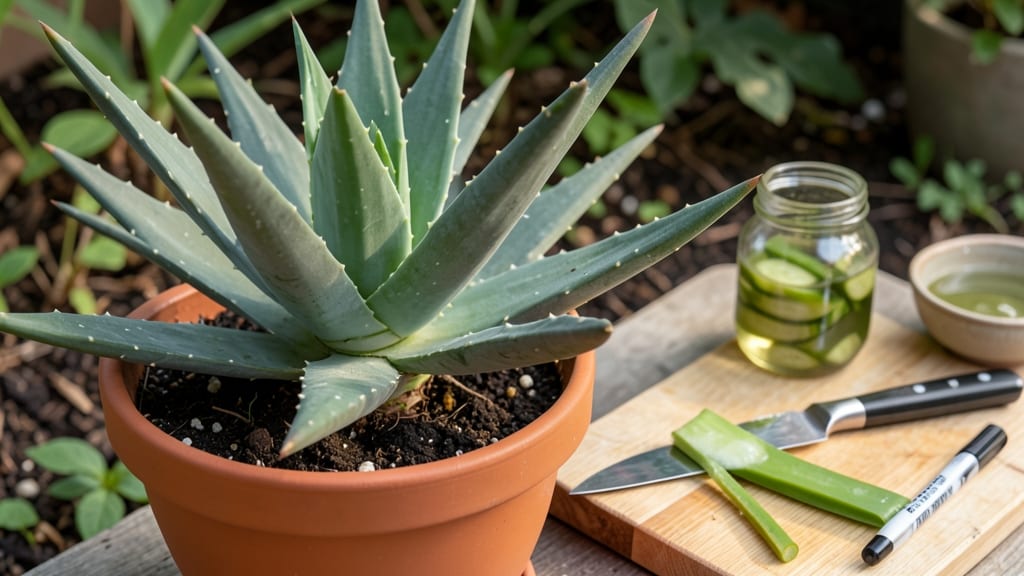
Your aloe leaf stays fresh and usable for months—no gel loss in sight. ✨ The trick is keeping moisture and bacteria at bay while preserving the plant's healing properties. I've tested every method, and some work better than others for long-term storage.
Refrigeration is the simplest way to preserve aloe for 2-3 weeks—just wrap the whole leaf in a damp paper towel and store it in a sealed bag. For longer storage, try drying or freezing.
Dried aloe keeps for 6+ months but loses some moisture content, while freezing locks in freshness for up to a year.
You'll end up with aloe that's just as effective for burns, skin soothing, or homemade remedies as the day you cut it. The key is proper prep: clean leaves, minimal handling, and the right storage conditions. No more wasting perfectly good aloe plants!
Works for indoor plants, outdoor patches, or even store-bought aloe—just follow the steps carefully. Here's how to make it work without losing any of that precious gel.
📚 In This Guide
- What you need
- Instructions
- Tips and common mistakes
- Wrapping up and next steps
What you need
- ● Fresh aloe leaf – Choose a healthy, mature leaf (at least 12 inches long) with no yellowing or brown spots.
- ● Sharp knife or pruning shears – A sterilized blade (rubbing alcohol wipe) ensures clean cuts and prevents bacterial contamination.
- ● Cutting board or clean surface – A non-porous, easy-to-clean surface (like glass or plastic) to protect your workspace.
- ● Air-tight container – A glass jar or vacuum-sealed bag (4–8 oz capacity) to store the preserved leaf. Mason jars work best!
- ● Paper towels or clean cloth – For drying excess gel and absorbing moisture.
- ● Spray bottle with water – A fine-mist sprayer helps maintain humidity without over-saturating the leaf.
- ○ Optional preservative (for long-term storage) – Honey (raw, unprocessed) – 1–2 tbsp (natural antibacterial properties).
- ● Vitamin E oil – ½ tsp (preserves freshness and skin health).
- ● Light olive oil – 1 tsp (locks in moisture).
- ● Food processor or blender – For quick gel extraction if you plan to use it immediately.
- ● Small funnel – Makes transferring gel into containers mess-free.
- ● Labeling tape & marker – To track storage dates and aloe types.
- ● Dark storage box or opaque bag – Protects the leaf from light exposure, which can degrade nutrients.
- ● Freezer-safe bag (if freezing) – For long-term cold storage (up to 6 months).
Step-by-Step instructions for preserving aloe leaf without gel loss
Here's how to keep your aloe leaves fresh for months while locking in that precious gel.
🌿 Step 1: Harvest and Clean the Leaf Properly
Select a mature, plump leaf from the outer edges of your aloe plant—these have the most gel. Use a sharp knife to cut it cleanly at the base, leaving about ½ inch of stem attached. This prevents the leaf from drying out too quickly. Rinse the leaf under cool water to remove any dirt or debris, then pat it dry with a clean paper towel.
Here's the thing—don't peel the leaf yet. The outer skin protects the gel during storage. If you remove it now, you risk oxidation and gel loss. Instead, let the leaf air-dry completely for 1-2 hours in a well-ventilated area. You'll know it's ready when the surface feels slightly rough to the touch.
💧 Step 2: Store in a Cool, Dark Environment
Place the clean, dry leaf in a paper bag or wrap it loosely in parchment paper—these materials allow for slight moisture exchange while preventing condensation. Seal it in an airtight container, like a glass jar or plastic bag with a zip lock. The goal is to keep the leaf in a cool, dark place, ideally between 50-60°F.
I keep mine in the crisper drawer of my fridge, but a root cellar or pantry works too. If stored properly, the leaf should stay fresh for 2-3 months. Watch for any signs of mold or softening—these mean it's time to use it or compost it. The gel inside should remain thick and clear, not watery or discolored.
✂️ Step 3: Extract Gel When Needed
When you're ready to use the preserved leaf, remove it from storage and let it sit at room temperature for 10-15 minutes to soften slightly. Cut off the ½ inch stem end and place the leaf on a cutting board. Use a sharp knife to slice the leaf lengthwise, starting from the base and working toward the tip.
Gently peel the outer skin away from the gel, using the knife to help separate the layers if needed. The gel should slide out easily—if it sticks or feels gummy, your leaf wasn't stored properly. Scoop the gel into a bowl and use it immediately or store it in the fridge for up to 1 week in an airtight container. You'll love how thick and vibrant it stays!
🌱 Step 4: Revive the Outer Skin for Extra Uses
Don't toss the outer skin after extracting the gel—it's still useful! Rinse it under cool water to remove any remaining gel, then let it dry completely. Once dry, you can blend the skin into homemade aloe vera juice or use it as a natural exfoliant in DIY skincare recipes. The dried skin can also be ground into a powder and mixed with coconut oil for a soothing body scrub.
Real talk: If the skin feels slimy or smells off, it's past its prime. But if it's still firm and slightly pliable, it's got more life left in it. Store dried skins in a sealed container away from light for up to 6 months. This reduces waste and maximizes the benefits of your aloe plant.
Tips & tricks for preserving aloe leaves
These simple tricks will help you maximize freshness and prevent gel loss in your preserved aloe leaves.
Leaf Selection: Choose leaves that are at least 12-15 inches long—these have the highest gel content. Look for leaves that are thick and plump, not thin or shriveled. The outer leaves are always the most mature and gel-rich. I always harvest from the outermost edges because these leaves have fully matured and store the most gel.
Drying Time Matters: That 1-2 hour air-drying period in Step 1 is critical—don't rush it! Place your leaf on a clean towel in a well-ventilated spot where it can dry completely. The rough texture you feel indicates the outer skin has lost enough moisture to protect the gel during storage. If you skip this step, you risk oxidation that turns your gel watery and brown.
Storage Environment: The 50-60°F temperature range is ideal, but don't stress if you can't hit it exactly. A standard refrigerator crisper (around 38-40°F) works fine—just avoid the freezer door where temperatures fluctuate. For longer storage, consider a root cellar or basement closet. The key is consistent coolness without freezing, which can damage the leaf structure.
Gel Extraction Hack: When you're ready to use your preserved leaf, let it sit at room temperature for those 10-15 minutes before cutting. This softens the leaf slightly, making it easier to slice cleanly. I like to place the leaf on a damp paper towel during this time—it helps prevent sticking to the cutting board and makes the skin peel away more smoothly.
Pro Tips for Preserve Aloe Leaf
- These simple tricks will help you maximize freshness and prevent gel loss in your preserved aloe leaves.
- Leaf Selection: Choose leaves that are at least 12-15 inches long—these have the highest gel content.
- Drying Time Matters: That 1-2 hour air-drying period in Step 1 is critical—don't rush it!
Frequently asked questions
Got questions about preserving aloe leaves the right way?
Here are answers to the most common ones—so you can keep your aloe fresh, potent, and ready for use whenever you need it!
How long can I store a preserved aloe leaf before it goes bad?
With proper preservation (like refrigeration or freezing), a whole aloe leaf stays fresh for up to 2 weeks in the fridge or 3–6 months in the freezer. If you’ve extracted the gel, it lasts 1–2 weeks refrigerated or 6–12 months frozen. Always check for sliminess or off smells—those are red flags!
Can I preserve an aloe leaf without refrigeration?
Yes! If you don’t have a fridge, try these methods:
- Dehydration: Slice the leaf thinly, dry in the sun (or a dehydrator at 115°F/46°C) for 3–5 days, then store in an airtight container for up to 6 months.
- Fermentation: Chop the leaf, mix with salt or vinegar, and let ferment in a jar for 1–2 weeks. This preserves flavor but changes the texture.
- Oil infusion: Submerge slices in coconut or olive oil, then store in a cool, dark place for 3–4 months.
How do I use preserved aloe gel in cooking or skincare?
Preserved aloe gel is versatile! For cooking, blend it into smoothies, sauces, or marinades (start with 1 tsp per recipe—aloe has a mild, slightly citrusy taste). For skincare, mix it with carrier oils (like jojoba) or add to DIY face masks. Always pasteurize (heat to 160°F/71°C for 10 mins) if using in food to kill bacteria.
Why is my preserved aloe leaf turning brown or moldy?
Brown spots usually mean oxidation (normal if the leaf was cut open) or over-exposure to air. Mold or slimy texture? That’s spoilage—toss it! To prevent browning:
- Store the whole leaf wrapped in damp paper towels in a sealed bag.
- Freeze gel in ice cube trays for portion control.
- Avoid washing the leaf before storage—pat it dry instead.
Can I regrow an aloe leaf after cutting it for preservation?
Unfortunately, no—once you cut a leaf from the base, the plant can’t regrow it. However, you can propagate new plants from the mother plant’s offsets (pups) or by replanting the leftover base (if it has roots). Just let the cut end dry for 2–3 days before replanting to prevent rot.
Wrapping up and next steps
Preserving your aloe leaf the right way ensures you always have fresh, gel-rich leaves on hand—whether for skincare, healing, or culinary uses. 🌱 By following the steps and tips shared, you can extend freshness for months while keeping the gel intact and potent.
Now that you’re equipped with the knowledge, why not try preserving a few leaves today? Experiment with different methods to find what works best for your needs, and enjoy the benefits of fresh aloe anytime!
Pro tip: Share your preservation wins with friends—who knows, you might inspire someone else to start their own aloe stash! ✨