
Flowers
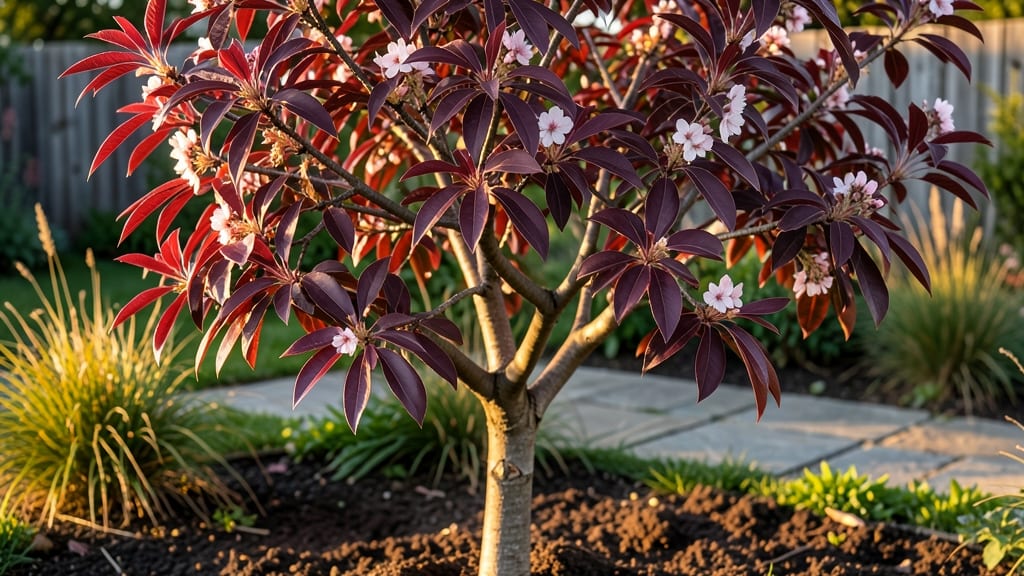
The purple leaf peach transforms your yard into a living masterpiece with foliage that rivals any spring bloom. 🌿 I planted mine last fall, and by midsummer, the deep burgundy leaves were the talk of the neighborhood—no flowers needed.
This isn’t just another shade tree; it’s a year-round statement piece that turns heads in every season. For best results, give it full sun and well-draining soil—clay-heavy spots will drown those roots faster than you can say "pruning shears."
Space saplings 15-20 feet apart unless you’re okay with a future canopy fight. The first year is all about establishing roots, so water deeply once a week unless your summer turns into a sauna.
By year three, you’ll see why gardeners obsess over this tree: glossy purple leaves that deepen in fall, dramatic winter silhouettes, and—yes—occasional white spring blooms. Prune in late winter to shape it (and remove those suckers that steal energy from the foliage), and fertilize lightly in early spring.
Pests? Almost none. Diseases? Rare. Just drought and poor soil, and those are easy fixes. Here’s the secret: mulch heavily to preserve moisture and color intensity. I’ve seen trees in Zone 5 keep their purple hue through three hard frosts—proof that this isn’t just pretty, it’s tough.
Ready to make your landscape unforgettable?
📚 In This Guide
- What you need
- Instructions
- Tips and common mistakes
- Wrapping up and next steps
What you need
- ● Ready to grow a stunning purple leaf peach tree? Here’s everything you’ll need to get started—whether you’re planting from a sapling or nurturing a new tree!
- ● Pro tip: 💡 If your climate is cold-hardy (Zones 5–9), consider a tree wrap in winter to shield the trunk from frost cracks!
Step-by-step guide to planting and caring for a purple leaf peach tree
Here's how to grow a stunning purple leaf peach tree that thrives with minimal fuss.
🌱 Step 1: Choose the Right Location and Prepare the Soil
Purple leaf peach trees need full sun exposure—at least 6-8 hours of direct sunlight daily. I always select a spot with morning sun and afternoon shade if summers run hot in your area. The tree’s vibrant foliage deepens in color with more sunlight, so don’t skimp on placement.
Test your soil’s drainage before planting—purple leaf peach trees hate soggy roots. Amend heavy clay soil with 2-3 inches of compost and a handful of coarse sand to improve aeration. The ideal soil pH is slightly acidic, between 6.0 and 6.5. If your soil is too alkaline, mix in 1-2 pounds of sulfur per 100 square feet a month before planting.
🪴 Step 2: Plant at the Correct Depth and Stake for Support
Dig a hole twice as wide as the root ball but only as deep as the container’s height. Gently remove the tree from its pot and loosen any circling roots with your fingers. Place the tree in the hole so the top of the root ball sits 1-2 inches above ground level—this prevents water from pooling at the base.
Backfill with native soil, pressing lightly around the edges to eliminate air pockets. Water deeply to settle the soil, then install a 5-foot stake on the side opposite the prevailing wind. Tie the trunk to the stake with a soft tree tie, leaving room for the tree to sway slightly—this strengthens its natural stability. Avoid burying the trunk or wrapping the tie too tightly.
☀️ Step 3: Water Deeply and Mulch to Retain Moisture
Water the tree immediately after planting with 10-15 gallons of water, enough to soak the root zone to a depth of 12 inches. Check soil moisture weekly by inserting your finger 2 inches deep—water again when the soil feels dry. Purple leaf peach trees are drought-tolerant once established, but young trees need consistent moisture to develop strong roots.
Spread 2-3 inches of mulch (wood chips or shredded bark) around the base, keeping it 6 inches away from the trunk to prevent rot. Mulch helps retain soil moisture and regulates temperature, but avoid piling it against the bark. Replenish mulch annually as it breaks down, and remove any weeds that compete for nutrients.
✂️ Step 4: Prune for Shape and Health in Late Winter
Prune your purple leaf peach tree in late winter or early spring, just before new growth begins. Remove any dead, diseased, or crossing branches first—these are easy to spot as they stand out against the vibrant foliage. Cut back to a healthy outward-facing bud or branch collar to encourage proper healing.
Shape the tree by thinning out crowded branches to improve airflow, which reduces the risk of fungal diseases. Aim for an open center with branches spaced 8-12 inches apart. Avoid heavy pruning in summer, as new growth won’t harden off before winter. After pruning, apply a dormant oil spray to protect against overwintering pests.
🌿 Step 5: Fertilize and Monitor for Pests Year-Round
Fertilize in early spring with a balanced 10-10-10 fertilizer, applying ½ pound per inch of trunk diameter. Spread the fertilizer evenly over the root zone and water deeply to activate it. Repeat in mid-summer if the tree shows signs of nutrient deficiency, like yellowing leaves or stunted growth.
Watch for common pests like aphids, scale, and spider mites—these love the tender new growth. Spray with a soapy water solution (1 tablespoon mild dish soap per gallon of water) if you spot clusters of insects on the undersides of leaves. Purple leaf peach trees are generally low-maintenance, but consistent care ensures their foliage stays vibrant and healthy year-round.
Tips & tricks for perfect purple leaf peach tree care
These simple strategies will help your purple leaf peach tree thrive with stunning foliage all season long.
Sunlight Optimization: While the instructions call for 6-8 hours of sunlight, I've found that positioning your tree to catch morning sun and afternoon shade in hot climates actually intensifies that vibrant purple hue. The tree's leaves naturally produce more anthocyanins (the pigments responsible for the purple color) when exposed to bright light followed by cooler afternoon temperatures. If you notice fading color, consider moving the tree slightly to maximize those morning sun hours.
Soil Amendments: The 2-3 inches of compost recommendation is perfect, but I always add an extra handful of worm castings to the planting hole. These provide beneficial microbes that help the tree establish its root system faster. For alkaline soils, test your pH again after adding sulfur—sometimes you need slightly more (up to 2-3 pounds per 100 square feet) to reach that ideal 6.0-6.5 range. A soil test kit makes this easy to verify.
Watering Technique: That initial 10-15 gallon watering after planting is crucial, but I've learned to water more deeply less frequently once established. Instead of weekly checks, I water every 10-14 days during dry spells, letting the soil dry completely between waterings. This encourages deeper root growth. The 2-inch deep moisture check works well, but I also watch for wilting leaves—this is your tree's way of telling you it's thirsty before the soil test shows dryness.
Pruning Insight: When pruning in late winter, I always look for branches that cross each other—they create weak points where diseases can enter. Cut these back to the branch collar, which is that swollen area where the branch meets the trunk. This technique promotes stronger regrowth. For shaping, I aim for that open center but leave some lower branches to create a more natural, fuller appearance that still allows good airflow.
Pro Tips for Purple Leaf Peach
- These simple strategies will help your purple leaf peach tree thrive with stunning foliage all season long.
- Sunlight Optimization: While the instructions call for 6-8 hours of sunlight, I've found that positioning your tree t...
- Soil Amendments: The 2-3 inches of compost recommendation is perfect, but I always add an extra handful of worm casti...
Frequently asked questions
Got questions about growing or caring for your purple leaf peach tree? You're not alone! Here are some of the most common queries—plus straightforward answers to help you keep your tree thriving.
How fast does a purple leaf peach tree grow?
A young purple leaf peach tree typically grows 12–24 inches per year in ideal conditions. With proper care—sunlight, water, and nutrients—it can reach 15–20 feet tall within 5–10 years. Patience is key, but the vibrant foliage makes the wait worth it!
Can purple leaf peach trees survive winter?
Yes! These trees are hardy in USDA zones 5–9, meaning they tolerate cold winters down to -15°F. For extra protection in colder climates, mulch the base with 3–4 inches of organic matter (like wood chips) and avoid pruning late in the season.
Do purple leaf peach trees produce edible fruit?
While they’re stunning for their purple-red foliage, their fruit is small, tart, and not typically eaten fresh. Some gardeners use them for jams or preserves, but the focus is usually ornamental. If you want both beauty and fruit, consider a hybrid like ‘Bonanza’ or ‘Redhaven.’
What pests or diseases should I watch for?
Common issues include:
- Aphids or spider mites: Spray with water or use neem oil.
- Fire blight: Remove infected branches immediately and sterilize tools.
- Leaf spot: Improve airflow and avoid overhead watering.
Can I grow a purple leaf peach tree in a container?
Choose a large pot (at least 20 gallons) with drainage holes and use well-draining soil. Keep it in full sun and water consistently. Just know it’ll need annual repotting as it grows—these trees have strong roots!
Wrapping up and next steps
The purple leaf peach tree isn’t just a stunning addition to your garden—it’s a year-round showstopper with vibrant foliage that brings color and life to any space.
Whether you’re drawn to its dramatic purple leaves, fragrant blooms, or even the occasional fruit, this tree offers beauty and versatility that’s hard to beat. 🌿✨
Ready to transform your outdoor space? Start by choosing the right spot, gathering your supplies, and diving into planting or care—your future purple paradise awaits! 🌱