
Landscaping
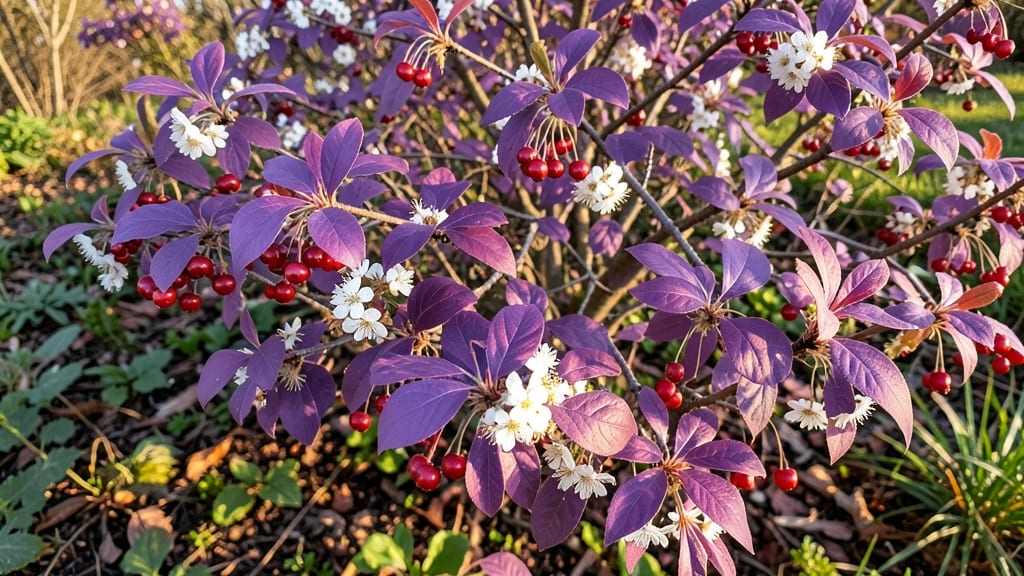
Want to add dramatic color to your garden without relying on seasonal blooms? These 10 purple leaf shrubs deliver rich hues year-round, thriving in diverse climates and requiring minimal maintenance.
Japanese Maple Purple Smoke
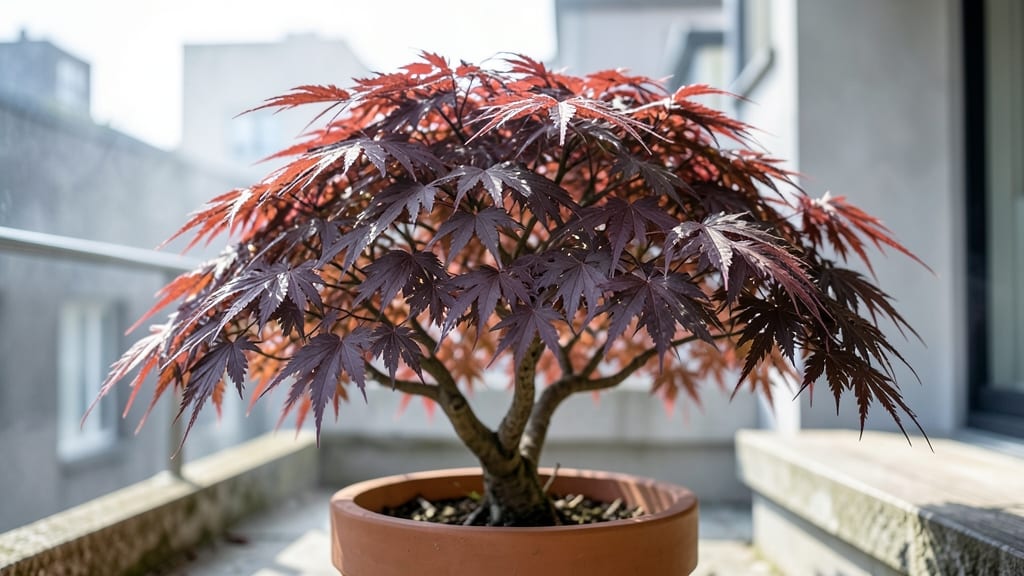
Tucking vibrant color into tight spaces just got easier with the Japanese Maple Purple Smoke—a dwarf variety that packs a punch in containers or small gardens. This compact beauty stays under 6 feet tall, making it perfect for balconies, patios, or urban courtyards where space is at a premium.
Its deep purple foliage steals the show all season, then transforms into fiery red hues in fall, giving you a two-season color display without extra work. Thrives in partial shade (3-6 hours of sun) and well-drained soil, so it’s forgiving for beginners. For best results, water consistently the first year to establish roots, then let it enjoy natural rainfall.
Urban gardeners and apartment dwellers will love how this maple adds drama without demanding space. Pair it with silver foliage plants to make the purple pop even more! 🌻
Crapemyrtle Muskogee
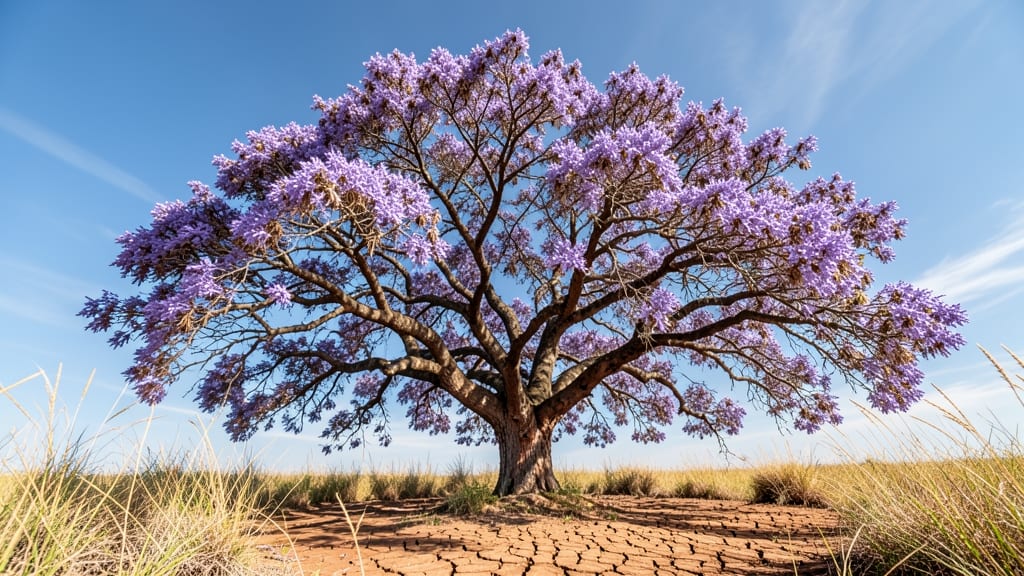
If you live in the Southern U.S. and struggle with heat waves and drought, the Crapemyrtle Muskogee is your go-to purple leaf shrub. This hardy beauty thrives in 100°F+ temperatures and needs less than an inch of water per week once established, making it a water-wise superstar.
Its lavender-purple foliage stays vibrant all season, while clusters of pinkish-lavender flowers bloom from summer into fall, creating a magnet for butterflies and hummingbirds. Unlike fussy shrubs, Muskogee handles poor soil and urban pollution, so it’s perfect for foundation plantings or mixed borders where other shrubs might struggle.
Southern gardeners and eco-conscious landscapers will love this low-maintenance powerhouse—it’s the kind of plant that just keeps giving, year after year. 🌻
Smokebush Purple Haze
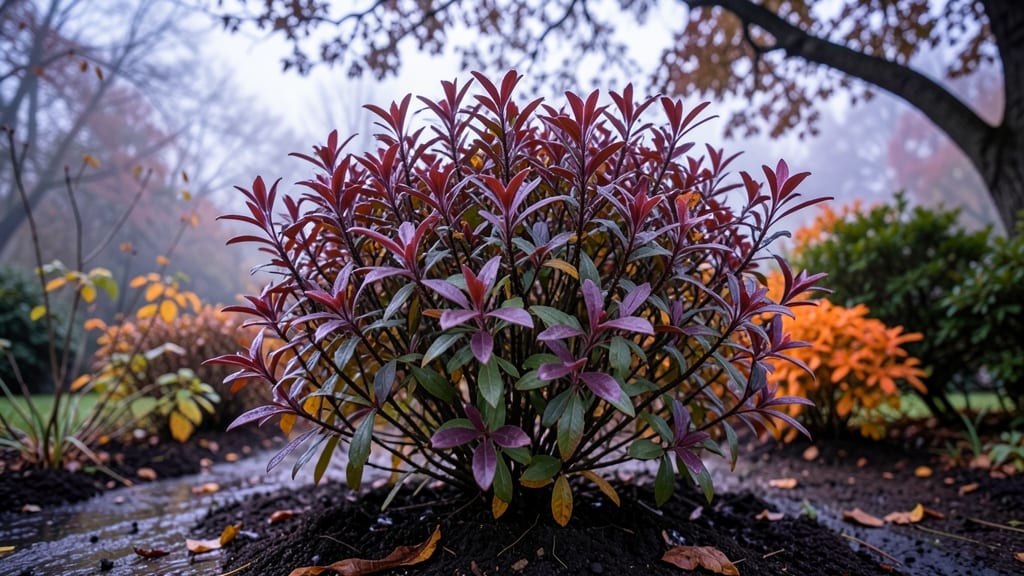
If your garden has wet soils or shady spots where other shrubs refuse to thrive, Smokebush Purple Haze is your unsung hero. This cold-hardy powerhouse tolerates soggy conditions and partial shade better than most, while still delivering smoky purple foliage that transforms into fiery brilliant orange by fall.
Native to North American woodlands, this shrub thrives in USDA zones 3-8 and handles everything from moist clay soils to occasional flooding. Its airy, wispy branches create natural movement, and white summer blooms add subtle contrast. For best results, plant in morning sun with afternoon shade to preserve its deep purple tones all season.
Perfect for rain gardens, woodland edges, or foundation plantings, this shrub offers year-round interest with minimal care. Gardeners in damp climates or shady yards will appreciate its resilience and striking seasonal color shift. 🌟
Weigela Purple Leaf
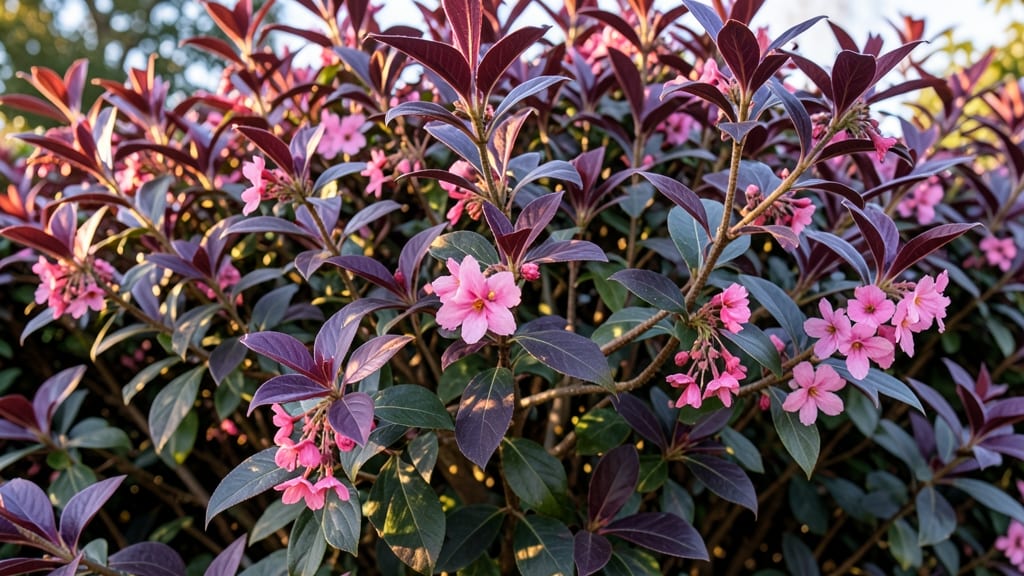
If you're looking for a fast-growing shrub that doubles as a deer deterrent and privacy screen, Weigela Purple Leaf is your answer. This showstopper combines vibrant deep purple foliage with clusters of pink flowers in spring, creating a striking visual contrast that lasts all season.
Thriving in full sun to partial shade, this hardy shrub reaches 5–6 feet tall and wide, making it ideal for foundation plantings or mixed borders. Its deer-resistant nature means fewer worries about hungry wildlife munching your landscape, while its year-round color ensures your garden stays vibrant even in winter. Prune lightly after flowering to maintain shape and encourage bushier growth.
Perfect for beginner gardeners or busy homeowners, Weigela Purple Leaf delivers low-maintenance beauty with high impact—no seasonal color sacrifices required. 🌻
Purple Leaf Plum
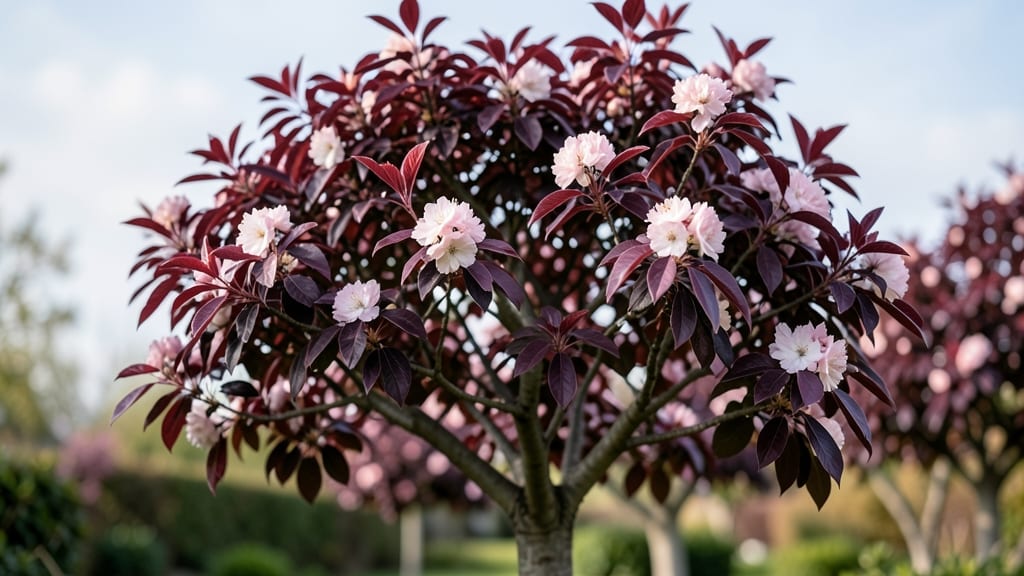
Looking for a standout focal point that combines vibrant color with fragrant beauty? The Purple Leaf Plum (Prunus cerasifera) delivers year-round interest with its deep purple foliage and show-stopping spring blooms. Unlike other shrubs, this small tree offers both ornamental appeal and functional shade, making it a versatile choice for any landscape.
Plant it in full sun for the most intense foliage color, though it tolerates partial shade. The fragrant pink blossoms in early spring attract pollinators, while the glossy purple leaves provide contrast all season. To keep it looking its best, prune annually in late winter or early spring before new growth appears—this prevents overcrowding and maintains its natural shape.
Perfect for urban gardens, small yards, or as a specimen tree in larger landscapes, the Purple Leaf Plum thrives in USDA zones 5-9 and handles most soil types. Its compact size (15-20 feet tall) makes it ideal for gardeners who want big impact with minimal space. 🌻
Dwarf Lilac Purple Bush
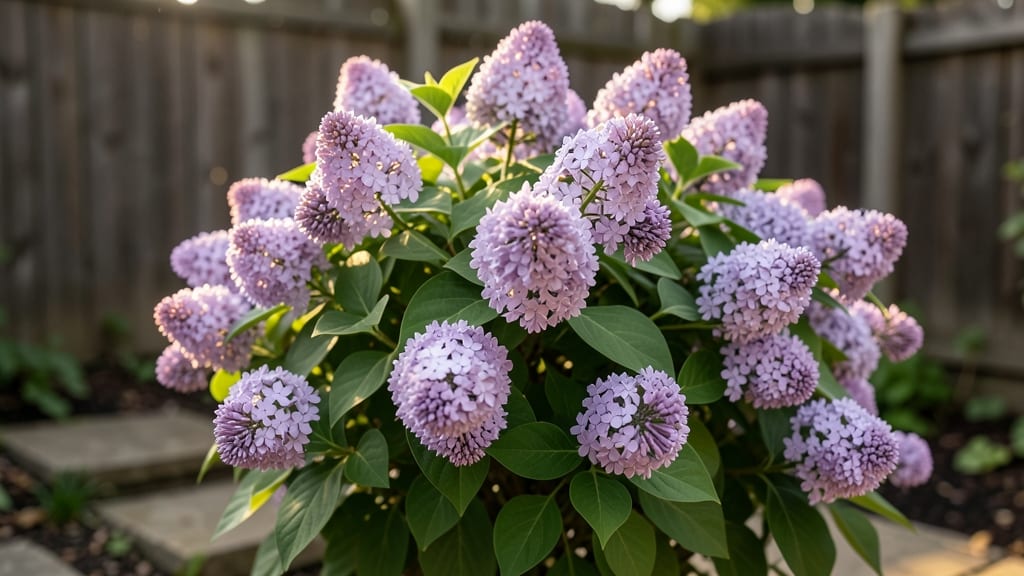
Looking for a fragrant shrub that fits snugly in small spaces while adding charm to your garden? The Dwarf Lilac Purple Bush (Syringa meyeri 'Palibin') is your answer—its compact size (3-5 feet tall) makes it perfect for cottage gardens, borders, or even containers.
This delightful shrub combines purple-tinged foliage with clusters of lilac-scented blooms in late spring, offering year-round interest with minimal fuss. Unlike its taller relatives, it requires little to no pruning—just a light trim after flowering to maintain shape. It thrives in full sun to partial shade and tolerates most soil types, making it a breeze to grow.
Ideal for gardeners who love low-maintenance beauty, this shrub also attracts pollinators and adds a vintage touch to any landscape. Plant it near patios or pathways to enjoy its sweet fragrance up close. 🌷
Ninebark Purple Leaf
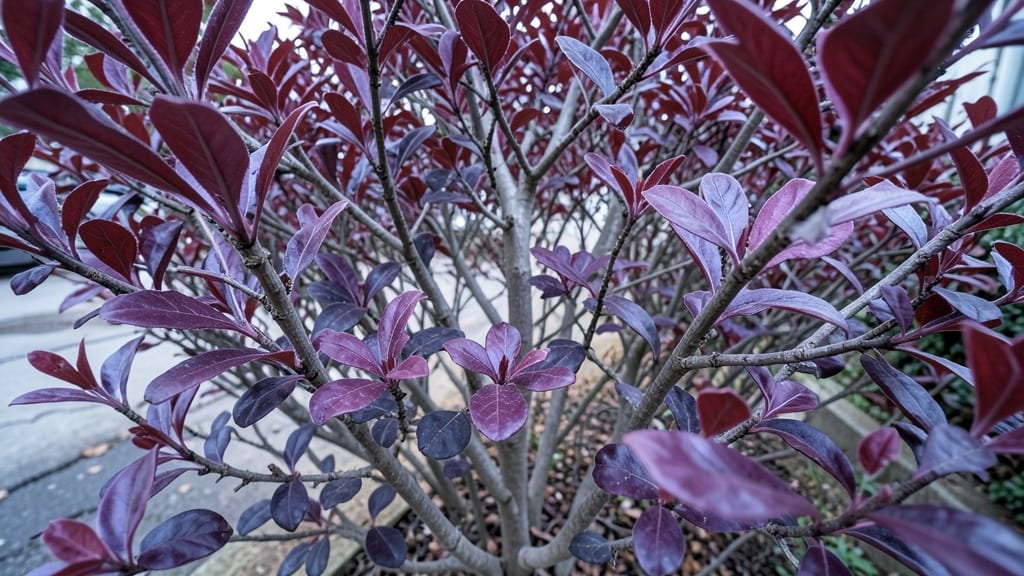
If you’re tired of shrubs that demand perfect soil or wilt in city air, ninebark purple leaf is your go-to for resilience. This hardy shrub thrives in poor soil and urban pollution, making it ideal for neglected spots or urban gardens where other plants struggle.
The real showstopper? Its exfoliating bark peels back to reveal layers of texture, while the deep purple leaves shift to golden hues in fall. Prune back in late winter to encourage fresh growth, and watch it bounce back with minimal effort. Plant it in mixed borders to add height and seasonal drama without the fuss. 🌟
Purple Leaf Beech
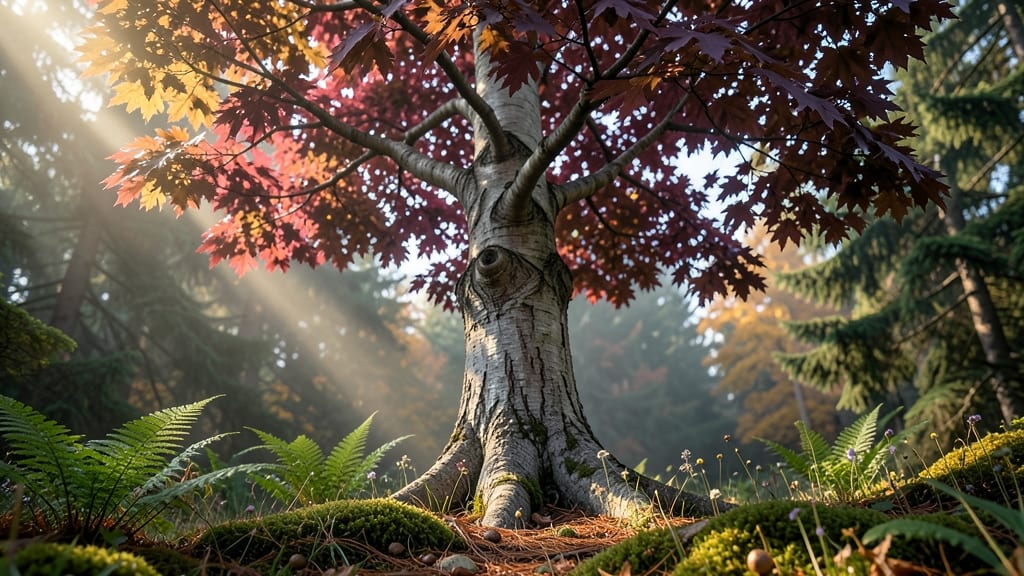
If you're dreaming of a woodland garden that feels like a secret retreat, the Purple Leaf Beech (Fagus sylvatica 'Asplenifolia') is your perfect partner. Unlike flashy annuals, this tree delivers year-round drama with its deep purple leaves that transform into golden-brown masterpieces in autumn—no extra effort required.
This slow-growing but long-lived tree thrives in partial shade to full sun, making it ideal for understory plantings or as a striking specimen focal point. Its glossy foliage resists pests and diseases, while its compact growth habit (20-30 feet tall) fits beautifully in both large gardens and smaller landscapes. For best results, plant in well-drained soil and water consistently during its first year to establish strong roots.
Gardeners who love low-maintenance elegance will adore this tree—it’s perfect for those who want to create a serene, naturalistic space without the upkeep of seasonal color changes. 🌟
Purple Smoke Bush
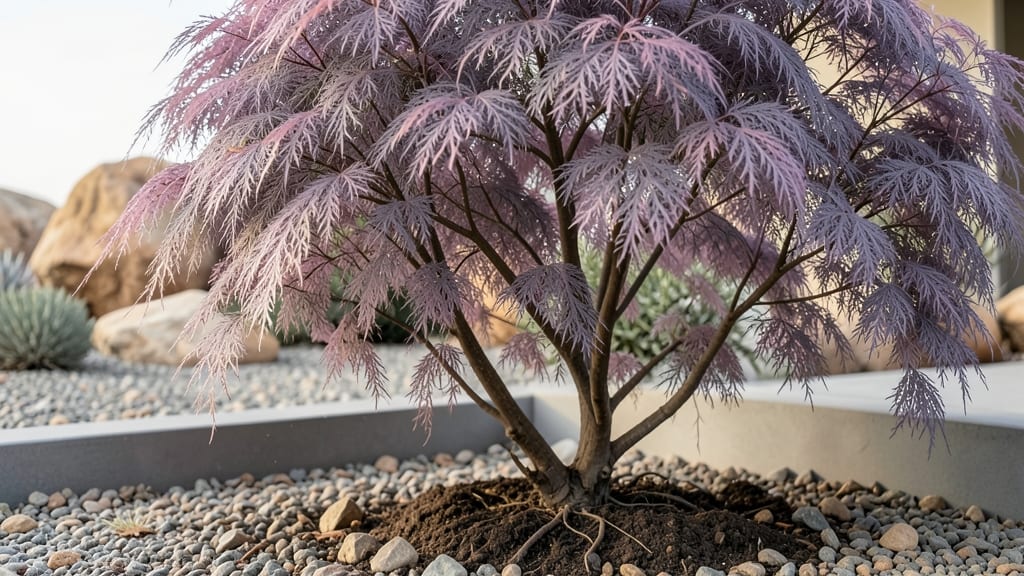
If you're designing a modern garden or a xeric landscape, the Purple Smoke Bush (Cotinus coggygria) delivers drama with minimal fuss. This hardy shrub thrives in drought conditions and even tolerates poor, rocky soils where other plants would struggle.
Its smoky purple foliage creates a soft, wispy texture that contrasts beautifully with white summer blooms, while its fall colors shift to golden-yellow. Plant it in full sun for the most vibrant hues, and prune lightly after flowering to maintain its airy shape. This shrub's adaptability makes it perfect for urban gardens or as a striking focal point near patios.
Perfect for gardeners who want low-maintenance color without compromise, the Purple Smoke Bush brings effortless elegance to any space. 💚
Purple Leaf
Sand Cherry
Looking for a native North American shrub that does double duty—beautifying your garden and feeding wildlife? The purple leaf sand cherry (Prunus pumila) delivers with its vibrant purple foliage, fragrant white spring blooms, and edible red berries that birds and small mammals adore.
This low-maintenance shrub thrives in full sun to partial shade and tolerates a range of soils, making it perfect for wildlife gardens or naturalistic plantings. Its compact size (3-6 feet tall) fits well in borders or as a specimen plant, while its late spring fruit provides food for pollinators and birds. Prune lightly after flowering to encourage bushier growth.
Ideal for gardeners who want year-round interest with minimal effort, this shrub is especially rewarding for those in USDA zones 3-7 who prioritize native plants and pollinator-friendly landscapes. 🌻