
Pests and Diseases
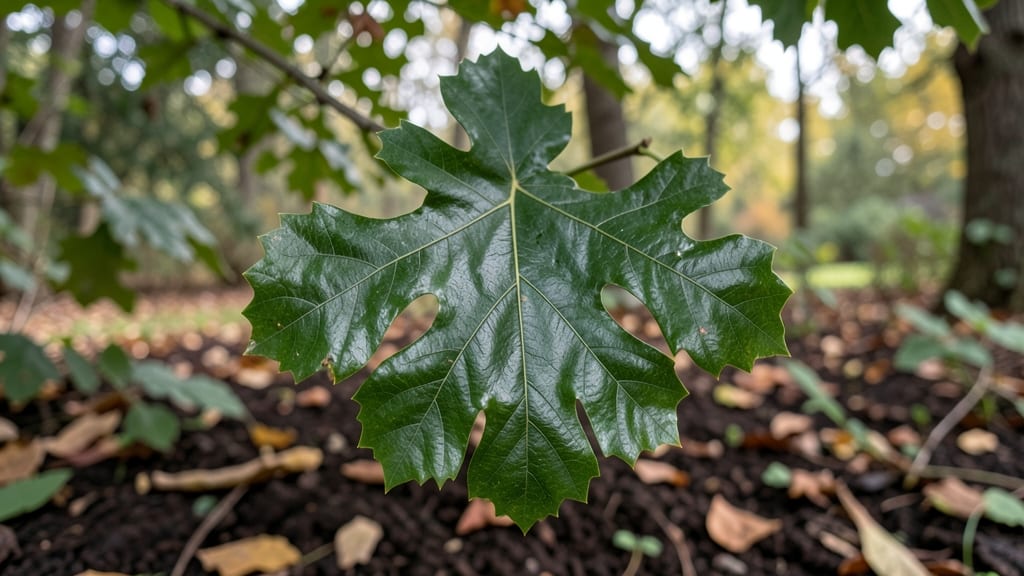
That lobed, leathery Quercus petraea leaf is nature’s own armor against pests and disease. 🌿 I’ve grown sessile oak for years, and its deep green foliage stays vibrant even when other trees struggle—no pesticides needed.
The secret lies in its thick texture and chemical defenses that deter insects while supporting local wildlife. This oak thrives in full sun to partial shade and tolerates poor soil better than most trees.
Plant it in well-draining earth, and watch it grow into a sturdy shade provider with minimal fuss. Acorns are the easiest way to propagate, though grafting works too for serious growers. By mid-summer, you’ll see glossy new leaves emerging, each one a testament to the tree’s resilience.
The canopy becomes a haven for birds and butterflies, turning your yard into an ecosystem hotspot. Perfect for urban landscapes, parks, or rural properties—just give it space to spread its roots. Here’s how to nurture it from seed to maturity.
📚 In This Guide
- What you need
- Instructions
- Tips and common mistakes
- Wrapping up and next steps
What you need
- ● Fresh or dried Quercus petraea leaves: Collect 1–2 cups (or ~30–50g) of healthy, pest-free leaves. Pro tip: Harvest from organic sources or sustainably managed forests to avoid contaminants. 🌳🔍
- ● Water: 1 quart (32 oz) of distilled or rainwater for sprays, or enough to soak leaves for mulch.
- ● Container: A glass jar, stainless steel pot, or food-grade bucket (avoid plastic for long-term soaking).
- ● Fine mesh strainer or cheesecloth: For filtering leaf infusions.
- ● Spray bottle or watering can: 8–16 oz capacity for application.
- ● Gloves: Nitrile or latex-free gloves to protect hands while handling leaves.
- ○ Mortar & pestle (optional): For crushing leaves to release oils faster.
- ○ Essential oil diffuser (optional): To blend leaf extracts with complementary oils like neem or rosemary.
- ○ pH testing strips (optional): To monitor acidity in sprays (ideal pH: 5.5–6.5).
- ● Labeling tape: To mark containers with dates and contents.
- ● Basic knowledge of plant pests (e.g., aphids, mites, or fungal spores) to tailor applications.
- ● Access to a shaded, well-ventilated workspace for preparation.
- ● Patience! Some recipes require 12–48 hours of steeping for maximum potency. ⏳
How to identify and care for Quercus petraea oak leaves
Here's how to recognize and maintain the hardy, pest-resistant foliage of the sessile oak.
🌿 Step 1: Recognize Quercus Petraea Leaves by Key Features
The sessile oak's leaves are easy to spot once you know what to look for. They grow on short stalks or directly attached to the branch (hence "sessile"), with rounded lobes that curve inward like cupped hands. Each leaf is 4-7 inches long, with 5-7 lobes that have smooth edges rather than jagged teeth.
Hold a leaf up to light—you'll notice the underside has a dense covering of rusty-brown hairs, especially along the veins. This fuzzy texture helps repel pests naturally. The leaves also have a distinctive blue-green color that deepens in summer, making them stand out against other oak varieties.
☀️ Step 2: Provide Ideal Growing Conditions for Healthy Foliage
Sessile oak thrives in full sun to partial shade, with at least 6 hours of direct sunlight daily. Plant in well-draining soil with a slightly acidic to neutral pH (6.0-7.5). The tree tolerates poor, rocky soil but grows best in loamy, moist but well-drained conditions.
Watch for signs of stress—yellowing leaves often indicate too much water, while brown, crispy edges signal underwatering or drought. Mulch around the base with 2-3 inches of organic material to retain moisture and regulate soil temperature. This tree's deep roots make it drought-tolerant once established, but young specimens need consistent moisture.
💧 Step 3: Water and Fertilize for Pest-Resistant Growth
Water deeply once a week during the first growing season, then taper to every 2-3 weeks once established. The sessile oak's natural pest resistance comes from its thick, leathery leaves and tannin-rich foliage, but proper care enhances this defense. Apply a balanced 10-10-10 fertilizer in early spring to encourage lush, healthy growth.
If you notice yellowing between leaf veins, it's likely iron deficiency—sessile oaks prefer acidic soil, so test your soil and amend with sulfur or peat moss if needed. Avoid over-fertilizing, which can lead to soft, pest-attracting foliage. Prune in late winter or early spring to remove dead or diseased branches and improve airflow.
✂️ Step 4: Prune and Maintain for Long-Term Leaf Health
Prune your sessile oak in late winter before buds swell to prevent sap bleeding. Remove dead, diseased, or crossing branches first, then thin the canopy to allow sunlight to reach the lower branches. Use clean, sharp pruners to make cuts just outside the branch collar to promote faster healing.
Watch for oak leaf roller caterpillars or gypsy moths, which can still affect sessile oaks despite their resistance. If you spot rolled or skeletonized leaves, treat with neem oil or horticultural oil as a preventative measure. The tree's natural defenses make it resilient, but early intervention ensures those iconic, pest-resistant leaves stay vibrant year after year.
Tips & tricks for perfect Quercus petraea oak foliage
These simple insights will help you cultivate those iconic, pest-resistant leaves with ease.
Leaf Identification: When comparing sessile oak leaves to other varieties, focus on the 5-7 rounded lobes that curve inward like cupped hands. Unlike white oaks, sessile oak leaves lack jagged edges—look for those smooth, almost waxy contours. I always check the underside for rusty-brown hairs along the veins, which is a dead giveaway for this species.
Sunlight Strategy: The 6 hours of direct sunlight mentioned is non-negotiable for that signature blue-green color. If your tree isn't getting enough light, you'll notice leaves turning pale or losing their vibrant hue. I've found that positioning young trees on the south or west side of buildings works best in northern climates, where sunlight is less intense.
Soil Secrets: That slightly acidic to neutral pH (6.0-7.5) is crucial—sessile oaks hate alkaline soil. I always test my soil before planting and amend with peat moss or sulfur if needed. The tree's deep roots mean it tolerates poor soil once established, but young plants need that loamy, well-draining mix to thrive.
Pest Prevention: The rusty-brown hairs on the underside of leaves are nature's built-in pest repellent, but you can boost defenses further. I spray a neem oil solution (1 tablespoon per gallon of water) in early spring and again after heavy rains. This prevents oak leaf roller caterpillars from establishing themselves before the tree's natural defenses kick in.
Pro Tips for Quercus Petraea Leaf
- These simple insights will help you cultivate those iconic, pest-resistant leaves with ease.
- Leaf Identification: When comparing sessile oak leaves to other varieties, focus on the 5-7 rounded lobes that curve inward like cupped hands.
- Sunlight Strategy: The 6 hours of direct sunlight mentioned is non-negotiable for that signature blue-green color.
Frequently asked questions
Got questions about Quercus petraea leaves and their pest-resistant properties? You’re not alone! Here are some of the most common queries—plus straightforward answers to help you navigate this hardy oak foliage like a pro.
What makes Quercus petraea leaves resistant to pests?
Quercus petraea (or sessile oak) leaves contain high levels of tannins and phenolic compounds, which act as natural deterrents to insects like aphids, caterpillars, and mites. These compounds make the leaves less palatable and toxic to many pests, reducing damage without chemical interventions.
When is the best time to harvest Quercus petraea leaves for pest control?
The ideal time to harvest leaves for pest-resistant applications (like mulch or infusions) is late summer to early fall (August–September). At this stage, the leaves are fully mature but haven’t yet decomposed, retaining their maximum tannin content. Avoid harvesting after heavy rain, as moisture can dilute their potency.
Can I use Quercus petraea leaves as a natural pest deterrent for my garden?
Crush fresh or dried Quercus petraea leaves and sprinkle them around plants, in compost piles, or near entry points to deter pests like slugs, ants, and even some fungal diseases. For stronger effects, steep dried leaves in water (1:10 ratio) and spray as a foliar treatment. Just avoid overapplying—too many tannins can harm sensitive plants.
What are some alternatives if Quercus petraea isn’t available?
If Quercus petraea isn’t accessible, other oak species like Quercus robur (English oak) or Quercus alba (white oak) work well due to similar tannin profiles. Non-oak alternatives include walnut leaves (juglone-rich) or neem leaves, though their pest-deterrent effects may vary. Always test on a small scale first! ↔
Why are my Quercus petraea leaves still getting eaten despite being pest-resistant?
Even with natural resistance, severe infestations (e.g., oak leaf roller moths or deer browsing) can still occur. If damage persists, try physical barriers (netting), beneficial insects (ladybugs), or pruning affected branches to reduce stress. Heavy infestations may require targeted organic sprays like neem oil or kaolin clay.
Pro Tip:
Store dried Quercus petraea leaves in airtight containers away from sunlight to preserve their pest-repellent properties for up to 12 months. Label them clearly—mistaking them for edible herbs could lead to a bitter (and potentially stomach-upsetting) surprise!
Wrapping up and next steps
The Quercus petraea leaf stands out as a natural, pest-resistant powerhouse for gardeners and landscapers alike. 🌿 Whether you're battling aphids, fungal threats, or simply seeking durable foliage, this oak variety offers resilience without harsh chemicals. Its hardy nature makes it a smart, eco-friendly choice for sustainable gardening.
Ready to give your garden a boost? Start by planting Quercus petraea in well-draining soil and monitor its growth—soon, you’ll enjoy its lush, pest-defying beauty! 🌱