
Shrubs
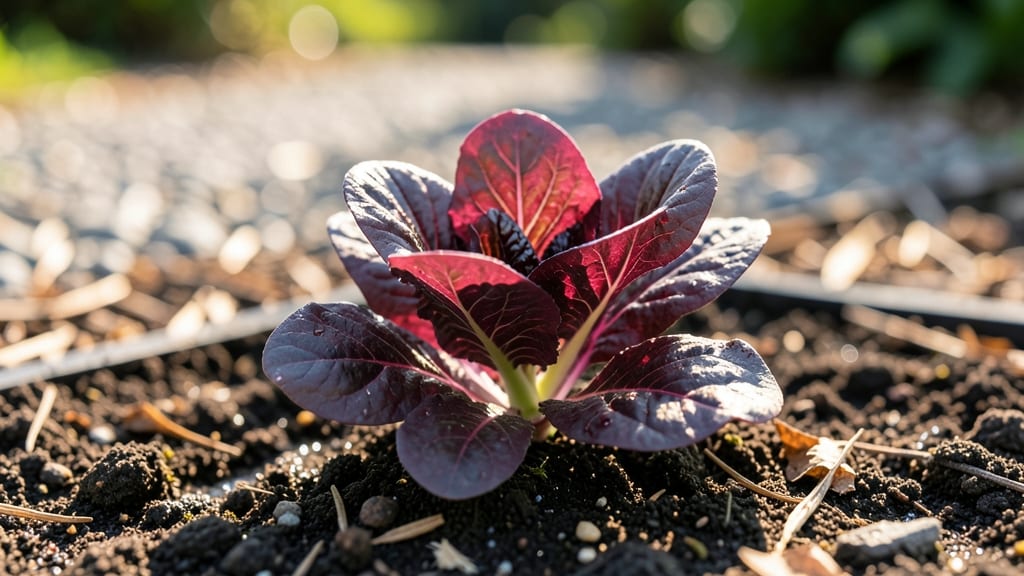
Growing red leaf lettuce seedlings with those stunning purple stems starts with the right balance of light and moisture. 🌱 I learned the hard way that too much sun bleaches out the color, while too little makes them leggy and sad—neither of which you want in your salad mix.
The secret lies in giving them bright but indirect light and keeping the soil consistently damp, not soggy.
You’ll need a shallow tray or pots with drainage holes, a well-draining seed-starting mix, and a spray bottle for gentle watering. Most seedlings sprout in 5-7 days at 60-70°F, and once they’ve got their first true leaves, they’ll need 3-4 hours of sunlight daily.
That’s where the purple magic happens—the stems deepen when they get just enough light to photosynthesize but not so much that they burn.
By the time they’re 3-4 inches tall, you’ll be pinching off the outer leaves for baby greens while the center keeps growing. The key is consistency: water at the soil level (not overhead) and avoid letting them dry out.
That’s when the bold red-purple hues really pop, making your salads look as good as they taste.
Whether you’re growing them on a sunny windowsill or under grow lights, the transition to outdoor conditions should be gradual. Harden them off over 7-10 days by moving them outside for increasing lengths of time—this prevents shock and keeps those vibrant stems intact.
Once they’re ready for the garden, plant them in partial shade to keep the color rich and the leaves crisp.
📚 In This Guide
- What you need
- Instructions
- Tips and common mistakes
- Wrapping up and next steps
What you need
- ● Red Leaf Lettuce Seeds: 1 packet (about 50-100 seeds, organic preferred for best results).
- ● Seed Starting Mix: 1 bag (1-2 cubic feet, sterile and seedling-specific).
- ● Containers: 1-2 seed trays (10x20 inches) or 4-6 individual pots (3-4 inches deep).
- ● Grow Lights or Sunny Spot: A full-spectrum LED grow light (12-16 hours/day) or a south-facing window with 4+ hours of sunlight.
- ● Watering Can or Spray Bottle: With a fine mist nozzle for gentle hydration.
- ● Fertilizer: Balanced liquid fertilizer (5-10-5 NPK ratio, diluted to half-strength).
- ● Plant Labels: Small tags or markers to track seedlings.
- ○ Heat Mat (Optional): For faster germination (70-75°F ideal).
- ○ Humidity Dome (Optional): To retain moisture during sprouting.
- ○ Transplant Tray (Optional): For hardening off seedlings before outdoor planting.
- ○ Pruning Shears (Optional): For trimming mature leaves to encourage bushier growth.
How to grow red leaf lettuce seedlings for vibrant harvests
Here's the straightforward method I use to grow sturdy, colorful red leaf lettuce seedlings that thrive in salads.
🌱 Step 1: Prepare Containers and Soil Mix
Fill your containers—whether it's a seed tray or small pots—with a lightweight seed-starting mix. I like to use a blend that's about 70% peat moss and 30% perlite for perfect drainage. Press the mix down gently so it's firm but not compacted. You want the surface to be level, not mounded.
Moisten the mix with warm water until it's evenly damp, like a wrung-out sponge. Avoid soaking it—you should see moisture at the surface but no standing water. This prevents seed rot before germination even begins. I like to work in a shallow tray so I can water from below, letting the mix pull up moisture evenly.
🌱 Step 2: Plant Seeds at the Right Depth
Sprinkle seeds thinly across the surface—about ¼ inch apart—since red leaf lettuce grows in a rosette pattern. Press each seed lightly into the soil with your fingertip, just enough to cover it with ⅛ inch of mix. Don't bury them deeper; they need light to germinate properly.
I use a small spoon to space them evenly, then tap the tray gently to settle the soil. Cover the tray with a clear plastic dome or plastic wrap to trap warmth and humidity. Place it in a spot that stays around 60-65°F—a sunny windowsill or under a grow light works perfectly.
💧 Step 3: Maintain Moisture and Light for Germination
Check the soil daily but only mist the surface when it feels dry to the touch. The dome keeps humidity high, so you won't need to water often—just enough to prevent the soil from drying out completely. Germination usually happens in 7-14 days, depending on your temperature.
Once you see the first green sprouts, remove the dome immediately. Too much humidity now invites mold, which can kill seedlings overnight. Place the tray under a grow light or in a south-facing window where seedlings get 12-14 hours of light daily. You'll notice them leaning toward the light—rotate the tray daily so they grow straight.
🌿 Step 4: Thin Seedlings for Strong Growth
When seedlings have 2-3 true leaves (not just the first tiny ones), it's time to thin. Use small scissors or your fingers to snip or gently pull the weaker seedlings at the base. Leave the strongest ones 2-3 inches apart—this gives them room to develop those bold purple stems and crisp leaves.
I like to harvest the thinned seedlings for microgreens—they're packed with flavor! After thinning, water gently at the base to avoid disturbing the roots of the remaining plants. Keep the soil consistently moist but never soggy, and watch as those purple stems deepen and the leaves grow lush.
☀️ Step 5: Harden Off Before Transplanting
About 1-2 weeks before your last frost date, start hardening off your seedlings. Move them outside to a shaded spot for 1-2 hours the first day, then gradually increase their time outdoors over 7-10 days. This helps them adjust to wind, sun, and temperature changes.
By the time you transplant, your red leaf lettuce seedlings should be sturdy and ready to thrive in the garden. Plant them in well-draining soil, spacing them 6-8 inches apart, and keep the soil moist. In just a few weeks, you'll have vibrant, salad-ready greens with those stunning purple stems!
Tips & tricks for perfect red leaf lettuce seedlings
Took me a while to figure out these tricks—here's what makes all the difference with vibrant red leaf lettuce.
Soil Mix Secret: For that perfect 70% peat moss and 30% perlite blend, I often add a handful of compost to Step 1. This gives your seedlings a nutrient boost right from the start, especially important since red leaf lettuce is a heavy feeder. Just mix it in gently after moistening the soil—no need to overwork it. The compost helps those purple stems develop their signature intensity.
Germination Temperature: Keeping your seeds at that 60-65°F range in Step 2 is crucial, but I've found that placing the tray on a heating mat set to 65°F speeds up germination from 7-14 days to just 5-7 days. The key is consistency—fluctuations can cause uneven sprouting. If you don't have a heating mat, a sunny windowsill with a space heater nearby works in a pinch.
Light Rotation Technique: When you're rotating your trays daily for even growth in Step 3, I recommend marking the tray's orientation with a small piece of tape. This helps you remember which direction is which, so you don't accidentally rotate too much. The goal is to keep them growing straight toward the light source, not spinning in circles!
Thinning Hack: In Step 4, I've found that thinning seedlings on a cloudy day prevents stress from bright sunlight. The reduced light gives them time to recover from the root disturbance. Also, save those thinned seedlings—they make excellent microgreens! Just rinse them gently and use within 2-3 days for maximum flavor.
Pro Tips for Red Leaf Lettuce Seedling
- Took me a while to figure out these tricks—here's what makes all the difference with vibrant red leaf lettuce.
- Soil Mix Secret: For that perfect 70% peat moss and 30% perlite blend, I often add a handful of compost to Step 1.
- Germination Temperature: Keeping your seeds at that 60-65°F range in Step 2 is crucial, but I've found that placing the tray on a heating mat set to 65°F speeds up germination from 7-14 days to just 5-7 days.
Frequently asked questions
Got questions about growing red leaf lettuce seedlings? You’re not alone! Here are answers to the most common queries to help you cultivate vibrant, salad-ready greens with confidence.
How long does it take for red leaf lettuce seedlings to germinate?
Red leaf lettuce seeds typically germinate in 5–10 days under ideal conditions—consistent moisture, warm soil (60–75°F), and indirect light. Keep the soil damp (not soggy) and place trays in a bright, shaded spot until sprouts appear. Patience pays off!
When should I transplant red leaf lettuce seedlings outdoors?
Wait until seedlings have 2–3 true leaves (about 3–4 weeks after germination) and nighttime temperatures stay above 40°F (4°C). Harden them off for 5–7 days by exposing them to outdoor conditions gradually. Transplant in early spring or late summer to avoid bolting in heat.
What if my red leaf lettuce seedlings turn yellow or wilt?
Yellowing leaves often signal overwatering or nutrient deficiency. Check soil moisture—it should stay lightly damp, not waterlogged. For wilting, ensure good airflow and avoid direct sun until seedlings acclimate. A balanced fertilizer (like 5-10-10) can revive pale seedlings.
Can I grow red leaf lettuce indoors without sunlight?
Yes! Use a grow light (12–16 hours/day) 6–12 inches above seedlings. Place them near a south-facing window for extra light, but avoid cold drafts. Containers with drainage holes and well-draining soil prevent root rot. Rotate seedlings weekly for even growth.
Are there alternatives to red leaf lettuce for quick harvests?
If you’re short on time, try buttercrunch (milder, slower to bolt) or arugula (fast-growing, peppery). For bold colors, oakleaf lettuce offers deep red hues with similar care. All thrive in cool weather and partial shade—perfect for container gardens!
Wrapping up and next steps
Growing red leaf lettuce seedlings with their striking purple stems is a rewarding way to add vibrant color and nutrition to your garden—or kitchen! 🌱 Whether you're a beginner or a seasoned gardener, these bold plants thrive with the right care, from proper soil prep to consistent moisture.
With just a little patience, you’ll soon be harvesting crisp, flavorful leaves perfect for salads, sandwiches, or garnishes.
Ready to take the next step? Start your seedlings today and watch your garden transform into a purple-stemmed oasis! For extra success, experiment with companion planting or try growing them in containers—your green thumb will thank you. Happy gardening! 🌟