
Leaf Blower
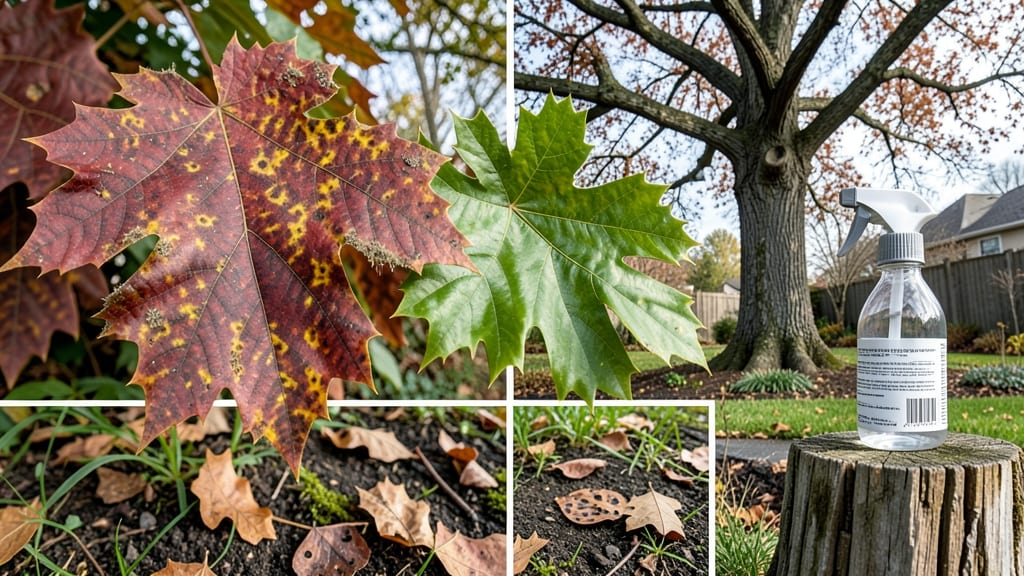
Those purple-brown red oak leaf spots aren’t just unsightly—they’re a fungal warning sign. 🌿 I've battled this exact issue with my mature oak, and these three natural steps restored its vibrant green canopy within a single growing season.
The problem starts with wet spring weather creating perfect conditions for Anthracnose or Guignardia spores. What looks like cosmetic damage actually weakens the tree over time, leading to premature leaf drop and reduced energy storage for next year's growth. The good news?
You can stop the cycle with simple cultural changes that work better than fungicides for most homeowners. By combining early-season sanitation, targeted pruning, and smart watering habits, you'll see fewer spots year after year.
The key is acting before the spores spread—typically between late winter and early spring when buds begin swelling. This isn't about quick fixes; it's about building long-term tree health that shows in every leaf.
Start by removing and destroying infected leaves from last season (they're full of spores waiting to reinfect). Then focus on improving airflow around the canopy—thinning out dense branches lets sunlight dry foliage faster, making it harder for fungus to take hold.
I've seen dramatic improvements just by adjusting my watering schedule to early morning only, keeping leaves dry throughout the day. The real payoff comes in late summer when your oak maintains its full foliage while neighboring trees struggle.
You'll notice fewer brown spots on new growth, stronger branch development, and a tree that looks healthier from a block away. These steps work for red oaks of any size, from young saplings to century-old giants in your landscape.
The Hidden Triggers Behind Spotted Leaves
If your red oak’s leaves are developing unsightly brown or reddish spots, the culprits are often lurking in plain sight—or even hidden within the tree’s own biology. Understanding these triggers is the first step toward restoring your tree’s vibrant, healthy foliage.
Below, we break down the most common causes of leaf spots in red oaks, backed by science and actionable insights.
Fungi are the primary cause of leaf spots in red oaks, thriving in warm, moist conditions. The most notorious offenders include:
- Cercospora and Anthracnose fungi: These pathogens produce small, circular spots with reddish-brown or purplish centers, often surrounded by yellow halos. They spread via windblown spores, especially during prolonged leaf wetness (think frequent rain or overhead irrigation). Hot, humid summers create the perfect breeding ground, allowing spores to germinate within 24–48 hours of landing on leaves.
- Guignardia (bitter rot): This fungus causes larger, irregular spots with dark margins, often leading to premature leaf drop. It overwinters in infected twigs and fallen leaves, then releases spores in spring when conditions are damp.
- Marssonina (leaf blight): Common in young red oaks, this fungus creates tiny, reddish-brown spots that enlarge and merge, causing extensive defoliation. It thrives in shaded, poorly ventilated canopies, where humidity lingers.
💡 Pro Tip: Fungal spores can survive on fallen leaves for years. Raking and removing infected leaves in late fall or early spring disrupts their life cycle.
Leaf spots aren’t always caused by pathogens—they can also stem from environmental factors that weaken the tree’s defenses. Here’s how:
- Prolonged Leaf Wetness: Red oaks are particularly susceptible when leaves stay wet for more than 6–12 hours. Overhead watering (especially in the evening) or dense canopies that trap moisture create ideal conditions for fungal growth. Even dew can contribute if it persists overnight.
- Poor Air Circulation: Trees planted too closely together or those with dense, unpruned canopies suffer from reduced airflow. Stagnant air increases humidity around leaves, giving fungi a competitive edge. Prune selectively to improve sunlight penetration and airflow.
- Extreme Temperature Fluctuations: Rapid shifts between hot days and cold nights (especially in spring/fall) stress red oaks, making them more vulnerable to infections. Cold damage weakens cell walls, while heat stress reduces the tree’s ability to produce protective compounds like phenolics.
- Nutrient Deficiencies: A lack of magnesium, nitrogen, or potassium can manifest as interveinal chlorosis (yellowing between leaf veins) or necrotic spots. Red oaks often show symptoms when soil pH is below 5.0 (too acidic) or above 7.5 (too alkaline), locking out essential nutrients.
🌡️ Pro Tip: Monitor your tree’s microclimate. Install a hygrometer near the canopy to track humidity levels—aim for below 70% during the day to deter fungal growth.
While fungi are the main actors, insects and mites often play supporting roles by creating entry points for infections or weakening the tree’s health:
- Oak Leaf Gall Wasps: These insects induce abnormal growths (galls) on leaves, which provide moist, protected environments for fungi to colonize. Infested leaves may develop dark, tar-like spots as secondary infections take hold.
- Spider Mites: Under drought stress, spider mites puncture leaf cells to feed, leaving stippled, silver-gray patterns that later turn brown. Their saliva disrupts the leaf’s ability to photosynthesize, making it more susceptible to fungal invasion.
- Scale Insects: These sap-sucking pests excrete honeydew, a sticky residue that fosters sooty mold—a black fungal growth that blocks sunlight and further stresses the tree.
🔥 Pro Tip: Apply a horticultural oil in early spring (before buds swell) to smother overwintering pests like scale. Follow up with neem oil for mites if needed.
Sometimes, well-intentioned gardening practices accelerate leaf spot development. Here’s how:
| Practice | How It Contributes to Spots |
|---|---|
| Overhead Irrigation | Wets foliage for extended periods, promoting fungal spore germination. Use drip irrigation or soaker hoses instead. |
| Compacted or Waterlogged Soil | Restricts root growth, reducing the tree’s ability to uptake water and nutrients. Aerate soil with organic matter (compost, pine bark). |
| Late-Season Fertilization | Encourages new, tender growth that’s more vulnerable to infections. Fertilize in early spring only. |
| Ignoring Pruning | Dense canopies trap moisture and limit airflow. Prune in late winter to remove dead, crossing, or crowded branches. |
✨ Pro Tip: If your red oak is in a shady, humid area, consider selective thinning of nearby trees to improve sunlight exposure—this boosts natural antifungal compounds in the leaves.
Quick Fixes for Fungal Foliage
Fungal leaf spots on red oaks can be frustrating, but the good news is that most cases are treatable—especially when you act early. Below, we’ve mapped common causes to practical solutions, so you can restore your oak’s vibrant green canopy without harsh chemicals.
Prevention tips are included to keep future outbreaks at bay!
If leaf spots are caused by anthracnose, leaf blight, or powdery mildew, follow these steps to stop the spread:
🔥 Step 1: Prune Infected Branches
- How: Use sterilized pruners (wipe with rubbing alcohol between cuts) to remove any leaves with dark spots, yellowing, or premature browning.
- Why? Fungi spread via spores—eliminating infected foliage reduces contamination.
- Pro Tip: 💡 Bag and dispose of pruned leaves in the trash (not compost), as spores can survive in yard waste.
🍳 Step 2: Apply a Natural Fungicide
Skip the chemicals! These DIY sprays work just as well:
| Solution | How to Use | Best For |
|---|---|---|
| Neem Oil Spray | Mix 1 tbsp neem oil + 1 tsp mild soap + 1 quart water. Spray both sides of leaves every 7–10 days until new growth appears. | Anthracnose, powdery mildew |
| Baking Soda Solution | Combine 1 tbsp baking soda + 1 quart water + a few drops of soap. Spray early morning (avoid direct sunlight). | General fungal spots |
| Copper Fungicide | Use organic copper-based sprays (like Copper Soap) as a last resort—follow label instructions. | Severe infections |
👨🍳 Step 3: Boost Tree Health
Fungi thrive on stressed trees. Strengthen your oak’s defenses with:
- 🌱 Proper Watering: Water deeply at the base (1–2 inches per week) but avoid overhead sprinkling (keeps leaves dry).
- 🍄 Mulch Like a Pro: Apply 2–3 inches of organic mulch (wood chips, pine straw) to retain moisture and regulate soil temp.
- 💪 Fertilize Smartly: Use a slow-release, balanced fertilizer (10-10-10) in early spring—avoid over-fertilizing, which weakens roots.
If leaf spots stem from heat, drought, or poor soil, tweak your maintenance:
🌞 Fix Drought or Heat Stress
- ⏰ Water Deeply & Infrequently: Early morning is best—1–2 inches per week (check soil moisture with your finger).
- 🌿 Shade Cloth (Temporary): If your oak is in a hot, sunny spot, drape light shade cloth over it for 2–3 weeks to reduce stress.
- 🌱 Aerate Compacted Soil: Use a garden fork to loosen soil around the drip line (where branches extend) to improve root breathing.
🌧️ Prevent Overwatering
- 🚫 Drainage Check: If your oak sits in a low spot, create a slight slope away from the trunk to prevent waterlogging.
- 💧 Soil Test: If soil stays soggy, mix in compost or perlite to improve drainage.
If insects (like mites or scale) are weakening leaves, interrupt their lifecycle:
🔪 Step 1: Blast Off Pests
- 💦 Strong Water Spray: Use a hose nozzle to blast pests off leaves (do this early morning).
- 🕷️ Insecticidal Soap: Mix 2.5 tbsp castile soap + 1 quart water—spray directly on pests (reapply every 5–7 days).
🎯 Step 2: Attract Beneficial Predators
- 🐞 Ladybugs & Lacewings: Plant dill, fennel, or marigolds near your oak to draw pest-eating insects.
- 🌿 Nematode Treatment: Apply beneficial nematodes (like Steinernema feltiae) to the soil to kill hidden grubs.
Once your oak is healthy, keep it that way with these long-term strategies:
- 🌿 Prune in Late Winter: Remove dead/diseased branches before spring spores take hold.
- 🍄 Clean Up Fallen Leaves: Rake and remove leaf litter from under the tree to starve fungi of food.
- 🌱 Test Soil Annually: Check pH and nutrients—red oaks prefer slightly acidic soil (pH 5.0–6.5).
- 🚫 Avoid Over-Fertilizing: Too much nitrogen = soft, weak leaves = fungus magnet.
Final Note: Most red oak leaf spots clear up within 4–6 weeks with consistent care. If spots worsen or spread rapidly, consult a local arborist—some cases may need professional fungicide treatment.
Now, grab your pruners and get that oak glowing green again! 🌿✨
Frequently asked questions
Why do red oak leaves develop those purple-brown spots?
These spots are typically caused by fungal infections like Anthracnose or Guignardia, which thrive in warm, humid conditions. The fungi overwinter in fallen leaves and infected twigs, then spread via spores when spring rains arrive. Poor air circulation and dense canopies make red oaks especially vulnerable to these pathogens.
Can I still use my oak's acorns if the leaves have spots?
Yes, the leaf spots themselves don't affect acorn production or quality. The fungi primarily target foliage, not the tree's reproductive structures. However, severely infected trees may show reduced vigor, which could indirectly impact next year's crop. Focus on treating the leaves to maintain overall tree health.
How often should I spray my oak with fungicide?
For natural solutions like neem oil or baking soda spray, apply every 7-10 days during active growing season (spring to early summer). If using copper fungicides, follow label instructions carefully—typically 2-3 applications per season are sufficient. Always spray in the early morning to allow leaves to dry quickly.
Will pruning help if my oak already has leaf spots?
Pruning removes infected foliage that's spreading spores, while also improving air circulation. Focus on thinning out dense branches and removing any leaves with 50% or more spot coverage. Always use sterilized tools and dispose of pruned material in the trash—not compost—to prevent reinfection.
Are there any red oak varieties more resistant to leaf spots?
While no red oak is completely immune, certain cultivars like 'Schilling' oak or 'Burgundy Spire' show better resistance to fungal diseases. These varieties maintain better vigor and often exhibit fewer symptoms. When selecting new trees, look for disease-resistant labels or ask your local nursery about proven performers in your climate zone.