
Vegetables
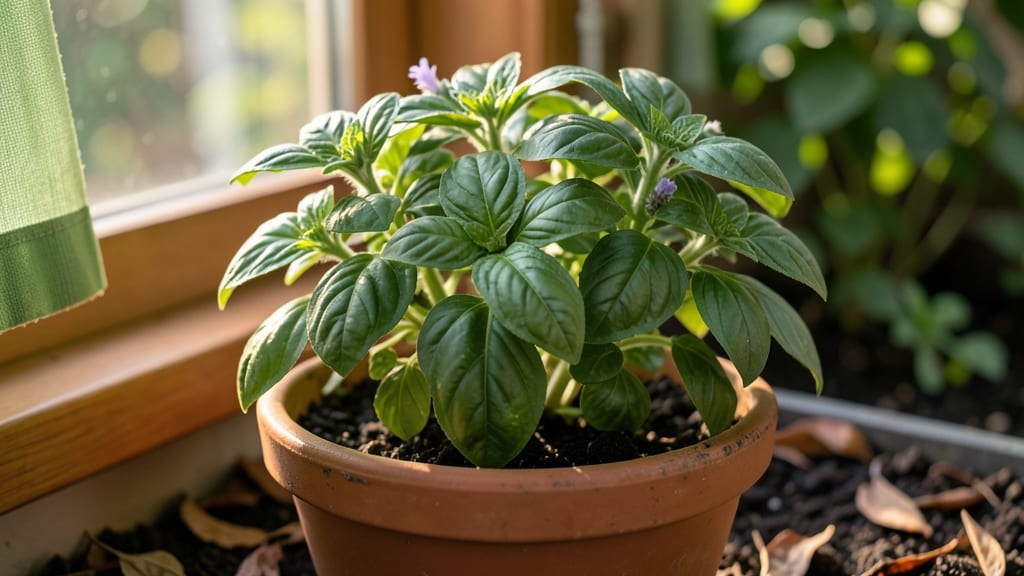
Growing salad leaf basil fast in containers lets you enjoy fresh, tender leaves in just 3-4 weeks—no waiting for full-size plants. 🌱 I’ve grown this variety for years, and the secret isn’t fancy setups but matching its needs: bright light, rich soil, and consistent moisture.
The difference between wimpy, bitter leaves and lush, sweet harvests often comes down to these simple adjustments.
Start with seeds or seedlings in 5-7 inch pots filled with well-draining potting mix, and place them where they’ll get 6+ hours of sunlight daily. Water when the top inch of soil feels dry, and feed lightly with diluted liquid fertilizer every 2-3 weeks.
The payoff? You’ll harvest your first tender leaves in weeks, not months, and keep the plant producing for 6-8 weeks with proper care.
📚 In This Guide
- What you need
- Instructions
- Tips and common mistakes
- Wrapping up and next steps
What you need
- ● Salad leaf basil seeds: Choose fast-growing varieties like Genovese, Sweet Basil, or Thai Basil (1–2 packets, ~100–200 seeds).
- ● Containers: 6–8" pots with drainage holes (2–4 pots per batch) or a shallow raised bed (12" deep).
- ● High-quality potting mix: Lightweight, well-draining soil (1–2 bags, ~2–4 cubic feet).
- ● Watering can or spray bottle: For gentle, even moisture (avoid soggy soil!).
- ○ Organic fertilizer (optional but helpful): Balanced 10-10-10 or compost tea (1 tbsp per plant).
- ○ Gloves (optional): To keep hands clean while handling soil.
- ● Trowel or small shovel: For planting seeds (1–2 inches deep).
- ● Sunlight access: 6–8 hours of direct sun daily (or a grow light for indoor setups).
- ○ Mulch (optional): Straw or shredded leaves to retain moisture.
- ○ Pruning shears (optional): For harvesting leaves without damaging the plant.
How to grow fast-growing salad leaf basil in containers
Here's the method I swear by for lush, fast salad basil—ready in weeks, not months.
🌱 Step 1: Select the Right Variety and Start Seeds Indoors
For salad leaf basil, choose fast-maturing varieties like 'Genovese' or 'Sweet Basil'—these bolt less quickly than others. I start seeds indoors 6-8 weeks before last frost to ensure a head start. Fill 2-inch deep seed-starting trays with moistened seed-starting mix (never garden soil—it's too dense).
Press the mix down lightly so it's firm but not compacted. Plant 2 seeds per cell, just ¼ inch deep—any deeper delays germination. Cover with a fine layer of mix and mist gently until the surface is evenly damp. Place trays under a grow light or in a warm spot (70-75°F) for consistent germination.
💧 Step 2: Germinate and Provide Optimal Light
Keep the soil consistently moist but not soggy—you'll know it's right when the surface feels damp but not glistening. Germination takes 7-14 days, depending on temperature. Once sprouts appear, remove the humidity dome immediately to prevent damping-off (a fungal disease that collapses seedlings overnight).
Move seedlings under 14-16 hours of grow light daily within 4 inches of the plants. Without enough light, basil grows leggy and weak. You'll see strong seedlings with deep green leaves and compact stems—if they stretch toward the light, raise the fixture or add a second light.
🪴 Step 3: Transplant to Containers and Harden Off
When seedlings have 3-4 true leaves (about 4-6 weeks after sowing), transplant them into 6-inch containers with fresh potting mix. Choose containers with drainage holes—basil roots need oxygen, and soggy soil invites rot. Fill pots to 1 inch below the rim and press gently to settle the soil.
Hardening off is critical: place seedlings outside in a sheltered spot for 1-2 hours the first day, gradually increasing time over 7-10 days. Watch for wilting or leaf scorch—if you see it, move them back inside for another day. Once they tolerate full sun without stress, they're ready for their permanent container.
☀️ Step 4: Maintain for Fast, Continuous Harvests
Basil thrives in full sun (6+ hours daily) and well-draining soil. Water at the base when the top inch of soil feels dry—never let the soil dry out completely, but avoid soggy conditions. I fertilize lightly every 2-3 weeks with a balanced liquid fertilizer (half-strength) to encourage fast growth without burning tender leaves.
Pinch off the top set of leaves when the plant reaches 6 inches tall—this encourages bushier growth and more harvests. You'll see new side shoots emerge within 5-7 days, signaling the plant is thriving. Harvest outer leaves first to keep the center growing, and always use clean scissors to avoid damaging stems.
✂️ Step 5: Harvest and Prune for Longevity
Harvest leaves in the morning when oils are at their peak. Cut just above a leaf node (where leaves meet the stem) to encourage branching. For salad leaf basil, I harvest every 2-3 weeks—this keeps plants compact and productive. If flowers form, snip them immediately; flowering signals the plant is maturing and flavor declines.
With proper care, your container basil will produce 4-6 harvests per season. In cooler climates, bring pots indoors before frost and place them in a sunny window. You'll know it's time to replace the plant when leaves yellow or growth slows—signs it's exhausted its cycle.
Tips & tricks for perfect container-grown salad leaf basil
Took me a while to figure these out, so here goes—these are the game-changers for fast, lush basil that keeps producing all season.
Seed Starting Secret: The 6-8 weeks before last frost timeline is critical, but don't rush it. If you're in doubt, err on the side of starting earlier—basil grows surprisingly fast with the right conditions. I've found that using a heating mat under seed trays speeds germination from 7-14 days to just 5-7 days by maintaining that 70-75°F warmth consistently. The key is keeping the soil consistently moist but never soggy during this phase—think of it like a damp sponge rather than a wet rag.
Lighting Strategy: Those 14-16 hours of grow light daily make all the difference between leggy seedlings and strong plants. I use a combination of LED grow lights and natural sunlight for my seedlings. Position the lights just 4 inches above the seedlings—they should be close enough to feel the warmth but not so close they burn. Watch for those telltale signs of stretching: if your seedlings look like they're reaching for the sky, it's time to raise the lights or add another fixture. This prevents the "light deprivation syndrome" that turns basil into weak, spindly stems.
Transplanting Technique: When moving your 3-4 true leaf seedlings to 6-inch containers, I've learned to water them thoroughly the day before transplanting. This helps reduce transplant shock by keeping roots hydrated during the transition. After planting, press the soil gently around the stems to eliminate air pockets—this ensures good root-to-soil contact. For the 7-10 day hardening off process, I start with just 1-2 hours in morning sun when temperatures are cooler, gradually increasing exposure. This gradual approach prevents the shock that causes wilting or leaf scorch.
Harvesting Hack: The every 2-3 weeks harvest schedule works wonders, but here's what nobody tells you—always harvest in the morning when the essential oils are at their peak. Use clean, sharp scissors and cut just above a leaf node (that's where leaves meet the stem) at a 45-degree angle. This technique encourages branching and keeps your plant bushy. I've found that harvesting outer leaves first preserves the plant's center growth while still giving you plenty of leaves for salads. And if you see those little flower buds forming, snip them immediately—they'll steal energy from your leaves and make the basil taste bitter.
Pro Tips for Salad Leaf Basil
- Took me a while to figure these out, so here goes—these are the game-changers for fast, lush basil that keeps produci...
- Seed Starting Secret: The 6-8 weeks before last frost timeline is critical, but don't rush it. If you're in doubt, er...
- Lighting Strategy: Those 14-16 hours of grow light daily make all the difference between leggy seedlings and strong p...
Frequently asked questions
Got questions about growing and using salad leaf basil?
Here are answers to the most common ones to help you grow lush, flavorful leaves with ease!
How long does it take for salad leaf basil to grow from seed?
Salad leaf basil typically sprouts within 5–10 days after planting seeds. Once germinated, expect 4–6 weeks to harvest young leaves, though you can pinch leaves as early as 3–4 weeks for a gentler harvest. For faster results, opt for transplants—they mature in just 2–3 weeks!
Can I grow salad leaf basil indoors year-round?
Basil thrives indoors with 6+ hours of sunlight daily (a south-facing window or grow lights work). Keep soil moist but well-draining, and maintain temperatures between 60–75°F. Just watch for leggy growth—if stems stretch too tall, supplement with artificial light or rotate the pot for even exposure.
What’s the best way to harvest salad leaf basil without killing the plant?
Use the “cut-and-come-again” method: Snip 1/3 of the plant (just above a leaf node) with clean scissors. Avoid tearing leaves—this encourages bushier growth. For continuous harvests, pick younger leaves first, leaving mature ones to keep photosynthesizing. Pro tip: Harvest in the morning for peak flavor!
What can I do if my salad leaf basil turns yellow or wilted?
Yellow leaves often signal overwatering or poor drainage. Let soil dry slightly between waterings, and ensure pots have drainage holes. Wilting can also mean underwatering or heat stress—move plants to partial shade if temps exceed 85°F. Yellowing lower leaves? It’s likely natural aging—trim them off to redirect energy to new growth.
Are there good alternatives if salad leaf basil doesn’t grow well in my climate?
If your zone is too hot or cold, try these basil-friendly swaps:
- Thai basil: Spicier, heat-tolerant, and great for Asian dishes.
- Genovese basil: Classic for pesto, thrives in cooler temps.
- Sweet basil: A versatile hybrid with milder flavor.
- Lemon basil: Citrusy twist, perfect for summer salads.
Wrapping up and next steps
Growing salad leaf basil in containers is a rewarding way to enjoy fresh, flavorful herbs year-round—even in small spaces! 🌱 Whether you’re a beginner or a seasoned gardener, these fast-growing varieties make it easy to harvest vibrant leaves for salads, pesto, or garnishes.
With the right care, you’ll be savoring homegrown basil in no time.
Ready to dive in? Start by picking your favorite variety, gathering your supplies, and following the simple steps above. Your kitchen (and taste buds) will thank you! Happy growing! 🌿