
Plants
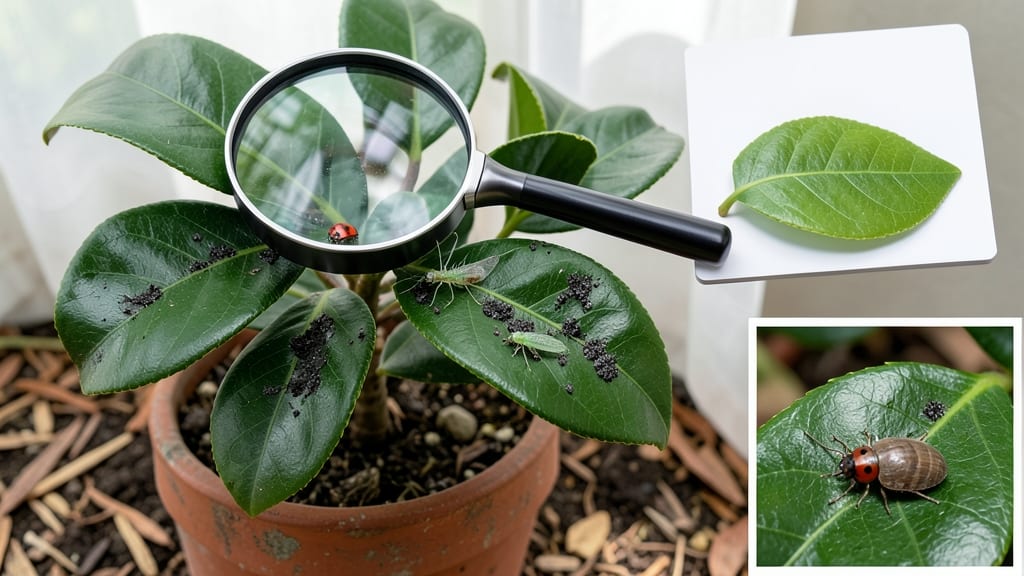
Those tiny white leaf-like pests on your plants aren’t leaves—they’re scale insects, and they’re sucking the life out of your citrus, roses, and succulents. 🌿 I’ve battled these stubborn critters for years, and I’ve learned the pruning tricks that keep plants bushier while starving out scale before they take over.
The secret isn’t just cutting—it’s strategic pruning. Remove heavily infested branches first, then thin out crowded growth to improve airflow (scale thrives in tight, damp spots). After pruning, blast the cuts with neem oil or soapy water to smother any hidden eggs.
I’ve seen plants bounce back in just 4-6 weeks with this approach. You’ll notice new growth filling in within 2 weeks, and the plant’s natural defenses kick in stronger. The key is consistency—check undersides of leaves weekly, especially after rain.
Scale spreads fast, but so does recovery when you catch it early. Works for indoor plants, container gardens, and landscape shrubs. The same pruning method keeps your plants lush and scale-free—no harsh chemicals needed.
📚 In This Guide
- What you need
- Instructions
- Tips and common mistakes
- Wrapping up and next steps
What you need
- ● Pruning shears: Sharp, clean bypass pruners (avoid anvil-style to prevent crushing leaves). Size: 4-6 inches (small enough for precision).
- ● Rubbing alcohol (70% isopropyl) or hydrogen peroxide (3%): 1 small bottle (for sterilizing tools).
- ○ Gloves (optional but recommended): Nitrile or latex-free gloves (to protect hands from sap/resin).
- ● Small container or tray: For collecting cuttings (e.g., a shallow plastic or ceramic dish).
- ● Well-draining potting mix: 1-2 bags (cactus/succulent blend or a mix of potting soil + perlite/pumice).
- ○ Rooting hormone (optional): Powder or gel (speeds up rooting for cuttings).
- ● Spray bottle: Small (for misting cuttings if humidity is low).
- ● Healthy plant: Choose a scale-like leaf plant that’s at least 3-6 months old and free of pests/disease.
- ● Bright, indirect light: Ensure your workspace has access to natural light (or a grow light for indoor setups).
- ● Patience: Pruning and propagation take time—expect new growth in 4-8 weeks.
Step-by-step pruning for bushier scale-like leaf plants
Here's the method I swear by to transform leggy, sparse foliage into lush, dense growth.
✂️ Step 1: Identify the Right Time to Prune
Prune scale-like leaf plants during their active growing season—typically spring or early summer when new growth is just beginning. You'll know it's the right time when you see new shoots emerging from leaf nodes and the plant feels firm to the touch. Avoid pruning in winter or late fall, as the plant needs all its energy to survive dormancy.
Morning is ideal because the plant has had time to hydrate overnight, making it less stressed. If you must prune later in the day, do it at least 4 hours before sunset to allow wounds to callus slightly before nightfall. I always check for pests or disease before cutting—if you spot anything, treat first or wait until the plant is healthy.
✂️ Step 2: Select the Right Tools and Technique
Use clean, sharp pruning shears—dull blades crush stems and invite infection. I disinfect my tools with 70% rubbing alcohol between cuts to prevent spreading disease. For scale-like plants, focus on cutting just above a leaf node where new growth emerges. This encourages branching rather than leaving stubs that rot.
Make cuts at a 45-degree angle to increase surface area for faster healing. Avoid tearing the stem—this creates larger wounds that take longer to recover. If you're pruning thick stems, use bypass pruners instead of anvil pruners, which can crush the plant tissue. For delicate varieties, hand-pruning with sharp scissors works best.
🌿 Step 3: Prune for Shape and Density
Start by removing dead, damaged, or crossing branches—these compete for nutrients and disrupt airflow. Look for overcrowded areas where leaves rub together; these spots often develop mildew. Cut back one-third of the longest stems first to encourage bushier growth from lower nodes. You'll see new shoots emerge within 2-3 weeks if conditions are right.
For scale-like plants, focus on pinching back the tips of new growth to force lateral branching. Use your fingers to gently pinch off the top ½ inch of soft new growth—this triggers the plant to produce side shoots. Avoid heavy pruning all at once; instead, do light maintenance every 4-6 weeks during the growing season. This keeps the plant compact and prevents shock.
💧 Step 4: Post-Pruning Care for Recovery
Water the plant deeply after pruning to help it recover, but avoid soaking the foliage, which can lead to fungal issues. I use a watering wand to direct moisture to the roots while keeping leaves dry. Fertilize with a balanced liquid fertilizer (10-10-10) 7-10 days after pruning to support new growth. Avoid high-nitrogen fertilizers immediately after pruning—they can burn tender new shoots.
Move the plant to a bright, indirect light spot for 3-5 days to reduce stress. If you're growing outdoors, provide light shade during the recovery period. Watch for new growth within 2-3 weeks—this is your signal that the pruning worked. If the plant looks wilted or yellows, it may need more time to recover or a slight adjustment in care.
⏰ Step 5: Monitor and Maintain Growth
Check the plant weekly for new shoots emerging from leaf nodes. These are your future branches, so protect them from pests and harsh conditions. If you notice leggy growth developing again, it's a sign the plant needs more light or a second round of pruning. I often do a light trim in mid-summer to keep the shape tight and encourage another flush of growth before fall.
By late summer, reduce watering slightly to harden off the new growth before dormancy. This prepares the plant for winter and ensures it stores enough energy to rebound strongly in spring. Keep an eye out for overgrowth—if branches start to crowd again, do a light pruning in early spring before the growing season kicks in. Consistency is key; a little attention now means a bushier, healthier plant all season long.
Tips & tricks for perfect scale-like leaf plant pruning
Transforming leggy plants into lush, dense bushes takes more than just cutting—it's about timing, technique, and recovery. Here's what I've learned after years of trial and error.
Timing is Everything: The spring-to-early-summer window is non-negotiable for scale-like plants. I've seen beginners prune in late fall and wonder why their plants struggled to recover—it's like cutting back a tree in winter and expecting it to bloom overnight. The 4-hour-before-sunset rule is especially important for outdoor plants; evening pruning can leave wounds vulnerable to nighttime temperatures. I always check for new shoot emergence as my go-to signal that it's time to prune.
Tool Selection Makes All the Difference: Your pruning shears aren't just tools—they're your plant's first line of defense against disease. I keep a small bottle of 70% rubbing alcohol in my gardening caddy and disinfect between every cut, especially when working with multiple plants. For scale-like varieties, bypass pruners are my secret weapon—they make clean cuts at that crucial 45-degree angle without crushing the delicate stem tissue. That little detail about cutting just above leaf nodes? It's what separates a bushy plant from one that just looks hacked.
Recovery Care is Where Magic Happens: The 3-5 days of bright, indirect light after pruning might seem like overkill, but it's this recovery period that determines whether your plant will rebound or decline. I've had plants that looked perfect after pruning but wilted because they went straight back into harsh sunlight. That balanced 10-10-10 fertilizer application at 7-10 days post-prune is also critical—it gives new growth just enough nutrients without overwhelming the plant's recovery system. Watching for those first new shoots at 2-3 weeks is my favorite part of the process.
Pro Tips for Scale Like Leaf
- Transforming leggy plants into lush, dense bushes takes more than just cutting—it's about timing, technique, and recovery.
- Timing is Everything: The spring-to-early-summer window is non-negotiable for scale-like plants.
- Tool Selection Makes All the Difference: Your pruning shears aren't just tools—they're your plant's first line of defense against disease.
Frequently asked questions
Got questions about scaling like a leaf plant? You’re not alone!
Here are some of the most common queries—plus quick, actionable answers to keep your plant thriving.
How often should I prune my scale-like leaf plant for bushier growth?
Prune your plant every 4–6 weeks during its active growing season (spring/summer). Focus on removing overly long stems or leggy growth to encourage branching. Avoid heavy pruning in winter—let it rest!
Can I propagate scale-like leaves from cuttings?
Snip healthy stems with 3–5 leaves and place them in water or moist soil. Roots typically form in 2–4 weeks. Use a rooting hormone for faster results. Pro tip: Keep humidity high (like a plastic bag over the cutting) to speed up growth!
What if my plant’s leaves turn yellow after pruning?
Yellowing leaves are normal if it’s just old growth, but if it’s widespread, check for overwatering or pests. Adjust care: let soil dry slightly between waterings and inspect leaves for mites. Trim affected areas immediately to prevent spread.
Are there alternatives to pruning for bushier growth?
Yes! Try pinching (removing the top set of leaves) or topping (cutting the main stem above a leaf node). Rotate the plant weekly to ensure even sunlight exposure—this also encourages denser foliage. Think of it as a gentle nudge for your plant to fill out!
How long until I see noticeable bushier growth after pruning?
With consistent care, you’ll see new shoots in 2–3 weeks, and fuller growth in 6–8 weeks. Patience is key! Monitor your plant’s response—if growth stalls, adjust light or nutrients. A little TLC goes a long way!
Wrapping up and next steps
Mastering the art of pruning scale-like leaf plants unlocks their full potential—think lush, bushier growth and vibrant foliage! 🌿 By following the right techniques, you’ll not only keep your plants healthy but also encourage that stunning, dense look you love. Now’s your chance to put those pruning skills to work!
🌱 Your Next Step: Try It Out!
Pick a sunny day, gather your tools, and give your scale-like leaf plants the TLC they deserve. Start small, observe the results, and refine your approach. Happy pruning—your green thumbs will thank you!