
Trees
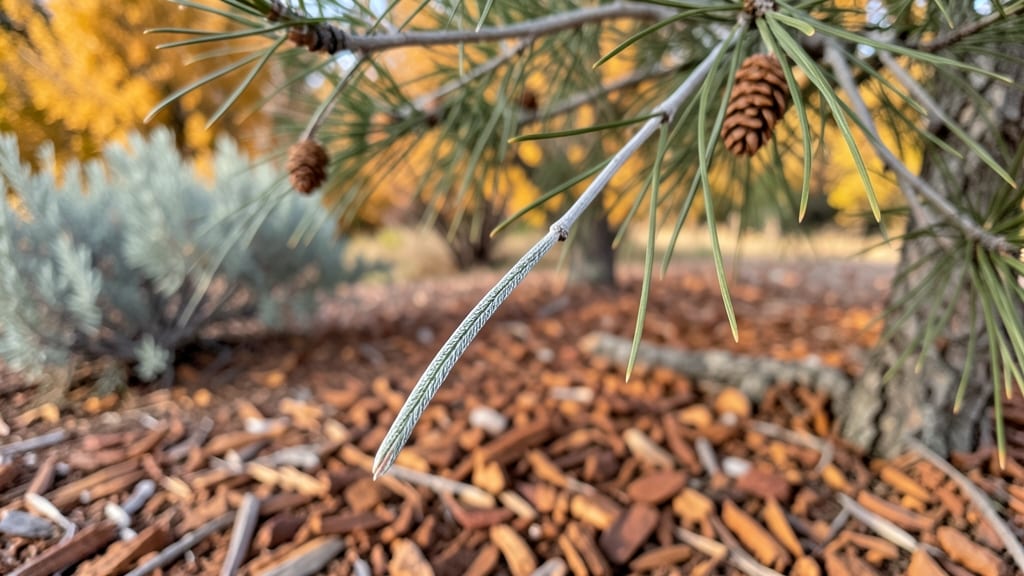
That single-needle wonder 🌲—the single leaf pinyon pine—is the kind of tree that makes desert landscapes feel alive. Unlike its multi-needled cousins, this drought warrior thrives where others fail, turning sunbaked yards into shady, textured retreats with almost no effort.
The secret to its success? Native to the Southwest, it craves well-draining soil and full sun but handles heat like a champ. Plant it in well-drained soil—sandy or rocky—where other trees would wilt, and watch it establish roots that stretch deep for moisture.
Young trees need occasional watering for the first year, but once mature, it’s nearly self-sufficient. You’ll end up with a tree that grows 10-20 feet tall, its branches heavy with edible pine nuts and that signature single-needle foliage.
The bark develops a rugged, textured beauty over time, making it a standout in any arid or Mediterranean landscape. Perfect for large gardens, slopes, or even large containers—just ensure the pot has drainage.
Whether you’re restoring native habitat or adding a low-maintenance focal point, this tree delivers year-round interest with minimal fuss.
📚 In This Guide
- What you need
- Instructions
- Tips and common mistakes
- Wrapping up and next steps
What you need
- ● Single leaf pinyon pine seeds or saplings: 1–3 (for optimal growth, start with at least one healthy specimen).
- ○ Well-draining soil mix: 50% native Southwest soil + 50% coarse sand or perlite (for aeration). Optional: Add 10% compost for nutrient boost.
- ● Pot or planting site: Container option: 5–7 gallon pot with drainage holes (for young saplings).
- ● Outdoor site: Full sun location (6+ hours daily) with rocky or sandy soil (mimics native habitat).
- ● Mulch: 2–3 inches of gravel or pine bark chips (to retain moisture and deter weeds).
- ● Hand trowel or shovel (for planting/seeding).
- ● Watering can or hose with gentle nozzle (avoid overwatering!).
- ● Pruning shears (for shaping or removing dead branches).
- ● pH test kit (ideal soil pH: 6.0–7.5; amend if needed with lime or sulfur).
- ○ Optional but helpful: Slow-release fertilizer (balanced 10-10-10, lightly applied in spring).
- ● Erosion control fabric (for sloped or windy sites).
- ● Bird netting (to protect young seedlings from squirrels or birds).
Step-by-Step instructions for cultivating single leaf pinyon pine saplings
Here's how to establish these iconic desert trees with minimal fuss—perfect for arid climates.
🌱 Step 1: Select and Prepare the Right Location
Pinyon pines thrive in full sun with 6+ hours of direct exposure daily, but they tolerate partial shade in extreme heat. Choose a spot with well-draining soil—these trees despise soggy roots. I always test drainage by digging a 12-inch hole and filling it with water; if it doesn’t drain within 2 hours, amend with 3-4 inches of coarse sand or gravel.
Native to elevations of 4,500–7,500 feet, they handle USDA zones 5-8 but prefer 60-80°F average temperatures. If planting in containers, use a 5-gallon pot with drainage holes and a cactus/succulent mix for the first year. Real talk: Pinyons grow slowly, so pick a permanent home—they resent transplanting later.
☀️ Step 2: Plant at the Correct Depth and Stake for Stability
Dig a hole twice as wide as the root ball but no deeper—burying too deep suffocates roots. Gently loosen the root ball if pot-bound, then place the sapling so the top of the root ball sits level with the surrounding soil. Pinyons have a taproot, so avoid disturbing it more than necessary.
Backfill with native soil mixed with 20% compost (never fresh manure—it burns roots). Tamp lightly around the edges to eliminate air pockets. Install a 4-foot wooden stake at a 45-degree angle, tying the trunk loosely with soft cloth strips to prevent girdling. Water deeply immediately after planting to settle the soil.
💧 Step 3: Water Deeply but Infrequently to Encourage Drought Tolerance
For the first 3 months, water once every 2 weeks with 5 gallons per plant—enough to moisten 12 inches deep. After that, reduce to once a month unless temperatures exceed 95°F, then return to biweekly. Overwatering is the #1 killer; you’ll know you’re doing it right when the soil 1 inch below the surface feels dry to the touch between waterings.
Mulch with 2 inches of gravel or crushed rock (organic mulch retains too much moisture). Keep mulch 6 inches away from the trunk to prevent rot. Here’s the thing—pinyons develop deep roots over time, so deep, infrequent watering trains them to seek moisture naturally. Shallow watering leads to weak, surface roots that dry out fast.
✂️ Step 4: Prune Strategically to Maintain Shape and Health
Prune only to remove dead, diseased, or crossing branches—pinyons handle minimal trimming. Use sterilized pruning shears to make clean cuts just above a bud or lateral branch. Avoid heavy pruning; these trees grow less than 1 foot per year and take decades to mature. I prune in late winter (February) when the tree is dormant but before new growth starts.
Watch for pine beetle infestations—look for sawdust-like frass at the base of the tree or reddish-brown boring dust. If you spot them, treat with neem oil applied in early spring. Real talk: Pinyons are tough but not invincible. A stressed tree (from overwatering or poor drainage) is an open invitation to pests.
⏰ Step 5: Monitor and Adjust for Long-Term Success
After the first year, your pinyon should show new growth at the tips—this means it’s established. Fertilize once a year in early spring with a balanced 10-10-10 fertilizer at half strength. Too much nitrogen encourages weak growth; these trees prefer lean conditions. Spread 1 cup of fertilizer around the drip line and water deeply to activate it.
Check the soil annually—if it compacts or becomes waterlogged, amend with sand or perlite. Pinyons are slow but steady; a 10-year-old sapling might only reach 6 feet tall, but it’ll live for centuries if given proper care. Here’s the moment that matters: When the first pine cones appear (usually after 15-20 years), you’ll know your tree is thriving in its desert home.
Tips & tricks for cultivating thriving single leaf pinyon pines
These insights will help you avoid common pitfalls and maximize your pinyon pine's desert resilience.
Location Intelligence: When testing drainage in Step 1, don't just check the hole you dug—observe the surrounding area during rain. Pinyons hate soggy roots, so if water pools anywhere within 3 feet of your planting site, you'll need to amend that entire area with 3-4 inches of coarse sand. I've seen otherwise perfect sites fail because of hidden clay layers just below the surface. The 2-hour drainage test is your best early warning system.
Root Ball Handling: In Step 2, if you're planting a container-grown sapling, gently squeeze the root ball to check for pot-bound roots. If roots are circling tightly or growing through drainage holes, spend the extra 10 minutes to tease them outward before planting. This prevents girdling—a common issue where roots strangle the trunk as the tree matures. Remember, pinyons have delicate taproots that can't recover from rough handling.
Watering Wisdom: The 5-gallon, 2-week watering schedule in Step 3 might seem excessive, but it's crucial for the first 3 months. Use a moisture meter to verify you're reaching 12 inches deep—surface watering creates shallow roots that dry out fast. During extreme heat (95°F+), I water at dusk rather than dawn to reduce evaporation. A simple trick: Place a 1-gallon watering can near the tree as a visual reminder for your monthly watering schedule after the initial phase.
Pest Prevention: While monitoring in Step 5, don't wait for visible signs of pine beetles. Start your early spring neem oil treatment as soon as temperatures consistently stay above 60°F. I apply it in two 2-week intervals—once in March and again in April—for maximum protection. The key is prevention, not reaction, since stressed pinyons are particularly vulnerable to these pests.
Pro Tips for Single Leaf Pinyon Pine
- These insights will help you avoid common pitfalls and maximize your pinyon pine's desert resilience.
- Location Intelligence: When testing drainage in Step 1, don't just check the hole you dug—observe the surrounding area during rain.
- Root Ball Handling: In Step 2, if you're planting a container-grown sapling, gently squeeze the root ball to check for pot-bound roots.
Frequently asked questions
Got questions about growing single leaf pinyon pine? You’re not alone! This hardy tree is a favorite in arid landscapes, but it’s smart to know the basics before planting. Here are answers to the most common queries—from care tips to troubleshooting—so you can nurture a thriving pinyon pine with confidence.
How long does it take for a single leaf pinyon pine to mature?
A Pinus monophylla grows slowly but steadily! In ideal conditions, it may take 10–15 years to reach maturity (around 15–25 feet tall). Patience pays off—these trees live for hundreds of years with proper care. For faster results, choose a 2–3-year-old nursery sapling over seeds.
Why are my pinyon pine needles turning yellow or brown?
Yellowing or browning needles often signal overwatering, drought stress, or pest issues. Check the soil—pinyon pines hate soggy roots but thrive in well-draining, rocky soil. If pests like pinyon ips beetles are the culprit, prune affected branches and monitor for infestations. Mulch lightly to retain moisture without suffocating roots.
Can single leaf pinyon pines survive extreme heat or drought?
This tree is naturally drought-resistant and thrives in USDA Zones 5–9, handling temperatures up to 100°F+. Once established (after 2–3 years), it needs very little water—just deep watering every 2–4 weeks during dry spells. No irrigation? No problem—it’s perfect for low-maintenance landscapes.
What’s the best alternative if I can’t find a single leaf pinyon pine?
If pinyon pines are hard to source, consider these drought-tolerant, low-maintenance alternatives:
- Ponderosa Pine (Pinus ponderosa): Fast-growing, tall, and adaptable to similar climates.
- Desert Willow (Chilopsis linearis): Flowering, heat-loving, and great for wildlife.
- Juniper (Juniperus spp.): Evergreen, salt-tolerant, and low-water.
- Texas Mountain Laurel (Sophora secundiflora): Drought-proof with fragrant blooms.
For a miniature version of pinyon pine, try Pinus edulis (pinyon pine) or Pinus cembroides (Mexican pinyon).
How and when should I prune a single leaf pinyon pine?
Prune in late winter or early spring (before new growth) to shape the tree and remove dead branches. Use sterilized tools to avoid disease. Focus on:
- Dead or crossing branches (cut at the branch collar).
- Overcrowded growth to improve airflow.
- Avoid heavy pruning—pinyon pines are sensitive to aggressive cuts.
Pro tip:
Wear gloves—these trees have sharp needles!
Wrapping up and next steps
The single leaf pinyon pine isn’t just a survivor—it’s a stunning, low-maintenance addition to your Southwest landscape that thrives with minimal fuss. 🌵✨ Its drought resistance, striking foliage, and adaptability make it a perfect choice for gardeners who love beauty without the hassle.
Ready to bring this resilient beauty into your outdoor space?
Start by gathering your supplies, choosing the perfect spot, and following the simple planting and care steps outlined above. With patience and a little love, your pinyon pine will reward you with years of effortless elegance—and maybe even a few tasty pine nuts down the road! 🌳💚