
Shrubs
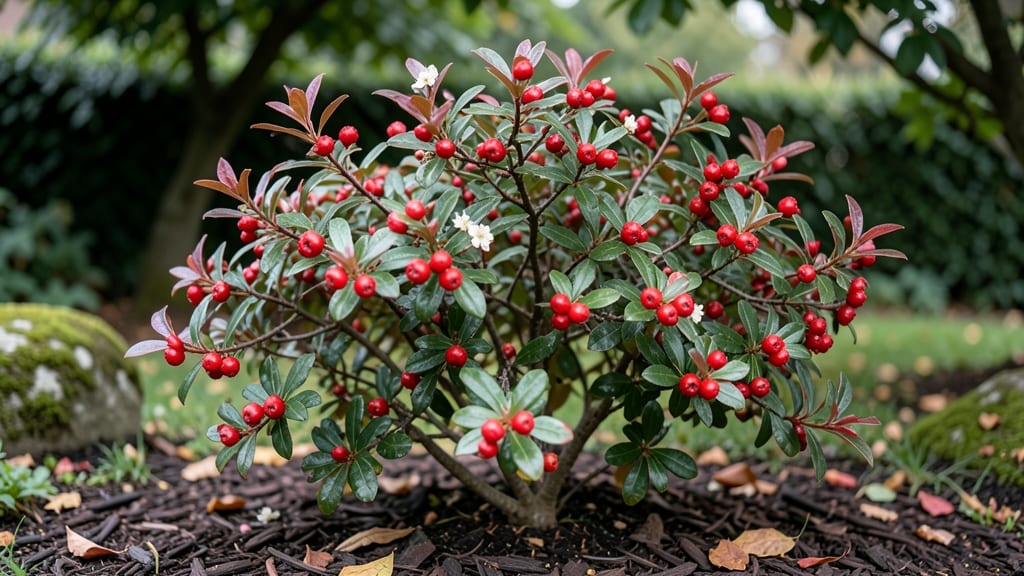
Your garden just got a bold new star: small red leaf bushes that steal the show year-round. 🌿 These compact powerhouses—like Coprosma, Dwarf Fothergilla, or Skimmia—pack deep burgundy foliage into tight spaces, turning borders, containers, and even shady corners into vibrant focal points.
I’ve used them to transform dull winter gardens into fiery displays, and they never fail to draw compliments. The best part? They’re low-maintenance but high-impact. Plant them in partial to full shade (depending on the variety) and water them consistently the first year.
Once established, they handle drought surprisingly well. Pair them with silvery foliage plants like lamb’s ear or creamy white flowers for a striking contrast—your garden will look like a designer’s palette exploded in the best way.
By late spring, some varieties even produce fragrant flowers or bright red berries, adding another layer of drama. Imagine a Skimmia’s glossy leaves holding onto berries through winter, or a Fothergilla’s springtime burst of bottlebrush blooms.
They’re the kind of plants that make neighbors stop and ask, “What are those?”—and then you get to brag about your secret weapon. Works in containers, foundation plantings, or woodland gardens—they’re that versatile. Let’s pick the perfect one for your space!
📚 In This Guide
- What you need
- Instructions
- Tips and common mistakes
- Wrapping up and next steps
What you need
- ● Small red leaf shrubs: Choose from varieties like Cotoneaster franchetii, Pyracantha 'Red Column', or Berberis thunbergii 'Crimson Pygmy' (1–3 plants, depending on desired coverage).
- ● Well-draining potting mix: 5–10 gallons (for container gardening) or native soil amended with compost (for in-ground planting).
- ● Organic mulch: 2–3 inches of shredded bark or pine needles to retain moisture and regulate soil temperature.
- ● Slow-release fertilizer: 10-10-10 or a balanced organic option (e.g., fish emulsion) for planting and mid-season feeding.
- ● Garden tools: Trowel or hand shovel
- ● Pruning shears (sterilized)
- ● Garden gloves
- ● Watering can or hose with a gentle spray nozzle
- ○ Support (optional for vining varieties): Small stakes or a trellis if your shrub tends to sprawl.
- ● Container gardening: 1–2 gallon pots with drainage holes (for urban or patio spaces).
- ● Epsom salt: 1 tablespoon per gallon of water for magnesium boosts (great for yellowing leaves).
- ● Fungicide spray: Copper-based or neem oil to prevent powdery mildew in humid climates.
- ● Bird feeders or berry cages: To protect fruit-bearing varieties (like pyracantha) from wildlife.
- ● Soil pH test kit: To ensure your shrubs thrive in slightly acidic to neutral soil (pH 6.0–7.0).
Step-by-step guide to selecting and planting small red leaf bushes
Here’s how to transform your compact space into a vibrant, low-maintenance foliage showcase.
🌱 Step 1: Choose the Right Varieties for Your Space
Small red leaf bushes thrive in 4-inch pots or garden beds with 6-8 hours of sunlight daily. My top picks for bold foliage include Cotoneaster 'Dragon’s Blood' (deep burgundy leaves), Ilex crenata 'Soft Touch' (glossy red berries), or Pieris japonica 'Little Heath' (arching red-tipped branches). Check your zone’s hardiness—most tolerate USDA Zones 5-9 but may need winter protection in colder climates.
I always verify plant size at maturity—some "small" varieties grow 6 feet wide over time. Measure your space first! For containers, opt for dwarf cultivars like Euonymus alatus 'Compactus' (burning bush) that stay under 3 feet tall. Avoid overcrowding: space plants 3-5 feet apart for airflow and prevent fungal issues.
🪴 Step 2: Prepare Soil and Planting Sites
Red leaf bushes prefer well-draining soil with a slightly acidic pH (6.0-6.5). Amend heavy clay with 2 inches of compost and 1 part perlite to improve aeration. For containers, mix 2 parts potting soil, 1 part peat moss, and 1 part coarse sand—this prevents root rot, which is fatal to these plants.
Dig a hole twice as wide as the root ball but only as deep. Loosen the roots gently if they’re circling—this encourages outward growth. Place a slow-release fertilizer (like 10-10-10) in the hole before adding the plant. Water deeply to settle the soil, then top-dress with 1 inch of mulch to retain moisture and suppress weeds.
☀️ Step 3: Plant and Position for Year-Round Color
Position bushes where they’ll get morning sun and afternoon shade—this prevents leaf scorch while maintaining vibrant foliage. In containers, rotate pots quarter-turn weekly so growth stays even. I always plant 3 bushes in odd-numbered groupings (e.g., 1 tall + 2 medium) for visual impact—this mimics natural landscapes.
For winter interest, choose varieties with red berries or bark (like Ilex crenata). Prune lightly after flowering to shape, but avoid heavy cuts—these bushes rely on old wood for color. Water deeply once a week in summer, reducing to every 2 weeks in winter unless pots dry out faster.
✂️ Step 4: Maintain for Lush, Year-Round Foliage
Fertilize twice a year—once in early spring with a balanced fertilizer and again in mid-summer with a low-nitrogen, high-phosphorus blend to boost root growth. Deadhead spent flowers in spring to encourage new growth, but leave seed pods for winter interest if desired.
Watch for aphids or spider mites—red leaf bushes attract pests when stressed. Spray with neem oil at the first sign of sticky residue on leaves. In containers, check drainage holes monthly—clogged holes cause root rot, which turns leaves yellow and mushy. Repot every 2-3 years to refresh soil and prevent nutrient depletion.
Tips & tricks for perfect small red leaf bushes
These game-changing strategies will help you cultivate vibrant, healthy foliage that steals the show in even the tightest spaces.
Variety Selection: When choosing your bushes, prioritize dwarf cultivars like Euonymus alatus 'Compactus' for containers—they stay under 3 feet tall and won't outgrow your space. For garden beds, measure your area first: some "small" varieties expand to 6 feet wide at maturity. I always opt for Cotoneaster 'Dragon's Blood' for its dramatic burgundy foliage that stays vibrant all season long.
Soil Preparation: The slightly acidic pH (6.0-6.5) is non-negotiable for these plants, so test your soil before planting. For containers, my go-to mix is 2 parts potting soil, 1 part peat moss, and 1 part coarse sand—this prevents root rot, which can kill your bushes in just weeks. Don't skip the 2 inches of compost and 1 part perlite when amending garden soil either!
Positioning for Color: The key to maintaining vibrant foliage is morning sun with afternoon shade—this prevents leaf scorch while keeping the red hues intense. In containers, I rotate my pots quarter-turn weekly to ensure even growth. For visual impact, plant in odd-numbered groupings (like 1 tall + 2 medium
Maintenance Secrets: Fertilize twice a year with precision: balanced fertilizer in early spring and a low-nitrogen, high-phosphorus blend in mid-summer. This timing boosts root growth without encouraging excessive foliage. Watch for pests like aphids or spider mites—neem oil is my first line of defense when I spot sticky residue on leaves. And remember, repotting every 2-3 years refreshes the soil and prevents nutrient depletion.
Pro Tips for Small Red Leaf Bushes
- These game-changing strategies will help you cultivate vibrant, healthy foliage that steals the show in even the tightest spaces.
- Variety Selection: When choosing your bushes, prioritize dwarf cultivars like Euonymus alatus 'Compactus' for containers—they stay under 3 feet tall and won't outgrow your space.
- Soil Preparation: The slightly acidic pH (6.0-6.5) is non-negotiable for these plants, so test your soil before planting.
Frequently asked questions
Got questions about those stunning small red leaf bushes? You’re not alone! Here are some of the most common queries—plus quick answers to help you nail your planting and care game.
What are the best small red leaf bushes for full sun exposure?
If your space is bathed in sunlight, opt for Cotoneaster horizontalis (bearberry cotoneaster) or Ilex crenata ‘Sky Pencil’ (dwarf holly). Both thrive in full sun and boast vibrant red foliage year-round. Just ensure well-draining soil to avoid root stress!
Can small red leaf bushes survive winter in cold climates?
Many varieties, like Euonymus alatus ‘Compactus’ (winged euonymus) or Viburnum bodnantense ‘Dawn’, are hardy down to USDA Zone 5 or colder. Mulch around the base in late fall to protect roots, and prune lightly in early spring to encourage fresh growth.
Why are the leaves on my red leaf bush turning yellow or brown?
Yellowing leaves often signal overwatering or nutrient deficiency, while brown edges can mean underwatering or sunburn. Check soil moisture (top 1–2 inches should be dry) and adjust watering. For brown patches, move the bush to partial shade temporarily.
Are there non-toxic red leaf bushes for pets or kids?
Yes! Heuchera ‘Fireworks’ (coral bells) or Hydrangea macrophylla ‘Endless Summer’ (red-leaf varieties) are pet-friendly and safe for curious kids. Avoid Ilex (holly) or Mahonia, which can be toxic if ingested in large amounts.
How often should I prune my small red leaf bush?
Light pruning in late winter or early spring keeps your bush tidy and encourages dense growth. Trim back 1/3 of the oldest stems annually to promote new, vibrant foliage. Avoid heavy pruning in fall—it can stress the plant before winter.
Pro Tip:
For maximum color impact, pair red leaf bushes with silver foliage plants (like lamb’s ear) or purple-leaf varieties (e.g., Heuchera ‘Plum Pudding’). The contrast makes your garden pop year-round!
Wrapping up and next steps
Small red leaf bushes bring vibrant color and low-maintenance beauty to any garden—whether you're a seasoned gardener or just starting out! 🌿 Their compact size makes them perfect for patios, borders, or even containers, while their striking foliage ensures year-round visual interest. With the right care (like proper pruning and sunlight), these shrubs thrive and reward you with lush, fiery hues.
Ready to transform your space? Start by choosing the right variety for your climate and soil, then plant with confidence—your garden’s new star is just a few steps away! 🌟