
Propagation
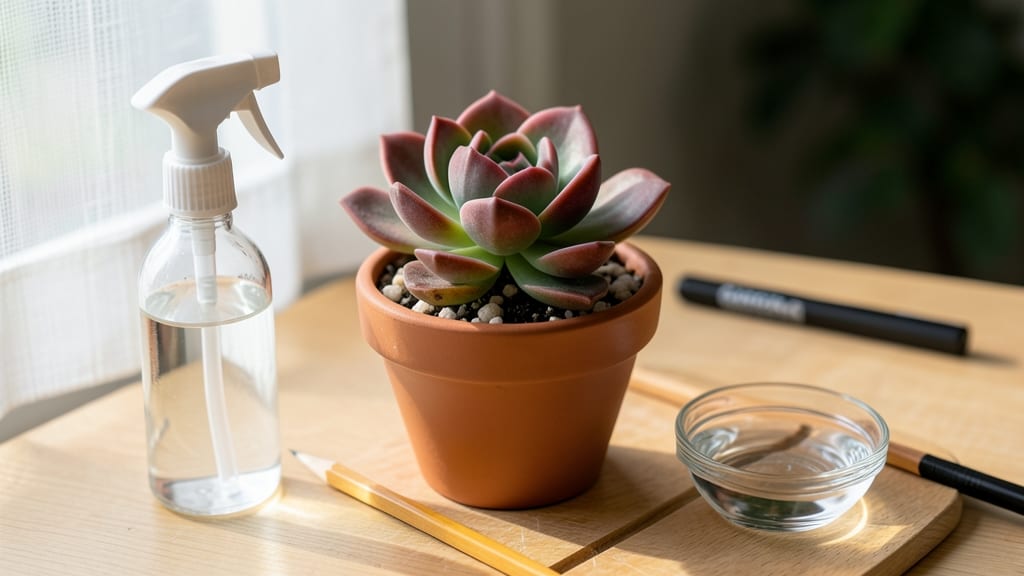
Rooting succulent leaf cuttings in water first gives you fast, reliable roots before transferring to soil—no more waiting months for stubborn growth. 🌱 I’ve propagated dozens this way, and the difference is shocking: what takes 6-8 weeks in soil happens in just 2-3 weeks when you start in water.
The secret? Patience with the right leaves and a few simple steps that prevent rot. You’ll need healthy leaves (look for plump, firm ones with no blemishes), a clean glass or jar, and filtered water.
Skip the soil entirely at first—succulents root faster in water because it creates the perfect humidity and oxygen balance. Just place the cuttings in shallow water and wait for tiny roots to appear before planting.
Once those roots hit ½-inch long, you’ll transplant into well-draining soil and watch them plump up within days. The best part? You’ll end up with a jungle of new plants from just a few snipped leaves—perfect for filling gaps or gifting to friends.
This method works for echeverias, jade, and haworthias, but avoid gel-like leaves (like aloe) that rot easily. Keep the water clean, and soon you’ll have a shelf full of thriving cuttings ready to grow into full plants.
📚 In This Guide
- What you need
- Instructions
- Tips and common mistakes
- Wrapping up and next steps
What you need
- ● Healthy succulent leaves: 3–5 mature, plump leaves (avoid damaged or mushy ones).
- ● Sharp scissors or pruning shears: Sterilized to prevent infection (small, clean cuts are key!).
- ● Clean water: Room-temperature, chlorine-free (let tap water sit for 24 hours if needed).
- ● Small glass or jar: Wide-mouth (e.g., mason jar, baby food jar) to hold leaves upright.
- ○ Well-draining soil mix: Cactus/succulent blend (optional for later transplanting).
- ● Rooting hormone: Speeds up root growth (gel or powder form).
- ● Spray bottle: For misting leaves to prevent dehydration.
- ● Perlite or sand: Mix with soil for extra drainage.
- ● Labeling tags: To track leaf types and propagation dates.
- ● Bright, indirect light source: A sunny windowsill or grow light.
How to propagate succulent leaf cuttings in water
Here's the quick, foolproof method I use to turn fallen leaves into thriving new plants in just a few weeks.
🌱 Step 1: Select and Prepare Healthy Leaves
Choose plump, fully mature leaves with no damage or soft spots—these hold the most stored energy for rooting. Gently twist a leaf from the stem at its base rather than cutting it; you'll hear a satisfying pop when it separates cleanly. If you must cut, use clean scissors and leave a ½-inch stem attached to encourage rooting.
Let the cuttings sit in a dry, shaded spot for 1-2 days until the wound dries and calluses over. This prevents rot when you place them in water. I like to lay them on a paper towel in a single layer—no stacking, or they'll smother each other.
💧 Step 2: Submerge Only the Stem End
Fill a small container with room-temperature water (never tap water straight from the faucet—let it sit out for 24 hours first to remove chlorine). Submerge just the ½-inch stem end, leaving the leaf itself completely dry. Use a glass or clear container so you can watch roots develop without disturbing the cutting.
Change the water every 3-4 days to prevent bacterial growth. You'll know it's time when the water looks cloudy or smells funky. Place the container in bright, indirect light—direct sun will overheat the water and cook the leaves.
⏰ Step 3: Wait for Roots to Form
After 2-4 weeks, tiny white roots will appear from the submerged stem. You'll notice them first as fuzzy white strands, then they'll grow into ½-inch roots that look like tiny white hairs. Once roots reach this size, your cuttings are ready to plant in soil.
Don't rush this step—roots need time to establish. If you see black spots on the leaf or water, remove that cutting immediately and start fresh. Black spots mean rot, and it spreads fast. Healthy cuttings will stay firm and slightly wrinkled, not mushy.
🌿 Step 4: Plant Rooted Cuttings in Soil
Fill small pots with a fast-draining succulent mix, making a hole just big enough for the rooted cutting. Gently press the soil around the roots but don't pack it down—succulents hate soggy soil. Water lightly just after planting to help settle the soil, then wait until the top inch feels dry before watering again.
Place the new plants in bright light but avoid direct midday sun for the first week. You'll see new growth within 2-3 weeks—that's your sign the cutting has successfully transitioned from water to soil. Remove any leaves that didn't root or show signs of rot during this process.
☀️ Step 5: Care for New Plants
Water your new succulents only when the soil feels completely dry to the touch, usually every 2-3 weeks. Overwatering is the #1 killer of succulents, so err on the side of underwatering. After a month, you can fertilize lightly with a diluted succulent fertilizer once a month during growing season.
Watch for signs of stress: wrinkled leaves mean underwatering, while mushy leaves or yellowing mean overwatering. Once your cuttings have grown to about ⅓ their original leaf size, they're ready to be treated as mature plants and can be repotted if needed.
Tips & tricks for perfect succulent propagation
Turn those fallen leaves into thriving plants faster with these game-changing tricks that'll have you rooting like a pro!
Leaf Selection Matters: I can't stress this enough—pick leaves that are plump and fully mature with no damage. These leaves hold the most stored energy for rooting. Pro tip: Look for leaves that easily twist off with a clean break (that satisfying pop!). If you must cut, always leave that ½-inch stem—it's where all the root action happens.
Callusing is Your Best Friend: That 1-2 day drying period before water is non-negotiable. I've seen so many people skip this step and end up with rotten leaves. Lay them on a paper towel in a single layer—no stacking!—and let that wound dry completely. Think of it as nature's way of sealing the deal before the water party begins.
Water Quality and Lighting: Never use tap water straight from the faucet—let it sit out for 24 hours first to remove chlorine. And that bright, indirect light? It's not optional. Direct sun will overheat the water and cook your leaves faster than you can say "root rot." A north-facing window or fluorescent grow light works perfectly. I've had cuttings in south-facing windows get too hot and turn mushy overnight.
Root Development Watch: After those 2-4 weeks of patience, you'll see tiny white roots first as fuzzy strands. Once they reach ½-inch, they're ready for soil. Here's my secret: Use a clear container so you can watch the magic happen without disturbing the cuttings. And if you see black spots? Remove that cutting immediately—rot spreads faster than you can say "succulent disaster."
Pro Tips for Succulent Leaf Cuttings
- Turn those fallen leaves into thriving plants faster with these game-changing tricks that'll have you rooting like a pro!
- Leaf Selection Matters: I can't stress this enough—pick leaves that are plump and fully mature with no damage.
- Callusing is Your Best Friend: That 1-2 day drying period before water is non-negotiable.
Frequently asked questions
Got questions about propagating succulent leaf cuttings?
You’re not alone! Here are answers to the most common queries—so you can confidently grow your own thriving plants.
Can I propagate any succulent from a single leaf?
Most echeverias, sedums, and haworthias thrive from single leaves, but some (like aloe or agave) need stem cuttings. Check your plant’s type—if it’s leaf-succulent-friendly, you’re golden! Just let the cut end callous for 1–3 days before rooting.
How long does it take for succulent leaves to root in water?
Patience pays off! Roots typically appear in 2–4 weeks, but some slow growers (like sempervivum) may take 6+ weeks. Keep leaves in bright, indirect light and change the water every 5–7 days to avoid algae.
Why are my leaf cuttings rotting instead of rooting?
Overwatering is the #1 killer. If leaves feel mushy or smell funky, they’re drowning. Let cut ends dry for 24–48 hours first, then use room-temperature water (never cold). For extra insurance, add a pinch of cinnamon to prevent bacterial growth.
Can I skip the water step and plant leaves directly in soil?
Some gardeners prefer soil propagation for faster adaptation. Bury the calloused end ½ inch deep in well-draining mix (cactus/succulent soil + perlite). Mist lightly and wait 2–3 weeks for roots to form. Just watch for rot—soil stays slightly moist, not soggy!
What’s the best time of year to propagate succulent leaves?
Spring and early summer (March–June) are ideal—warm temps and long daylight boost success. Avoid winter (leaves may rot) and extreme heat (stresses cuttings). If you’re in a mild climate, fall propagation can work too, but reduce watering frequency.
Wrapping up and next steps
Growing succulents from leaf cuttings is a rewarding way to expand your plant collection—especially when you root them in water first for faster, healthier growth! 🌱 With just a few simple steps, you’ll soon be watching tiny roots sprout and new plants thrive.
Whether you’re a beginner or a seasoned gardener, this method makes propagation easy and exciting.
Ready to take the next step? Grab a few leaves, set up your propagation station, and let nature do the rest. Your future succulent jungle starts with just one leaf! 🌿