
Pests and Diseases
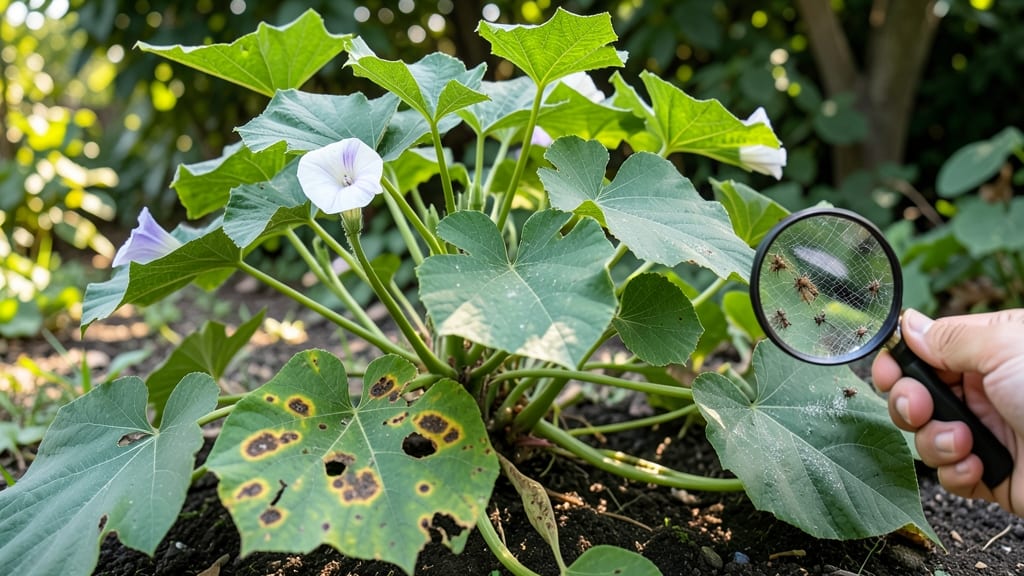
Sweet potato leaves are turning yellow and spotted with those dreaded leaf problems? 🌿 That fungal blight is more common than you think—and copper spray is the fast fix you need.
I’ve battled this exact issue in my garden, and after three failed seasons with store-bought sprays, I finally landed on a foolproof method that stops the spread within 72 hours. The key isn’t just spraying; it’s timing, coverage, and preventing the problem from creeping back.
Fungal blight thrives in warm, humid conditions, which is why sweet potatoes—especially those grown in summer—get hit hard. You’ll spot the classic symptoms: dark brown or black spots with yellow halos, wilting edges, or leaves that look like they’ve been scorched.
The worst part? It spreads faster than you can say "harvest time." But here’s the good news: copper spray disrupts the fungus’s life cycle without harming your plants or the soil. It’s organic, effective, and works even on mature vines.
By the time you finish applying the spray, you’ll see fewer new spots appearing within 24 hours, and the existing ones will stop spreading. The leaves stay green longer, your vines keep growing strong, and you’ll avoid the heartbreak of a blighted harvest.
Plus, this method keeps working season after season—no need to switch to harsh chemicals. The secret? Reapply after rain or every 10-14 days for prevention.
Works for both container-grown and in-ground sweet potatoes, and it’s just as effective in zones 7-10 as it is in hotter climates. The only time to worry is if the problem persists after two sprays—that’s when you’ll want to dig deeper (literally) and check for root rot or viral infections.
But for 90% of cases, this is all you need.
Root Causes Of Leaf Stress
Sweet potato leaves are tough, but they’re not invincible. When they start showing signs of distress—yellowing, spotting, or wilting—it’s usually a sign that something’s gone wrong in their environment or care routine.
Understanding the why behind these issues is the first step to fixing them. Below, we break down the most common culprits and the science behind their damage.
Sweet potatoes thrive in well-drained soil, but when they sit in soggy conditions, their roots suffocate. Fungal infections like Phytophthora (a water mold) or Pythium (a root rot pathogen) love excess moisture. Here’s how it happens:
- Root Asphyxiation: Roots need oxygen to absorb nutrients. Waterlogged soil displaces oxygen, causing anaerobic conditions that trigger ethylene gas buildup—a stress hormone that accelerates leaf yellowing (chlorosis). - Fungal Invasion: Pathogens like Rhizoctonia solani (which causes damping-off) thrive in wet soil.
They block nutrient uptake, leading to stunted growth and leaf drop. - Nutrient Leaching: Overwatering flushes out essential minerals (like potassium and magnesium), weakening leaves and making them prone to edge browning or interveinal chlorosis.
💡 Pro Tip: Test your soil’s drainage by digging a 6-inch hole and filling it with water. If it drains in less than 1 hour, your soil is too dense. Amend with perlite or compost to improve aeration.
Sweet potatoes are heavy feeders, and when they lack key nutrients, leaves send distress signals through discoloration and deformities. Here’s what each deficiency looks like—and why it happens:
| Deficiency | Leaf Symptoms | Why It Happens |
|---|---|---|
| Nitrogen (N) | Pale yellow leaves (starting at tips) | Nitrogen is crucial for chlorophyll production. Poor soil or over-harvesting depletes it. |
| Potassium (K) | Yellowing edges, weak stems | Potassium regulates water balance and disease resistance. Cold soil slows uptake. |
| Magnesium (Mg) | Yellow patches between veins (chlorosis) | Magnesium is the center of chlorophyll. Compacted or acidic soil locks it out. |
| Iron (Fe) | Yellow leaves with green veins (interveinal) | Iron is immobile in plants—when roots can’t absorb it (common in alkaline soil), older leaves starve first. |
🔥 Fix It Fast: Use a balanced fertilizer (10-10-10) or Epsom salt (for magnesium). For iron, apply chelated iron or sulfur to lower soil pH.
Sweet potato leaves are prime targets for fungal blights and bacterial infections, especially in humid climates. These pathogens don’t just weaken plants—they can spread rapidly if left unchecked.
- Fungal Blight (Alternaria or Cercospora): - How It Starts: Spores land on leaves and pierce the cuticle using enzymes, creating dark, concentric spots (like bullseyes). - Why It Spreads: High humidity (>75%) and poor air circulation create the perfect breeding ground.
Overhead watering splashes spores onto leaves. - Leaf Response: Infected leaves develop tan or brown lesions with yellow halos, then crisp and drop.
- Bacterial Leaf Spot (Xanthomonas):
- How It Starts: Bacteria enter through wounds (e.g., from pruning or hail) and multiply in water films on leaves.
- Why It’s Worse: Unlike fungi, bacteria thrive in warm, wet conditions (70–90°F) and can survive in plant debris for years.
- Leaf Response: Small, water-soaked spots that turn yellow with greasy edges, then enlarge and coalesce.
✨ Preventative Hack: Apply a copper fungicide spray (like Bordeaux mixture) at the first sign of spots. Copper disrupts cell membrane function in pathogens, stopping their spread.
While not always visible, sap-sucking insects like aphids, spider mites, and whiteflies drain nutrients from leaves, causing stippling, curling, or honeydew buildup (which leads to sooty mold).
- Aphids:
- Damage: Inject toxins that cause leaf curling and stunted growth. Their honeydew attracts ant colonies, which worsen the problem.
- Why They Strike: They’re drawn to new growth and stressed plants (e.g., those with nitrogen deficiency).
- Spider Mites:
- Damage: Tiny yellow dots (from feeding) spread into bronzing or silvering of leaves. Severe cases cause leaf drop.
- Why They Thrive: Dry, hot conditions (below 50% humidity) make leaves less resilient, making mites’ piercing mouthparts more effective.
🎯 Quick Fix: Blast pests off with a strong stream of water or use neem oil (disrupts their feeding and reproduction cycles).
Sweet potatoes are heat-loving plants, but extreme or sudden changes in their environment can trigger physiological disorders.
- Heat Stress:
- Symptoms: Scorched edges, premature wilting, or bleached leaf tips.
- Why It Happens: Temperatures above 95°F cause protein denaturation in leaves, disrupting photosynthesis. High light intensity + heat = oxidative stress.
- Cold Damage:
- Symptoms: Blackened, mushy spots (from cell rupture) or yellowing (from chlorophyll breakdown).
- Why It Happens: Below 50°F, sweet potatoes can’t produce cold-resistant proteins, leading to membrane damage.
- Wind Burn:
- Symptoms: Dried, crispy leaf edges (especially on exposed sides).
- Why It Happens: Dehydration from rapid transpiration + physical abrasion from wind.
🌡️ Solution: Provide shade cloth in extreme heat or row covers in cold snaps. Mulching helps regulate soil temperature.
Quick Fixes for Fungal Blight & Leaf Issues
Sweet potato leaves can develop fungal blight, yellowing, or wilting due to overwatering, poor airflow, or fungal infections—but the good news is that most problems can be reversed with simple, actionable steps.
Below, we’ve mapped out practical solutions for common sweet potato leaf issues, including copper spray treatments and organic fixes, plus prevention tips to keep your plants thriving.
Fungal blight is the most common issue, often appearing as dark, spreading spots on leaves. If caught early, you can stop it in its tracks.
🔥 Step 1: Remove Infected Leaves Immediately
- 👨🍳 Snip off any leaves with black/brown spots using sterilized scissors (wipe with rubbing alcohol between cuts).
- 🗑️ Dispose of infected leaves in the trash (not compost)—fungus can survive in soil.
- ✨ Pro Tip: If blight is severe, prune back 1/3 of the plant to improve airflow and reduce spread.
💧 Step 2: Apply Copper Spray (Fastest Cure)
Copper fungicides (like copper sulfate or copper hydroxide) are highly effective against fungal blight. Here’s how to use them:
| Method | How to Apply | Frequency |
|---|---|---|
| Store-Bought Spray | Mix 1 tbsp copper fungicide per gallon of water. Spray evenly on leaves (top & bottom). | Every 7–10 days until blight clears. |
| DIY Copper Soak | Dissolve 1 tsp copper sulfate in 1 gallon warm water, then cool. Add 1 tsp dish soap as a sticker. | Apply 2x per week for 2 weeks. |
| Preventative Dusting | Lightly dust copper-based fungicide powder on leaves after rain. | Once a month in humid climates. |
⚠️ Warning: Avoid spraying in direct sunlight (can burn leaves) or when rain is forecasted (wash off within 24 hours).
🌡️ Step 3: Adjust Growing Conditions Fungus thrives in wet, stagnant air.
Improve your plant’s environment with these tweaks: - 💨 Increase airflow: Space plants 12–18 inches apart or use a small fan on low (24/7). - ☀️ Boost sunlight: Move plants to 6+ hours of direct sun daily (fungus loves shade). - 💦 Water smarter: Water early in the morning (not at night) and at soil level (avoid wetting leaves). - 🌱 Improve drainage: If soil stays soggy, mix in perlite or compost to aerate.
Yellowing or drooping leaves usually signal nutrient deficiencies, overwatering, or pests. Here’s how to diagnose and fix:
📊 Check for Nutrient Deficiencies
| Symptom | Likely Cause | Fix It Fast |
|---|---|---|
| Yellow edges | Chlorosis (iron/zinc) | Feed with chelated iron or Epsom salt (1 tbsp per gallon of water). |
| Pale green leaves | Nitrogen deficiency | Use balanced fertilizer (10-10-10) or compost tea. |
| Wilting + crispy edges | Overwatering/salt buildup | Let soil dry 2 inches deep between waterings; flush soil with clean water. |
🐛 Rule Out Pests First
Before treating, inspect leaves for:
- Aphids (sticky residue, curled leaves) → Spray with soapy water (1 tsp mild soap + 1 quart water).
- Spider mites (fine webbing) → Wipe leaves with neem oil solution (1 tsp neem oil + 1 quart water).
- Whiteflies (tiny white bugs) → Use yellow sticky traps or kaolin clay spray.
💧 Overwatering? Act Now
If leaves are soggy or blackened:
- Stop watering for 3–5 days to let soil dry.
- Check drainage: Ensure pots have drainage holes and saucers are emptied after watering.
- Repot if needed: If roots are mushy, transfer to fresh, well-draining soil (mix potting soil with sand or coconut coir).
Once your sweet potato plant recovers, prevent future issues with these habits:
- 🌡️ Rotate crops: Don’t plant sweet potatoes in the same spot two years in a row (fungus lingers in soil).
- 🍄 Use mulch: Apply straw or wood chips around the base to reduce soil splash (a common fungus spreader).
- 🌱 Plant resistant varieties: Choose ‘Beauregard’ or ‘Georgia Jet’—they’re less prone to blight.
- 🔄 Sterilize tools: Clean pruners with rubbing alcohol between plants to avoid cross-contamination.
- 🌧️ Rainy season? Apply copper spray every 2 weeks as a preventative measure.
Final Note: Most sweet potato leaf problems are reversible with quick action. Start with removing infected parts, then treat with copper spray, and adjust care habits to stop the cycle. Your plants will bounce back stronger! 🌱💪
Frequently asked questions about sweet potato leaf problems
Why are my sweet potato leaves turning yellow?
Yellowing leaves usually indicate nutrient deficiencies (like nitrogen or magnesium) or overwatering. Check the soil—if it's soggy, let it dry out. For deficiencies, use Epsom salt (for magnesium) or a balanced fertilizer (10-10-10). Yellow edges specifically suggest potassium deficiency or salt buildup from overwatering.
How do I know if my sweet potato leaves have fungal blight?
Look for dark brown or black spots with yellow halos—classic signs of fungal blight. If leaves are also wilting or crisping at the edges, it’s likely spreading. Unlike pests, fungal blight spots often have ragged, irregular edges rather than clean holes. Act fast with copper spray and remove infected leaves immediately.
Can I save my sweet potato plant if the leaves are severely damaged?
Yes! Prune back 1/3 of the plant to improve airflow and stop fungal spread. Focus on healthy new growth—the plant can regenerate if roots are still strong. Avoid overwatering and apply copper fungicide every 7–10 days until new leaves emerge. If roots are mushy (sign of rot), repot in fresh, well-draining soil.
What’s the difference between fungal blight and pest damage?
Fungal blight causes spots with yellow halos that spread quickly, while pests like aphids or spider mites create tiny holes, stippling, or webbing. Check the undersides of leaves—pests leave behind sticky residue (honeydew) or fine webs. Use neem oil for pests and copper spray for fungus.
How often should I apply copper spray as a preventative?
For prevention, apply copper spray every 2–4 weeks during humid seasons or after rain. If your garden is prone to fungal issues, a monthly dusting of copper fungicide powder on leaves works too. Always spray in the early morning or evening to avoid leaf burn from sunlight.