
Plants
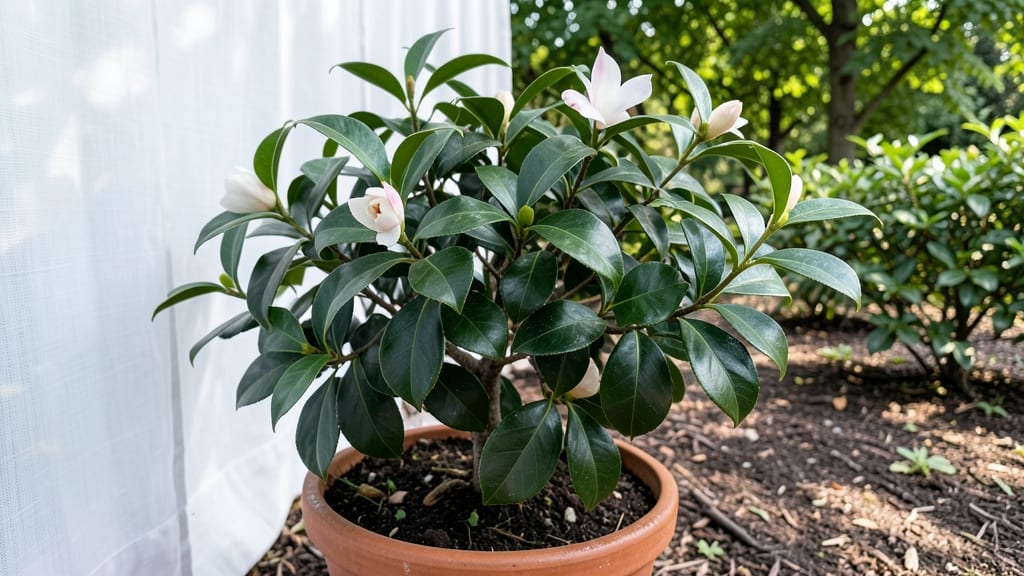
The tea leaf plant brings fragrant leaves and lush growth to your space—whether indoors or out. 🌿 I’ve grown mine for years, and the secret to its success lies in mimicking its natural tropical habitat.
Unlike most houseplants, it thrives with consistent moisture and bright, indirect light, making it a rewarding project for beginners and seasoned gardeners alike.
Start with well-draining potting mix rich in organic matter, and place your plant near an east or west-facing window for gentle sunlight. Water when the top inch of soil feels dry, but avoid soggy roots—this is where most growers go wrong.
Prune regularly to encourage bushier growth, and you’ll soon have a fragrant, vibrant plant that keeps producing new leaves year-round.
What you’ll love most is the intoxicating aroma of its leaves when crushed, plus the satisfaction of watching it grow lush and full. The ornamental varieties add beauty to any room, while tea-producing types offer a unique culinary twist.
With the right care, your tea leaf plant will reward you with vibrant foliage and a soothing, earthy scent.
Whether you’re growing it as a houseplant or in a sheltered outdoor spot, this guide covers everything from soil prep to troubleshooting slow growth. Let’s get your tea leaf plant thriving in no time!
📚 In This Guide
- What you need
- Instructions
- Tips and common mistakes
- Wrapping up and next steps
What you need
- ○ Tea leaf plant seeds or saplings: Choose from varieties like Camellia sinensis var. sinensis or var. assamica (ensure they’re disease-free). Optional: Buy a young potted plant for faster growth.
- ● Well-draining potting mix: A blend of peat moss, perlite, and compost (ratio: 40% peat, 30% perlite, 30% compost). Pro tip: Tea plants thrive in slightly acidic soil (pH 5.0–6.5).
- ● Pot or garden space: For containers: A 12–16-inch pot with drainage holes (terracotta works well).
- ● For outdoor planting: A sunny, sheltered spot with partial shade (especially in hot climates).
- ● Slow-release fertilizer: A balanced 10-10-10 NPK or organic options like fish emulsion or compost tea.
- ● Pruning shears or sharp scissors: For trimming leaves/stems (sterilize with rubbing alcohol).
- ● Watering can with a fine rose: Avoid overwatering—tea plants hate soggy roots!
- ○ Mulch (optional but helpful): Pine bark or shredded leaves to retain moisture and regulate temperature.
- ○ Humidity tray or pebble tray (optional): Tea plants love humidity (aim for 50–70%).
- ● Patience & consistency! Tea plants grow slowly but reward you with fragrant leaves in 2–3 years.
Step-by-Step guide to growing tea leaf plants
Here’s how to cultivate fragrant, lush tea leaf plants that thrive indoors or outdoors year-round.
🌱 Step 1: Choose the Right Container and Soil
Tea leaf plants (Camellia sinensis) need well-draining soil to prevent root rot. Use a 6-inch pot with drainage holes and fill it with a mix of equal parts potting soil, perlite, and compost. I like to add a handful of orchid bark for extra aeration—this mimics their natural, slightly acidic forest floor habitat.
The soil should feel like a damp sponge when squeezed, not muddy. If it crumbles easily, it’s ready. Avoid garden soil; it compacts too much and suffocates roots. Place a layer of small pebbles at the bottom of the pot to improve drainage further.
☀️ Step 2: Select the Perfect Spot for Light and Humidity
Tea leaf plants thrive in bright, indirect light—think east-facing windows or a few feet from a south-facing one. Too much direct sun scorches the leaves, while too little light makes them grow leggy. You’ll know the light is right when new leaves stay a vibrant green without yellowing.
Humidity is key. If your home is dry, place the pot on a tray filled with pebbles and water, or mist the leaves daily. Aim for 50-70% humidity. A humidifier near the plant works wonders, especially in winter when indoor air gets dry.
💧 Step 3: Water Consistently Without Overdoing It
Water when the top inch of soil feels dry. Stick your finger in—if it comes out clean, it’s time. Overwatering is the fastest way to kill a tea leaf plant. I water deeply until it drains from the bottom, then empty the saucer after 10 minutes to avoid soggy roots.
Reduce watering in winter when growth slows, but never let the soil dry out completely. Yellowing leaves often signal overwatering, while crispy edges mean it’s too dry. Adjust based on what you see—tea plants are forgiving if you stay consistent.
✂️ Step 4: Prune and Encourage Bushy Growth
Pinch back the tips of new growth when stems reach 4-6 inches to encourage branching. This step is crucial for a full, lush plant. Use clean scissors or fingers to snip just above a leaf node—where leaves meet the stem.
Prune leggy growth in spring to shape the plant and promote denser foliage. Never cut more than a third of the plant at once, or it’ll stress out. Tea leaf plants respond well to pruning, so don’t be shy—just keep it gentle.
🌿 Step 5: Fertilize and Maintain Year-Round
Feed every 4-6 weeks in spring and summer with a balanced, water-soluble fertilizer (like 10-10-10) diluted to half strength. In fall and winter, cut back to once every 8-10 weeks—they’re dormant then. Over-fertilizing burns roots, so always follow package instructions.
Rotate the pot a quarter turn weekly so the plant grows evenly toward the light. Watch for pests like spider mites—wipe leaves with a damp cloth if you spot webbing. A healthy tea leaf plant rewards you with fragrant, glossy leaves all year.
Tips & tricks for perfect tea leaf plant growth
Real talk: Growing tea leaf plants takes patience, but these little tricks make all the difference between a struggling houseplant and a thriving, fragrant beauty.
Soil Mix Secret: That equal parts potting soil, perlite, and compost mix in Step 1 is non-negotiable, but here's what nobody tells you—tea plants love slightly acidic soil (pH 5.5-6.5). Test your soil if possible, or add a handful of peat moss to your mix for that perfect acidity boost. The orchid bark recommendation is gold for drainage, but if you can't find it, coarse sand works in a pinch. Just avoid anything that compacts easily.
Light Positioning: In Step 2, I see people struggling with that "bright but indirect" light requirement. Here's my trick: If your east-facing window gets too much direct morning sun, place the plant 2-3 feet back from the glass. For south-facing windows, use sheer curtains to diffuse the light. Watch for leaves that look sunburned (brown patches) or stretched (leggy growth)—these are your cues to adjust position. A simple grow light on a timer works wonders if natural light is limited.
Watering Wisdom: The 10-minute drainage rule in Step 3 is crucial, but timing matters too. I water my tea plants in the morning so any excess has time to evaporate before evening. For winter care, I reduce watering to every 10-14 days when the plant's growth slows dramatically. Pro tip: Use room-temperature water—cold water can shock the roots and cause yellowing leaves.
Pruning Pro Tip: When pinching back growth at 4-6 inches in Step 4, focus on the healthiest stems first. The leaves you remove can be used for tea! Just dry them properly (low heat, spread out) and store in an airtight container. This dual-purpose approach makes your pruning sessions even more rewarding. And remember: Always sterilize your scissors with rubbing alcohol between cuts to prevent disease spread.
Pro Tips for Tea Leaf Plant
- Real talk: Growing tea leaf plants takes patience, but these little tricks make all the difference between a struggling houseplant and a thriving, fragrant beauty.
- Soil Mix Secret: That equal parts potting soil, perlite, and compost mix in Step 1 is non-negotiable, but here's what nobody tells you—tea plants love slightly acidic soil (pH 5.5-6.5).
- Light Positioning: In Step 2, I see people struggling with that "bright but indirect" light requirement.
Frequently asked questions
Got questions about growing and caring for your tea leaf plant? You’re not alone! Here are some of the most common queries—and their answers—to help you keep your fragrant green friend thriving year-round.
How often should I water my tea leaf plant?
Water your tea leaf plant when the top inch of soil feels dry to the touch. Overwatering is a common issue, so ensure the pot has drainage holes and avoid letting it sit in soggy soil. During winter or dry spells, reduce watering to every 7–10 days. Pro tip: Stick your finger in the soil—if it’s damp, wait a day or two!
How long does it take for a tea leaf plant to grow leaves I can harvest?
With proper care, you can start harvesting young leaves (called "tips") in about 6–12 months. Mature plants produce more leaves, but be patient—pruning encourages bushier growth. Harvest sparingly at first to avoid stressing the plant. Fun fact: The first harvest is often the most flavorful!
Can I grow a tea leaf plant indoors, and what’s the best spot?
Tea leaf plants thrive indoors with bright, indirect light (like near an east- or north-facing window). Avoid direct sunlight, which can scorch the leaves. A south-facing window works if filtered through a sheer curtain. Rotate the pot occasionally for even growth.
Why are my tea leaf plant’s leaves turning yellow or dropping?
Yellowing leaves often signal overwatering or poor drainage. Check the roots—if they’re mushy or the soil smells sour, reduce watering and repot in well-draining soil. Dropping leaves can also mean low humidity; mist the leaves or place a tray of water nearby. Quick fix: Trim affected leaves to encourage new growth.
Can I use tea leaf plant leaves to make tea right away, or do I need to dry them?
Fresh leaves can be used, but drying them first (in the sun or a dehydrator) concentrates flavor and preserves them longer. Steep 1–2 tsp of fresh or dried leaves in hot water for 3–5 minutes. Caution: Some varieties may taste bitter fresh—drying mellows the flavor. Store dried leaves in an airtight container away from light.
Are there alternatives to the tea leaf plant for beginners?
If tea leaf plants seem tricky, try peppermint, spearmint, or lemon balm—they’re hardier and still great for tea. Herbs like stevia or holy basil are also beginner-friendly. Just ensure they get similar care: bright light, moderate water, and well-draining soil!
Wrapping up and next steps
Growing a tea leaf plant is a rewarding journey that brings beauty, fragrance, and even functional benefits to your space! Whether you're drawn to its delicate leaves or the promise of homegrown tea, this versatile plant thrives with the right care—bright light, well-draining soil, and a little patience. 🌿
Now that you’re armed with tips on materials, troubleshooting, and FAQs, why not take the next step? Start with a cutting or seedling today, and watch your tea leaf plant flourish year-round. Happy gardening—and may your harvest be bountiful! ☕💚