
Plants
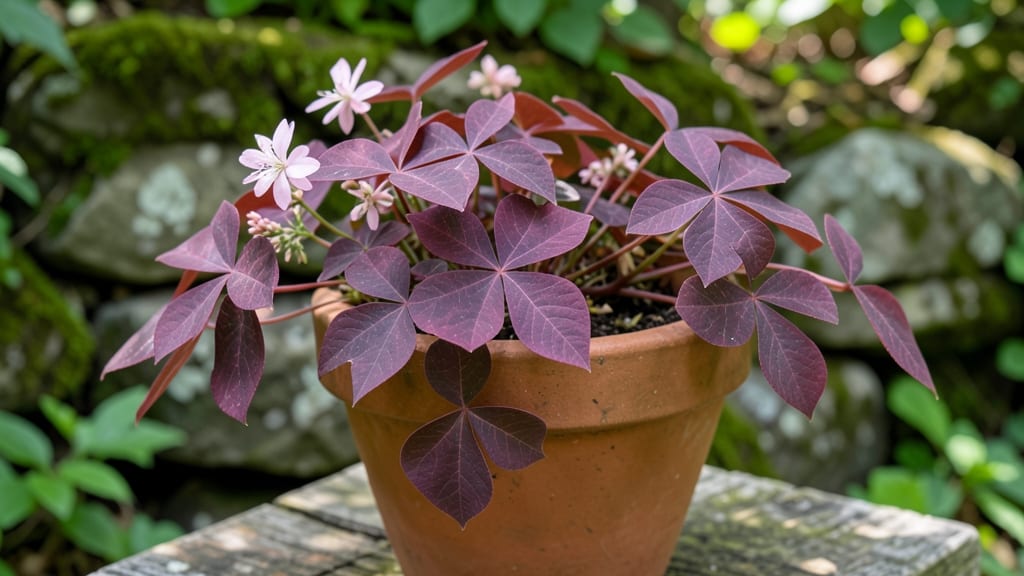
The three-pointed leaf vine (Tradescantia paludosa) grows with shocking speed—rooting cuttings in just 5-7 days and filling spaces with glossy, purple-tinged foliage. 🌱 I’ve battled leggy vines and droopy leaves, but once I cracked the light and humidity balance, this plant became my go-to for fast, fragrant green walls.
The secret isn’t just watering—it’s matching its tropical roots to your home’s conditions.
This vine thrives in bright, indirect light (think east or north windows) but tolerates low light better than most—just expect slower growth. Use a well-draining potting mix with perlite or orchid bark to prevent soggy roots, and repot every 12-18 months when roots crowd the container.
Outdoors in zones 9-11, it’s a sprawling ground cover, but indoors, it’s a hanging basket superstar with vines reaching 3-6 feet in a season.
Water when the top inch of soil feels dry, but never let it sit in moisture—root rot is the #1 killer. Boost humidity with a pebble tray or misting (this plant loves it), and fertilize lightly every 4-6 weeks in spring/summer.
The payoff? A vine so lush it feels like a tropical escape, with leaves that smell faintly sweet when crushed—a bonus most gardeners miss.
Warning: This vine spreads fast. Prune regularly to control growth, and pinch back leggy stems to encourage bushier foliage. With the right care, it’s a foolproof way to add drama to shelves, trellises, or even a DIY vertical garden. Let’s get those cuttings rooted!
Root Causes of Struggles
The three-pointed leaf vine (Leucophyllum frutescens) is a drought-tolerant beauty, but even resilient plants face challenges. Understanding why issues arise helps you fix them fast. Here’s a breakdown of the most common culprits—plus science-backed solutions to keep your vine thriving.
Three-pointed leaf vines despise soggy roots. When planted in heavy clay or compacted soil, water pools around the roots, cutting off oxygen and inviting root rot (Phytophthora or Pythium fungi). Symptoms? Yellowing leaves, stunted growth, or a mushy stem base.
Why it happens:
- Clay-heavy soils hold excess moisture, suffocating roots.
- Overwatering (even in well-draining soil) can drown roots if the plant isn’t given time to dry out.
- Lack of organic matter reduces porosity, trapping water like a sponge.
Actionable fix:
- Test your soil: Dig a 6-inch hole, fill it with water, and time how long it drains. If it takes >2 hours, amend the soil.
- Mix in grit: Blend 50% native soil + 50% perlite/pumice for better aeration.
- Raise beds: Plant in mounded soil or raised beds to improve drainage.
- Water deeply but infrequently: Let the top 2–3 inches of soil dry out before watering again.
This desert-native vine loves sun—but intense afternoon rays (especially in hot climates) can scorch leaves, causing crispy edges, bleached patches, or leaf drop. Young vines are most vulnerable.
Why it happens:
- Reflective surfaces (like light-colored driveways or sand) amplify UV rays, acting like a magnifying glass.
- Sudden heatwaves overwhelm the plant’s ability to photosynthesize efficiently.
- Lack of acclimation: Moving a vine from shade to full sun too quickly causes stress.
Actionable fix:
- Provide afternoon shade in extreme heat (use lattice screens or lightweight cloth).
- Mulch heavily: 3–4 inches of gravel or wood chips keeps roots cool.
- Water at the base during heatwaves to raise humidity around leaves.
- Avoid pruning in peak sun: Trim in early morning or late afternoon to reduce stress.
Fungi like powdery mildew (Erysiphe cichoracearum) or leaf spot (Alternaria) thrive in humid, poorly ventilated conditions, coating leaves in white powder or brown spots. These weaken the vine, stunting growth and reducing fragrance.
Why it happens:
- Overhead watering keeps leaves wet, creating a fungal paradise.
- Crowded plantings reduce airflow, trapping moisture.
- High nighttime humidity (common in coastal areas) encourages spore growth.
Actionable fix:
- Water at the soil level (use a soaker hose or drip irrigation).
- Space vines 3–4 feet apart for airflow.
- Prune for airflow: Remove crossing branches or dense foliage.
- Fungal sprays: Apply neem oil or baking soda spray (1 tsp baking soda + 1 quart water + drop of soap) every 7–10 days in humid seasons.
Sap-sucking pests like aphids, whiteflies, or scale insects drain nutrients, causing sticky honeydew, curled leaves, and weakened vines. Spider mites (common in dry heat) leave fine webbing and speckled leaves.
Why it happens:
- Drought stress makes vines more attractive to pests (they’re easier to feed on).
- Over-fertilizing with nitrogen encourages soft, pest-loved growth.
- Nearby infested plants act as a pest reservoir.
Actionable fix:
- Blast pests off: Use a strong stream of water to dislodge aphids/whiteflies.
- Introduce predators: Ladybugs and lacewings devour pests naturally—buy them or plant marigolds nearby.
- Horticultural oil: Spray neem or canola oil (follow label rates) to smother pests.
- Prune infested areas: Remove heavily damaged leaves and dispose of them in sealed bags.
Pro Tip: 💡 Most problems start with water or sunlight mismanagement. Master these two, and your three-pointed leaf vine will reward you with vibrant blooms and minimal fuss!
Quick Fixes for Common Vine Issues
When your three-pointed leaf vine (or Tradescantia paludosa) starts showing signs of stress, acting fast can make all the difference. Below are practical, step-by-step solutions for the most common problems—plus prevention tips to keep your vine thriving.
Whether it’s yellowing leaves, leggy growth, or pests, we’ve got you covered with easy fixes and long-term care strategies.
Cause: Moisture imbalance is the #1 killer of three-pointed leaf vines. Too much water leads to root rot, while too little causes dehydration.
How to Fix It:
- Check the Soil 🔍
- Stick your finger 1-2 inches deep into the soil. If it’s soggy, your vine is overwatered. If it’s bone-dry, it’s thirsty.
- Pro Tip: Use a moisture meter for accuracy—no more guesswork!
- Adjust Your Watering Routine 💧 - Overwatered? Let the top 1-2 inches of soil dry out before watering again. If roots smell foul, repot in fresh, well-draining soil. - Underwatered? Give it a deep watering until water drains from the bottom.
Place the pot in a tray of water for 10-15 minutes to revive roots.
- Improve Drainage 🏗️
- Ensure pots have drainage holes and use a light, airy mix (e.g., cactus soil + perlite).
- Prevention: Water only when the topsoil is dry—stick to a schedule (usually every 5-7 days in warm weather).
Cause: Stretching vines with sparse leaves mean your plant is reaching for light. This happens in low-light spots or small windows.
How to Fix It:
- Move to Brighter Light 🌞
- Place your vine near an east- or west-facing window (avoid harsh midday sun).
- Quick Fix: Rotate the pot quarter-turn weekly so growth stays even.
- Prune for Bushiness ✂️
- Trim the longest stems just above a leaf node. This encourages new side shoots and a fuller plant.
- Pro Tip: Propagate the cuttings in water—you’ll get free new plants in 2-3 weeks!
- Supplement with Grow Lights 💡
- If natural light is limited, use a 12-hour LED grow light (12-18 inches away) to boost growth.
- Prevention: Avoid dim corners—these vines thrive in bright, indirect light.
Cause: These pests love tender new growth. If you spot white cottony spots (mealybugs) or tiny webs (spider mites), act fast!
How to Fix It:
- Isolate the Plant 🛑
- Move it away from other plants to prevent spreading.
- Wipe Down Leaves 🧼 - Use a soapy water solution (1 tsp mild dish soap + 1 quart water) and a soft cloth to remove pests manually. - For stubborn infestations: Spray with neem oil (1 tsp neem oil + 1 quart water + a drop of dish soap).
Reapply every 5-7 days for 2 weeks.
- Encourage Beneficial Insects 🐞
- Release ladybugs or lacewings (available at garden centers) to naturally control pests.
- Prevention: Keep your vine healthy and well-watered—stressed plants attract pests!
Cause: Sudden wilting often means root damage from overwatering, transplant shock, or compacted soil.
How to Fix It:
- Check the Roots 🌿
- Gently remove the vine from its pot and inspect the roots. Healthy roots are firm and white; rotten roots are mushy and brown.
- Action: Trim away black/mushy roots with sterilized scissors.
- Repot in Fresh Soil 🏺
- Use a clean pot with fresh, well-draining soil. Add a handful of perlite to improve aeration.
- Pro Tip: Water lightly only after repotting to avoid shocking the roots further.
- Adjust Care Post-Repot 🌱
- Keep the vine in bright, indirect light and hold off on fertilizing for 2-3 weeks to reduce stress.
- Prevention: Avoid overpotting—choose a container only 1-2 inches larger than the root ball.
- Fertilize Lightly: Use a balanced liquid fertilizer (10-10-10) once a month in spring/summer. Never fertilize in winter.
- Humidity Helps: Mist leaves 2-3 times a week or place the pot on a pebble tray with water.
- Rotate Regularly: Turn the pot weekly to ensure even growth toward the light.
- Watch for Drafts: Keep away from AC vents, heaters, or cold windows—temperature swings stress the plant.
By following these simple fixes, your three-pointed leaf vine will bounce back fast—and with the right care, it’ll stay lush, fragrant, and full of life for years. 🌿✨
Frequently asked questions about three-pointed leaf vine
Is the three-pointed leaf vine toxic to pets?
The three-pointed leaf vine (Tradescantia paludosa) contains mild toxins like oxalates that can irritate pets if ingested. Symptoms in cats/dogs may include drooling, vomiting, or mouth irritation. Keep it out of reach of curious pets, especially cats who love chewing leaves.
How fast does this vine spread in containers?
In ideal conditions, this vine can grow 6-12 inches per month in containers! With regular pruning, you can control its spread. Repot every 12-18 months when roots fill the pot to maintain healthy growth.
Can I grow three-pointed leaf vine outdoors in cold climates?
This tropical vine thrives outdoors only in USDA zones 9-11. In colder areas, grow it as an annual or bring pots indoors before 50°F temps. Place near south-facing windows for winter sunlight.
Why are my vine's leaves turning purple?
Purple-tinged leaves are normal but intensify with low light or cold drafts. For deeper color, move to brighter indirect light. If leaves stay purple and crispy, increase humidity or reduce watering.
How do I propagate three-pointed leaf vine in water?
Cut a 4-6 inch stem just below a leaf node, remove lower leaves, and place in water. Roots appear in 5-14 days. Transfer to soil once roots reach 1-2 inches long. Use a light potting mix for best results!