
Vegetables
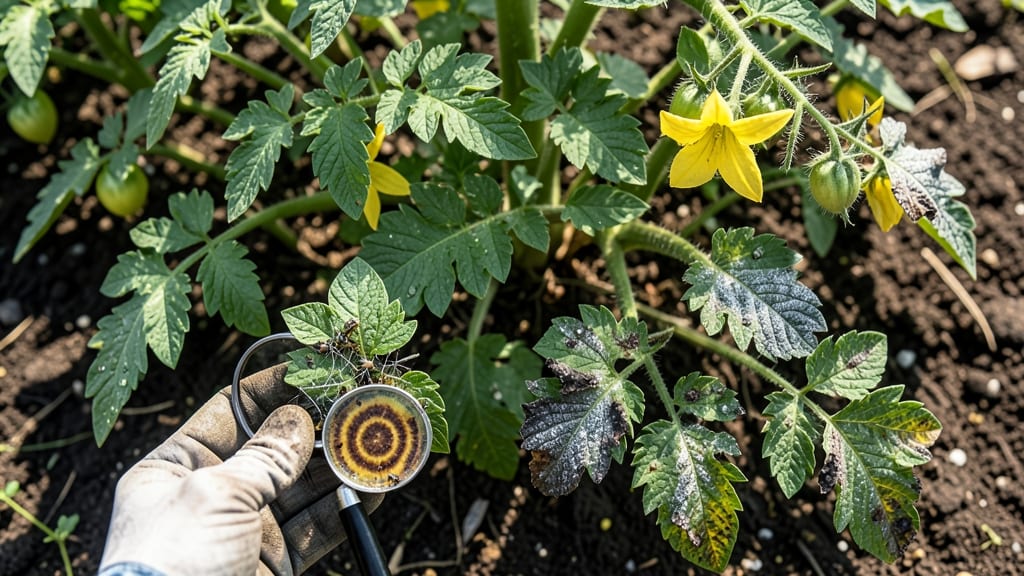
Your tomato plants are sending SOS signals through the leaf problems photos—and I’ve seen every possible distress call. 🌱 From mysterious spots to sudden wilting, these visual clues reveal exactly what’s wrong and how to fix it before the fruit suffers.
The key is acting fast: some issues fade with a simple spray, while others require removing the plant entirely.
Most problems start with water, light, or pests. Too much rain? That’s your early blight warning. Yellowing leaves? Often just nitrogen hunger or overwatering. I’ve saved dozens of plants by matching symptoms to these 10 common culprits—each with a photo reference to confirm your diagnosis before reaching for solutions.
You’ll learn to spot the difference between harmless sunscald and deadly fungal infections, plus when to prune versus when to toss the whole plant.
Organic fixes like neem oil or copper fungicide work for 80% of cases, but I’ll tell you exactly when to pull out the heavy artillery (yes, that includes chemical sprays).
No more guessing games—just clear steps to revive your plants and protect next year’s harvest. The photos make identification foolproof, and the solutions are tested in real gardens (including mine, which has survived more tomato disasters than I’d like to admit).
Root Causes Behind Leaf Troubles
Tomato plants are resilient, but their leaves often signal distress—whether through discoloration, spots, or deformities. Understanding the why behind these issues is the first step to saving your harvest.
Below, we break down the most common culprits, from environmental stressors to hidden pests, with clear explanations of how and why they strike.
Fungi thrive in warm, damp conditions, making tomato leaves prime targets. Here’s how they strike:
- Early Blight (Alternaria solani) - Why it happens: Spores land on lower leaves, especially in crowded plants or after overhead watering.
High humidity (above 75%) and temperatures between 70–85°F create the perfect breeding ground. - How it spreads: Dark, concentric rings (like bullseyes) appear on leaves, often starting at the edges. Stems may develop black, sunken lesions. - Actionable insight: Remove infected leaves immediately and space plants for airflow.
Apply copper fungicide preventatively if your area is prone to outbreaks.
- Late Blight (Phytophthora infestans) - Why it happens: This aggressive fungus spreads rapidly in cool, wet weather (50–77°F).
It can even survive in nearby weeds or soil, jumping to tomatoes via wind or splashing water. - How it spreads: Greasy, brown spots with white mold on undersides signal its presence.
Unlike early blight, late blight attacks both leaves and fruit. - Actionable insight: Avoid watering leaves (use drip irrigation) and rotate crops yearly. If spotted, treat with fungicides containing chlorothalonil and destroy infected plant debris.
- Powdery Mildew (Oidium spp.) - Why it happens: This fungus loves dry heat (75–90°F) with high humidity at night. Poor airflow (e.g., dense foliage or shade) accelerates its growth. - How it spreads: A white, powdery coating appears on leaf surfaces, reducing photosynthesis.
Leaves may yellow and curl. - Actionable insight: Prune for airflow and apply baking soda spray (1 tbsp baking soda + 1 tsp soap per gallon of water) weekly. Reflectors or white mulch can reduce heat stress.
Bacteria are microscopic but devastating, often introduced via tools, water, or insects. Here’s how they exploit tomato leaves:
- Bacterial Spot (Xanthomonas perforans or Pseudomonas syringae) - Why it happens: Bacteria enter through wounds (e.g., hail, pruning cuts) or splash up from soil during rain.
Warm, wet conditions (75–90°F with leaf wetness) fuel outbreaks. - How it spreads: Tiny, water-soaked spots with yellow halos appear, often with a greasy sheen. Spots may merge, causing leaf drop. - Actionable insight: Sterilize pruners with rubbing alcohol and avoid overhead watering.
Copper-based sprays can suppress bacteria, but remove infected plants to prevent spread.
- Bacterial Speck (Pseudomonas syringae pv. tomato) - Why it happens: Similar to bacterial spot but thrives in cooler temps (60–75°F). It’s often seedborne or spreads via contaminated irrigation water. - How it spreads: Pinpoint, raised spots (like freckles) appear on leaves, stems, and fruit.
Severe cases cause defoliation. - Actionable insight: Use resistant varieties (e.g., ‘Celebrity’ or ‘Mountain Merit’) and practice crop rotation. Solarize soil in winter to kill bacteria.
Insects don’t just nibble—they inject toxins, spread diseases, and weaken plants. Here’s how they sabotage tomato leaves:
- Aphids 🐜 - Why it happens: These tiny, pear-shaped pests thrive in new growth and are drawn to sticky honeydew. They multiply rapidly in warm, dry conditions and spread via wind or ants. - How they damage: Leaves curl, yellow, and develop sticky residue.
Severe infestations stunt growth and transmit viruses like cucumber mosaic. - Actionable insight: Blast them off with a strong water spray or introduce ladybugs. Neem oil disrupts their life cycle.
- Spider Mites 🕷️ - Why it happens: These microscopic pests dry out leaves by sucking sap. They explode in hot, dry weather (above 85°F) and are nearly invisible until damage appears. - How they damage: Leaves develop bronze or stippled patterns, then webbing.
Plants look "stressed" even when well-watered. - Actionable insight: Increase humidity with mulch or shade cloth. Spray with water + dish soap (1 tsp per quart) or release predatory mites.
- Tomato Hornworms 🦋 - Why it happens: These green caterpillars (with white stripes) are nighttime munchers that strip leaves overnight. They’re drawn to healthy, vigorous plants. - How they damage: Large, irregular holes appear, and frass (black droppings) piles up.
They can devour entire leaves in hours. - Actionable insight: Handpick them at dawn (they’re sluggish then) or introduce parasitic wasps (Cotesia congregata). Bt (Bacillus thuringiensis) is a natural larvicide.
Not all leaf problems come from pathogens or pests—sometimes, it’s the weather, soil, or growing conditions causing chaos.
- Heat Stress ☀️ - Why it happens: Tomatoes wilt or develop crinkled, yellow leaves when temps exceed 90°F. High heat disrupts nutrient uptake and causes sun scald (white, papery patches). - How to fix: Provide afternoon shade (e.g., shade cloth) and mulch to keep roots cool.
Drip irrigation at soil level prevents leaf burn.
- Water Issues: Too Much or Too Little 💧 - Why it happens: - Overwatering: Soggy soil suffocates roots, leading to yellowing (chlorosis) and fungal growth. - Underwatering: Leaves curl, edges crisp, and veins darken (a sign of osmotic stress). - How to fix: Water deeply 1–2x/week (1–1.5 inches total).
Use a moisture meter to avoid guesswork.
- Nutrient Deficiencies 🌱 - Why it happens: Poor soil or imbalanced fertilizers cause specific leaf symptoms: - Yellow between veins? → Magnesium deficiency (fix with Epsom salt). - Purple stems/leaves? → Phosphorus shortage (add bone meal). - Brown leaf edges? → Potassium deficiency (use wood ash or greensand). - How to fix: Test soil annually and amend with compost + balanced fertilizer (10-10-10).
Avoid over-fertilizing with nitrogen (it burns roots).
- Wind or Hail Damage 🌬️
- Why it happens: Physical trauma from storms creates torn leaves, blackened spots, or bruising. Open wounds invite infections.
- How to fix: Prune damaged leaves and apply copper fungicide as a preventative. Use windbreaks in exposed areas.
Pro Tip: 💡 Keep a garden journal! Note when symptoms appear, weather patterns, and treatments. This helps you spot patterns (e.g., "bacterial spot flares after rain") and adjust care next season.
Quick Fixes for Healthy Tomato Leaves
Tomato plants are tough, but even the hardiest ones need a little help when pests, diseases, or environmental stress strike. The good news? Most common tomato leaf problems have simple, effective solutions—if you act fast.
Below, we’ve matched each issue to its fix, so you can save your plants (and your harvest!) without stress. Plus, we’ll share prevention tips to keep your tomatoes thriving all season long.
Fungal infections like early blight, late blight, and powdery mildew can turn lush green leaves into a sad, spotted mess. But don’t panic—these fixes work!
🍳 Treat Early Blight & Late Blight
- Remove infected leaves 🔪 – Snip off yellow or brown spots (and a 1-inch margin of healthy leaf) to prevent spores from spreading. Dispose of them in the trash (not your compost!).
- Spray with copper fungicide 🛡️ – Use it preventively at the first sign of spots, then every 7–10 days. Follow label instructions for strength.
- Improve airflow 🌬️ – Space plants 18–24 inches apart and prune lower leaves to reduce humidity near the soil.
- Water at the base 💦 – Avoid wetting leaves (especially in the evening). Use drip irrigation or soaker hoses instead.
✨ Pro Tip: If blight hits, rotate crops next season—don’t plant tomatoes, peppers, or potatoes in the same spot for 3 years.
🌡️ Fix Powdery Mildew Fast
- Hose off leaves 🚿 – Spray the undersides (where spores love to hide) with water in the morning. Let the plant dry quickly.
- Apply baking soda spray 🧂 – Mix 1 tsp baking soda + 1 tbsp oil + 1 tsp dish soap per quart of water. Spray every 7–10 days.
- Use neem oil 🌿 – A natural fungicide that smothers mildew. Spray at dusk to avoid harming bees.
Chewy holes, sticky residue, or tiny webs? Pests are crashing your tomato party. Here’s how to boot them out.
👨🍳 Banish Aphids & Spider Mites
- Blast them off 💦 – Spray leaves with a strong stream of water to knock off aphids. Repeat daily until gone.
- Introduce beneficial insects 🐞 – Ladybugs and lacewings love eating aphids.
Buy them online or attract them with dill or fennel nearby. 3. Try insecticidal soap 🧼 – Mix 2 tbsp mild soap + 1 tsp vegetable oil per quart of water. Spray directly on pests (avoid hot sun—it can burn leaves).
- Prune heavily infested leaves ✂️ – Remove and destroy bad leaves to starve the pests.
🕷️ Get Rid of Whiteflies
- Sticky traps 🎣 – Hang yellow sticky cards near plants to catch adults.
- Neem oil spray 🌿 – Spray every 5–7 days until whiteflies disappear.
- Encourage parasitic wasps 🐝 – These tiny warriors love whitefly eggs. Plant basil or marigolds to attract them.
✨ Pro Tip: Avoid broad-spectrum pesticides—they kill good bugs too! Stick to targeted solutions.
Yellowing leaves, stunted growth, or weak stems? Your tomatoes might be hungry, thirsty, or overfed. Fix it fast!
💪 Fix Nitrogen Deficiency (Leggy or Pale Leaves)
- Add compost or worm castings 🌱 – Work 2–3 inches into the soil around (not touching) the stem.
- Use a balanced fertilizer 📊 – Switch to a 10-10-10 or 5-5-5 formula.
Avoid high-nitrogen (like lawn fertilizer). 3. Side-dress with fish emulsion 🐟 – Mix 1 tbsp per gallon of water and pour at the base of the plant.
🌡️ Solve Magnesium Deficiency (Yellow Between Veins)
- Epsom salt soak 🧂 – Dissolve 1 tbsp Epsom salt in a gallon of water and water the soil (not leaves).
- Add dolomitic lime 🪨 – Sprinkle 1–2 cups per plant and gently scratch into the top inch of soil.
✨ Pro Tip: Overwatering or poor drainage can lock out nutrients. If soil stays soggy, amend with perlite or sand to improve airflow.
Too much sun? Not enough water? Even the toughest tomato plants can throw a fit. Here’s how to dial things back.
🔥 Prevent Sunburn (White or Brown Scorch Marks)
- Shade cloth ☀️ – Use 30–50% shade cloth during peak afternoon sun (1–4 PM).
- Prune for airflow 🌬️ – Remove crowded leaves to reduce heat buildup.
- Mulch heavily 🌿 – Straw or grass clippings keep roots cool and retain moisture.
💧 Fix Blossom End Rot (Dark Bottoms on Fruit)
- Calcium boost 🥛 – Sprinkle crushed eggshells or oyster shell around the base (or use calcium nitrate fertilizer).
- Keep soil moist (but not soggy) 💦 – Water 1–2 inches per week (more in heat).
Use mulch to lock in moisture. 3. Avoid sudden water changes ⏰ – Water consistently—don’t let soil dry out, then drench it.
✨ Pro Tip: Tomatoes hate cold feet! If nights dip below 50°F (10°C), use row covers or move potted plants to a sheltered spot.
- Rotate crops 🌱 – Never plant tomatoes in the same spot two years in a row.
- Start with healthy seedlings 🌱 – Buy from reputable nurseries or grow from disease-resistant seeds.
- Inspect leaves weekly 👀 – Catch pests/diseases early before they spread.
- Clean up debris 🧹 – Remove old leaves and fallen fruit to reduce fungal spores.
- Test your soil 📊 – Know your pH and nutrient levels (ideal: 6.0–6.8 pH).
Remember: Most tomato leaf problems are easier to prevent than cure. Stay vigilant, act fast, and your plants will reward you with juicy, disease-free tomatoes all season! 🍅🌟
Frequently asked questions about tomato leaf problems
How can I tell if my tomato leaf spots are fungal vs. bacterial?
Fungal spots (like early blight) usually have concentric rings and appear dry with a velvety texture. Bacterial spots are greasy, water-soaked with yellow halos and often have a slimy feel. Check leaf undersides for white mold (fungal) or no mold (bacterial).
Why do my tomato leaves turn yellow but stay green along the veins?
This classic sign usually means magnesium deficiency (chlorosis). Fix it by watering with 1 tbsp Epsom salt per gallon or adding dolomitic lime to the soil. Yellowing between veins is different from nitrogen deficiency, which yellows entire leaves.
Can I save my tomato plant if late blight has spread to the fruit?
Unfortunately, once late blight reaches the fruit, the plant is usually beyond saving. Remove the entire plant (including roots) and destroy it to prevent spread. For next season, choose resistant varieties like 'Mountain Merit' and use drip irrigation to avoid leaf wetness.
What's the fastest way to get rid of spider mites on tomato leaves?
Start with a strong water blast to knock off webs, then spray with 1 tsp dish soap + 1 quart water. For severe cases, use neem oil (apply at dusk). Increase humidity with mulch or shade cloth to discourage them. They thrive in dry heat, so consistent moisture helps.
Are there any tomato varieties that naturally resist common leaf diseases?
Yes! Look for VFN (Verticillium, Fusarium, Nematode) resistant varieties like 'Defiant PhR' or 'BHN 602'. For blight resistance, try 'Celebrity' (early blight) or 'Mountain Merit' (late blight). These won't be immune, but they'll fight infections longer than standard types.