
Trees
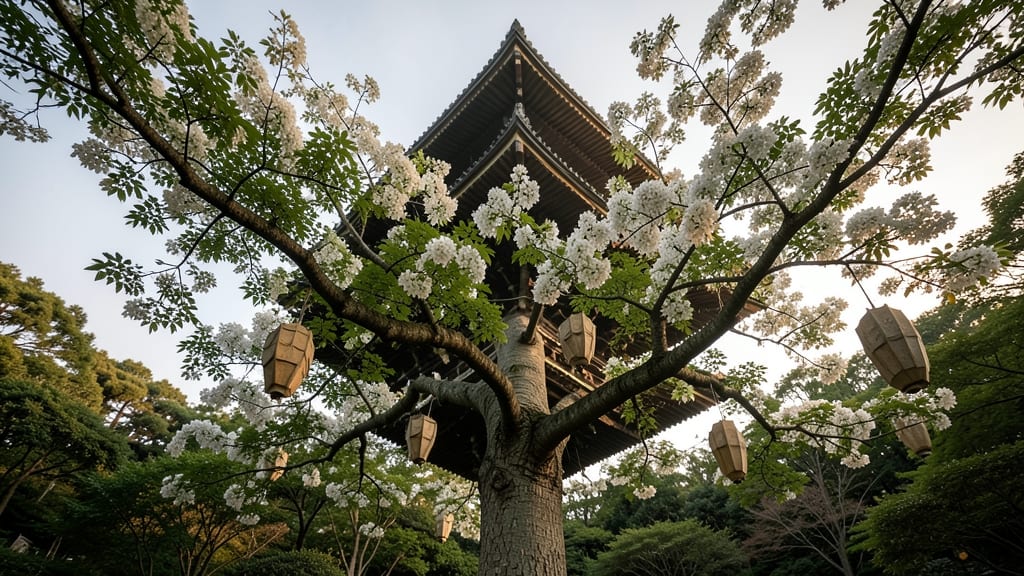
Need fast-growing trees that provide both privacy and shade? These 10 trees with 5 leaflets deliver rapid growth, dense foliage, and striking visual appeal—ideal for landscaping projects that require quick results.
Fast-Growing Mimosa Tree

City dwellers with limited space and tough growing conditions needn’t despair—mimosa trees grow like wildfire in urban environments where other trees struggle. This resilient beauty thrives in poor soil, handles intense heat, and blooms with cheerful pink puffball flowers that draw bees and butterflies.
Expect 10-15 feet of growth per year when planted in full sun, making it ideal for quick privacy screens. Its fern-like 5-leaflet foliage creates lush greenery even in cracked pavement soil, and it tolerates drought once established. Just be prepared for its aggressive root system—plant it away from foundations and sidewalks.
Perfect for urban gardeners who want fast results without fuss, mimosa trees transform concrete jungles into vibrant green spaces. 🌻
Golden Rain Tree

If you crave a tree that transforms your yard into a seasonal spectacle, the golden rain tree (Koelreuteria paniculata) delivers with its fragrant yellow blooms and vibrant fall foliage. This showstopper grows 30-50 feet tall in just 10-15 years, making it one of the fastest-growing trees with 5 leaflets—perfect for quick shade and visual impact.
Plant it in full sun with well-drained soil to prevent root rot, and watch it reward you with cascading flower clusters in summer followed by paper lantern-like seed pods. The dramatic orange-red fall color ensures year-round interest, while its drought tolerance makes it low-maintenance once established.
Ideal for suburban yards or urban landscapes where space is limited but drama is desired, this tree thrives in USDA zones 5-9. Just avoid planting near sidewalks—the seed pods can become a nuisance when they burst open! 🌟
Black Locust Tree

If you're looking for a tough-as-nails tree that thrives in rural conditions, the black locust (Robinia pseudoacacia) is your best bet. Known for its pest resistance and drought tolerance, this tree grows aggressively—up to 3-5 feet per year—while providing dense shade and durable wood for fencing or furniture.
Plant it in full sun with well-drained soil, and it will reward you with fragrant white flowers in spring and compound leaflets that turn golden in fall. However, its fast-spreading roots can be invasive, so research local regulations before planting—it’s banned in some areas to protect native ecosystems.
Perfect for homesteaders, farmers, or anyone needing a low-maintenance tree that delivers shade and wood—just be prepared to contain its spread. 🌿
Honey Locust Tree

If you're looking for a low-maintenance tree that delivers year-round shade without the hassle of thorns or invasive roots, the honey locust is your answer. Unlike its spiny cousins, thornless varieties like 'Skykol' grow up to 50 feet tall while creating a welcoming habitat for birds and butterflies.
This fast-growing tree thrives in full sun and tolerates a wide range of soil types, from clay to sandy loam. Its drought-resistant nature means less watering once established, and its open canopy lets sunlight filter through for understory plants. The elongated seed pods add winter interest, while its minimal pruning needs make it ideal for busy homeowners.
Perfect for large properties, farmland borders, or rural landscapes, the honey locust combines beauty with practicality. It’s especially great for those who want wildlife-friendly shade without the upkeep of high-maintenance trees. 🌻
Kentucky Coffee Tree

If you're looking for a tree that thrives on neglect but delivers striking visual interest, the Kentucky coffee tree (Gymnocladus dioicus) is your answer. Its large, 5-leaflet compound leaves and distinctive seed pods add architectural flair to any landscape, while its drought tolerance makes it perfect for arid regions.
This hardy tree takes 2-3 years to establish but then grows rapidly, reaching heights of 40-60 feet. Plant it in full sun to partial shade with well-draining soil—it handles poor soil conditions better than many other trees. The brown, football-shaped seed pods (up to 12 inches long!) are a conversation starter and provide winter interest.
Ideal for gardeners in dry climates or those seeking a low-maintenance specimen, this tree also supports wildlife by providing food for birds and small mammals. 🌻
Carolina Silverbell Tree

If you’re dreaming of a woodland garden that feels like a secret retreat, the Carolina silverbell (Halesia carolina) is your perfect companion. Unlike its bold cousins, this tree specializes in delicate white bell-shaped flowers that dangle like chimes in spring, creating a serene, almost magical atmosphere. It’s also one of the few shade-tolerant trees with 5 leaflets, making it ideal for understory planting where sunlight is limited.
Native to the southeastern U.S., this tree thrives in moist, well-drained soil and grows at a moderate to fast pace, reaching 20-30 feet tall with a rounded canopy. Its dappled shade is perfect for protecting woodland plants below while still allowing light to filter through. For best results, plant in partial shade to full sun and water regularly during the first year to encourage root establishment. The fragrant blooms also attract hummingbirds and bees, adding another layer of garden life.
This tree is a fantastic choice for woodland gardeners, permaculture enthusiasts, or anyone seeking a low-maintenance native plant that blends beauty with functionality. Its graceful form and seasonal interest make it a standout in naturalistic landscapes. 🌿
Eastern Redbud Tree

Looking for a pollinator magnet that fits perfectly in a small yard? The Eastern redbud tree (Cercis canadensis) delivers showstopping spring blooms in shades of pink and purple before its heart-shaped leaves even emerge—making it one of the first trees to announce spring’s arrival.
This fast-growing understory tree thrives in moderate shade (3-6 hours of sun) and reaches a compact height of 20-30 feet, ideal for tight spaces. It’s also drought-tolerant once established, requiring minimal watering after the first year. Plant it near patios or garden beds to enjoy its early blooms while attracting bees and butterflies.
Perfect for urban gardeners, beginners, and pollinator enthusiasts, this tree adds year-round interest with its peeling bark in winter and golden foliage in fall. 🌷
Amur Maackia Tree

If you're in a northern climate where deer and cold winters wreak havoc on gardens, the Amur Maackia is your unsung hero. This underrated tree thrives where others falter, offering fragrant white blooms and five leaflets per compound leaf—making it a standout for both function and beauty.
Native to East Asia, this cold-hardy tree (USDA zones 3-7) grows 30-40 feet tall with a rounded canopy, providing shade while its deer-resistant foliage stays intact. Plant it in full sun to partial shade with well-drained soil, and watch it grow 2-3 feet per year. The late spring flowers attract pollinators, and its glossy green leaves turn golden-yellow in fall.
Perfect for urban and rural gardens alike, this tree requires minimal maintenance—just prune to shape—and rewards you with year-round interest. Gardeners in harsh climates will love its resilience and effortless charm. ✨
Siberian Peashrub

Looking for a multipurpose plant that thrives where others fail? The Siberian peashrub (Caragana arborescens) is a drought-tolerant powerhouse that grows in even the poorest soils while producing edible peas and vibrant pink blooms. Unlike fussy ornamentals, this hardy shrub adapts to rocky, alkaline, or sandy soils—making it a homesteader’s secret weapon.
This fast-growing shrub reaches 10–15 feet tall and wide within a decade, offering both functional and ornamental value. Its sweet peas are edible (though small) and attract pollinators, while its five leaflets per compound leaf fit the list’s theme perfectly. Prune lightly after flowering to maintain shape, and watch it recover from neglect—it’s nearly indestructible.
Perfect for rural properties, permaculture gardens, or urban lots with tough conditions, the Siberian peashrub turns neglected spaces into productive, beautiful landscapes. 🌱
Japanese Pagoda Tree

Looking for a tree that combines architectural drama with fragrant beauty? The Japanese pagoda tree (Styphnolobium japonicum) delivers with its pagoda-shaped seed pods and delicate, sweetly scented white flowers. Unlike other fast-growing trees, it thrives in moderate shade, making it perfect for understory plantings or as a focal point in shaded gardens.
This tree grows 30-50 feet tall but maintains a graceful, rounded form, with compound leaflets that add lush texture. Its fragrant blooms appear in late spring, followed by striking seed pods that resemble tiny pagodas—hence the name. While it prefers moist, well-drained soil, it tolerates a range of conditions, including urban environments with moderate drought resistance once established.
Landscape designers love it for its year-round interest, from spring blooms to autumn’s golden foliage. Ideal for those who want a low-maintenance yet visually striking tree that attracts pollinators without dominating the space. 🌻