
Orchid Care
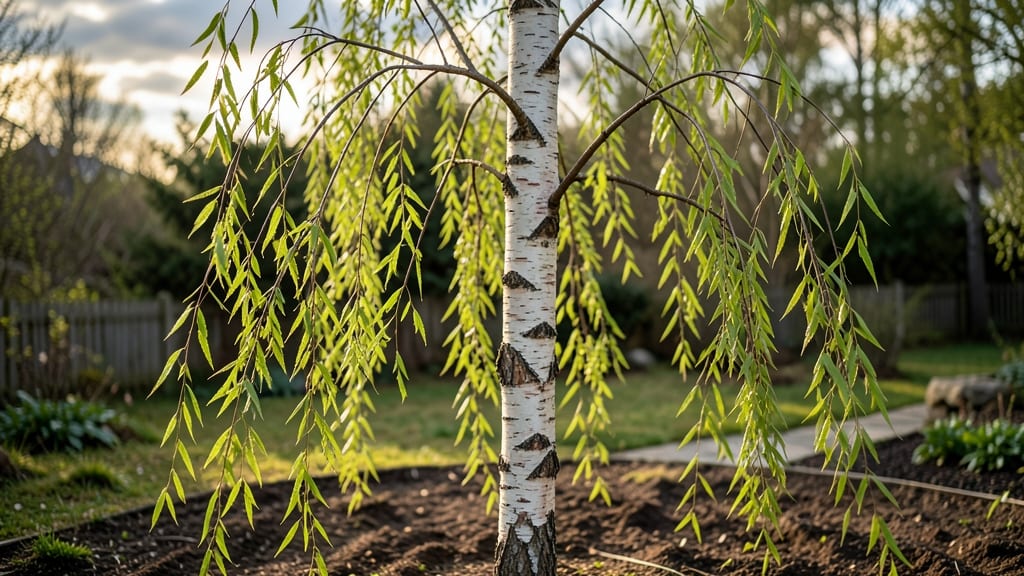
The stunning water birch leaf 🌳 transforms any landscape with its delicate, diamond-shaped foliage and vibrant seasonal hues.
If you’ve ever dreamed of a tree that stays lush year-round—even through brutal winters—this is your plant. The water birch isn’t just hardy; it’s a showstopper, with leaves that shift from bright green in spring to fiery golds and oranges in fall, all while its iconic white bark adds drama.
Growing one might seem intimidating, but the truth is, this tree thrives with minimal fuss. Whether you’re planting a sapling or nurturing a seedling, the key lies in its love for moist soil, bright light, and just the right balance of care.
Below, I’ll walk you through everything you need to know to cultivate showstopping water birch leaves that keep your garden stunning through every season.
From pruning secrets to soil tips, you’ll discover how to keep your water birch healthy, vibrant, and ready to steal the show in your yard.
How to grow water birch trees from seeds or saplings for maximum leaf beauty
The water birch leaf (Betula nigra) is one of nature’s most striking foliage plants, with its peeling white bark and vibrant green leaves that turn golden in autumn. Whether you're starting from seeds or saplings, creating the right conditions ensures your tree develops those iconic, lush leaves.
This guide covers every step—from seed germination to planting—so you can grow a showstopper that thrives for decades.
Water birch trees are low-maintenance but demand specific soil conditions and seasonal timing to unlock their full potential. Unlike many trees, they prefer moist, well-drained soil and can even tolerate wet soil near ponds or streams.
With the right approach, you’ll cultivate a tree that boasts year-round interest—from spring’s fresh foliage to winter’s striking bark.
- 🌱 Step 1: Choose Your Starting Point
- • Seeds: Collect fresh seeds in late summer or buy from a nursery.
- • Saplings: Select 1-2 year old trees with healthy roots and vibrant leaves.
- 🌱 Step 2: Prepare Seeds for Germination
- • Stratify seeds in moist sand for 60-90 days at 35-40°F.
- • Soak seeds in lukewarm water for 24 hours before planting.
- 🌱 Step 3: Plant Seeds Indoors (Early Spring)
- • Use seed-starting mix in 4-inch pots.
- • Plant seeds ½ inch deep and keep soil moist.
- • Place in bright, indirect light (60-70°F).
- 🌱 Step 4: Transplant Seedlings Outdoors (Late Spring)
- • Wait until last frost and soil is 60°F+.
- • Harden off seedlings over 7-10 days.
- • Dig a hole twice as wide as the root ball.
- 🌱 Step 5: Plant Saplings Directly (Early Spring)
- • Choose a sunny to partially shaded spot.
- • Dig a hole 12-18 inches deep and 2x wider.
- • Amend soil with compost for drainage.
- 🌱 Step 6: Mulch and Water for Leaf Health
- • Apply 2-3 inches of mulch (keep 6 inches from trunk).
- • Water deeply 2x weekly for first year.
- • Avoid waterlogging—ensure soil drains well.
If you’re growing from seeds, patience is key—germination can take 4-8 weeks, and seedlings grow slowly at first. For faster results, saplings are ideal, especially if you want to see those showy leaves sooner.
When planting, focus on root health: water birch trees hate compacted soil, so loosen the area generously before placing the sapling.
The best time to plant is early spring (March-May), when the soil is workable but before summer heat stress. If you must plant in fall, do it at least 6 weeks before frost to allow roots to establish.
For container-grown saplings, remove the pot and loosen roots gently to encourage spread in the new soil.
For maximum leaf beauty, prioritize well-draining soil mixed with organic matter. Water birch trees thrive in sandy loam or clay-loam soils with a slightly acidic to neutral pH (5.0-7.0).
If your soil is heavy clay, amend it with compost or peat moss to improve aeration. A slightly acidic soil also enhances the vibrant green color of the leaves.
After planting, monitor your tree’s water needs closely. Young saplings require consistent moisture but will develop drought tolerance as they mature. In hot climates, mulch heavily to retain moisture and protect roots. Avoid overwatering—waterlogged soil can cause root rot, which stunts leaf growth and weakens the tree.
One of the most rewarding aspects of growing water birch is watching the foliage transform through seasons. In spring, new leaves emerge a bright green, while autumn brings golden-yellow hues.
To encourage this vibrant color change, ensure your tree gets at least 6 hours of sunlight daily, even if it tolerates partial shade. Partial shade helps prevent leaf scorch in hot, dry climates.
For long-term leaf health, avoid heavy pruning—water birch trees have a natural, open branching habit that maximizes sunlight exposure. Remove only dead or diseased branches in late winter before new growth begins. This keeps the tree’s energy focused on producing lush, healthy leaves rather than repairing damaged wood.
With these steps, your water birch will develop into a stunning focal point in your landscape, showcasing its iconic white bark and vibrant foliage
Water birch leaf care: pruning, watering, and soil secrets for year-round color
The water birch leaf (Betula nigra) is prized for its striking foliage and iconic white bark, but maintaining its health requires strategic care. Unlike many trees, water birch thrives with minimal intervention while still needing proper pruning and soil conditions to keep its leaves vibrant year-round.
One of the first steps is understanding its watering needs. Water birch loves moisture but despises soggy roots—aim for deep watering every 7-14 days, adjusting for seasonal changes.
In summer, I increase frequency to bi-weekly deep soaks, while winter care drops to monthly checks if snow isn't covering the soil.
🌱
Soil pH matters! Test your soil—water birch thrives in slightly acidic to neutral (pH 5.0-7.0). Amend heavy clay with compost or sand to improve drainage. Mulch annually with 2-3 inches of organic mulch to retain moisture and suppress weeds.
For pruning, timing is everything. I recommend pruning in late winter or early spring (February-March) before new growth begins. Remove dead, diseased, or crossing branches first, then thin out crowded areas to improve airflow. Avoid heavy pruning after June, as it can stimulate tender growth vulnerable to frost damage.
The soil secrets for water birch leaf success start with well-draining, moist soil. I often mix native soil with compost and a bit of perlite to prevent compaction. If your soil is sandy, add peat moss to retain moisture.
Water birch also appreciates a slightly acidic to neutral pH, so test annually and amend if needed.
Pest control is usually low-maintenance for water birch, but watch for birch borers and aphids. I spot-treat infestations with neem oil or insecticidal soap, focusing on the undersides of leaves. Healthy trees rarely suffer severe pest issues, so proper watering and pruning are your best defenses.
To keep those year-round leaves looking their best, I fertilize young trees lightly in early spring with a balanced 10-10-10 fertilizer. Mature trees typically don’t need annual feeding—just a light top-dressing of compost every few years.
Pair this with consistent mulching to lock in moisture and nutrients for lush foliage.
With these water birch leaf care secrets, your tree will reward you with vibrant green leaves and that signature white bark for decades. The key is balancing moisture, strategic pruning, and soil health—simple steps for stunning results. ✂️🌿