
Plants
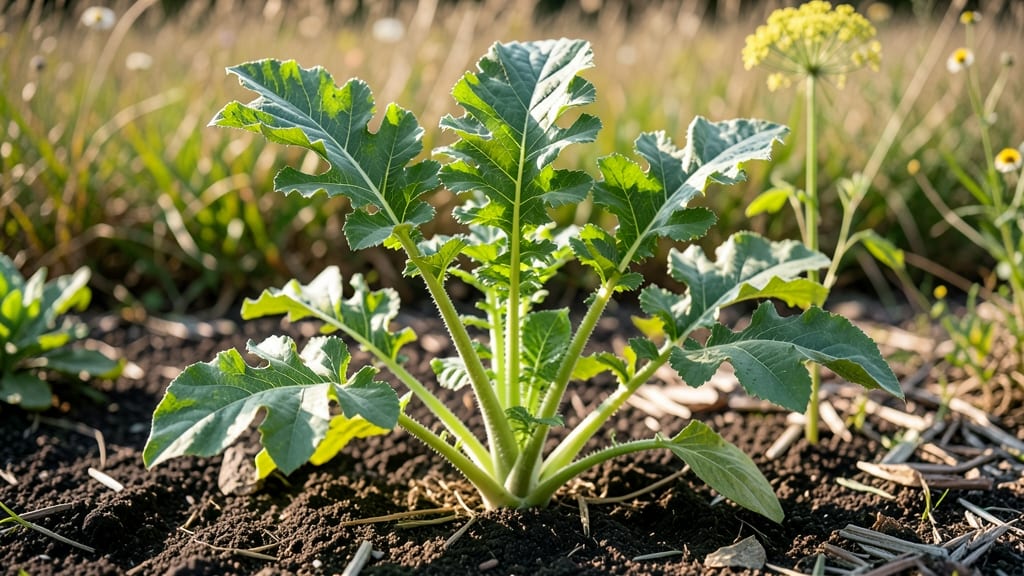
Parsnip leaves look like delicate lacework with jagged edges and deep indentations. 🌿 These fern-like leaves grow on long stems, with each leaf reaching 8-12 inches tall, and their blue-green hue sets them apart from similar plants.
The serrated, lobed edges are their signature—no other common edible plant has this exact combination of shape and texture. Confusing them with wild carrot or Queen Anne’s lace? Look closer: parsnip leaves are deeply divided into 3-5 lobes, while wild carrot leaves are finely feathered without the same bold serrations.
The hairy stems and aromatic quality when crushed also help confirm your ID. When healthy, parsnip foliage stays vibrant and upright, but watch for yellowing or wilting—signs of pests or disease.
The leaves themselves are edible (though tougher than stems), adding a mild, slightly bitter flavor to soups or pestos. This leaf shape is your first clue when distinguishing parsnips from lookalikes like wild parsnip (which has smooth-edged leaves) or even young celery.
Mastering this ID skill saves you from accidentally pulling the wrong plant!
Understanding Leaf Shapes Naturally
Parsnip leaves take on their distinctive lace-like lobes and serrated edges due to a mix of genetic programming and environmental influences. While their appearance is hardwired into the plant’s DNA, external factors can tweak the final result—sometimes subtly, sometimes dramatically. Let’s break down the key reasons behind their unique foliage.
Parsnips (Pastinaca sativa) belong to the Apiaceae family, which includes other umbelliferous plants like carrots, celery, and dill.
Their leaf shape is largely determined by genetic coding that dictates: - Lobed Structure: The compound leaves grow in a pinnate (feather-like) arrangement, with each leaf divided into 1-3 pairs of lobes.
These lobes are further divided into toothed or serrated edges, creating the "lace" effect. - Serrated Margins: Tiny saw-like teeth along the leaf edges are a hallmark of the Apiaceae family.
These aren’t just for show—they help reduce water loss and deter herbivores by making the leaf harder to chew. - Glaucous Wax Coating: Many parsnip leaves have a blue-green, waxy film (glaucousness), which is genetically controlled. This coating reflects sunlight, reducing heat absorption and preventing wilting in hot conditions.
💡 Pro Tip: If you’re growing parsnips and notice leaves that are too smooth or overly curled, it might signal a genetic mutation (common in heirloom varieties) or nutrient stress—more on that below!
While genetics set the stage, environmental conditions can alter how parsnip leaves develop. Here’s how:
| Factor | Effect on Leaf Shape | Why It Happens |
|---|---|---|
| Water Stress (Drought or Overwatering) | Leaves become smaller, thicker, or curled with sharper serrations. | Plants conserve water by reducing surface area and increasing waxiness. Overwatering can lead to root rot, starving leaves of nutrients and causing yellowing (chlorosis). |
| Poor Soil Nutrition (Nitrogen, Magnesium, or Iron Deficiency) | Leaves develop yellow patches (interveinal chlorosis) or distorted lobes. | Nitrogen fuels leaf growth—deficiency leads to stunted, pale leaves. Magnesium (central to chlorophyll) and iron (essential for leaf expansion) deficiencies cause yellowing between veins. |
| Extreme Temperatures (Frost or Heatwaves) | Leaves may scorch (brown edges) or curl tightly. | Frost crystallizes cell walls, while heat denatures enzymes needed for growth. Both stress responses trigger abnormal lobe development. |
| Pest or Disease Damage (Aphids, Slugs, or Fungal Infections) | Holes, chewed edges, or black spots disrupt natural serrations. | Insects and pathogens physically damage tissue, forcing the plant to regrow leaves unevenly. Fungal infections (like powdery mildew) can cause white, fuzzy growths that distort edges. |
🔥 Quick Fix: If your parsnip leaves are wilting or discolored, check the soil moisture and amend with compost for nutrients. Mulch helps retain moisture and regulate temperature.
Parsnips thrive in full sun (6+ hours daily), but too much or too little light can alter their leaf structure: - Insufficient Light: Leaves grow longer, thinner, and less lobed (a condition called etiolation).
The plant stretches toward light, weakening serrations and making them more straight-edged. - Excessive Light (Intense Heat): Leaves may scorch (brown, crispy edges) or develop thicker, waxier coatings to protect against UV damage. - Partial Shade: Leaves become larger but softer, with less pronounced serrations.
While not harmful, they may look less "lace-like" than sun-grown counterparts.
✨ Growth Hack: If growing parsnips in hot climates, provide light shade in peak afternoon to prevent scorching while still ensuring 6+ hours of morning sun for optimal lobe development.
Parsnip leaves don’t stay the same from seedling to maturity. Here’s how their shape evolves: - Seedling Stage (First 4-6 Weeks): Leaves are small, simple, and oval-shaped with smooth edges.
As the plant matures, it transitions to compound lobes. - Vegetative Growth (6-12 Weeks): Leaves develop 2-3 pairs of lobes, with deep serrations forming.
This is when they look most "lace-like." - Flowering Stage (12+ Weeks): Older leaves may yellow and die back, while new growth near the stem remains lobed but slightly less intricate. The plant shifts energy to flower and seed production.
🌱 Garden Tip: For bushier, more decorative foliage, harvest parsnip leaves before flowering (young leaves are also milder in taste for cooking!).
Quick Fixes for Parsnip Leaf Issues
If your parsnip leaves aren’t looking their best—whether they’re wilted, yellowed, or just not matching your mental image of those delicate, serrated-edged beauties—don’t panic! Most common problems have simple, effective solutions.
Below, we’ll break down the most frequent issues, their causes, and the best ways to revive or prevent them. Think of this as your parsnip plant’s first-aid kit! 🚑🌱
Yellowing or wilting parsnip leaves are often a cry for help from your plant. Here’s how to diagnose and fix the problem:
🔥 Overwatering or Poor Drainage
When roots sit in soggy soil, they suffocate, leading to yellow leaves and a sad, droopy appearance.
How to Fix It:- 🔥 Check the soil: Stick your finger 1-2 inches into the soil. If it’s damp, hold off on watering.
- 🍳 Improve drainage: Mix in compost or perlite to loosen heavy soil. Raised beds or containers with drainage holes can also help.
- 👨🍳 Water wisely: Water deeply but infrequently—parsnips prefer consistent moisture but hate soggy roots. Aim for 1-1.5 inches of water per week.
🍳 Underwatering or Drought Stress
Crispy, brown edges on leaves? Your parsnip is thirsty! Unlike overwatering, underwatering causes leaves to curl and dry out.
How to Fix It:- 🥘 Water thoroughly: Give the soil a deep soak until water drains out the bottom. Mulch around the base to retain moisture.
- ⏰ Adjust your schedule: Water in the early morning to reduce evaporation. Parsnips need consistent moisture, especially in hot weather.
🔪 Fungal Infections (Like Early Blight or Powdery Mildew)
Yellow spots with dark borders or white powdery patches? Fungal infections thrive in humid conditions and can spread quickly.
How to Fix It:- 🔥 Remove affected leaves: Snip off and dispose of (don’t compost!) infected foliage to prevent spread.
- 🍳 Improve airflow: Space plants 12-18 inches apart and avoid overhead watering.
- 👨🍳 Apply fungicide: Use a copper-based or neem oil spray (follow label instructions). For organic gardens, a baking soda solution (1 tsp baking soda + 1 quart water + a drop of dish soap) can work.
If your parsnip leaves are tiny, pale, or slow to grow, it’s likely starving for nutrients. Here’s how to feed it right:
📊 Nitrogen Deficiency (Pale or Yellow Leaves)
Nitrogen is crucial for leafy growth. Without it, leaves turn pale green or yellow, especially on older foliage.
How to Fix It:- 🥗 Add compost or manure: Work in 1-2 inches of well-aged compost or a balanced organic fertilizer (like 10-10-10) around the base.
- 🍎 Use a quick fix: Side-dress with blood meal (a nitrogen-rich organic amendment) or fish emulsion.
🥗 Phosphorus or Potassium Deficiency (Weak Stems, Purple Tints)
Purple stems or leaves? Your parsnip might need phosphorus (for root development) or potassium (for overall vigor).
How to Fix It:- 🔥 Bone meal for phosphorus: Sprinkle 1-2 tablespoons of bone meal around the plant and water it in.
- 🍳 Potassium boost: Use greensand or wood ash (sparingly) to add potassium. Avoid overdoing it—too much can harm soil.
Holes in leaves or sticky residue? Pests like aphids, slugs, or cabbage moths love parsnip leaves as much as you do!
🔪 Aphids or Cabbage Moth Larvae (Ragged Leaves)
Aphids leave sticky honeydew, while cabbage moth larvae create irregular holes and chewed edges.
How to Fix It:- 🔥 Handpick pests: Spray off aphids with a strong jet of water or crush larvae by hand (wear gloves!).
- 🍳 Introduce beneficial insects: Ladybugs and lacewings eat aphids. Buy them online or attract them with nectar-rich flowers.
- 👨🍳 Use organic sprays: Neem oil or insecticidal soap (follow instructions) can deter pests without harming your plants.
🐌 Slugs and Snails (Large Holes Overnight)
These nocturnal nibblers can devour entire leaves, leaving behind slime trails.
How to Fix It:- 🥘 Set traps: Use beer traps (bury a container filled with beer) or diatomaceous earth around the base.
- ⏰ Go nocturnal: Check plants at dawn or dusk with a flashlight. Pick off slugs and drop them in soapy water.
- 👨🍳 Create barriers: Surround plants with crushed eggshells, copper tape, or coffee grounds (slugs hate the grit!).
An ounce of prevention is worth a pound of cure! Use this quick checklist to keep your parsnip leaves lush and healthy:
| Do This | Do This |
|---|---|
| ✅ Plant in well-draining soil with plenty of compost. | ✅ Water deeply but infrequently (1-1.5 inches per week). |
| ✅ Mulch to retain moisture and suppress weeds. | <